
If you love watching bluejays and other large birds visit your yard, you know how exciting it is to see them up close. But have you ever wondered what kind of feeder works best for these bigger birds?
Choosing the right feeder can make all the difference in attracting and keeping them coming back. You’ll discover what makes a feeder perfect for larger birds like bluejays. By the end, you’ll be ready to create a welcoming spot that these beautiful birds won’t want to leave.
Keep reading to find out how to make your backyard a favorite hangout for your feathered friends!
Best Feeder Types For Bluejays
Choosing the right feeder for bluejays can make a big difference in attracting these bold and intelligent birds to your yard. Their size and feeding habits mean that not all feeders will work equally well. Understanding the best feeder types helps you provide a comfortable and accessible feeding spot that suits their needs.
Platform Feeders
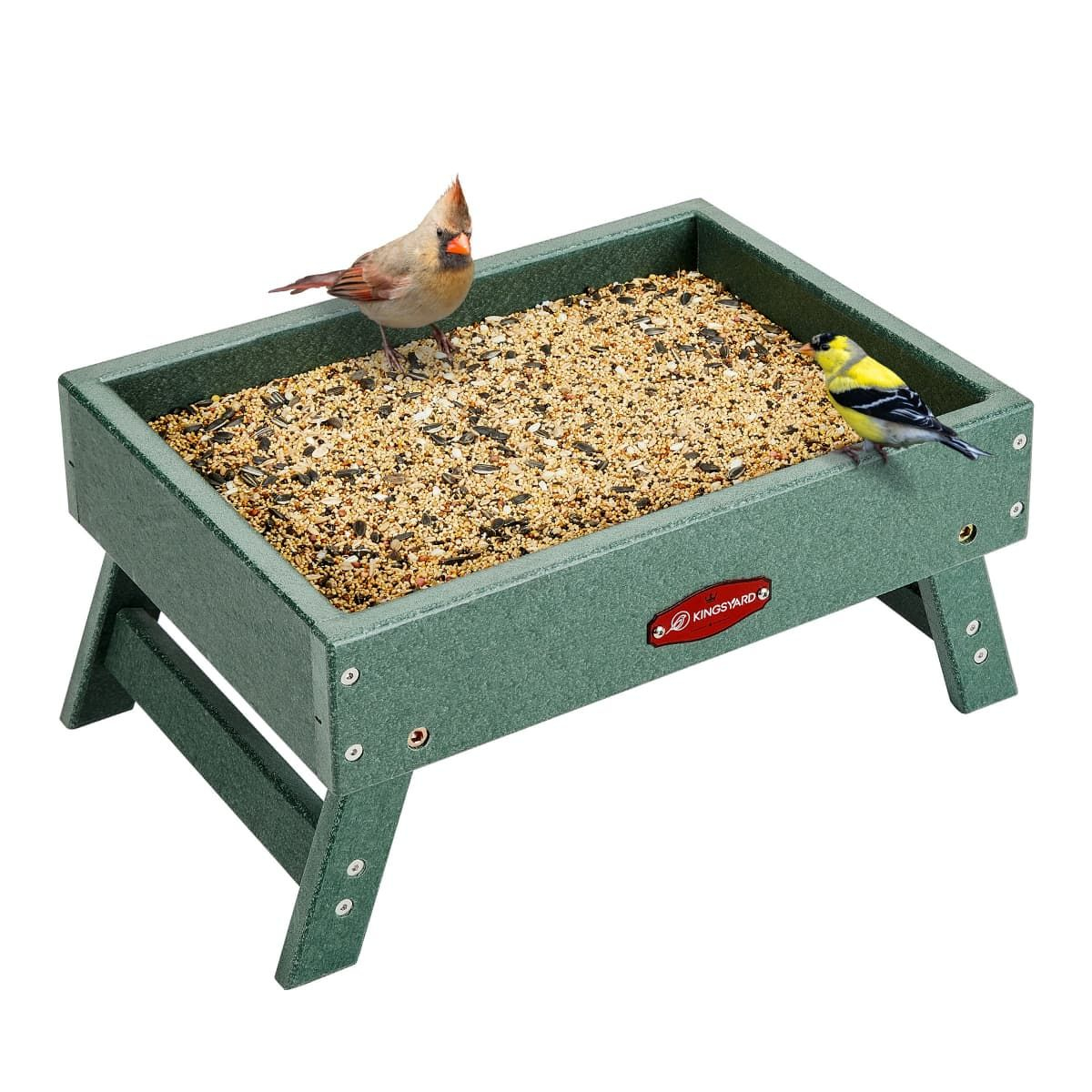
Platform feeders are excellent for bluejays because they offer plenty of space for these larger birds to land and eat comfortably. You can scatter a variety of foods like peanuts, sunflower seeds, and corn, which bluejays love. I once noticed that bluejays stayed longer and visited more frequently when I used a sturdy platform feeder compared to smaller feeders.
These feeders are also easy to clean and refill. Because they are open, they allow bluejays to watch for predators while they eat, which makes them feel safe. Have you tried placing a platform feeder near trees? It often gives bluejays quick cover if they feel threatened.
Hopper Feeders
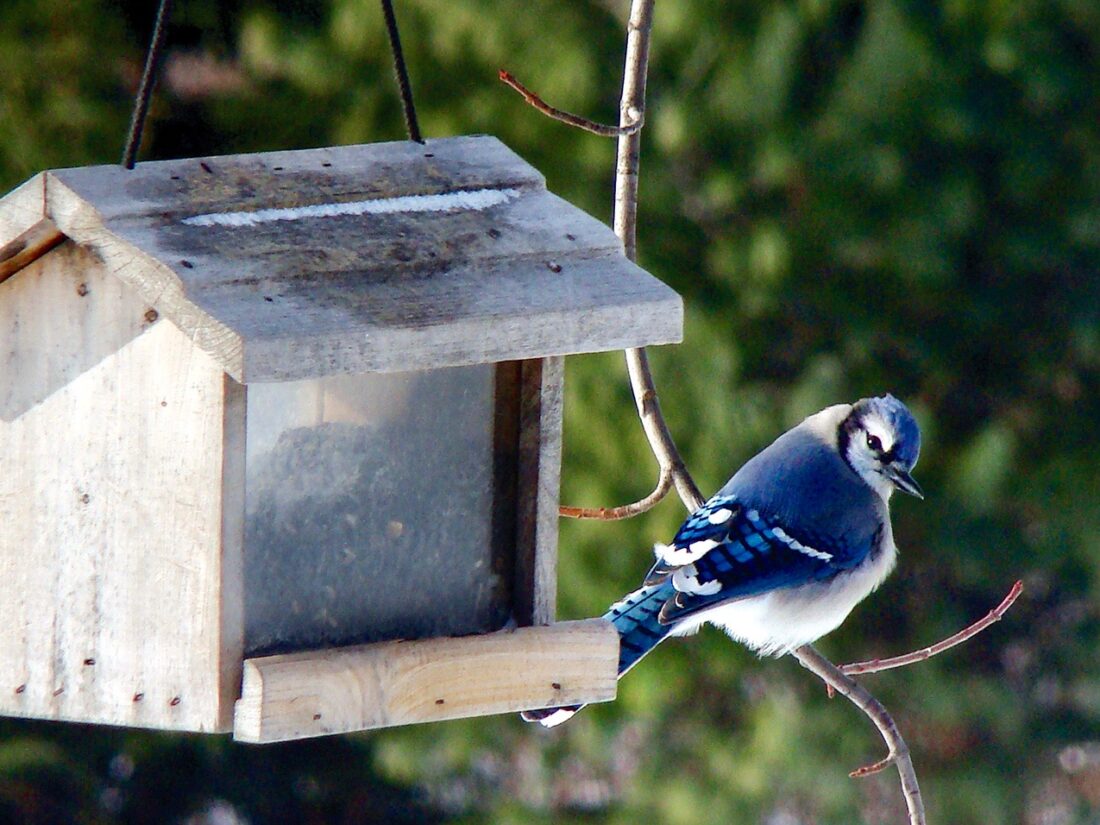
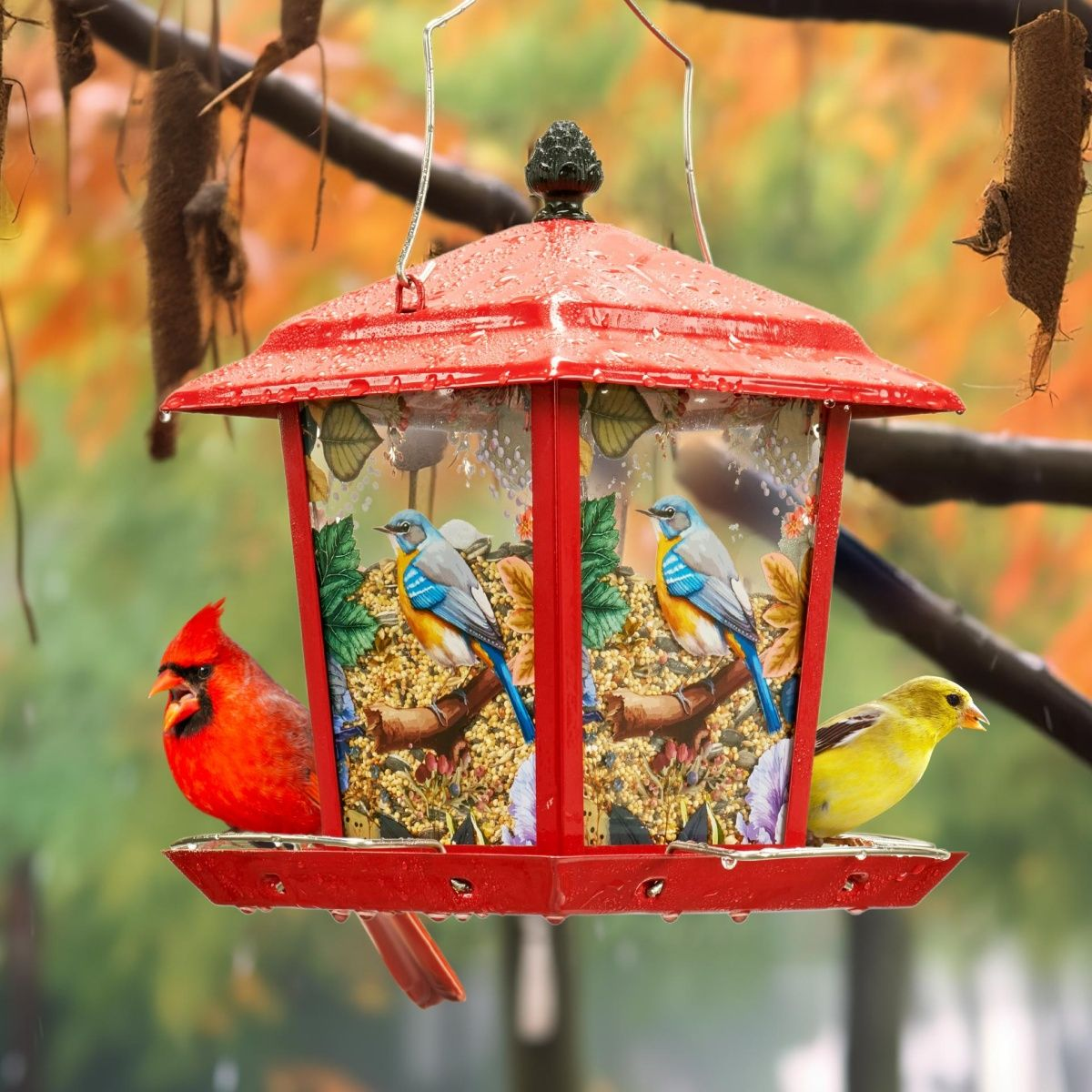
Hopper feeders hold a good amount of seed and protect it from rain and snow, which keeps the food fresh longer. Bluejays appreciate the easy access to seeds and the shelter the hopper provides. The gravity-fed design means less work for you and less mess on the ground.
These feeders usually have perches wide enough to support bluejays comfortably. When I switched to a hopper feeder, I noticed fewer seed spills and less waste, which made feeding more efficient. Wouldn’t you like a feeder that minimizes clean-up and still attracts your favorite birds?
Tube Feeders With Large Ports
Tube feeders are popular, but smaller versions often don’t suit bluejays well. Look for tube feeders with large feeding ports and strong perches to accommodate their size. This design prevents smaller birds from dominating the feeder while giving bluejays room to feed comfortably.
Bluejays are clever and can sometimes pry seeds from smaller holes, so bigger ports reduce frustration. I found that offering shelled peanuts or large sunflower seeds in these feeders worked best. Could adjusting the feeder size be the key to welcoming more bluejays to your garden?
Credit: www.mariettatimes.com
Materials And Durability
Choosing the right materials and ensuring durability are key when selecting a feeder for larger birds like Bluejays. These birds are strong and can be quite persistent, so the feeder must stand up to their activity and the changing weather. Let’s look at what materials work best and how durability plays a role in keeping your feeder functional and attractive over time.
Weather-resistant Materials
Feeders exposed to rain, sun, and wind need to resist damage from the elements. Materials like stainless steel, powder-coated metal, and thick, UV-resistant plastics hold up well outside. Wood can work, but it requires regular sealing to avoid rotting and warping.
Have you noticed how quickly painted feeders fade or peel? Choosing weather-resistant materials reduces maintenance and keeps your feeder looking good season after season. Plus, these materials prevent mold and rust, which can harm birds and shorten the feeder’s life.
Chew-proof Designs
Bluejays have strong beaks and can chew through weak feeders, leaving you with a damaged product and wasted seed. Metal cages or feeders with reinforced plastic parts can withstand this chewing. Avoid thin plastic or soft wood that Bluejays can easily break apart.
One time, I had a cheap plastic feeder that lasted only a month before Bluejays made holes in it. Switching to a metal mesh feeder solved the problem immediately. If you want to keep feeding these clever birds, invest in chew-proof designs that last longer and save you money.
Food Choices For Larger Birds
Choosing the right food for larger birds like bluejays is essential. These birds need a diet that supports their size and energy. Feeding them the proper seeds and nuts helps keep them healthy and active. Avoiding harmful foods protects them from illness and injury. Knowing what to offer and what to skip makes your feeder a safe place.
Preferred Seeds And Nuts
Bluejays enjoy a variety of seeds and nuts. These foods provide good nutrition and keep them coming back.
- Peanuts (unsalted and shelled)
- Sunflower seeds, especially black oil sunflower
- Acorns, a natural favorite
- Walnuts and pecans, broken into smaller pieces
- Millet and cracked corn for added variety
These options offer fats and proteins that support their energy needs. Keep the food fresh and dry for best results.
Avoiding Harmful Foods
Not all foods are safe for bluejays. Some common items can harm or even kill these birds.
- Salted or flavored nuts and seeds
- Processed human snacks like chips or bread
- Avocado, which is toxic to many birds
- Chocolate and caffeine products
- Foods with mold or spoilage
Always check bird food before placing it in your feeder. Keep harmful items away to protect your feathered visitors.
Credit: www.kingsyard.com
Placement Tips For Attracting Bluejays
Placement plays a crucial role in attracting bluejays to your feeder. These larger birds are smart and cautious, so the spot you choose can make all the difference in whether they visit often or avoid the feeder altogether. Let’s look at practical tips to help you place your feeder where bluejays feel comfortable and safe.
Ideal Locations
Bluejays prefer feeders that are visible yet offer some cover nearby. Placing your feeder near trees or shrubs provides quick shelter and a lookout point. This setup helps bluejays watch for danger while enjoying their meal.
Choose a spot with partial sunlight and some shade during the day. Bluejays like to stay cool, especially in hot weather. Also, placing feeders near natural food sources like oak trees can attract more birds since acorns are part of their diet.
Safety From Predators
Think about what might threaten your bluejays. Cats, hawks, and squirrels can scare them away or pose real danger. Position your feeder where bluejays have a clear view of their surroundings to spot predators early.
Mount feeders on poles with baffles or hang them from thin branches that squirrels can’t reach easily. Keep feeders at least 10 feet away from places where cats can hide. You want your bluejays to feel secure enough to visit regularly.
Maintenance And Cleaning
Maintaining and cleaning bird feeders is essential for the health of larger birds like bluejays. A clean feeder prevents disease and keeps birds coming back. Dirt, old seeds, and droppings can build up quickly. This creates a harmful environment for birds. Regular upkeep ensures fresh food and a safe feeding space.
Regular Cleaning Schedule
Set a cleaning routine based on how often birds visit. For feeders used daily, clean them once a week. Remove leftover seeds and wash all parts thoroughly. Use warm water and mild soap to clean the feeder. Rinse well to remove all soap traces. Dry completely before refilling to avoid mold growth.
Preventing Mold And Bacteria
Mold and bacteria grow fast in damp feeders. Keep seeds dry by storing them in airtight containers. Avoid overfilling feeders to reduce moisture buildup. Check feeders often for wet or clumped seeds. Replace old seeds immediately. Use a vinegar solution to wipe feeders and kill germs. This keeps the feeder safe and inviting for birds.
Top Feeder Brands And Models
Choosing the right feeder helps attract larger birds like bluejays. Quality feeders offer durability and ease of use. They also hold enough seed to satisfy these energetic birds. Many brands design feeders specifically for bigger birds. These feeders have larger perches and feeding ports. They keep seeds dry and prevent spills. Here are some top feeder brands and models known for their performance and reliability.
Expert Recommendations
- Droll Yankees Classic Squirrel-Proof Feeder:This feeder resists squirrels and is great for big birds. Its metal construction lasts through all seasons.
- Brome Squirrel Buster Plus:Designed to keep pests away, it offers large seed capacity. The weighted perch adjusts to bird size.
- Perky-Pet Panorama Feeder:Offers a wide feeding area perfect for bluejays. Easy to refill and clean with durable materials.
- Woodlink Audubon Platform Feeder:A sturdy platform feeder that accommodates multiple large birds at once. Ideal for sunflower and mixed seeds.
Customer Favorites
| Brand | Model | Key Features | Price Range |
|---|---|---|---|
| Nature’s Hangout | Large Squirrel-Proof Feeder | Heavy-duty cage, large capacity, weather-resistant | $$ |
| Aspects | Audubon Seed Feeder | Wide perches, easy fill, durable plastic | $$ |
| First Nature | Large Hopper Feeder | Metal mesh, holds large seeds, easy to clean | $ |
| Perky-Pet | Big Dipper Feeder | Multiple feeding ports, squirrel-resistant, UV protection | $$ |
Credit: www.kingsyard.com
Frequently Asked Questions
What Type Of Feeder Is Best For Bluejays?
A sturdy platform feeder or large hopper feeder works best for bluejays. These feeders support their size and weight comfortably. They also allow easy access to seeds and nuts, which bluejays prefer.
Which Seeds Attract Larger Birds Like Bluejays?
Sunflower seeds, peanuts, and safflower seeds attract bluejays effectively. These seeds provide the nutrients larger birds need. Avoid smaller seeds that bluejays find difficult to handle.
How To Prevent Smaller Birds From Dominating Feeders?
Use feeders with larger perches or weight-sensitive mechanisms. These designs allow bigger birds to feed while keeping smaller birds away. This ensures bluejays get enough food without competition.
Are Suet Feeders Good For Attracting Bluejays?
Yes, suet feeders attract bluejays, especially in winter. Bluejays enjoy high-energy suet, which helps them stay warm. Use cages or cages with large openings to accommodate their size.
Conclusion
Choosing the right feeder helps attract larger birds like bluejays. Strong, durable feeders hold their weight well. Feeders with wide perches make feeding easy for them. Keep the feeder clean and filled with fresh seeds. Watching bluejays visit your yard brings great joy.
A good feeder supports their natural habits and needs. Enjoy the beauty and activity these birds bring daily.