
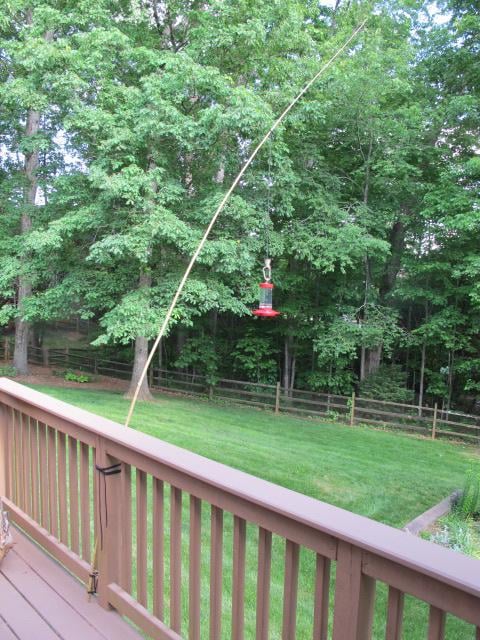
Are you tired of raccoons raiding your bird feeder every night? You’re not alone.
These clever critters can turn your peaceful backyard into a messy battlefield, leaving you frustrated and your feathered friends hungry. But don’t worry—there are simple and effective ways to stop raccoons from climbing your bird feeder. Keep reading to discover easy tricks that protect your feeder and bring back the joy of watching birds without unwanted visitors.
Why Raccoons Climb Bird Feeders
Raccoons often climb bird feeders because they find easy food there. These clever animals are good at getting what they want. Understanding why raccoons climb bird feeders helps in finding ways to stop them.
Raccoons’ Food Motivation
Raccoons are always looking for food that is easy to get. Bird feeders are full of seeds and nuts, which attract raccoons. They prefer foods high in calories to build energy quickly.
Birdseed is a tasty treat for raccoons. It is easy to grab and eat. Sometimes, raccoons find leftover food on the ground near feeders.
Behavioral Patterns At Night
Raccoons are mainly active at night. They use darkness to move safely and avoid predators. Nighttime is the best time for raccoons to explore bird feeders.
These animals have strong climbing skills. They climb trees, poles, or fences to reach food. Their sharp claws and flexible bodies help them climb easily.

Credit: www.amazon.ca
Choosing The Right Feeder
Choosing the right bird feeder is key to keeping raccoons away. The design and materials affect how easy it is for raccoons to climb or reach the food. A feeder that blocks raccoons helps protect your birdseed and ensures birds get their share.
Focus on feeders made to stop raccoons. They often include features that make climbing or grabbing difficult. The right feeder keeps the raccoons frustrated and the birds happy.
Raccoon-proof Feeder Designs
Look for feeders with smooth, slippery surfaces. These prevent raccoons from getting a good grip. Some feeders have baffles—round or cone-shaped guards—that block raccoons from climbing up poles.
Feeders with weight-sensitive perches close off access when heavy animals step on them. This tricks raccoons because they are heavier than birds. Hanging feeders with long, thin cables are also harder for raccoons to reach.
Material Considerations
Metal feeders resist raccoon teeth and claws better than plastic or wood. Choose feeders made of stainless steel or powder-coated metal. These materials last longer outdoors and are tougher to damage.
Avoid feeders with rough surfaces or footholds. These make climbing easy for raccoons. Smooth, durable materials reduce the chance of raccoons reaching the food.
Placement Strategies
Proper placement of your bird feeder can stop raccoons from climbing it. Smart positioning makes it hard for raccoons to reach the food. Choose spots that keep feeders safe and birds happy. Placement strategies help protect your feeder and reduce unwanted visitors.
Ideal Height And Location
Place feeders at least 5 to 6 feet above the ground. This height makes climbing difficult for raccoons. Use tall poles or hang feeders from strong hooks. Choose open spaces where raccoons cannot jump from nearby surfaces. Avoid low spots or areas near brush where raccoons hide.
Distance From Trees And Structures
Keep feeders at least 10 feet away from trees, fences, or walls. Raccoons use these to jump onto feeders easily. Trim branches close to feeders to remove jumping points. Clear nearby structures to create a barrier. This distance reduces raccoon access and protects your feeder.

Credit: www.amazon.ca
Physical Barriers To Use
Stopping raccoons from climbing your bird feeder often means putting up physical barriers they can’t bypass. These barriers act as a direct challenge to their climbing skills and clever paws, making it tougher for them to reach the birdseed. Using the right barrier can save your feeder and keep your feathered friends safe and fed.
Baffles And Guards
Baffles and guards are some of the most effective physical barriers you can add to your bird feeder setup. These devices are designed to block raccoons from climbing up the pole or hanging feeder lines. Usually made from metal or hard plastic, they spin or present a slippery surface, frustrating any raccoon attempting a climb.
I once installed a dome-shaped metal baffle beneath my feeder. The moment a raccoon tried to climb, the baffle spun, causing the raccoon to slide off. It was impressive how quickly the raccoon gave up and moved on.
When choosing a baffle, look for one that’s wide enough to prevent raccoons from reaching around it. Placement matters too—install it at least 4 feet off the ground to keep raccoons from jumping over. Would you expect a raccoon to get past a slippery, spinning shield?
Pole Covers And Shields
Pole covers and shields wrap around the feeder pole and create a slick or smooth surface that raccoons cannot grip. These covers are often made of metal or heavy-duty plastic and slide over your feeder’s post. Their smooth texture makes climbing nearly impossible for raccoons.
Installing a pole cover was a game-changer in my backyard. The raccoons tried repeatedly but failed to get a foothold. It’s a simple addition that requires little maintenance but offers big protection.
Consider the diameter of your pole and choose a cover that fits snugly. Some covers extend several feet up the pole, giving raccoons even less chance of bypassing the barrier. How much effort would you put in to keep your feeders raccoon-proof?
Deterrent Techniques
Raccoons are clever climbers and often raid bird feeders. Using deterrent techniques can stop them from reaching the food. These methods make the feeder less attractive or harder to access. Simple tools and materials can help protect your feeder and keep raccoons away.
Using Scent Repellents
Raccoons dislike strong smells. Scent repellents can keep them at a distance. Common choices include:
- Ammonia-soaked cloths placed near the feeder
- Commercial raccoon repellent sprays
- Garlic or predator urine scents
Replace scents regularly to maintain their power. Avoid applying scents directly on the feeder. This keeps birds safe and scent strong around the area.
Noise And Light Methods
Loud sounds and bright lights startle raccoons. These tools create an uncomfortable environment for them. Ideas to try:
- Motion-activated alarms or sound devices
- Flashing LED lights triggered by movement
- Wind chimes or noisy objects near the feeder
Use these only at night or when raccoons are active. This avoids disturbing birds and neighbors. Changing noise or light patterns keeps raccoons guessing.
Maintaining The Feeder Area
Maintaining the feeder area is crucial to keep raccoons from climbing your bird feeder. A clean and well-managed space discourages unwanted visitors by eliminating easy food sources and hiding spots. Paying attention to small details can make a big difference in protecting your feathered friends’ feeding spot.
Cleaning Up Spilled Seed
Spilled seed on the ground acts like a buffet for raccoons. They are clever and persistent when they smell an easy meal nearby. Regularly sweeping or raking up leftover seeds can reduce their temptation to visit your feeder.
Consider placing a tray or mat under the feeder to catch falling seeds. This simple addition makes cleanup faster and prevents seeds from scattering all over your yard. Have you noticed how much seed falls when birds are feeding? Managing this mess can significantly lower raccoon activity.
Removing Nearby Attractions
Raccoons are drawn to more than just bird seed. Fruit trees, compost bins, pet food bowls, and even accessible garbage cans can attract them close to your feeder. Removing or securing these attractions helps keep raccoons focused elsewhere.
Trim tree branches that provide easy access to the feeder. A raccoon can jump or climb from nearby structures if you give it the chance. Think about your yard—what else might be inviting raccoons to linger?
Alternative Feeding Options
Raccoons often visit bird feeders for an easy meal, causing frustration for bird lovers. Alternative feeding options help protect your feeders and keep raccoons satisfied elsewhere. These options create a safer space for birds and reduce raccoon visits.
Feeding In Protected Spaces
Place bird feeders in areas hard for raccoons to reach. Use poles with baffles to block climbing. Hang feeders away from trees or fences. Consider feeders inside screened porches or cages. These setups keep birds safe and raccoons out.
Offering Raccoon-friendly Food Away From Feeders
Provide raccoons with food in a separate spot. Use foods they like, such as fruits or nuts. Put food in a secure container on the ground. This distracts raccoons from bird feeders. It helps keep feeders clean and birds happy.

Credit: www.reddit.com
Frequently Asked Questions
How Can I Prevent Raccoons From Reaching My Bird Feeder?
Use baffles or guards on the pole below the feeder. Place feeders away from trees or structures raccoons can climb. Use squirrel-proof feeders with weight-sensitive mechanisms to deter raccoons.
What Materials Work Best To Block Raccoons Climbing Feeders?
Metal or plastic baffles work best to block raccoon access. Avoid wood, which raccoons can climb. Smooth, slippery surfaces prevent raccoons from gripping and climbing to feeders.
Does The Feeder’s Placement Affect Raccoon Activity?
Yes, placing feeders away from trees and fences reduces raccoon access. Raccoons use nearby structures to jump or climb onto feeders. Position feeders in open areas for better protection.
Can Certain Bird Feeder Types Deter Raccoons?
Yes, weight-sensitive or enclosed tube feeders limit raccoon access. Feeders that close ports when heavy animals climb them are effective. Avoid open platform feeders as raccoons easily reach food there.
Conclusion
Keeping raccoons away from bird feeders requires simple strategies. Secure your feeder with a baffle. Choose feeders with smooth surfaces. Hang feeders high, away from trees and fences. Clean up spilled seeds regularly. Use raccoon-resistant bird feed. These steps protect your bird seed and visitors.
Enjoy watching birds, not raccoons, at your feeder. Stay consistent with these practices. Your backyard will be more peaceful. Raccoons will search elsewhere for food. Keep your feathered friends safe and your garden serene. Simple actions make a big difference.
Happy birdwatching!