
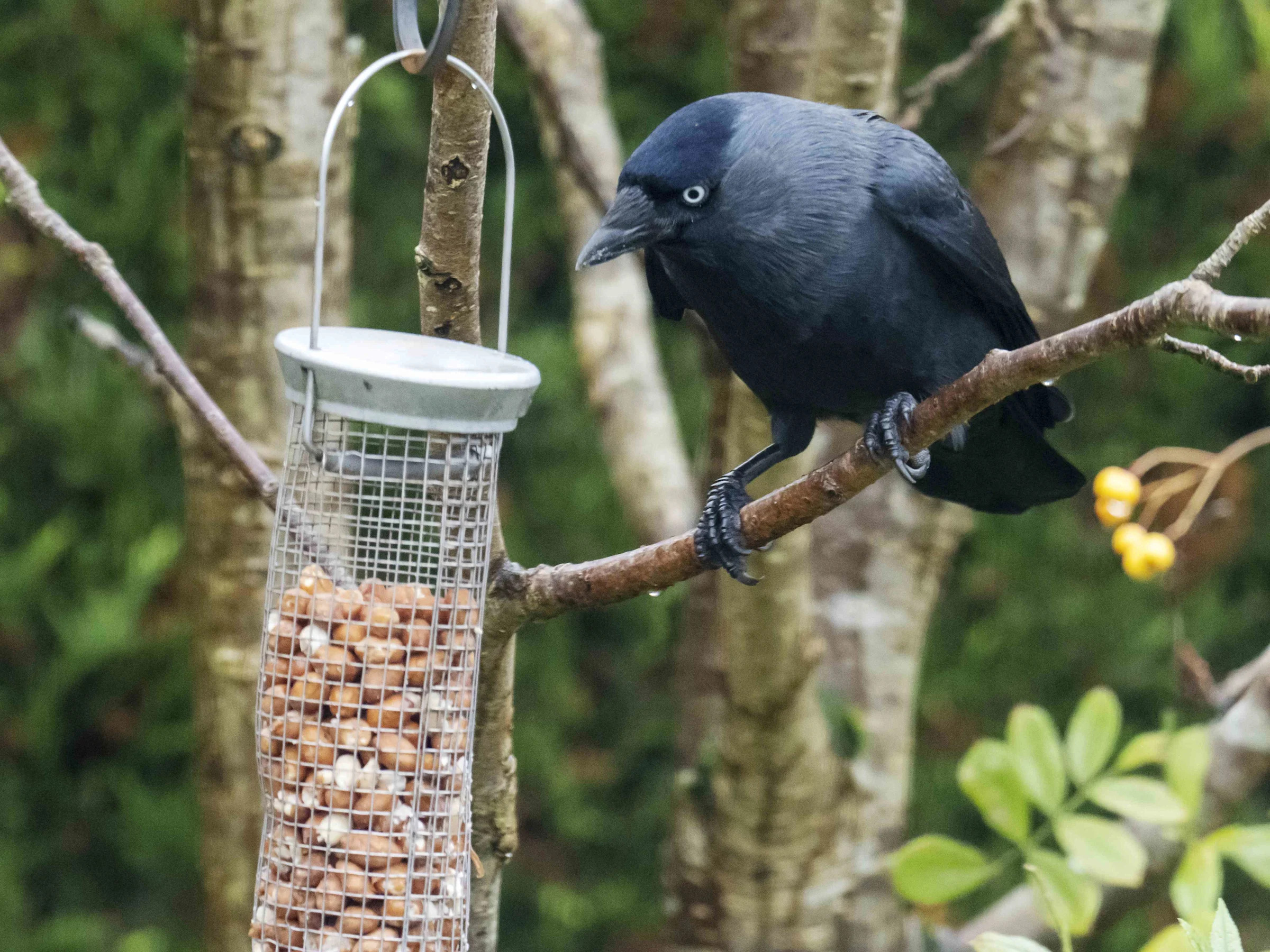
Have you ever set up a bird feeder, hoping to see a clever crow join the party, only to find it empty of these smart birds? You might be wondering, “Why don’t crows come to my bird feeder?” It’s frustrating when you provide food, but the crows just don’t show up.
The good news is, there are simple reasons behind this, and small changes you make can invite these curious visitors to your yard. Keep reading to discover what might be keeping crows away and how you can attract them to your feeder with ease.

Credit: www.reddit.com
Crows’ Feeding Preferences
Crows have distinct feeding preferences that influence whether they visit your bird feeder. Understanding what crows like to eat can help you attract them more effectively. Their tastes differ greatly from smaller songbirds, so providing the right foods is key.
Favorite Foods Of Crows
Crows enjoy a varied diet, but they have clear favorites that keep them coming back. They love:
- Meat scraps, especially cooked or raw chicken and beef
- Nuts like peanuts and walnuts
- Fruits such as apples and berries
- Eggs and small insects
- Grains and corn
If your feeder only offers seeds or typical bird feed, it might not appeal to crows. I once switched from sunflower seeds to peanuts and immediately noticed more crow visits. It’s a simple change that makes a big difference.
How Food Type Affects Crow Visits
The type of food you provide can either attract or repel crows. They tend to avoid feeders stocked with small seeds or strictly suet, which are more suited to smaller birds.
Crows prefer larger, protein-rich foods that require problem-solving to access. If you put out a mix of nuts and meat scraps, you’ll likely see more interest. Try offering foods that encourage their natural foraging behavior, like whole peanuts in the shell or chopped fruits.
Have you noticed certain foods attracting specific birds to your feeder? Experimenting with your offerings could reveal what crows find irresistible. Why not test a few different options and watch which ones bring the crows to your yard?
Feeder Placement Issues
If you’ve noticed that crows aren’t visiting your bird feeder, one of the main reasons could be where you’ve placed it. Feeder placement plays a huge role in whether these intelligent birds feel safe and welcome. Crows are cautious and prefer certain environments before they decide to land and feed.
Think about your own comfort zone. Would you approach a dining spot that feels exposed or surrounded by danger? Crows feel the same way and choose locations where they have a clear view and quick escape routes.
Ideal Locations For Attracting Crows
To attract crows, place your feeder in a spot that offers both safety and visibility. Near open spaces like lawns or parks is often ideal because crows like to scan for predators.
Position the feeder near tall trees or utility poles. These provide crows a safe perch to watch for threats and rest between feeding sessions.
- Choose a location with a good line of sight in all directions.
- Ensure the feeder is at least 10-15 feet away from dense bushes where predators might hide.
- Place it high enough to avoid ground predators but accessible for crows.
Have you ever noticed how crows keep a lookout spot nearby when they feed? Matching their natural habits increases your chances of attracting them.
Avoiding Crow Deterrents Near Feeders
Even if your feeder is in a good spot, nearby deterrents can scare crows away. Loud noises, reflective surfaces, or motion-activated devices can make crows uneasy.
Keep the area around the feeder calm and free from sudden disturbances. Avoid placing feeders near birdhouses for smaller birds, as crows may avoid areas with aggressive species or territorial disputes.
- Remove shiny objects like mirrors or reflective garden decor nearby.
- Limit the use of scare devices that might intimidate crows.
- Check for frequent human or pet activity that could cause stress.
Have you considered that something as simple as a noisy air conditioner or barking dog might be why crows avoid your feeder? Adjusting these factors could change everything.
Environmental Factors
Environmental factors play a big role in why crows may avoid your bird feeder. These factors influence crow habits and presence. Changes in nature, weather, and seasons all affect crow behavior. Understanding these can help explain their absence.
Seasonal Changes And Crow Activity
Crow activity shifts with the seasons. In spring and summer, they focus on nesting and raising young. They may visit feeders less during these times. In fall and winter, crows search more for food sources.
Migration patterns also affect crow visits. Some crows move to warmer areas in winter. This reduces the number of crows near your feeder. Seasonal food availability in the wild influences their choices.
Impact Of Weather On Crow Behavior
Weather changes can alter crow feeding habits quickly. Rain and strong winds make crows less active. They prefer to stay in sheltered spots during bad weather. Snow cover may hide natural food, encouraging feeder visits.
Extreme heat can also keep crows away. They tend to be more active during cooler parts of the day. Sudden weather shifts might disrupt their regular feeding routines.

Credit: www.reddit.com
Competition From Other Birds
Competition from other birds can play a big role in why crows might avoid your bird feeder. Birds often guard their feeding spots, and some species are more aggressive or dominant than crows. This can create an uncomfortable environment that discourages crows from stopping by.
Dominant Species At Your Feeder
Some birds naturally take charge at feeders. Species like blue jays, woodpeckers, or even aggressive sparrows can dominate the space. If these birds are frequent visitors, they might chase away crows to keep the food to themselves.
Think about your feeder’s visitors. Are there any birds that seem to act like the “bosses”? These dominant species often control access, which could explain why crows stay away.
How Crow Interactions Affect Visits
Crows are smart and social, but they don’t like unnecessary fights. If they’ve had negative encounters with other birds at your feeder, they might simply avoid it. Crow behavior changes based on past experiences with competition.
Have you noticed crows hanging around but not landing? They might be watching to find a safer moment to grab food or waiting for other birds to leave. Understanding these interactions can help you adjust your feeding setup to welcome crows.
Human Activities And Disturbances
Human activities can make bird feeders less inviting for crows. These smart birds notice sounds and movements around feeders easily. They prefer places where they feel safe and calm. Disturbances can scare them away and keep them from visiting.
Noise And Movement Around Feeders
Loud noises near feeders can frighten crows. Sounds like barking dogs, lawnmowers, or loud talking make them nervous. Even quick movements by people or children can cause crows to avoid the area.
Crows watch for sudden changes and may fly off at the first sign of trouble. A quiet and still environment helps them feel secure. Reducing noise and movement near feeders encourages crows to come closer.
Effects Of Pets And Predators
Pets like cats and dogs often scare crows away from feeders. Crows see these animals as threats and keep their distance. The presence of other predators, such as hawks or owls, also makes crows cautious.
Crows prefer feeders in places where they can spot danger early. If pets roam freely near feeders, crows may avoid that spot. Keeping pets away from feeders helps create a safer space for crows to visit.
Using Crow-attracting Strategies
Attracting crows to your bird feeder requires smart strategies. Crows are intelligent and cautious. They prefer certain types of feeders and foods. Understanding their habits helps create a welcoming spot for them. Using the right feeders and food can make a big difference. Below are key tips to start attracting crows.
Types Of Feeders That Appeal To Crows
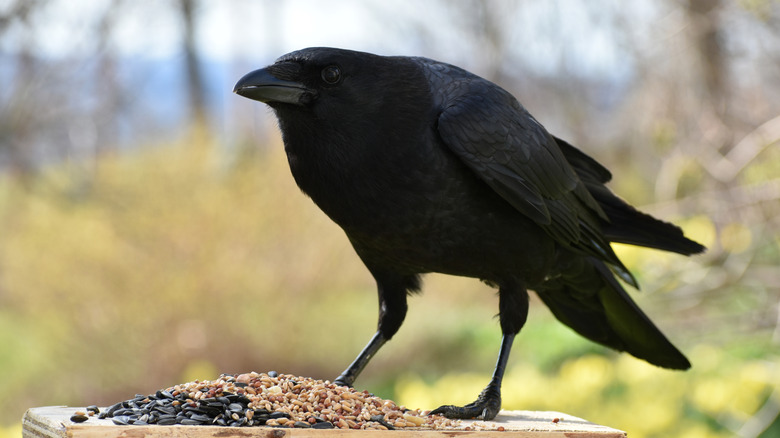
Crows like large, sturdy feeders that hold bigger food items. They avoid small, delicate feeders meant for tiny birds. Open platform feeders work well. They offer space for crows to land and eat comfortably. Tube feeders with large openings can also attract crows if filled properly.
- Platform feeders with flat surfaces
- Large hopper feeders
- Tube feeders with wide ports
Feeders placed in open areas give crows clear sightlines. They prefer spots where they can watch for danger easily. Avoid placing feeders too close to dense bushes or noisy areas.
Food And Water Tips For Luring Crows
Crows enjoy a variety of foods. Offer high-protein and high-fat items to catch their interest. Peanuts, unsalted and in the shell, are a favorite. Corn, sunflower seeds, and small pieces of meat also work well. Rotting fruit can attract crows too, as they scavenge for different food sources.
- Peanuts in shell
- Cracked corn
- Sunflower seeds
- Small meat scraps
- Rotting or fresh fruit pieces
Fresh water attracts crows for drinking and bathing. Place a shallow water dish near the feeder. Keep the water clean and refill it regularly. Crows appreciate a reliable water source especially in dry weather.
Credit: www.outdoorguide.com
Frequently Asked Questions
Why Don’t Crows Visit My Bird Feeder?
Crows may avoid feeders due to food type or feeder design. They prefer peanuts, corn, or meat scraps. Also, feeders placed near human activity or predators deter crows. Providing suitable food and a safe, quiet location increases crow visits.
What Food Attracts Crows To Feeders?
Crows are attracted to peanuts, cracked corn, sunflower seeds, and meat scraps. They prefer high-protein and calorie-rich foods. Avoid small seeds like millet, as crows usually ignore them. Offering these foods encourages crows to frequent your feeder.
How Can I Make My Feeder Crow-friendly?
Place feeders in open areas with good visibility. Use platform or tray feeders, as crows prefer space to land. Avoid noisy or crowded spots. Provide a variety of preferred foods like nuts and corn to attract crows.
Do Crows Avoid Certain Feeder Types?
Yes, crows avoid tube feeders designed for small birds. They prefer large, open feeders like platforms or trays. Feeders with small perches or restricted access deter crows. Choose feeders that accommodate their size and feeding habits.
Conclusion
Crows may avoid your feeder for simple reasons. They prefer open spaces and larger food sources. Try offering peanuts or corn on the ground. These attract crows better. Also, keep the area clean and safe from predators. Observe crow behavior in your yard.
It helps understand their needs. Patience is key. Crows are intelligent and cautious. They might take time to trust your feeder. Keep experimenting with different foods. Soon, crows might visit your feeder regularly. Enjoy watching these clever birds. They bring unique charm to your backyard.