
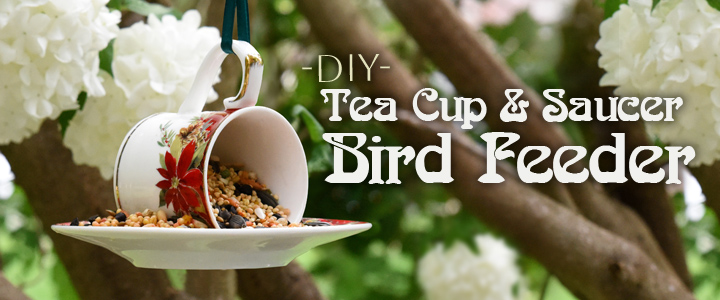
If you love watching birds visit your garden, making your own bird feeder saucer is a fun and rewarding project you’ll enjoy. Imagine having a simple, beautiful feeder that attracts colorful birds right to your window or backyard.
You don’t need fancy tools or expensive materials—just a few easy steps that anyone can follow. By the end of this guide, you’ll have a custom feeder that not only feeds the birds but also adds charm to your outdoor space.
Ready to create something special for your feathered friends? Let’s get started!
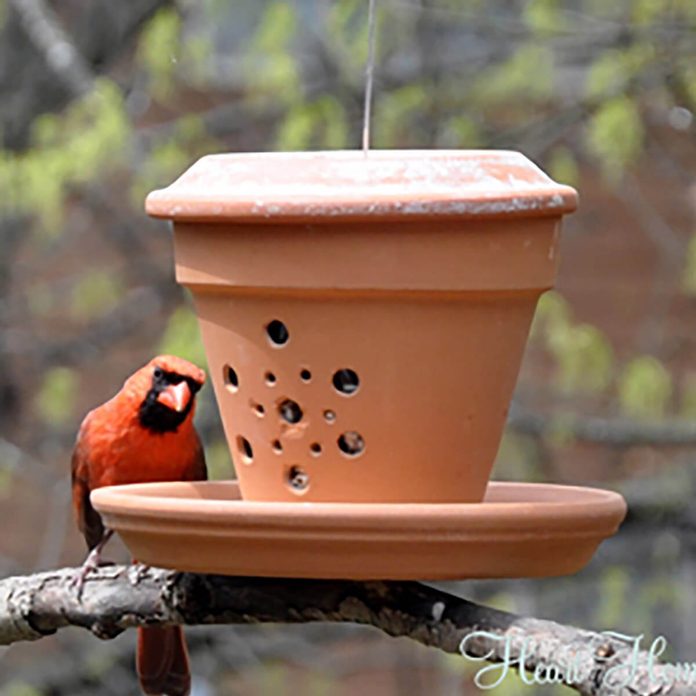
Credit: www.familyhandyman.com
Materials Needed
Gathering the right materials sets the foundation for a successful bird feeder saucer project. Having all items ready makes the process smooth and enjoyable. Focus on quality supplies that are safe for birds and durable outdoors.
Choosing The Right Saucer
- Pick a shallow, wide saucer to hold seeds and water.
- Ceramic, plastic, or metal saucers work well.
- A saucer around 6 to 8 inches wide suits most bird sizes.
- Look for saucers with a slight lip to prevent seed spillage.
- A lightweight saucer is easier to hang or mount.
Essential Tools
- Strong string or thin wire for hanging the feeder.
- Drill or screwdriver to make holes in the saucer.
- Sandpaper to smooth rough edges.
- Scissors or wire cutters to trim string or wire.
- Waterproof glue or sealant for extra durability.
Optional Decorations
- Non-toxic paint or markers to add color.
- Small stones or beads to decorate the edge.
- Natural twine or ribbon for a rustic look.
- Seashells or small wooden shapes for charm.
- Clear sealant to protect decorations from weather.
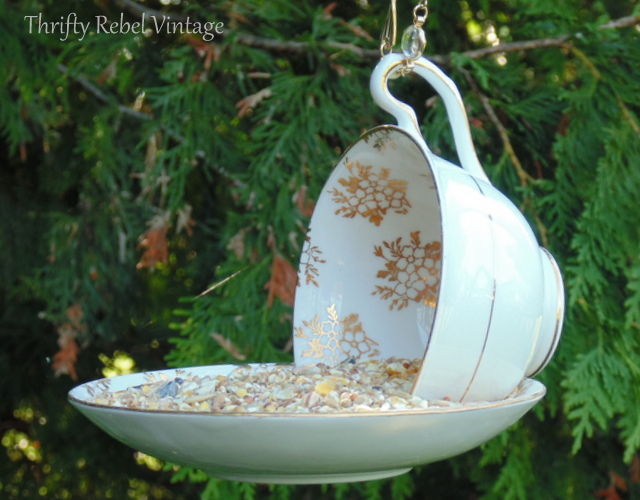
Credit: colormethrifty.com
Preparing The Saucer
Preparing the saucer is a crucial step before turning it into a bird feeder. It ensures your feeder is safe, clean, and ready to welcome birds. Taking the time to prepare your saucer properly can make a big difference in how long your feeder lasts and how much the birds enjoy it.
Cleaning And Drying
Start by thoroughly cleaning the saucer. Use warm, soapy water to remove dirt, dust, or any leftover residues from previous use.
Rinse it well to make sure no soap is left behind. Soap residue can be harmful to birds. After cleaning, dry the saucer completely. A dry surface helps prevent mold and keeps the birdseed fresh longer.
Have you ever noticed birds avoiding dirty feeders? Keeping the saucer clean invites more visitors to your backyard.
Drilling Drainage Holes
Next, drill small drainage holes in the bottom of the saucer. This step is essential to prevent water from pooling inside. Standing water can spoil the birdseed and attract unwanted pests.
Use a drill bit suitable for the saucer’s material—glass, ceramic, or plastic. If you’re using a ceramic saucer like I did, place a cloth underneath to avoid cracks while drilling. Make sure the holes are evenly spaced for proper drainage.
Think about how you want the feeder to handle rain or watering. Good drainage keeps the birds’ food dry and fresh, encouraging them to come back often.
Attaching The Hanging Mechanism
Attaching the hanging mechanism is a key part of making a bird feeder saucer. The feeder must hang securely to keep birds safe. It also needs to stay steady in wind and rain. A strong, well-attached hanging system helps the feeder last longer. This section explains how to select hooks or wires and secure them properly.
Selecting Hooks Or Wires
Choose hooks or wires that hold the feeder’s weight. Metal hooks resist rust and last longer outside. Thin wires may bend or break easily. Thick wire or sturdy hooks work best. Look for hooks with a closed loop to avoid slipping. Avoid weak plastic parts. These can break quickly in bad weather.
- Use stainless steel or coated metal hooks.
- Pick wire that is thick and rust-resistant.
- Choose closed-loop hooks for safety.
- Avoid plastic or weak materials.
Securing The Hanging Parts
Attach hooks or wires firmly to the saucer. Drill small holes near the saucer’s edge. Thread wire through these holes. Twist wire tightly to hold the feeder. Use pliers to secure twists. If using hooks, screw them into the saucer’s edge. Check that hooks or wire loops face upward.
Test the hanging system by gently pulling the feeder. It should not move or loosen. Add extra twists or tighten hooks if needed. Make sure all parts stay in place without wobbling. A secure hanging mechanism keeps birds safe and feeder stable.
Adding Bird Food
Adding bird food to your feeder saucer is where the magic begins. Choosing the right food invites a variety of birds to your backyard, creating a lively and colorful scene. But it’s not just about filling the saucer; it’s about offering food that keeps birds coming back day after day.
Best Seeds For Different Birds
Different birds prefer different seeds, and knowing what to offer can make your feeder a hotspot for local wildlife. Here’s a quick guide to help you select the right seeds:
- Sunflower seeds:Attracts cardinals, chickadees, and finches. Black oil sunflower seeds are especially popular.
- Millet:Loved by ground-feeding birds like sparrows and doves. White proso millet works well.
- Nyjer (thistle) seeds:Perfect for finches, especially goldfinches. These tiny seeds require a fine mesh feeder but can be spread sparingly on your saucer.
- Cracked corn:Appeals to larger birds such as jays and doves. Use it sparingly to avoid attracting unwanted pests.
- Peanuts:Great for woodpeckers and nuthatches. Ensure they are unsalted and chopped or whole depending on the bird size.
Have you noticed which birds visit your yard most? Tailoring the seed mix to their preferences can turn your saucer into a favorite dining spot.
Keeping Food Fresh
Freshness matters. Wet or moldy seeds can harm birds and discourage visits. Make sure to clean your saucer regularly and replace old food.
If you live in a humid area, consider adding your seeds in small amounts daily to avoid spoilage. You might also want to place the feeder in a shaded area to keep the seeds dry and fresh longer.
Do you check your feeder daily? Even a quick glance can help you spot stale food before it becomes a problem. Keeping food fresh shows you care about your feathered friends’ health and encourages them to keep coming back.
Placing And Hanging The Feeder
Placing and hanging your bird feeder saucer correctly helps attract more birds. It also keeps them safe while they eat. Choose a spot that is easy to see and reach for refilling. Consider the comfort and safety of the birds. Make sure the feeder is stable and secure to avoid accidents.
Ideal Locations
- Pick a quiet area with good visibility from windows.
- Place the feeder near shrubs or trees for shelter.
- Choose a spot with some shade to protect birds from heat.
- Keep the feeder away from busy walkways or noisy areas.
- Ensure the feeder is at least 5 feet above the ground.
Safety Tips
- Hang the feeder on a sturdy branch or hook.
- Use weather-resistant materials to prevent damage.
- Keep the feeder away from places where cats can reach.
- Clean the feeder regularly to stop mold and bacteria.
- Check the hanging mechanism often to avoid falls.
Maintaining The Bird Feeder
Keeping your bird feeder saucer in good shape is key to attracting healthy, happy birds to your yard. A well-maintained feeder not only extends its life but also prevents the spread of diseases among birds. Taking a little time regularly to care for your feeder can make a big difference in your birdwatching experience.
Regular Cleaning
Cleaning your bird feeder saucer often prevents mold, bacteria, and leftover food buildup. Use warm water and mild soap to scrub the saucer gently, avoiding harsh chemicals that could harm birds. Rinse thoroughly and let it dry completely before refilling.
Try to clean the feeder at least once a week, especially during wet weather when moisture can cause seeds to spoil quickly. If you notice any sticky or slimy residue, clean it immediately to keep birds safe. Have you noticed how much more active birds are when the feeder is fresh and clean?
Seasonal Adjustments
Adjust your feeder care routine depending on the season to meet the birds’ changing needs. In hot weather, clean the saucer more frequently to prevent seed mold and spoilage. During winter, check for ice buildup and clear it so birds can easily access the food.
Consider switching seed types with the seasons, like offering high-energy seeds in colder months. Also, move your feeder to a sheltered spot during strong winds or heavy rain to protect it. What changes can you make this season to better support your feathered visitors?

Credit: www.daintydressdiaries.com
Frequently Asked Questions
How Do I Make A Bird Feeder Saucer At Home?
To make a bird feeder saucer, gather a shallow dish, birdseed, and string. Attach the string to the dish’s edges to hang it. Fill the saucer with birdseed and hang it outside where birds can easily access it.
What Materials Work Best For Bird Feeder Saucers?
Shallow dishes made of plastic, ceramic, or metal work best. Ensure they are lightweight and weather-resistant. Avoid materials that can easily break or rust to keep birds safe and the feeder durable.
How Do I Hang A Bird Feeder Saucer Safely?
Tie strong string or twine securely around the saucer’s edge. Hang it from a tree branch or hook at a safe height. Ensure it’s stable and away from predators like cats to protect visiting birds.
What Birdseed Is Ideal For Saucer Feeders?
Use a mix of sunflower seeds, millet, and cracked corn. These attract a variety of birds. Avoid seeds that spoil quickly or are not favored by local birds to keep your feeder inviting.
Conclusion
Creating a bird feeder saucer is a rewarding project. It invites nature to your backyard. Birds bring joy and color to any space. Plus, they help with pest control. Building a feeder is simple and fun. Use materials you have at home.
Recycled items work great. Share the experience with family or friends. Enjoy watching the birds gather. A little effort goes a long way. Your saucer feeder can make a difference. It supports local wildlife and adds charm. So, start today.
Enjoy the beauty and sounds of nature.