
Have you ever stopped to watch birds flutter around your garden or park? Feeding birds isn’t just a simple act—it connects you to nature in a way that feels comforting and rewarding.
But why do so many people choose to feed birds regularly? What benefits does it bring to you, the birds, and even the environment? If you’ve ever wondered about these questions or felt a special joy watching birds visit your home, this article will reveal the surprising reasons behind why we feed birds—and why you might want to start, or keep, this beautiful habit.
Keep reading to discover how a small act can create big, positive changes for you and the world around you.

Credit: www.amazon.com
Boosting Local Ecosystems
Feeding birds helps local ecosystems stay healthy and balanced. Birds play many important roles in nature. They help control pests and support plant growth. By feeding birds, people encourage these natural benefits in their neighborhoods.
Birds As Natural Pest Controllers
Birds eat many insects that harm plants and crops. They reduce the need for chemical pesticides. This keeps the environment cleaner and safer for all animals. Small birds like sparrows and finches catch bugs daily. This natural pest control protects gardens and farms from damage.
Pollination And Seed Dispersal
Some birds help plants reproduce by spreading pollen and seeds. Hummingbirds, for example, move pollen from flower to flower. Other birds eat fruits and spread seeds through their droppings. This helps new plants grow in different places. Feeding birds supports this vital process, boosting plant diversity.
Enhancing Mental Well-being
Feeding birds offers more than just a chance to observe wildlife. It also supports mental health by promoting calmness and focus. This simple act invites moments of peace and joy throughout the day. Watching birds can brighten moods and ease busy thoughts.
Stress Reduction Through Birdwatching
Birdwatching helps lower stress levels quickly. Observing birds in flight or at feeders shifts attention away from worries. It creates a calm space for the mind to relax and reset. The gentle sounds and movements of birds soothe anxiety. Spending even a few minutes watching birds can improve mood and reduce tension.
Connecting With Nature Daily
Feeding birds builds a daily link to the natural world. This connection refreshes the mind and body. Nature exposure boosts feelings of happiness and well-being. Regular contact with birds encourages mindfulness and presence. It also inspires gratitude for simple, natural beauty. This ongoing interaction strengthens mental resilience over time.
Supporting Bird Populations
Supporting bird populations is more than a kind gesture; it plays a crucial role in maintaining the balance of local ecosystems. When you feed birds, you actively help them survive and thrive, especially during times when natural food sources are scarce. This simple act can make a significant difference in the health and diversity of bird communities around you.
Helping Birds During Harsh Seasons
Harsh seasons like winter and early spring can be tough on birds. Food sources become limited, and cold weather increases their energy needs. By providing reliable food, you help birds conserve energy and survive these challenging times.
I once noticed fewer birds in my garden during a particularly cold winter. After setting up a feeder with seeds and suet, the variety and number of birds increased significantly. This experience showed me how a small action can provide vital support when nature is less forgiving.
Think about the types of food you offer. High-energy options like sunflower seeds, peanuts, and suet cater to different bird species and their specific needs during cold months. Could your backyard become a safe haven for birds facing harsh conditions?
Encouraging Biodiversity In Urban Areas
Urban environments often lack natural habitats, limiting the variety of bird species that can live there. Feeding birds introduces new food sources, attracting different species and increasing biodiversity in your neighborhood. This diversity benefits not only birds but also the overall health of your local ecosystem.
Adding native plants along with feeders creates an inviting space for birds and insects alike. The mix of natural food and supplemental feeding supports a wider range of species. Have you noticed how diverse your neighborhood’s wildlife becomes when you add simple feeding stations?
Encouraging biodiversity also helps control pests naturally and promotes pollination. Feeding birds can transform your outdoor space into a lively ecosystem. Are you ready to see your urban garden come alive with color and song?
Educational Opportunities
Feeding birds opens up a world of educational opportunities right in your backyard. It allows you to observe nature closely and learn about different species and their behaviors. This hands-on experience can be especially valuable for children, sparking their curiosity and teaching them about the environment.
Learning About Bird Species
When you feed birds, you quickly notice the variety of species that visit your feeder. Each bird has unique colors, shapes, and habits that make identification exciting. You can keep a journal or use apps to track which birds come by and when.
Recognizing different birds helps you understand their roles in the ecosystem. For example, woodpeckers control insect populations, while hummingbirds assist with pollination. This knowledge turns simple bird feeding into a meaningful learning experience.
Inspiring Curiosity In Children
Children naturally ask questions about the world around them, and bird feeding provides endless topics to explore. Watching birds up close invites questions like, “Why do some birds have long beaks?” or “Where do they go in winter?”
Answering these questions together encourages critical thinking and research skills. You might even create fun activities like drawing birds or building simple feeders, making learning interactive and fun.
Have you noticed how a child’s excitement grows when they spot a rare bird? Feeding birds can turn your outdoor space into a classroom that inspires a lifelong love of nature.
Building Community Connections
Feeding birds is more than a hobby. It brings people together and builds strong community ties. Sharing a love for birds creates connections among neighbors and friends. These shared moments help people learn and enjoy nature together. Communities grow closer through simple acts like feeding birds.
Sharing Birdfeeding Tips
People often exchange advice on feeding birds. This sharing helps beginners and experts alike. Tips include what seeds to use and how to keep feeders clean. Sharing knowledge improves the experience for everyone involved. It also encourages more people to start feeding birds.
Organizing Local Birdwatching Events
Communities often plan birdwatching events to connect with nature. These gatherings invite people of all ages and skill levels. Events provide a chance to learn about local bird species. They also create a friendly environment to meet new people. Birdwatching walks, talks, and competitions make communities stronger.

Credit: www.allaboutbirds.org
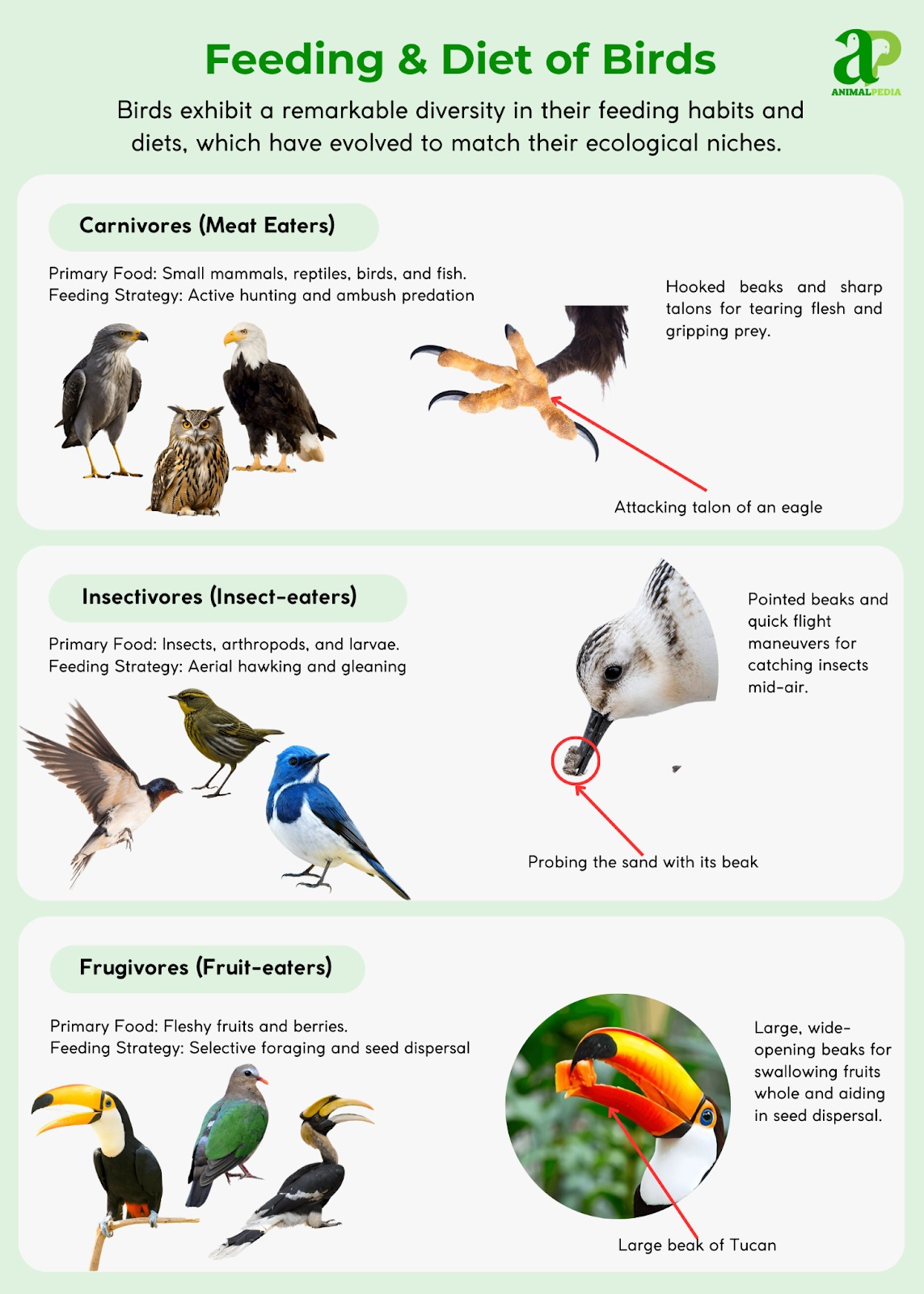
Credit: animal-pedia.org
Frequently Asked Questions
Why Do People Feed Birds In Urban Areas?
People feed birds in urban areas to support wildlife amid habitat loss. It helps birds find food easily and promotes biodiversity in cities.
How Does Feeding Birds Benefit Local Ecosystems?
Feeding birds boosts their survival and reproduction rates. Healthy bird populations control pests and pollinate plants, maintaining balanced ecosystems.
What Types Of Food Are Safe For Feeding Birds?
Safe bird foods include seeds, nuts, fruits, and suet. Avoid bread, processed foods, or anything salty to protect bird health.
Can Feeding Birds Affect Their Natural Foraging Behavior?
Feeding birds may reduce their natural foraging but usually supports them during food shortages. Balance feeding with habitat preservation for best results.
Conclusion
Feeding birds brings joy and connection to nature. It enriches our lives daily. By providing food, we support local bird populations. They benefit, and so do we. Watching birds can be a peaceful hobby. It reduces stress and enhances our surroundings.
Birds play vital roles in ecosystems. They control pests and pollinate plants. Our simple act of feeding contributes to this balance. Embrace the beauty of wildlife in your own backyard. Encourage others to join in. Together, we can make a positive impact on nature.
Feeding birds is a small step with big rewards.