
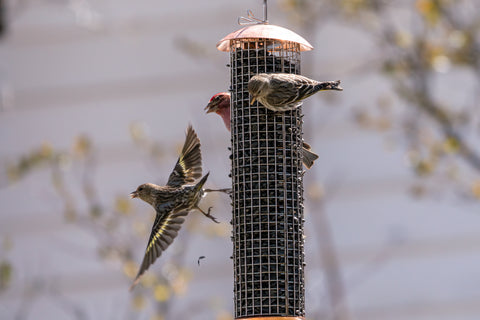
Are you wondering what to fill your mesh bird feeder with to attract the most beautiful birds to your yard? Choosing the right food can make all the difference in bringing colorful, lively visitors right to your window.
Whether you want to welcome small songbirds or larger feathered friends, knowing what to put in your feeder will keep them coming back day after day. Keep reading to discover the best options that will turn your garden into a buzzing haven for birds you’ll love to watch.
Credit: edis.ifas.ufl.edu
Types Of Mesh Bird Feeders
Mesh bird feeders come in several types designed for different bird feeding styles. Each type suits specific bird species and feed varieties. Choosing the right mesh feeder helps attract more birds to your garden.
Tube Style Feeders
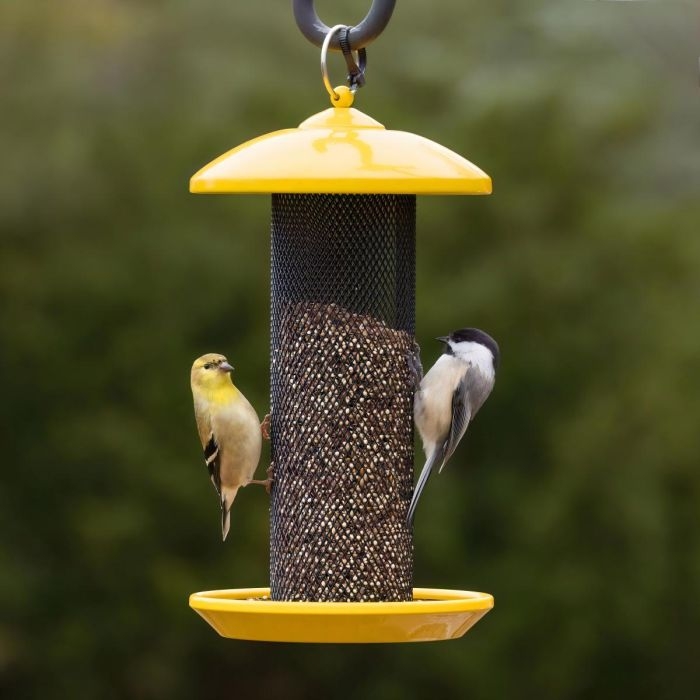
Tube style feeders have a long, narrow shape with mesh sides. They hold small seeds like nyjer or sunflower seeds. Birds cling to the mesh to eat easily. This feeder is great for finches and chickadees. The mesh allows air to flow, keeping seeds fresh.
Suet Cage Feeders
Suet cage feeders are square or rectangular mesh cages. They hold suet cakes made of fat and seeds. Woodpeckers, nuthatches, and other suet lovers visit these feeders. The mesh lets birds peck at the suet safely. It works well in colder months for energy-rich food.
Hopper Feeders
Hopper feeders combine a mesh design with a seed storage compartment. Birds feed from the bottom where mesh panels allow access. These feeders hold larger amounts of mixed seed. They attract many bird types like sparrows, cardinals, and doves. The mesh sides provide ventilation to prevent mold.

Credit: www.livingwithbirds.com
Popular Seeds For Mesh Feeders
Choosing the right seeds for your mesh bird feeder attracts a variety of birds. Different seeds appeal to different species. Filling your feeder with popular seeds ensures more bird visits. Here are some common seeds loved by many birds.
Black Oil Sunflower Seeds
Black oil sunflower seeds are the top choice for many birdwatchers. They have thin shells, making them easy to crack. These seeds attract cardinals, chickadees, and finches. High in fat, they provide great energy for birds.
Nyjer (thistle) Seeds
Nyjer seeds are tiny and rich in oil. They attract small birds like finches and siskins. Nyjer works well in mesh feeders designed for small seeds. The seeds do not spill easily, keeping your feeding area clean.
Safflower Seeds
Safflower seeds have a thick, bitter shell that many squirrels avoid. Cardinals and grosbeaks enjoy these seeds. They are a good option if squirrels are a problem. Safflower seeds add variety to your bird feeder mix.
Millet
Millet is a favorite for ground-feeding birds like doves and sparrows. White proso millet is the most common type used. It is small and easy for birds to eat. Millet spreads well in mesh feeders, inviting many birds.
Cracked Corn
Cracked corn attracts larger birds such as jays and ducks. It is also good for feeding ground-feeders. Corn is inexpensive and easy to store. Use cracked corn in moderation to avoid mold and spoilage.
Attracting Different Bird Species
Attracting different bird species to your mesh bird feeder depends largely on what you fill it with. Each type of bird prefers specific seeds, and choosing the right ones can turn your feeder into a bustling birdwatching spot. Understanding these preferences lets you create a welcoming environment for a variety of feathered visitors.
Finches And Nyjer Seeds
Finches are particularly drawn to nyjer seeds, also called thistle seeds. These tiny, oil-rich seeds fit perfectly into mesh feeders, making them ideal for finch feeding. If you want to see a flurry of colorful finches, filling your mesh feeder with nyjer is a smart move.
Cardinals And Sunflower Seeds
Bright red cardinals love sunflower seeds, especially the black oil variety. These seeds offer high oil content and a thin shell, which cardinals can easily crack open. Adding sunflower seeds to your mesh feeder can attract these bold, beautiful birds to your yard.
Woodpeckers And Safflower
Woodpeckers prefer safflower seeds, which have a tough outer shell. These birds enjoy the challenge of cracking open safflower, plus it helps keep squirrels away since many squirrels avoid this seed. Use safflower in your mesh feeder to invite woodpeckers and reduce unwanted visitors.
Sparrows And Millet
Sparrows tend to favor millet, especially white proso millet. Millet is easy to eat and widely appealing to small ground-feeding birds like sparrows. Filling your mesh feeder with millet encourages these social birds to visit more often and adds variety to your birdwatching.
Seed Quality And Storage Tips
Seed quality plays a big role in attracting birds to your mesh feeder. Fresh, clean seeds offer better nutrition and taste. Proper storage keeps seeds safe from moisture and pests. Good habits extend seed life and protect birds from harm.
Choosing Fresh Seeds
Pick seeds that look clean and dry. Avoid seeds with dust or broken shells. Fresh seeds have a strong, natural smell. Check the expiration date on bags. Using fresh seeds helps birds stay healthy.
Proper Seed Storage
Store seeds in a cool, dry place. Use airtight containers to keep moisture out. Avoid places with direct sunlight or high heat. Label containers with the purchase date. This keeps seeds fresh longer and prevents spoilage.
Avoiding Mold And Pests
Inspect seeds regularly for signs of mold or insects. Moldy seeds can harm birds and cause illness. Keep storage areas clean and dry to stop pests. Dispose of old or contaminated seeds immediately. This protects your feeder and the birds feeding there.
Seasonal Seed Choices
Choosing the right seeds for your mesh bird feeder depends on the season. Birds have different dietary needs throughout the year. Offering seasonal seeds helps attract a variety of birds and supports their health. This guide covers the best seed options for winter, spring and summer, and fall.
Winter Feeding Options
During cold months, birds need high-energy foods. Seeds with lots of fat help them stay warm. Black oil sunflower seeds are a top choice. They have thin shells and high oil content. Suet pellets and peanuts also provide extra energy. Avoid wet or moldy seeds as they can harm birds.
Spring And Summer Seeds
Birds eat more insects in warmer months but still need seeds. Offer lighter seeds like millet and nyjer. These seeds attract finches and sparrows. Fresh seeds support breeding and chick growth. Keep the feeder clean to prevent disease during this season.
Fall Seed Varieties
Birds prepare for migration and colder weather in fall. Provide seeds high in fat and protein. Sunflower seeds, safflower, and cracked corn work well. These seeds build bird fat stores for energy. Changing seed types as the season shifts helps birds adapt.
Mixing Seeds For Variety
Mixing seeds in your mesh bird feeder can turn a simple feeding spot into a vibrant gathering place for a variety of birds. Offering a blend of seeds invites more species to visit, making your backyard more lively and interesting. How do you decide which seeds to mix for the best results?
Creating Custom Blends
Start by choosing seeds that attract different types of birds. Black oil sunflower seeds are a favorite for many species due to their high oil content and thin shells, making them easy to eat. Adding millet or cracked corn can bring in smaller birds like sparrows and doves.
Think about the birds you want to attract and their feeding habits. Mix in some safflower seeds to deter squirrels or nyjer seeds to invite finches. Creating your own blend lets you control the variety and ensures the feeder stays interesting to different visitors.
Benefits Of Seed Mixes
Using a mix of seeds provides balanced nutrition for birds and encourages them to stay longer. A varied diet supports different energy needs and helps birds thrive throughout the year. Plus, a diverse seed mix reduces the chance of birds becoming bored with the feeder.
Mixes also help you avoid feeding only one type of bird, which can sometimes lead to aggressive behavior. When multiple species share a feeder, your backyard becomes a more peaceful and dynamic environment. Have you noticed how your birdwatching experience improves with a variety of visitors?
Avoiding Seed Waste
Seed waste happens when birds pick out their favorites and leave the rest behind. To prevent this, observe which seeds your local birds prefer and adjust your blend accordingly. Removing seeds that go uneaten saves you money and keeps your feeder cleaner.
Another tip is to fill the feeder with smaller amounts more frequently instead of overfilling. Fresh seed encourages birds to eat what’s available and reduces spoilage. What’s your experience with seed waste—have you found a blend that works well in your area?
Common Mistakes To Avoid
Filling a mesh bird feeder might seem straightforward, but there are common mistakes that can reduce its effectiveness and even harm the birds you want to attract. Avoiding these pitfalls ensures your feeder stays inviting and safe, making your bird-watching experience much more rewarding. Let’s look at some of the key errors to watch out for.
Overfilling Feeders
It’s tempting to fill your mesh feeder to the brim, but overfilling can lead to wasted seed and attract unwanted pests like squirrels or rodents. Excess seed often falls to the ground, creating a messy area that can become a breeding ground for mold and bacteria.
Try filling your feeder just enough to last a few days. This keeps the seed fresh and reduces the chances of spoilage. Have you noticed how birds prefer fresh seed over stale leftovers?
Using Inappropriate Seeds
Not all bird seeds are suitable for mesh feeders. Larger seeds, like sunflower hearts or cracked corn, can clog the mesh or fall through. Small seeds like nyjer or millet work best as they stick well and are easy for birds to peck through.
Think about the birds you want to attract. Are you providing seeds that match their natural diet? Feeding the wrong seed can discourage your feathered visitors or attract aggressive species instead.
Neglecting Feeder Maintenance
Cleaning your mesh feeder regularly is crucial. Seed debris and bird droppings can build up, leading to mold growth and disease among birds. A dirty feeder not only risks bird health but also reduces the feeder’s lifespan.
Set a schedule to rinse and scrub your feeder every couple of weeks. Have you ever seen how quickly a clean feeder brings in more birds? It’s worth the effort to keep it spotless.
Credit: www.kingsyard.com
Frequently Asked Questions
What Seeds Are Best For Mesh Bird Feeders?
Black oil sunflower seeds are ideal. They attract many bird species. These seeds fit well through the mesh holes. They provide high energy and nutrition for birds.
Can I Fill Mesh Feeders With Fruit Or Nuts?
Yes, small pieces of dried fruit or unsalted nuts work well. Avoid large or wet items to prevent mold and clogging. These treats attract a variety of birds, especially in winter.
How Often Should I Refill A Mesh Bird Feeder?
Refill your mesh feeder every 2-3 days. This keeps food fresh and prevents spoilage. Frequent refilling encourages consistent bird visits. Adjust frequency based on bird activity and weather.
Are Nyjer Seeds Suitable For Mesh Feeders?
Yes, nyjer seeds are perfect for fine mesh feeders. They attract finches and small songbirds. Use a feeder designed for tiny seeds to prevent spillage and waste.
Conclusion
Choosing the right food for a mesh bird feeder matters. Birds need specific seeds to thrive. Sunflower seeds and peanuts attract many species. Nyjer seeds are perfect for finches. Clean your feeder regularly to keep birds healthy. Fresh seeds prevent mold and spoilage.
Remember, each bird prefers different seeds. Experiment to see what works best. Your garden can become a bird haven. Enjoy the sights and sounds of happy birds. Feeding birds connects us to nature. It’s a rewarding hobby. Keep your feeder stocked, and watch the wildlife flourish.
Simple steps make a big difference.