
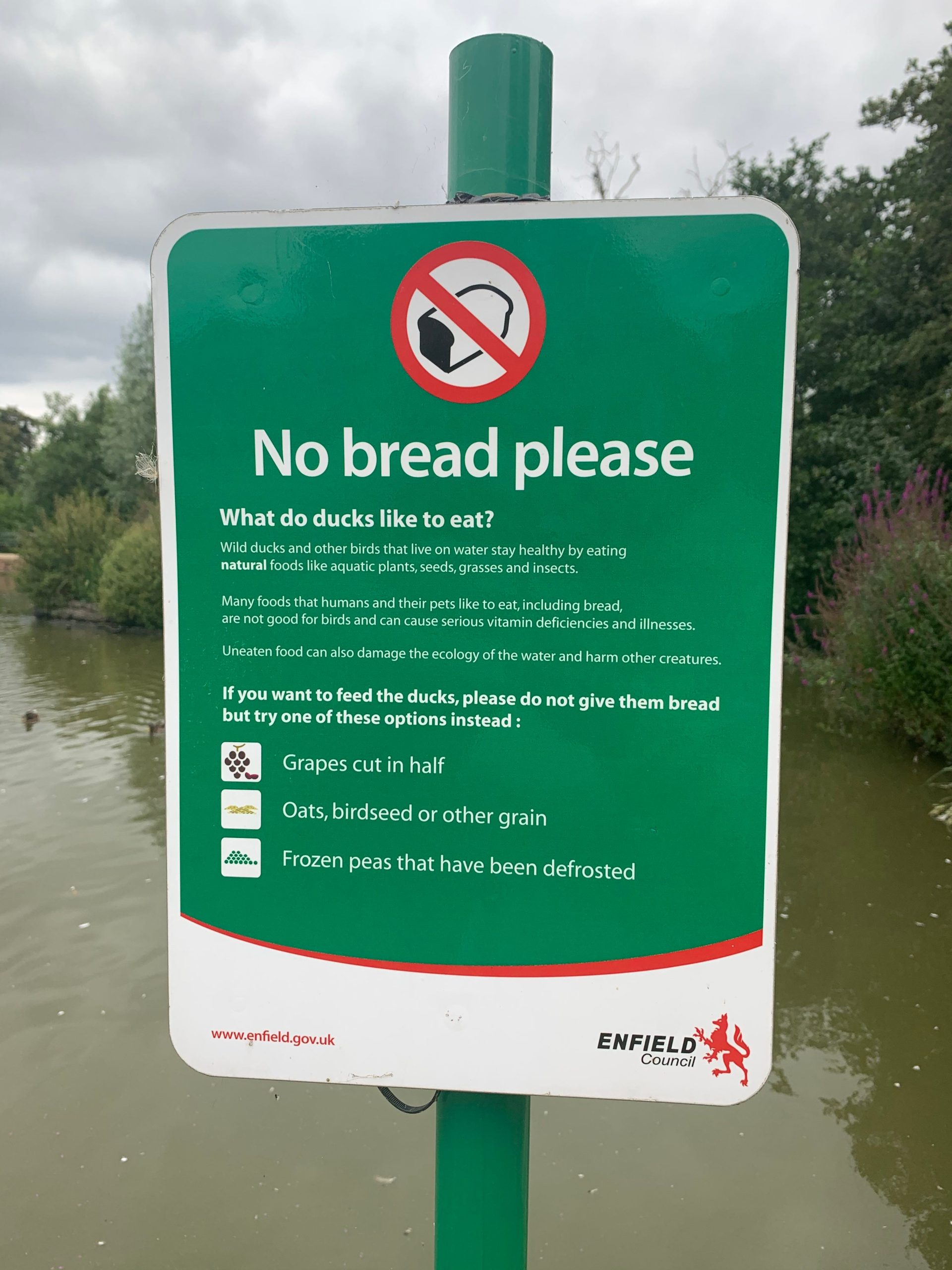
Have you ever tossed a piece of bread to birds in your backyard or at the park? It feels like a simple, kind thing to do.
But have you ever stopped to wonder if feeding birds bread might actually be harmful to them? You might be surprised to learn that something so common could cause real problems for your feathered friends. Keep reading to discover the truth about bread and birds—and find out what you can do to help them stay healthy and happy.

Credit: www.reddit.com
Why People Feed Birds Bread
Feeding birds bread is a common activity many people enjoy, especially in parks or near bodies of water. It often feels like a simple way to connect with nature and provide food to wildlife. But have you ever stopped to think why bread became the go-to choice for feeding birds?
Common Reasons Behind Feeding
Many people feed birds bread because it’s easy and accessible. Bread is usually available at home, making it a convenient option when you want to share a quick snack with birds.
Some believe feeding birds bread helps them survive, especially during colder months or in urban areas where natural food sources may be limited. Others enjoy the calming experience of watching birds gather and eat around them.
Have you noticed how feeding birds often becomes a social activity? Families, children, and even tourists use it as a way to engage with nature and create memorable moments.
Popular Types Of Bread Used
White bread is the most commonly offered type, mainly because it’s soft and breaks apart easily. However, many people also use whole wheat or multigrain bread, thinking these might be healthier options for the birds.
Stale or leftover bread is often preferred since it’s less appealing for human consumption but still seen as suitable for birds. Some people even bring sliced sandwich bread or rolls for feeding.
Have you ever wondered if the type of bread makes a difference to the birds? While the choice varies, the real question is whether bread, in any form, truly supports their health and well-being.
Nutritional Value Of Bread For Birds
Feeding birds bread might seem like a harmless and easy way to interact with wildlife, but understanding its nutritional value is crucial. Bread lacks many of the essential nutrients birds need to stay healthy. Relying on bread as a regular food source can create serious dietary imbalances for them.
Lack Of Essential Nutrients
Bread is mostly made of flour, water, and yeast, which means it contains very little protein, vitamins, or minerals. Birds require a balanced diet rich in nutrients like calcium, iron, and vitamin A to maintain strong bones, feathers, and immune systems.
I once fed bread to a group of ducks, thinking it was a kind gesture. Over time, I noticed many of them seemed lethargic and less active. This experience showed me firsthand how bread fails to meet their dietary needs.
Without essential nutrients, birds may suffer from malnutrition, which affects their growth and ability to fly. You want to help, not harm, so consider foods that provide real nourishment.
Empty Calories And Impact
Bread offers mostly empty calories, meaning it provides energy but little else. This can cause birds to fill up on bread and ignore natural, nutritious foods they need for overall health.
Empty calories can lead to obesity and other health problems in birds. Have you ever wondered why some park birds look overweight and unhealthy? Overfeeding bread might be a reason.
Feeding birds bread regularly can disrupt their natural foraging habits and make them dependent on humans. Instead, try offering seeds, nuts, or fruits that truly benefit their health and energy levels.
Health Risks Of Feeding Bread
Feeding birds bread might seem like a harmless and friendly gesture, but it comes with significant health risks that many people overlook. Bread lacks the nutrients birds need and can lead to serious problems that affect their well-being. Understanding these risks helps you make better choices when feeding birds.
Digestive Problems In Birds
Bread is mostly made of carbohydrates and lacks essential nutrients like protein, vitamins, and minerals. Birds’ digestive systems are not designed to process large amounts of bread, which can cause bloating and constipation. This discomfort often leads to decreased appetite, leaving birds malnourished despite appearing full.
There’s also a condition called “angel wing,” a deformity linked to poor nutrition from bread-heavy diets. It affects the wings’ development, making flying difficult or impossible. Have you noticed birds struggling to fly after being fed bread regularly? This is a clear sign of digestive and nutritional imbalance.
Long-term Effects On Bird Health
Regularly feeding birds bread can weaken their immune systems over time. Without proper nutrients, birds become more vulnerable to diseases and infections. This can lead to shorter lifespans and reduced ability to survive harsh weather or predators.
Additionally, uneaten bread attracts pests and promotes mold growth, which further endangers bird health. Moldy bread can cause fungal infections that are deadly to birds. Next time you reach for that bread slice, ask yourself if you’re helping or harming the birds in your neighborhood.
Environmental Consequences
Feeding birds bread can harm the environment in several ways. Bread often contains additives that do not break down easily. This leftover food causes problems beyond just the birds. It affects water quality and attracts animals that can upset local ecosystems.
Water Pollution And Mold Growth
Bread left near water sources quickly breaks down and pollutes water. Mold grows fast on wet bread, releasing toxins harmful to aquatic life. These toxins reduce oxygen levels, killing fish and other water animals. Polluted water also harms plants around ponds and lakes. This creates an unhealthy environment for many living creatures.
Attracting Unwanted Wildlife
Bread attracts animals like rats, mice, and raccoons. These animals compete with native wildlife for food and space. They can carry diseases that spread to birds and humans. Large numbers of these pests damage local plants and disrupt the balance of nature. Feeding birds bread encourages these unwanted visitors to stay near people.
Better Alternatives To Bread
Bread is a popular choice for feeding birds, but it lacks the nutrients they need. Birds need food that supports their health and energy. Better alternatives provide essential vitamins and minerals. These options keep birds strong and active. Offering the right food helps birds thrive in your garden or park.
Safe Seeds And Grains
Seeds and grains are excellent for feeding birds safely. They contain proteins, fats, and carbohydrates birds require. Some common safe seeds include:
- Sunflower seeds – high in fat and energy
- Millet – small and easy to digest
- Oats – provide good fiber and nutrients
- Cracked corn – a favorite for many bird species
- Safflower seeds – less attractive to squirrels
Offer these seeds in clean feeders or scatter on the ground. Avoid salted or flavored seeds, which can harm birds.
Fruits And Vegetables For Birds
Fresh fruits and vegetables are healthy treats for birds. They add vitamins, water, and fiber to the diet. Suitable choices include:
- Apple slices (without seeds)
- Grapes, halved for easy eating
- Chopped carrots
- Peas and corn kernels
- Berries like blueberries or strawberries
Wash produce well before serving. Remove any parts that birds cannot digest. Avoid citrus fruits, which may be too acidic for some birds.

Credit: www.muranochickenfarm.com
Tips For Feeding Birds Responsibly
Feeding birds can be a joyful way to connect with nature, but it comes with responsibilities that protect both the birds and the environment. How you feed birds matters just as much as what you feed them. Paying attention to simple habits can make your bird-feeding experience safe, healthy, and rewarding.
Proper Feeding Techniques
Choose bird-friendly foods like seeds, nuts, and fruits instead of bread, which lacks essential nutrients and can harm birds. Offer food in small amounts to prevent spoilage and discourage pests.
Place feeders where birds can easily spot them but stay safe from predators. Avoid overcrowding feeders to reduce stress and the spread of disease among birds.
Have you noticed how some birds prefer different types of feeders? Try hanging tube feeders for small songbirds or platform feeders for larger species to cater to various birds effectively.
Maintaining Clean Feeding Areas
Keep feeding spots clean by regularly removing old or moldy food. This prevents birds from getting sick and stops unwanted critters like rats and insects from invading your space.
Wash feeders with hot, soapy water at least once every two weeks. Rinse well to avoid leaving harmful residues that could affect birds.
Consider placing feeders over hard surfaces like concrete or decking instead of soil. This makes cleaning easier and reduces the risk of diseases spreading through contaminated ground.

Credit: www.reddit.com
Frequently Asked Questions
Is Feeding Bread To Birds Harmful?
Yes, feeding bread to birds is harmful. Bread lacks essential nutrients birds need. It can cause malnutrition and health problems. Moldy bread also harms birds. Avoid feeding bread to protect their health.
Why Is Bread Bad For Birds’ Health?
Bread contains little nutritional value and fills birds’ stomachs. This prevents them from eating healthy foods. It can cause obesity and deformities in birds. Additionally, bread molds quickly, which can lead to infections.
What Are Safer Alternatives To Bread For Birds?
Offer birds seeds, nuts, fruits, and vegetables instead. These provide essential nutrients and energy. Commercial bird feed mixes are also good. Avoid processed or salty foods to ensure bird safety.
Can Bread Cause Disease In Wild Birds?
Yes, bread can lead to diseases like “angel wing” in waterfowl. Moldy bread spreads harmful bacteria and fungi. Feeding bread encourages overcrowding and aggression, increasing disease risks among birds.
Conclusion
Feeding birds bread seems harmless, but it can be risky. Bread lacks nutrition needed for birds’ health. Too much bread can make birds sick. It can also attract pests and harm their habitat. Instead, offer seeds or grains. These provide essential nutrients and energy.
Observing proper bird feeding helps nature thrive. Choose wisely for a healthy environment. Remember, small changes can make a big impact. Protecting wildlife starts with simple actions. Be mindful of what you feed. Healthy birds mean a healthy ecosystem. Let’s ensure birds get the right food.
Your actions can help sustain local wildlife.