
Have you ever wondered which birds you can safely feed bread to without harming them? Feeding birds can be a fun and rewarding experience, but not all bread is good for every bird.
If you want to enjoy watching your feathered friends up close and keep them healthy, it’s important to know the right choices. You’ll discover exactly which birds can eat bread and how to do it the right way. Keep reading to learn simple tips that will make your bird-feeding moments safe and enjoyable for both you and the birds.
Bread And Birds: The Basics
Bread is often the first thing people think of when feeding birds. It’s easy to share, widely available, and kids love tossing crumbs in the park. But before you reach for that loaf, understanding the basics about bread and birds can help you make better choices for their health and happiness.
Why Bread Is Controversial
Bread might seem harmless, but it has sparked plenty of debate among bird lovers and wildlife experts. One major concern is that bread offers little to no nutritional benefit to birds, which can lead to malnutrition if it becomes their main food source.
Also, leftover bread can pollute waterways and attract pests, creating environmental problems. Have you ever noticed birds crowding around bread crumbs, ignoring other natural food? That’s a sign they might be relying too much on it, which isn’t good for their wellbeing.
Nutritional Value Of Bread For Birds
Bread mainly consists of carbohydrates, which provide energy but lack essential nutrients like proteins, fats, vitamins, and minerals that birds need. White bread, in particular, is stripped of most nutrients during processing.
Whole grain or seeded bread offers slightly better nutrition but still shouldn’t be a primary food source. Think of bread as a treat, not a meal. You can support birds better by offering foods like seeds, nuts, fruits, and insects, which provide balanced nutrition.
Credit: pethelpful.com
Birds That Can Safely Eat Bread
Not all birds can digest bread safely, but some species handle it better than others. Knowing which birds can eat bread without harm helps you enjoy feeding wildlife responsibly. Here are the birds you can feed bread to without worrying about their health.
Ducks And Geese
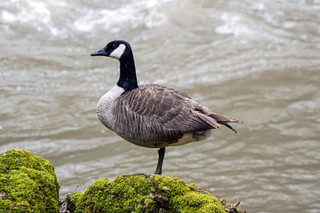
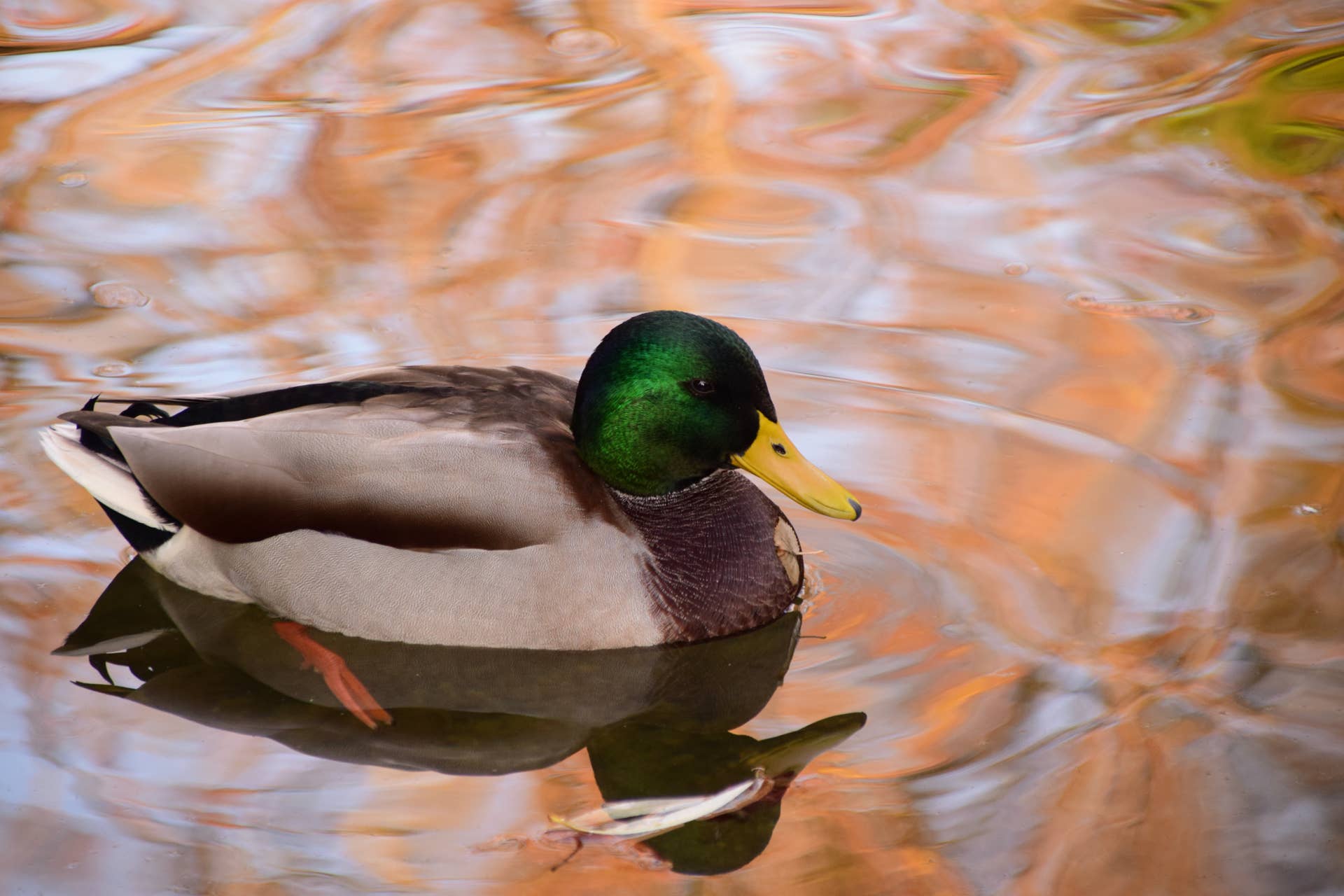
Ducks and geese are the most common birds you’ll see eating bread at parks and ponds. Their digestive systems can handle small amounts of bread, especially if it’s plain and given in moderation.
However, bread shouldn’t replace their natural diet of aquatic plants and insects. Next time you visit a pond, try offering a few small pieces and watch how eagerly they accept it. Have you noticed how some ducks seem to prefer bread over other food?
Pigeons And Doves
Pigeons and doves can safely eat bread, but like ducks, it should only be an occasional treat. These birds often scavenge in cities and are adapted to eating a variety of human foods, including bread.
Feeding them bread in small amounts can be a fun way to observe their behavior. Just remember, too much bread can lead to nutritional problems. How often do you see pigeons congregating around bread crumbs in urban areas?
Seagulls
Seagulls are another group that can eat bread without immediate harm. They often scavenge along coastlines and are used to eating various human food scraps.
While feeding seagulls bread might seem harmless, be cautious about overfeeding as it can encourage aggressive behavior. Have you ever noticed how seagulls quickly gather when someone tosses bread near the water?
Birds That Should Avoid Bread
Bread might seem like a harmless treat for birds, but some species should avoid it altogether. Feeding bread to the wrong birds can cause health problems and disrupt their natural diet. Understanding which birds should steer clear of bread helps you make better choices when feeding wildlife.
Songbirds And Smaller Species
Many songbirds and smaller species struggle to digest bread properly. Bread offers little nutritional value and can fill their stomachs without giving the energy or nutrients they need. This can lead to malnutrition and weaken their immune systems.
I once watched a group of sparrows pecking at stale bread crumbs. They seemed interested but left most of it uneaten, likely because it wasn’t satisfying or healthy. Instead, these birds thrive on seeds, insects, and berries that provide essential proteins and fats.
Think about the small finches, chickadees, or warblers you see in your backyard. Would you want to eat something that leaves you hungry and poorly nourished? Offering them suitable foods like sunflower seeds or mealworms supports their health better than bread ever could.
Birds Of Prey
Birds of prey, such as hawks, owls, and falcons, should never be fed bread. Their diets depend on meat and live prey, which provide the proteins and nutrients critical for their survival. Bread is not only useless to them but can cause digestive issues.
Feeding bread to these birds can interfere with their hunting instincts and natural behavior. Imagine a hawk trying to swallow bread — it’s unnatural and can cause choking or blockages. These predators need a diet rich in muscle and organ meat to stay strong and agile.
If you want to support birds of prey, consider learning about local wildlife rehabilitation centers or conservation programs. Providing natural food sources or protecting their habitats makes a far bigger difference than offering bread ever would.

Credit: www.muranochickenfarm.com
Risks Of Feeding Bread To Birds
Feeding bread to birds might seem like a harmless activity, but it carries several hidden risks. Many people don’t realize that bread lacks the nutrients birds need and can actually harm their health and environment. Understanding these risks helps you make better choices for the wildlife you want to support.
Health Issues From Bread Consumption
Bread offers little nutritional value to birds and can cause serious health problems. It fills their stomachs without providing essential vitamins or minerals, leading to malnutrition. Over time, birds that rely on bread may become weak and more vulnerable to disease.
Feeding bread can also cause a condition called “angel wing,” where birds’ wings grow abnormally due to poor diet. I’ve seen ducks at a local pond with this deformity, making it hard for them to fly or survive in the wild. Would you want to harm these creatures unintentionally by giving them bread?
Additionally, bread molds quickly, and moldy bread contains toxins that can make birds sick. It’s easy to overlook, but offering old bread can do more harm than good.
Environmental Impact
Leftover bread attracts large flocks, which can disrupt local ecosystems. Overcrowding leads to aggressive behavior and spreads diseases among birds. It also encourages pests like rats and insects, creating imbalances in the area.
Excess bread that isn’t eaten often pollutes water bodies, promoting algae growth. This algae reduces oxygen in the water, harming fish and other aquatic life. Have you noticed how some ponds get murky and smelly after people feed ducks regularly?
By choosing not to feed bread to birds, you help maintain a healthier environment for all wildlife. Instead, consider offering seeds, grains, or specialized bird food that supports their well-being without negative side effects.
Better Alternatives To Bread
Feeding birds bread is a common practice, but it’s not the best choice for their health. Bread lacks essential nutrients and can even cause harm if given too often. Luckily, there are better options that provide birds with the energy and nutrition they need to thrive.
Healthy Seeds And Grains
Seeds and grains are a natural part of many birds’ diets. Sunflower seeds, millet, and cracked corn offer birds protein and healthy fats to keep them active and strong.
When I started feeding my backyard birds with a mix of seeds instead of bread, I noticed more species visiting. Birds like finches and sparrows particularly love these options. Have you tried mixing seeds to see which birds come around your feeder?
Fruits And Vegetables
Many birds enjoy fresh fruits and vegetables, which add vitamins and moisture to their diet. Offer small pieces of apple, berries, or even leafy greens like kale and spinach.
I once left out chopped apples and saw robins and thrushes flocking to my garden. It’s a simple change that can make a big difference. What fruits or veggies do you think your local birds would prefer?
Commercial Bird Food
Commercial bird food blends are designed to meet the nutritional needs of various bird species. These mixes often include seeds, nuts, and dried fruits for a balanced diet.
Using commercial bird food takes the guesswork out of feeding. It’s especially helpful if you want to attract a wider range of birds without worrying about which seeds or snacks to offer. Have you checked the ingredient list on your bird food lately?

Credit: www.allaboutbirds.org
Tips For Feeding Birds Responsibly
Feeding birds can be a joyful experience for nature lovers. Doing it responsibly helps protect birds and their environment. It ensures birds get safe food and reduces risks of harm or dependency. Follow simple tips to enjoy feeding birds safely and kindly.
Proper Feeding Locations
Choose quiet, safe spots away from roads and pets. Place bread or bird food on flat surfaces like bird tables or trays. Avoid feeding near water bodies to prevent pollution. Keep feeding areas visible but sheltered from strong wind or rain.
Quantity And Frequency
Offer small amounts of bread to avoid waste and mold. Bread should be an occasional treat, not a main diet. Feed birds once or twice a week. Overfeeding can cause health problems and reduce natural foraging skills.
Maintaining Clean Feeding Areas
Clean feeders and feeding spots regularly to stop bacteria build-up. Remove leftover bread and crumbs daily. Use fresh water nearby to help birds drink and clean. Clean areas discourage pests and keep birds healthy.
Frequently Asked Questions
Which Birds Can Safely Eat Bread?
Birds like pigeons, ducks, and seagulls can eat bread in moderation. However, bread lacks proper nutrients and should not be a main food source.
Is It Okay To Feed Bread To Wild Birds?
Feeding bread occasionally to wild birds is generally safe. Avoid giving large amounts as it can harm their health and natural diet.
What Types Of Bread Are Best For Birds?
Plain, unsalted bread is the safest choice for birds. Avoid bread with additives, sugar, or mold, which can be harmful to birds.
Can Feeding Bread Harm Certain Bird Species?
Yes, feeding bread excessively can cause malnutrition and health issues, especially in swans and geese. Always offer bread sparingly and supplement with natural foods.
Conclusion
Feeding bread to birds may seem harmless, but caution is needed. Some birds can handle small amounts, like ducks and pigeons. Too much bread can harm their health. It lacks nutrients they need. Offer healthier options like seeds and grains.
Encourage natural foraging by providing a varied diet. This keeps birds healthy and happy. Observing local birds helps understand their needs better. Each species has different dietary needs. Supporting their natural diet benefits both birds and the environment. Remember, responsible feeding makes a difference.
Keep local birds thriving with mindful choices.