
Are you ready to bring more life and color to your backyard? Knowing how to get birds to your bird feeder can turn your outdoor space into a lively haven.
You might wonder why birds don’t visit your feeder as often as you’d like. The good news is, with a few simple tips, you can attract a variety of beautiful birds right to your window. Keep reading to discover easy steps that will make your bird feeder the hotspot for feathered friends.
Your peaceful moments watching birds are just around the corner!
Credit: dengarden.com
Choosing The Right Feeder
Choosing the right bird feeder is key to attracting birds to your garden. A good feeder fits the types of birds you want to see and suits your outdoor space. It must be easy to clean and strong enough to last through weather changes. Picking the right feeder also helps reduce waste and keeps birds safe.
Types Of Bird Feeders
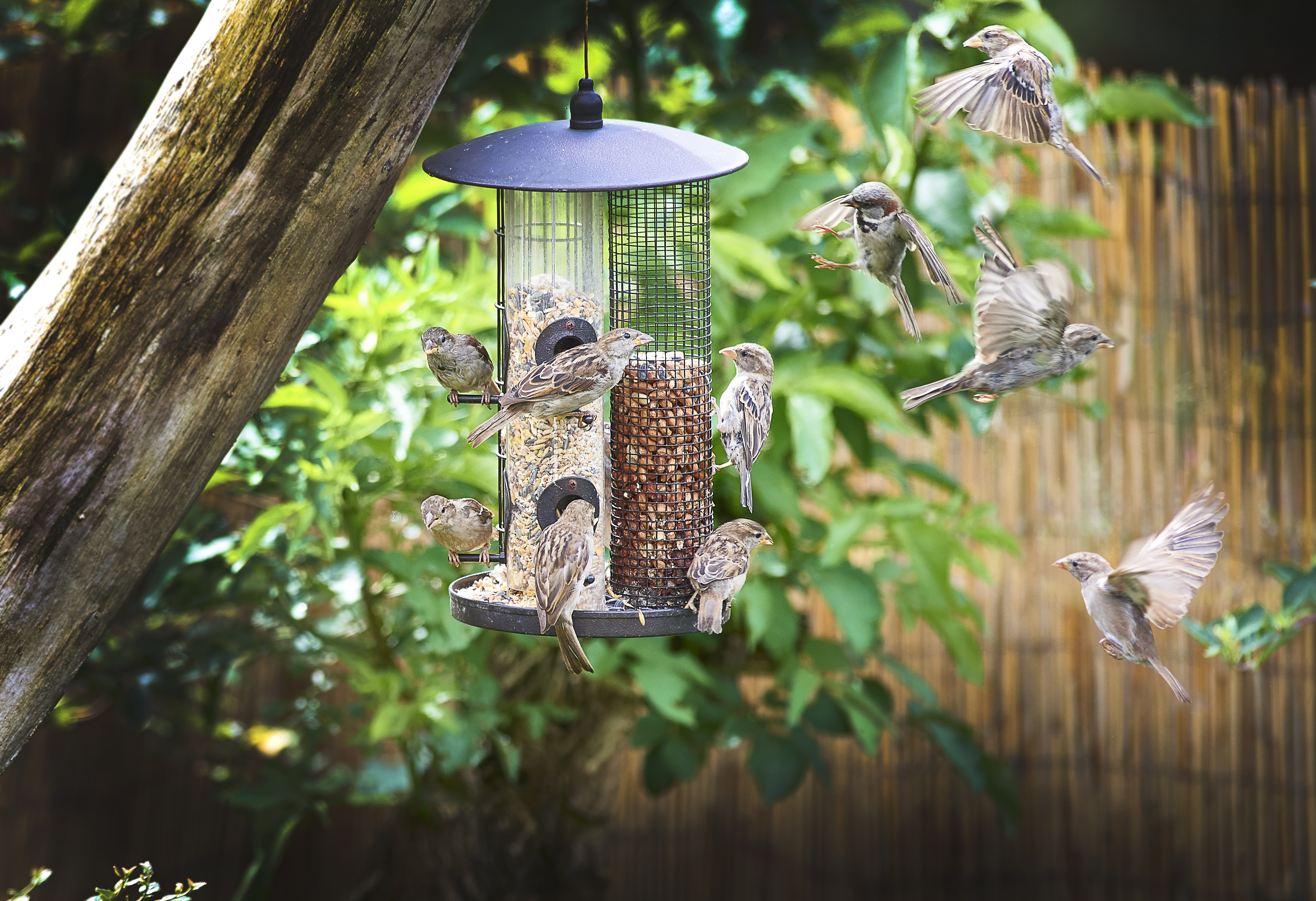
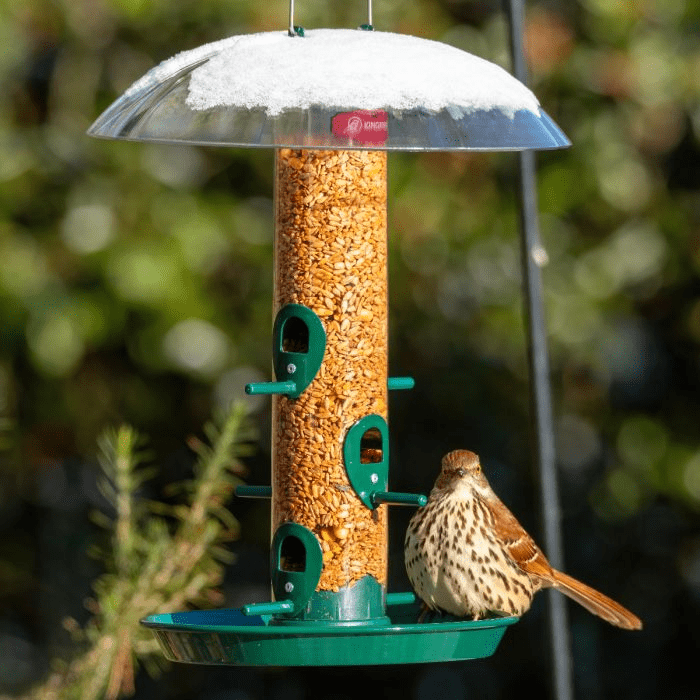
Many bird feeders serve different bird species and feeding styles. Tube feeders are great for small songbirds. Platform feeders attract a wide range of birds, including larger ones. Hopper feeders hold a lot of seed and protect it from rain. Suet feeders offer high-energy food for woodpeckers and nuthatches. Choose a feeder based on the birds you want to attract and your garden setup.
Material And Durability
Feeders come in plastic, metal, wood, and glass. Plastic feeders are lightweight and affordable but may break in strong weather. Metal feeders last longer and resist squirrels. Wooden feeders look natural but need regular care. Glass feeders are decorative but fragile. Pick a material that fits your climate and how much time you can spend on maintenance.
Size And Capacity
The size of the feeder affects how often you refill it. Small feeders need frequent refilling but stay fresher. Large feeders hold more seed and feed many birds at once. Consider how many birds visit and how often you want to refill. A feeder that matches your needs keeps birds happy and prevents seed waste.
Selecting The Best Location
Choosing the right spot for your bird feeder can make all the difference in attracting a variety of birds to your yard. The location affects not only how many birds visit but also how safe and comfortable they feel. Let’s dive into what makes a location perfect for your feathered friends.
Safe And Visible Spots
Birds need to see the feeder easily to find it quickly. Place your feeder where it stands out against the background, such as near colorful flowers or open spaces. Avoid placing it too close to thick bushes where birds might feel trapped or hidden from your view.
Safety is just as important. Position the feeder where you can watch the birds without disturbing them. A spot near a window or patio often works well, letting you enjoy the activity without scaring them away.
Avoiding Predators
Think about the natural predators in your area. Cats, squirrels, and larger birds can pose threats to smaller birds visiting your feeder. To protect them, keep feeders at least 5-6 feet away from places where predators can hide or launch attacks, like fences or dense shrubs.
Consider adding a baffle or placing the feeder on a pole that predators can’t easily climb. Have you noticed any local wildlife that might sneak up on your birds? Adjust the feeder’s location to keep those dangers at bay.
Sunlight And Shelter
Birds enjoy warmth, but they also need shelter from harsh weather. A spot with morning sunlight helps birds warm up early, making the feeder a welcoming spot. Avoid placing feeders in direct afternoon sun, which can get too hot for birds and spoil the seed.
Providing nearby cover, like a tree or shrub, gives birds a quick escape route if they feel threatened. This balance of sun and shelter encourages birds to stay longer and visit more often. What kind of plants or trees do you have that could offer this natural protection?
Picking The Perfect Bird Food
Choosing the right bird food can transform your backyard into a lively haven for feathered visitors. The type of food you offer not only attracts a variety of birds but also keeps them coming back. Understanding different seed types and seasonal preferences helps you make smart choices that benefit both you and the birds.
Popular Seeds And Mixes
Black oil sunflower seeds are a top pick for many bird lovers because they appeal to a wide range of species. Their thin shells make them easy to crack open, which keeps birds like chickadees, finches, and cardinals happy.
Thistle or nyjer seeds attract finches and siskins, but you’ll need a special feeder with small holes to keep these tiny seeds from spilling. Mixed seed blends offer variety, but watch out for filler seeds like red millet that many birds ignore.
Seasonal Food Choices
Birds’ food preferences change with the seasons. In winter, high-energy seeds like sunflower and safflower help birds maintain warmth. Spring and summer bring more insects, so offering suet or mealworms can provide extra protein during breeding season.
Think about your local climate and which birds are present at different times. Adjusting your offerings not only supports birds’ health but also increases your chances of seeing a diverse group at your feeder.
Special Treats For Specific Birds
If you want to attract woodpeckers, try suet cakes or peanuts. Orioles love orange halves and grape jelly, while hummingbirds are drawn to sugar water feeders. Providing these treats can bring unique species to your yard that won’t visit typical seed feeders.
Have you noticed certain birds avoiding your feeder? It might be time to switch up the food or add a special treat. Experimenting with different options can reveal surprising favorites among your local birds.

Credit: happygardens.com
Attracting Birds With Water
Water attracts birds to your feeder area by offering a vital resource. Birds need water for drinking and bathing. A steady water source invites a variety of birds to visit your yard. Providing water helps birds stay healthy and active. It also makes your bird feeder more appealing and lively.
Installing Bird Baths
Place bird baths where birds feel safe. Choose a shallow basin with gentle slopes. Position it near shrubs or trees for cover. Use materials like stone, metal, or ceramic for durability. A bird bath should be easy to clean and refill. Add small stones to prevent slipping. Change the water daily to keep it fresh and inviting.
Maintaining Clean Water
Dirty water can harm birds and discourage visits. Clean the bird bath regularly to remove dirt and algae. Use a scrub brush and mild soap if needed. Rinse thoroughly before refilling. Remove leaves and debris daily. Clean water prevents diseases and keeps birds healthy. Keep the water level low enough for birds to stand safely.
Using Moving Water Features
Moving water catches birds’ attention more than still water. Add a small fountain or dripper to your bird bath. The sound and motion attract birds from far away. Moving water also stays cleaner longer. Solar-powered fountains are an easy, eco-friendly option. Even a simple dripping hose can invite more birds. Moving water creates a lively and natural environment for birds.
Creating A Bird-friendly Environment
Creating a bird-friendly environment is key to attracting birds to your feeder and keeping them coming back. Birds need more than just food; they look for a safe place where they can find shelter, nest, and feed without threats. By making your outdoor space inviting, you’ll enjoy more bird visits and a richer experience.
Planting Native Flora
Native plants offer birds natural food sources like seeds, berries, and nectar. They also attract insects, which many birds rely on for protein. Try adding a mix of shrubs, trees, and flowering plants that are local to your area.
Have you noticed how native flowers bloom at the right time for local birds? That’s no accident—native flora supports birds year-round. Avoid exotic plants that don’t provide the nutrients birds need or may even attract pests.
Providing Shelter And Nesting Sites
Birds need safe spots to hide from predators and harsh weather. Dense bushes, tall grasses, and trees offer natural cover. You can also add birdhouses or nesting boxes tailored to the species you want to attract.
Think about where birds feel safest. Placing feeders near these shelters encourages them to visit more often. Have you ever watched a bird dart from a bush to your feeder? It’s a sign they trust your space.
Avoiding Harmful Chemicals
Many pesticides and herbicides harm birds directly or reduce their food sources. Using natural pest control methods helps protect the insects and plants birds depend on. Choose organic fertilizers and avoid spraying chemicals near feeders.
Consider this: Would you want to eat food treated with chemicals? Birds feel the same way. Keeping your garden chemical-free creates a healthier environment for them and your family.
Credit: www.kingsyard.com
Maintaining Your Feeder
Maintaining your bird feeder is key to attracting healthy, happy birds to your yard. Neglecting regular care can lead to dirty feeders, spoiled food, and unwanted pests. Keeping your feeder clean and well-managed not only benefits the birds but also enhances your bird-watching experience.
Regular Cleaning Tips
Clean your feeder at least once every two weeks, or more often during wet weather. Use warm water and mild soap to scrub all surfaces, including feeding ports and trays. Rinse thoroughly to remove soap residue, which can harm birds.
Dry the feeder completely before refilling. Moisture encourages bacteria and mold growth, so a dry feeder keeps seeds fresh longer. If you see bird droppings or mold, clean immediately to protect the birds from illness.
Preventing Mold And Spoilage
Store seeds in a cool, dry place to prevent them from going stale or moldy. Avoid overfilling the feeder to reduce the chance of leftover seeds staying damp and spoiling. Rotate seed types occasionally to keep birds interested and minimize waste.
Check your feeder daily for wet or clumped seeds, especially after rain. Replace any spoiled seeds right away. Have you noticed how quickly mold can spread? Catching it early saves you from a bigger cleanup later.
Keeping Pests Away
Pests like squirrels and ants can quickly empty your feeder or contaminate the food. Use squirrel baffles or feeders designed to discourage these critters. Placing feeders away from branches or fences helps reduce easy access for pests.
Ant moats filled with water can block ants from climbing into the feeder. Clean up spilled seeds under the feeder regularly to avoid attracting rodents. How often do you check for unwanted visitors at your feeder? Staying vigilant keeps your feathered friends safe.
Patience And Observation
Patience and observation play a key role in attracting birds to your feeder. Birds can be shy and cautious at first. Watching their habits carefully helps you understand how to invite them closer. It takes time to learn their patterns and preferences. Observing quietly improves your chances of success.
Noticing Bird Behavior
Watch birds from a distance without disturbing them. Notice what types of food they prefer. See what times they visit the area. Look for signs of comfort or fear near the feeder. Understanding these behaviors helps you create a safe feeding spot. The more you observe, the better you can adjust your setup.
Adjusting Feeding Times
Birds often feed at specific times of the day. Early mornings and late afternoons are usually busy hours. Try to fill your feeder before these times. Keep track of when birds stop by most often. Changing feeding times can invite more visitors. A steady schedule builds trust with wild birds.
Using Bird Calls And Sounds
Bird calls can attract certain species to your feeder. Use recordings or mimic calls softly. Sounds signal a safe place to feed. Avoid loud noises that scare birds away. Playing calls at the right time increases bird activity. This tactic works best after you observe the local bird types.
Frequently Asked Questions
How Do I Attract Birds To My Bird Feeder?
Use high-quality seeds like sunflower or millet. Place feeders in quiet, safe spots. Regularly clean feeders to prevent disease and refill them consistently.
What Is The Best Bird Feeder For Beginners?
Tube feeders are easy to use and attract many bird species. They are durable and simple to refill, ideal for beginners.
Where Should I Place My Bird Feeder For Best Results?
Place feeders near trees or shrubs for shelter. Avoid windy or busy areas. Ensure feeders are visible and accessible for birds.
How Often Should I Clean My Bird Feeder?
Clean feeders every two weeks or more often in wet weather. Use mild soap and water to remove mold and bacteria.
Conclusion
Attracting birds to your feeder can be simple. Choose the right food and location. Birds love seeds, nuts, and fresh water. Keep the feeder clean to avoid disease. Add native plants nearby for shelter. Be patient; birds need time to trust new feeders.
Enjoy watching different species visit your garden. Every bird adds beauty and life to your space. Soon, your feeder will become a bird’s favorite spot. Happy birdwatching!