
Have you ever wondered if feeding birds in your backyard is really helping them? You might think offering a handful of seeds is a simple act of kindness.
But what if it’s not as harmless as it seems? What if your good intentions could actually affect their health and natural habits? Before you scatter another handful of crumbs, let’s explore the surprising facts about feeding birds—and what it means for your feathered visitors.
Keep reading to discover how your actions can make a real difference.

Credit: www.allaboutbirds.org
Benefits Of Feeding Birds
Feeding birds offers more than just a simple pastime—it can have real, positive effects on your local environment and community. When you provide food, you help birds thrive in your area, especially in places where natural resources might be scarce. This small act can create a ripple effect, benefiting both wildlife and people around you.
Supporting Local Wildlife
Providing food helps local bird populations stay healthy and active. Birds often struggle to find enough food, especially in urban areas where natural habitats are limited. By feeding them, you give them a reliable source of nutrition that supports their survival and reproduction.
Have you noticed how birds return to feeders regularly? That shows how important your support is to them. Plus, feeding birds can help maintain the balance of your local ecosystem by keeping insect populations in check and aiding in seed dispersal.
Encouraging Birdwatching
Setting up a bird feeder invites a variety of feathered visitors to your yard, offering you a front-row seat to nature’s drama. Watching birds closely can be relaxing and educational, helping you learn about different species and their behaviors.
Birdwatching right from your window can spark curiosity and even inspire you to protect wildlife habitats. You might be surprised how quickly your backyard turns into a lively bird community when you add a simple feeder.
Aid During Harsh Seasons
Birds face the toughest challenges during winter or drought when natural food becomes scarce. Feeding them during these harsh seasons can be a lifeline, helping them conserve energy and survive until conditions improve.
Have you ever seen a bird struggling to find food in the snow? Your feeder can make a real difference during those times. Just a few handfuls of seeds can help birds endure cold days and keep their numbers stable through difficult periods.
Potential Risks To Birds
Feeding birds might seem like a harmless way to connect with nature, but it can come with unexpected risks. Understanding these potential dangers helps you make better choices that protect the birds you want to help. Let’s look at some key concerns that often go unnoticed.
Spread Of Disease
Bird feeders can become hotspots for germs and bacteria. When many birds gather in one place, diseases like avian flu and salmonella can spread quickly.
Dirty feeders or leftover food create perfect conditions for illness. You might not realize that a simple habit like not cleaning your feeder regularly can harm the birds you care about.
Have you ever noticed sick birds around feeders? That’s a warning sign to act fast by cleaning feeders often and offering fresh, uncontaminated food.
Dependency On Humans
When birds rely too much on feeders, they may lose their natural ability to find food. This dependency can weaken their survival instincts, especially during tough seasons.
Feeding birds only in winter, for example, might make them less motivated to forage on their own. I once saw a group of robins ignore natural berries near a feeder, waiting instead for handouts.
Ask yourself: Are you helping birds thrive or making them dependent? Balancing feeding with encouraging natural foraging is crucial.
Attracting Predators
Feeders can unintentionally attract predators like cats, hawks, or raccoons. These predators often learn to hunt near feeders, putting birds at greater risk.
Placing feeders too close to bushes or windows can make birds easy targets. I’ve noticed that moving feeders to open spots reduces predator attacks significantly.
Think about your feeder’s location carefully. Is it safe for the birds, or does it make them vulnerable? Small adjustments can make a big difference.
Choosing The Right Food
Choosing the right food for birds is important for their health and safety. Different birds prefer different foods. Some seeds and grains offer good nutrition. Some foods can harm birds or attract pests. It helps to know which foods suit the season. Feeding birds the right way supports their natural diet and well-being.
Safe Seeds And Grains
Many birds enjoy seeds and grains that provide energy and nutrients. Some safe options include:
- Black oil sunflower seeds – loved by many birds
- Millet – small and easy to eat
- Cracked corn – attracts larger birds
- Safflower seeds – good for cardinals and finches
These seeds are easy to digest and help birds stay healthy.
Avoiding Harmful Foods
Some foods can harm birds or cause illness. Avoid these items:
- Salted or flavored nuts and seeds
- White bread or processed snacks
- Raw or cooked beans and potato pieces
- Chocolate and caffeine
These foods can upset birds’ stomachs or even be toxic.
Seasonal Food Preferences
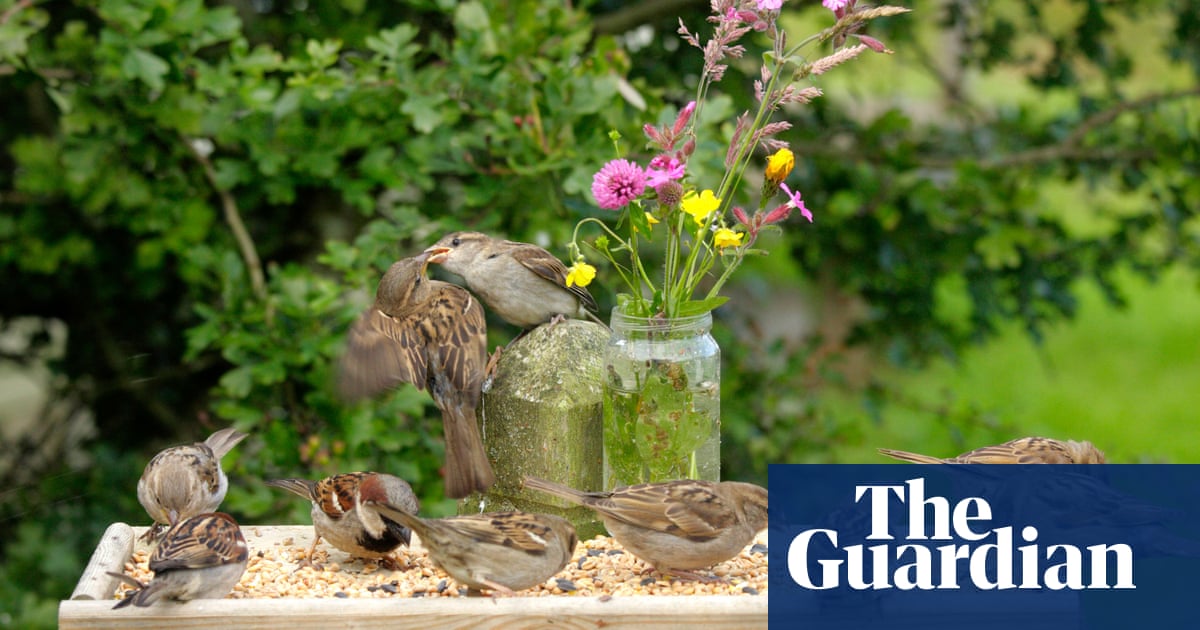
Birds change their food choices with the seasons. In colder months, they need high-fat foods for energy. Seeds like sunflower and peanuts help in winter. During spring and summer, birds eat more insects and fruits. Offering berries and mealworms suits this time. Matching food to the season supports birds’ natural needs.
Credit: www.theguardian.com
Best Feeding Practices
Feeding birds can be a joyful activity that helps birds find food, especially in tough seasons. Following best feeding practices supports their health and safety. Clean, fresh food and a safe environment keep birds coming back. Simple actions make a big difference in creating a bird-friendly space.
Clean Feeding Stations
Cleaning feeding stations prevents the spread of disease among birds. Remove old food and droppings regularly. Wash feeders with warm soapy water and rinse well. Dry feeders completely before refilling. Clean stations attract more birds and keep them healthy.
Regular Food Replacement
Replace food often to avoid mold and spoilage. Stale or wet food can harm birds. Offer fresh seeds or suet daily or every few days. Store bird food in a cool, dry place. Fresh food encourages birds to visit and eat happily.
Proper Feeder Placement
Place feeders where birds feel safe from predators. Use locations with some cover, like trees or shrubs. Avoid areas near windows to reduce bird collisions. Keep feeders away from busy human activity. Correct placement helps birds feed without stress.
Alternatives To Feeding
Feeding birds can be fun, but there are better ways to help them thrive. Birds need food, water, and safe places to live. You can support birds without giving them direct food. These alternatives help birds stay healthy and keep nature balanced.
Natural Habitat Enhancement
Create spaces that attract birds naturally. Leave some areas of your garden wild. Piles of leaves and logs provide shelter and insects for birds. Avoid using chemicals that harm bird food sources. Birds find more natural food in healthy habitats.
Providing Water Sources
Birds need clean water for drinking and bathing. A simple birdbath or shallow dish works well. Change the water often to keep it fresh. Place water sources in safe, quiet spots. Water helps birds stay cool and healthy in all seasons.
Planting Native Vegetation
Native plants offer food and shelter birds prefer. Choose bushes and trees that produce berries and seeds. Native flowers attract insects, which many birds eat. Planting local vegetation supports the whole ecosystem. Your garden becomes a bird-friendly place naturally.

Credit: www.cbc.ca
Legal And Ethical Considerations
Feeding birds might seem like a harmless way to connect with nature, but it carries legal and ethical responsibilities. Understanding these factors helps you support wildlife without causing unintended harm. Let’s look at key considerations to keep your bird-feeding efforts both lawful and respectful.
Local Wildlife Regulations
Many areas have specific rules about feeding wild birds to protect ecosystems and native species. Some parks or reserves prohibit feeding to avoid attracting pests or disrupting natural behaviors.
Check your city or state wildlife agency websites before you start feeding. Ignoring regulations can lead to fines or harm to local bird populations.
Have you ever wondered why some parks have “No Feeding” signs? They’re not just rules—they’re there to keep the environment balanced and healthy for all creatures.
Respecting Bird Behavior
Birds rely on natural food sources and instincts to survive. When you feed them, you risk altering their normal behavior patterns, which might reduce their ability to find food on their own.
Observe how birds respond to your feeding. If you notice aggressive behavior or overcrowding, it’s a sign you should stop or adjust how you feed.
Ask yourself: Are you helping birds, or making them dependent? Feeding in moderation and with the right foods respects their natural habits.
Minimizing Human Impact
Feeding birds can unintentionally bring disease or attract unwanted wildlife like rats. Keeping your feeding area clean and using bird-safe feeders reduces these risks.
Rotate feeding spots and avoid leaving food out overnight to prevent creating unhealthy concentrations of birds. This small action can protect both birds and your neighborhood.
Think about how your actions affect the broader ecosystem. Your careful choices ensure feeding is a positive experience for you and the wildlife around you.
Frequently Asked Questions
Why Should We Be Cautious About Feeding Birds?
Feeding birds can disrupt their natural diet and behavior. It may cause dependency, spread disease, and attract pests. Always offer appropriate food and feed in moderation to support their health and local ecosystem balance.
What Foods Are Safe For Feeding Wild Birds?
Safe foods include seeds, nuts, fruits, and suet. Avoid bread, salty, or processed foods as they harm birds. Providing nutritious, natural options helps birds thrive and maintain proper nutrition.
How Does Bird Feeding Affect Local Wildlife?
Feeding birds can attract other animals like squirrels or rodents. This may lead to increased competition and spread of diseases. Careful feeding helps protect birds and maintains a healthy local wildlife balance.
When Is The Best Time To Feed Birds?
Feed birds mainly in winter when natural food is scarce. Avoid feeding during breeding seasons to encourage natural foraging. Timely feeding supports birds’ survival and natural habits effectively.
Conclusion
Feeding birds can be a rewarding experience. It brings joy and connection. Yet, it’s important to do it right. Offer appropriate food and clean water. Avoid feeding bread or harmful snacks. Consider the local wildlife needs. Respect their natural habits and diets.
By being mindful, you support healthy bird populations. Plus, you enjoy watching them thrive. Remember, a little care goes a long way. Responsible feeding helps birds and nature. Make every feeding choice count. Enjoy the beauty and wonder of our feathered friends.
They enrich our lives with their presence. Let’s keep them safe and happy.