
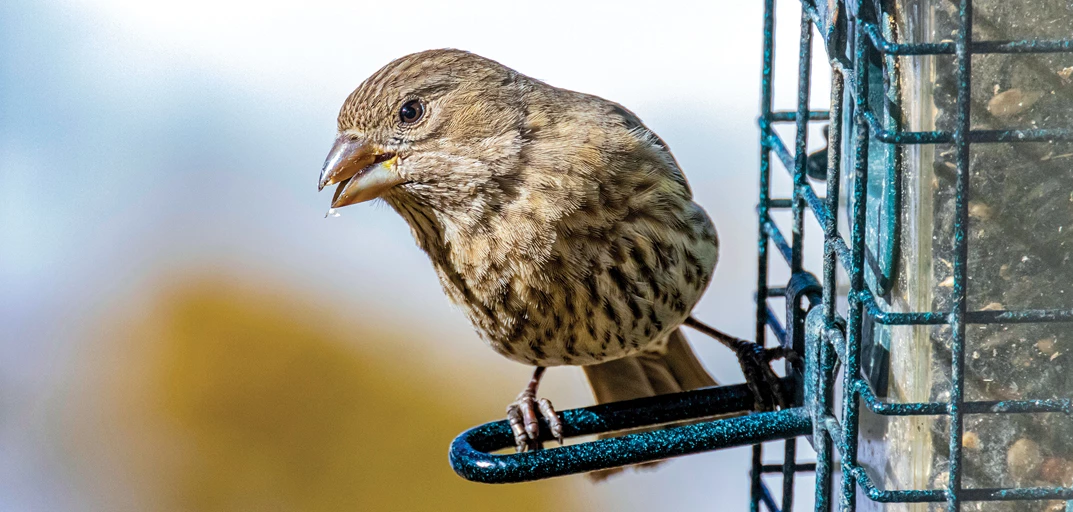
Understanding what birds should and shouldn’t eat is crucial for anyone who enjoys feeding these feathered friends. You might think you’re offering a tasty treat, but some foods can be harmful or even deadly to birds.
Have you ever wondered if your bird feeder is stocked with the right choices? Or perhaps you’re curious about which foods to avoid completely? This guide will help you discover the dos and don’ts of bird feeding, ensuring your backyard remains a safe haven for avian visitors.
Read on to learn how you can protect these beautiful creatures and keep your feathered guests healthy and happy.
Common Toxic Foods For Birds
Birds have delicate digestive systems that cannot handle many foods humans enjoy. Some common foods can be surprisingly toxic to them, causing severe health issues or even death. Knowing which foods to avoid will help you protect your feathered friends from accidental poisoning.
Chocolate And Its Effects
Chocolate contains theobromine, a compound highly toxic to birds. Even small amounts can cause vomiting, diarrhea, rapid breathing, and heart problems. I once saw a friend’s parrot suffer severe distress after nibbling on a chocolate chip cookie, highlighting how dangerous this treat can be.
Keep all forms of chocolate—dark, milk, and white—far away from your birds. Your bird’s curiosity can quickly turn into a life-threatening situation.
Avocado Risks
Avocados contain persin, a toxin that affects many bird species. Symptoms of avocado poisoning include difficulty breathing, fluid buildup around the heart, and sudden death. Despite its popularity as a “superfood” for humans, it’s a silent killer for birds.
If you enjoy avocado yourself, make sure to never feed any part of it to your birds. Even the leaves and pit can be harmful, not just the fruit.
Caffeine Dangers
Caffeine, found in coffee, tea, and some sodas, overstimulates a bird’s nervous system. It can cause hyperactivity, increased heart rate, tremors, and eventually cardiac arrest. I once accidentally spilled coffee near a bird cage and realized how fast birds can be drawn to new smells, making vigilance key.
Always keep caffeinated beverages and products well out of reach to prevent accidental ingestion.
Alcohol Toxicity
Alcohol depresses a bird’s central nervous system and can quickly lead to coma or death. Birds are especially sensitive to even small amounts of alcohol, which can cause weakness, disorientation, and respiratory failure. Never offer any alcoholic drinks or foods that contain alcohol, such as certain desserts.
Consider how a tiny spill on a floor could invite a curious bird—prevention is essential.
Onions And Garlic Harm
Onions and garlic contain compounds that can damage birds’ red blood cells, leading to anemia. Symptoms include weakness, breathlessness, and pale gums. Many bird owners underestimate the danger because these ingredients are common in human cooking.
Steer clear of feeding your birds anything seasoned with onion or garlic. Even small amounts in leftovers can pose serious health risks.
Harmful Human Foods Birds Should Avoid
Many human foods can harm birds and even cause death. Birds have delicate digestive systems. Some common snacks or meals people enjoy can be toxic to them. Avoid feeding birds anything not made for their diet. Understanding harmful foods helps protect these small creatures.
Salt And Seasoned Snacks
Salt is dangerous to birds in small amounts. It can cause dehydration and kidney failure. Seasoned snacks like chips and pretzels contain high salt. Spices and flavorings may irritate their stomachs. Never offer salted or flavored human snacks to birds.
Sugary Treats
Birds do not process sugar well. Candy, soda, and sweet desserts can cause health problems. Excess sugar leads to obesity and organ damage. Natural sugars in fruits are safe in moderation. Artificial sweets and sugary drinks should be avoided at all costs.
Raw Beans And Seeds
Raw beans contain toxins that are deadly to birds. Seeds like apple seeds also have harmful chemicals. Cooking removes most toxins, but raw forms remain dangerous. Birds should only eat seeds and beans prepared properly for them.
Processed Foods Impact
Processed foods often contain preservatives and chemicals harmful to birds. These can cause poisoning or long-term health issues. Fast food, canned goods, and ready meals are unsafe. Feeding birds natural, fresh foods supports their health and survival.
Safe Alternatives For Feeding Birds
Feeding birds can be a joyful experience. Choosing safe foods helps birds stay healthy and happy. Avoid harmful items and focus on natural, nourishing options instead. These choices support bird life and promote a thriving environment.
Bird-friendly Seeds
Seeds are a favorite for many birds. Sunflower seeds attract a wide variety of species. Millet is ideal for smaller birds like finches and sparrows. Avoid salted or flavored seeds that can harm birds. Use fresh, clean seeds to keep birds safe and strong.
Fresh Fruits And Vegetables
Many birds enjoy fresh fruits and vegetables. Offer slices of apple, pear, or berries. Carrots, peas, and leafy greens also provide nutrients. Always wash produce thoroughly before feeding. Avoid avocado and onion, as these can be toxic.
Nuts And Grains
Nuts provide essential fats and proteins. Peanuts, almonds, and walnuts are popular choices. Serve them unsalted and in small pieces to avoid choking. Grains like cooked rice or oats can also nourish birds. These foods support energy and overall health.
Specialized Bird Foods
Many stores sell mixes made just for birds. These blends often include seeds, nuts, and dried fruits. Some are designed for specific bird species. Choose high-quality products without artificial additives. These foods offer balanced nutrition and encourage natural feeding habits.

Credit: www.reddit.com
Signs Of Poisoning In Birds
Recognizing the signs of poisoning in birds is crucial if you want to protect wildlife or respond quickly in an emergency. Birds often hide their pain, but changes in their behavior or physical state can be clear indicators something is wrong. Knowing what to look for can make all the difference in saving a bird’s life.
Behavioral Changes
Birds affected by poison often act strangely. You might notice sudden lethargy or unusual aggression where the bird is normally calm.
Some birds may stop eating or drinking altogether, while others might show disorientation, such as staggering or flying erratically. Have you ever seen a bird that seems confused or unable to perch properly? That’s a red flag.
Physical Symptoms
Physical signs can include drooling, foaming at the mouth, or visible tremors. Some birds develop swollen eyes or unusual discoloration in their feathers or skin.
Respiratory distress is another clear symptom—watch for rapid breathing or gasping. These signs often appear quickly after ingestion of toxic substances.
Emergency Steps
- If you suspect a bird has been poisoned, immediately remove it from the contaminated area.
- Keep the bird warm and quiet to reduce stress.
- Contact a wildlife rehabilitator or veterinarian who specializes in birds as soon as possible.
- Do not attempt to induce vomiting or give home remedies unless advised by a professional.
Could quick action be the difference between life and death for a poisoned bird in your care? It’s important to be ready and act fast.
Preventing Accidental Bird Poisoning
Preventing accidental bird poisoning is a responsibility that comes with feeding birds, whether in your backyard or as part of a wildlife care routine. Birds are delicate creatures, and even small mistakes can lead to serious harm. You can protect them by managing food sources carefully and making sure everyone involved understands the risks and safe practices.
Proper Food Storage
Storing bird food properly is essential to avoid contamination that could poison birds. Keep seeds and pellets in airtight containers to prevent mold growth and insect infestation. Avoid using bags or containers that have held chemicals or toxins, as residues can transfer to the food.
Have you checked your storage area lately? Damp or warm conditions can spoil food quickly, so a cool, dry place is best. Regularly inspect food for any unusual smell, color, or texture changes before offering it to birds.
Educating Caregivers
Anyone involved in feeding birds needs to know the dangers of feeding harmful or inappropriate foods. Share clear guidelines about what is safe and what is not, such as avoiding bread, chocolate, or anything with salt and artificial additives. Even some human snacks can be deadly to birds.
Have you talked with neighbors or family members about this? Misinformation is common, and well-meaning people might unknowingly put birds at risk. Providing simple, easy-to-follow advice can make a big difference.
Safe Feeding Practices
Place food in clean feeders and refresh it regularly to prevent bacterial growth. Avoid overfeeding, which can attract pests or cause birds to become dependent on human-provided food. If you notice sick birds around your feeding area, stop feeding and clean the feeders thoroughly.
Think about the natural diet of the birds you want to help. Offering native seeds, nuts, and fruits that match their needs supports their health better than random scraps. Are you prepared to adjust your feeding habits to keep birds safe and thriving?

Credit: www.allaboutbirds.org

Credit: cen.acs.org
Frequently Asked Questions
What Foods Are Harmful To Birds?
Foods like chocolate, avocado, and caffeine are toxic to birds. These can cause serious illness or death. Avoid feeding birds these items to keep them safe and healthy.
Can Certain Seeds Poison Birds?
Yes, some seeds like apple seeds contain cyanide compounds. Consuming these seeds can be lethal to birds. Always provide safe, bird-friendly seeds like sunflower or millet.
Is Feeding Birds Harmful For Pest Control?
Feeding birds to kill them is unethical and illegal in many places. It can cause environmental imbalance and harm non-target species. Use humane and legal pest control methods instead.
What Are Natural Ways To Deter Unwanted Birds?
Use visual deterrents, noise devices, or bird spikes to keep birds away. These methods are safe, humane, and effective in managing bird problems without harm.
Conclusion
Feeding birds to harm them is both cruel and illegal. Birds play an important role in nature and deserve respect. Instead, try safe ways to keep birds away from unwanted areas. Use natural deterrents or barriers to protect your space.
Always choose kindness over harm when dealing with wildlife. Remember, harming animals can bring serious consequences. Let’s care for all creatures and live peacefully together.