
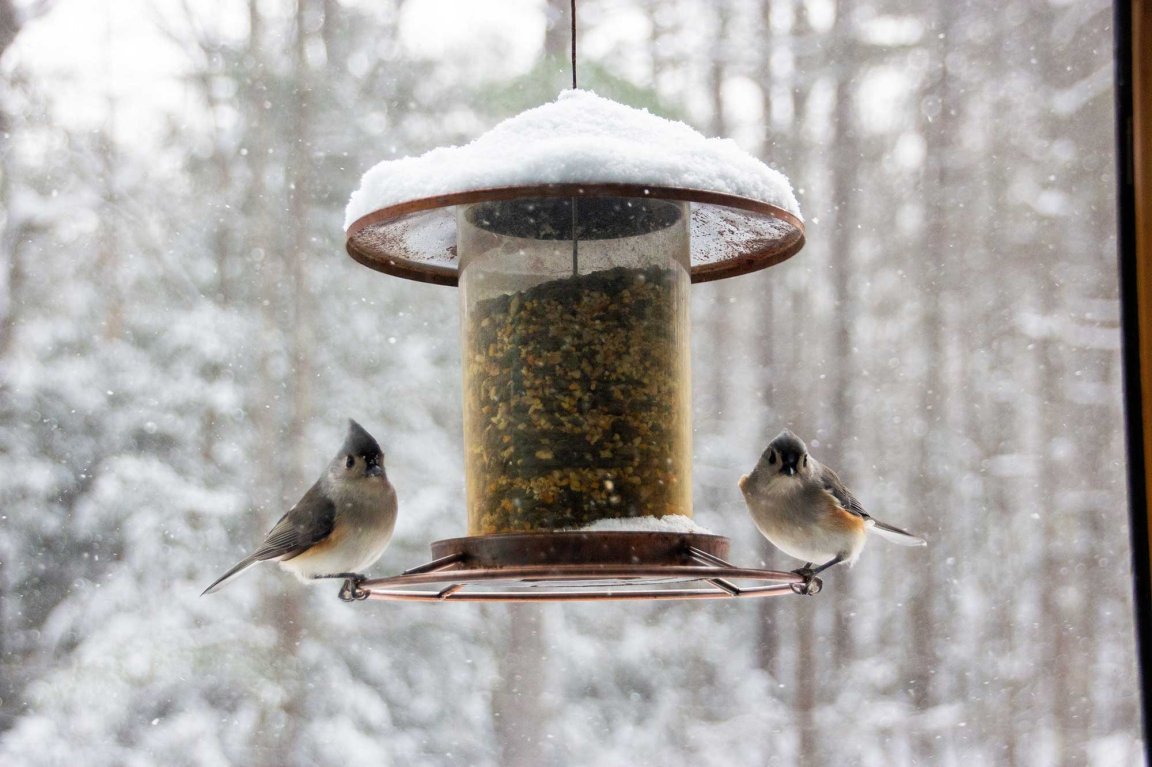
When winter arrives, your backyard birds need extra help to stay healthy and strong. But do you know which bird seeds are best to feed them during the cold months?
Choosing the right seeds can make a big difference, attracting more birds and giving them the energy they need. You’ll discover the top bird seeds to offer in winter and how to keep your feathered friends happy all season long.
Keep reading to learn the simple tips that will turn your yard into a winter bird paradise.
Credit: pet-supermarket.co.uk
Best Seeds For Winter Feeding
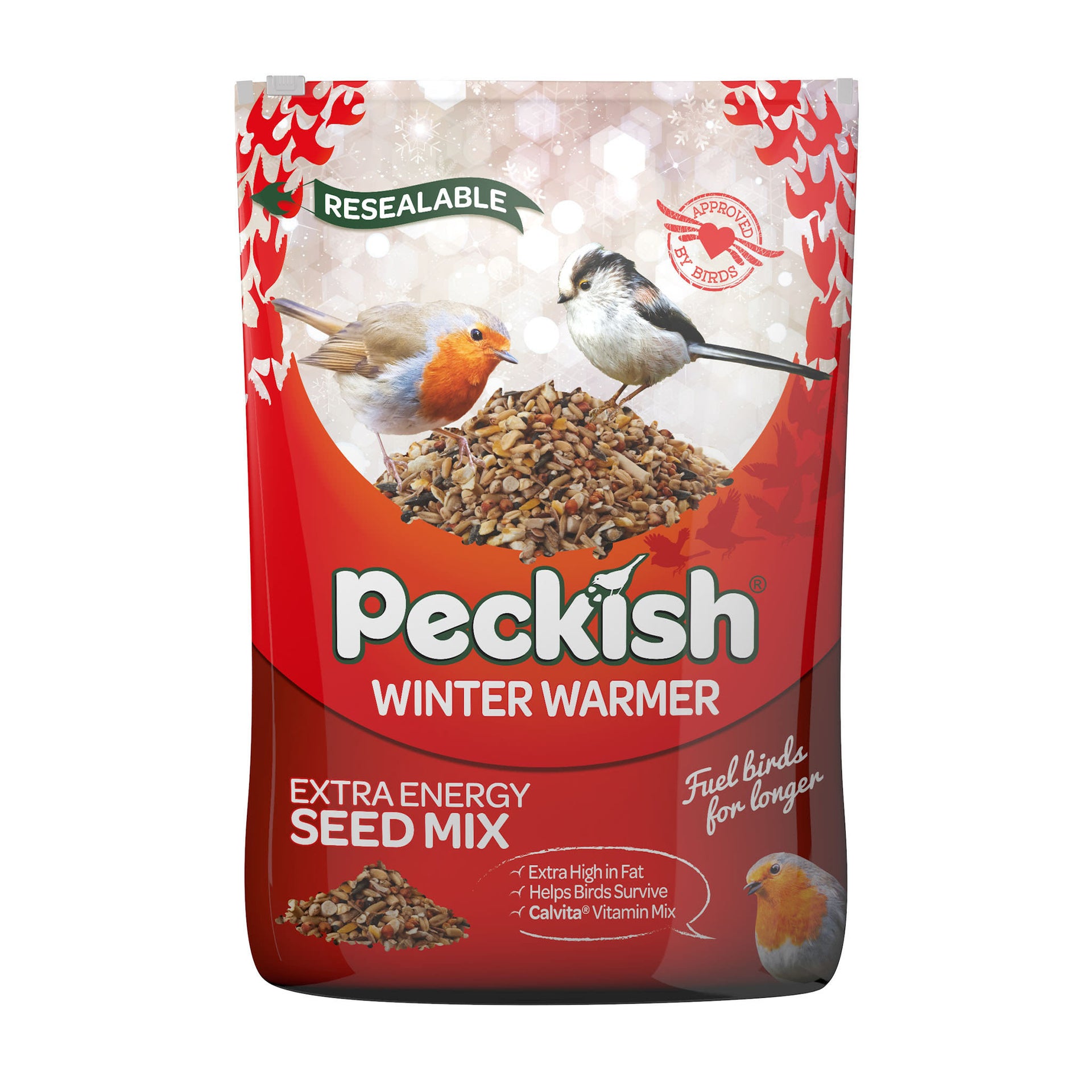
Feeding birds in winter helps them survive cold months. Choosing the right seeds makes a big difference. Birds need high-energy foods to keep warm and active. Here are the best seeds for winter feeding that attract many bird species.
Black Oil Sunflower Seeds
Black oil sunflower seeds are a top choice for winter. They have thin shells, easy for birds to crack open. These seeds are rich in fat and calories. This energy helps birds stay warm during cold days. Many birds like cardinals, chickadees, and finches enjoy these seeds.
Nyjer Seeds
Nyjer seeds are tiny but packed with nutrition. They attract small birds like goldfinches and siskins. These seeds have high oil content for energy. Use a special feeder with small holes for Nyjer seeds. This prevents waste and keeps seeds dry.
Safflower Seeds
Safflower seeds are good for winter feeding too. They have a tough shell that some birds love to crack. Cardinals, grosbeaks, and doves often eat safflower seeds. These seeds are less attractive to squirrels and blackbirds, which helps protect your feeder.
Millet And Cracked Corn
Millet and cracked corn offer variety in bird diets. Millet is small and white, liked by ground feeders such as sparrows and doves. Cracked corn provides extra energy for larger birds like jays and ducks. Spread these seeds on the ground or use a platform feeder for best results.
Seed Benefits For Winter Birds
Feeding birds during the cold winter months requires more than just scattering any seeds. The right seeds provide essential nutrients that help birds survive harsh conditions. Understanding these benefits can make your feeding efforts more rewarding and attract a variety of birds to your backyard.
High Energy Content
Winter birds need extra energy to stay warm and active. Seeds like sunflower and safflower are packed with fats and oils, providing a dense energy source. You might notice birds flocking to these seeds first because they offer the calories needed to sustain them through cold nights.
Easy To Digest
Birds expend a lot of energy processing food, so easy-to-digest seeds are a big help. Millet and cracked corn break down quickly, allowing birds to absorb nutrients without wasting energy. If you’ve ever watched sparrows or finches, you might see them favoring these smaller seeds for quick meals.
Attracting Diverse Species
Offering a mix of seeds can bring a wider variety of birds to your feeder. Black oil sunflower seeds attract cardinals and chickadees, while nyjer seeds lure finches. Have you ever wondered why some feeders seem busier than others? It often comes down to the seed selection you provide.
Choosing Seeds By Bird Type
Choosing the right seeds for different bird species can transform your winter bird feeding experience. Each bird has unique preferences that affect their visits and enjoyment. By matching seeds to the birds you want to attract, you create a welcoming environment that helps them thrive during the colder months.
Seeds For Finches
Finches love tiny, oil-rich seeds that provide plenty of energy for cold days. Nyjer (thistle) seeds are a top favorite and work great in specialized feeders with small holes. You might also notice them enjoying sunflower hearts, which are easier to eat and still packed with nutrients.
If you want to see a flurry of finches, try mixing nyjer with a bit of hulled sunflower. This combo keeps their interest longer and supports their high metabolism. Have you ever watched finches eagerly pick at nyjer? It’s fascinating how quickly they flock when the right seeds appear.
Seeds For Cardinals
Cardinals prefer larger, tougher seeds that provide a solid meal during winter. Black oil sunflower seeds are perfect—they have a thin shell and lots of oil inside, making them easy to crack open. Peanuts and safflower seeds also rank high on their list.
Offering a variety of these seeds can encourage cardinals to visit more often and stay longer. You might notice their bright red feathers standing out against the snowy backdrop while they feed. What’s your favorite bird to watch on a cold winter day?
Seeds For Sparrows And Chickadees
Sparrows and chickadees enjoy small, versatile seeds like millet and cracked corn. These seeds scatter easily on platform feeders or ground feeding areas, which suits their feeding style. Sunflower seeds also work well, especially black oil sunflower for chickadees.
Adding a mix of millet and cracked corn can attract a lively group of these friendly birds. Their cheerful calls and flitting movements bring warmth to any winter yard. Have you tried placing seeds near shrubs or low branches to give them a safe feeding spot?

Credit: www.willyswilderness.org
Tips For Feeding Birds In Cold Weather
Feeding birds in cold weather helps them survive harsh winter days. It provides essential energy when natural food is scarce. Proper care in feeding supports their health and attracts more birds to your yard. Follow simple tips to make feeding safe and effective during winter.
Keeping Seeds Dry
Wet seeds can spoil and become harmful to birds. Use feeders with covers to protect seeds from rain and snow. Place feeders under shelter or near trees for extra protection. Check seeds often and remove any that look damp or moldy. Dry seeds keep birds healthy and encourage regular visits.
Using Appropriate Feeders
Choose feeders designed for winter use. Tube feeders with small holes prevent seeds from getting wet. Hopper feeders hold large amounts of seed and protect from bad weather. Platform feeders should have a roof or be placed in covered areas. Feeders that reduce seed waste save money and feed more birds.
Regular Cleaning And Maintenance
Cold weather increases risk of disease from dirty feeders. Clean feeders every two weeks with warm soapy water. Rinse well and dry completely before refilling. Remove old seeds and bird droppings to keep feeders safe. Regular maintenance helps birds stay healthy and happy all winter.
Avoiding Harmful Seeds And Mixes
Choosing the right bird seeds in winter is vital for bird health. Some seeds and mixes can harm birds instead of helping them. Avoiding these harmful options keeps birds safe and nourished. Clean, fresh seed is key during cold months.
Seeds To Skip
- Milled or finely ground seeds. Birds struggle to digest these.
- Seeds with added fillers like dried fruit or colored bits. These may contain sugars or dyes.
- Seeds prone to mold, such as peanuts and corn, if stored improperly.
- Unhulled sunflower seeds. Birds can choke or waste energy shelling them.
Preventing Mold And Spoilage
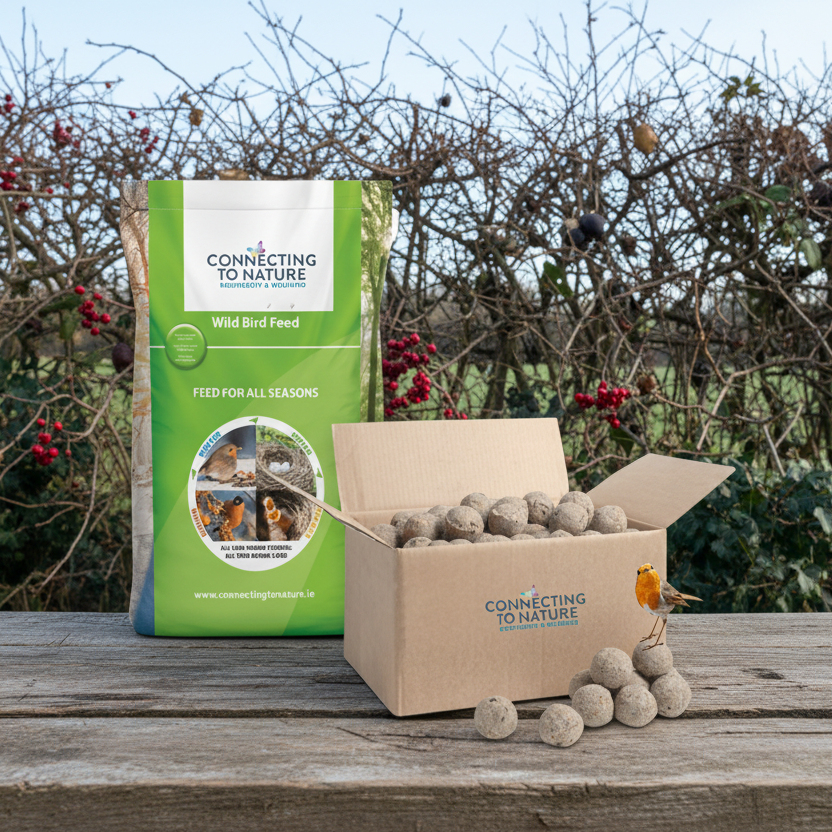
Moldy seeds can cause serious illness in birds. Store seeds in a cool, dry place. Use airtight containers to keep moisture out. Avoid buying seeds in bulk unless you can use them quickly.
Check bird feeders often. Remove wet or clumped seeds immediately. Clean feeders regularly to stop mold growth. Dry seeds attract more birds and keep them healthy.
Credit: connectingtonature.ie
Frequently Asked Questions
What Bird Seeds Are Best For Winter Feeding?
Black oil sunflower seeds are ideal for winter. They have high oil content, providing essential energy. Nyjer and safflower seeds also attract winter birds effectively. These seeds stay fresh and are easy for birds to crack during cold months.
How Do Different Seeds Attract Various Winter Birds?
Sunflower seeds attract finches, chickadees, and cardinals. Nyjer seeds are loved by goldfinches and siskins. Safflower seeds attract cardinals and doves. Offering a variety of seeds ensures a diverse bird population visits your feeder.
Can Suet Be Fed To Birds In Winter?
Yes, suet is excellent for winter feeding. It provides high energy and warmth. Birds like woodpeckers, nuthatches, and chickadees enjoy suet cakes. Ensure suet is fresh and kept dry to prevent spoilage.
How Often Should Bird Feeders Be Refilled In Winter?
Refill feeders every few days or when seed is low. Birds rely on feeders more in cold weather. Regular refilling ensures birds have constant access to food during harsh conditions.
Conclusion
Choosing the right bird seeds helps birds survive winter. Black oil sunflower seeds attract many types of birds. Suet is a high-energy food perfect for cold weather. White millet can also bring more variety to your feeders. Peanuts provide a protein-packed option for birds.
Nyjer seeds are popular with finches. Offering different seeds supports bird health and happiness. Remember to keep feeders clean and full. Watch the birds enjoy their meals. Your efforts make a big difference. Support local wildlife through thoughtful feeding. Enjoy the beauty and sounds of winter birds in your backyard.