
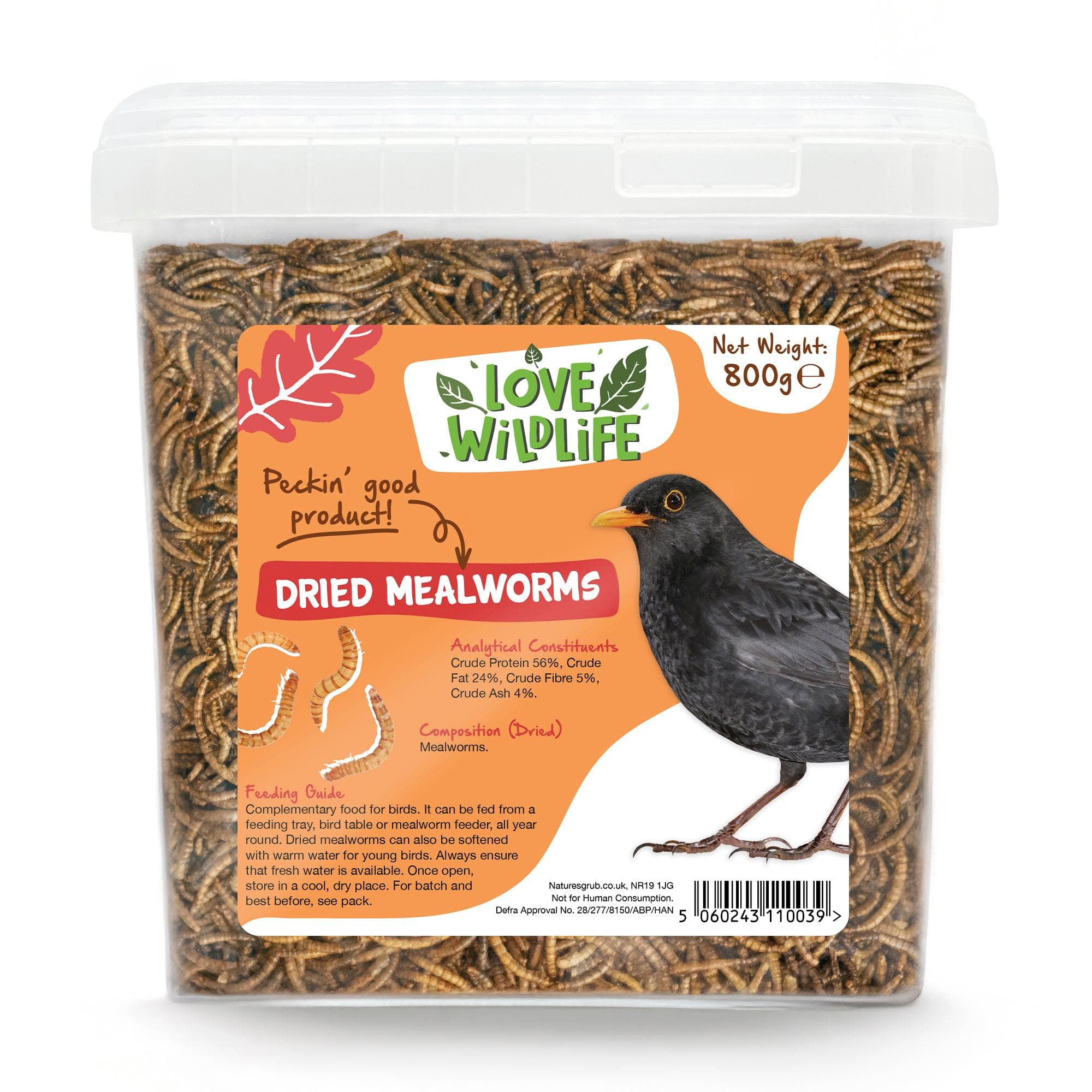
If you have pet birds, you want to make sure they get the best food possible. You might be wondering, is it okay to feed your birds dried mealworms?
These little snacks seem healthy, but are they truly safe and nutritious for your feathered friends? Keep reading to discover the truth about dried mealworms and how they can impact your pet birds’ health. Understanding this will help you make the best choices for your pets and keep them happy and thriving.
Credit: pet-supermarket.co.uk
Nutritional Value Of Dried Mealworms
Dried mealworms offer a rich source of nutrition for pet birds. They are easy to store and serve as a protein-packed treat. Understanding their nutritional value helps pet owners make better feeding choices. Below are key nutritional aspects of dried mealworms that benefit your birds.
Protein Content And Benefits
Dried mealworms contain high protein levels, essential for bird health. Protein helps build feathers, muscles, and tissues. It supports growth and repair, especially in young or molting birds. Protein also provides energy for daily activities and flight. Birds thrive on diets with adequate protein for strength and vitality.
Vitamins And Minerals
Mealworms supply important vitamins like B-complex and vitamin E. These vitamins aid metabolism, nerve function, and immune health. Minerals such as calcium, iron, and zinc are present too. Calcium strengthens bones and beaks. Iron supports blood health, while zinc boosts immune response. These nutrients keep birds active and healthy.
Comparison With Other Bird Foods
| Food | Protein (%) | Key Nutrients | Benefits |
|---|---|---|---|
| Dried Mealworms | 50-60% | Vitamins B, E; Calcium; Iron; Zinc | High protein, rich vitamins and minerals |
| Seeds | 10-20% | Fat, Vitamin E | Good energy source, low protein |
| Pellets | 20-30% | Balanced vitamins and minerals | Complete diet, moderate protein |
Dried mealworms provide more protein than seeds and pellets. They are a great supplement for a balanced diet. Birds enjoy the taste and gain extra nutrients from mealworms.
Safety Considerations For Pet Birds
Feeding pet birds dried mealworms can be a nutritious treat. Still, safety is key to keep birds healthy. Understanding potential risks and proper feeding helps avoid problems. Consider allergies, feeding amounts, and mealworm quality before offering them.
Potential Allergies And Sensitivities
Some birds may react to dried mealworms. Watch for symptoms like itching, swelling, or breathing trouble. Stop feeding if any signs appear. Always introduce new foods slowly to observe reactions. Consult a vet if unsure about allergies.
Risks Of Overfeeding
Dried mealworms are high in protein and fat. Too many can cause weight gain and health issues. Use them as occasional treats, not daily food. Balance mealworms with a varied diet for good nutrition. Overfeeding may lead to digestive problems or nutrient imbalance.
Quality And Source Of Mealworms
Choose dried mealworms from trusted suppliers only. Poor-quality mealworms may carry pesticides or harmful bacteria. Look for products labeled safe for pet birds. Store them in a cool, dry place to prevent spoilage. Freshness and cleanliness affect your bird’s health.
Feeding Guidelines And Tips
Feeding dried mealworms to your pet bird can be a nutritious treat, but it’s important to follow certain guidelines to keep your feathered friend healthy and happy. Proper serving sizes, a gradual introduction, and a well-balanced diet all play key roles in making mealworms a beneficial part of your bird’s meals.
Recommended Serving Sizes
Mealworms are high in protein and fat, so moderation is essential. Generally, small birds like finches or canaries should get just a few mealworms a day—around 2 to 5 pieces. Larger birds such as parrots or cockatiels can handle more, typically up to 10 mealworms per day.
Overfeeding can lead to weight gain or nutritional imbalances. Think about your bird’s size and daily activity when deciding the portion. Ask yourself: Is this treat complementing their diet or replacing vital nutrients?
How To Introduce Mealworms
Start by offering just one or two dried mealworms to see how your bird reacts. Some birds might be hesitant at first, so patience is key. Try mixing mealworms with familiar foods or hand-feeding to encourage interest.
Observe your bird closely for any signs of allergies or digestive upset. If your pet shows enthusiasm, slowly increase the amount over a week. Have you noticed your bird’s favorite snack that could pair well with mealworms?
Balancing Mealworms With Other Foods
Mealworms should never replace a complete diet. They work best as a supplement alongside fresh fruits, vegetables, pellets, and seeds. Balance is crucial to avoid nutrient overload or deficiencies.
Create a varied menu that includes proteins, vitamins, and minerals from different sources. For example, offering leafy greens or chopped carrots can help offset the high fat content in mealworms. How diverse is your bird’s current diet, and where could mealworms fit in?
Expert Opinions On Mealworm Feeding
Experts offer varied views on feeding dried mealworms to pet birds. Their opinions highlight important factors like nutrition, safety, and feeding frequency. Understanding these perspectives helps you make the best choice for your feathered friend’s diet.
Avian Veterinarian Perspectives
Many avian vets agree that dried mealworms can be a healthy treat when given in moderation. They emphasize the importance of checking for additives or preservatives that might harm your bird. Some vets warn against overfeeding, as too many mealworms can lead to an unbalanced diet.
One vet shared how a client’s parrot developed digestive issues from excessive mealworm treats. This example shows why vets recommend variety and portion control. Would you consider mealworms just an occasional treat rather than a daily snack?
Experienced Bird Breeders’ Advice
Bird breeders often praise dried mealworms for their convenience and high protein content. They suggest using them during breeding or molting seasons when birds need extra nutrients. Breeders also stress the importance of sourcing high-quality mealworms to avoid contamination.
Many breeders alternate mealworms with other protein sources like boiled eggs or insects. This helps prevent nutritional gaps. Have you thought about rotating treats to keep your bird’s diet balanced and exciting?
Research Findings
Scientific studies confirm that mealworms provide valuable protein and fats essential for pet birds. Research also points out that mealworms lack certain vitamins, so they shouldn’t replace a complete diet. Some studies highlight the risk of mealworms carrying parasites if not properly dried or stored.
One study found that birds fed mealworms regularly showed improved feather quality but needed vitamin supplements for overall health. This raises the question: How do you ensure your bird’s mealworm treats fit into a nutrient-rich diet?
Alternatives To Dried Mealworms
Pet birds need a balanced diet to stay healthy and active. Dried mealworms are a popular treat but not the only option. Many other foods provide good nutrition and variety. Offering alternatives keeps birds interested and nourished.
Other Insect-based Foods
Insects are rich in protein and easy to digest. Besides dried mealworms, consider these options:
- Crickets – fresh or dried, packed with nutrients
- Waxworms – high in fat, best as an occasional treat
- Black soldier fly larvae – rich in protein and calcium
- Silkworm pupae – excellent source of amino acids
These insects mimic natural diets and keep birds interested.
Plant-based Protein Options
Plant proteins can complement or replace insect foods. Good choices include:
- Cooked lentils and beans – soft and digestible
- Chia seeds – tiny but full of nutrients
- Quinoa – a complete protein source
- Peas – fresh or cooked, easy to eat
These options support muscle and feather health without animal products.
Commercial Bird Food Varieties
Many commercial mixes provide balanced nutrition for pet birds. Look for foods that contain:
- Seeds combined with pellets for variety
- Added vitamins and minerals for overall health
- Natural ingredients without artificial additives
- Formulas tailored for specific bird species
Choosing the right commercial food helps maintain a healthy diet.

Credit: janiopet.en.made-in-china.com

Credit: www.amazon.com
Frequently Asked Questions
Can Pet Birds Safely Eat Dried Mealworms?
Yes, pet birds can safely eat dried mealworms. They are a good protein source and support healthy growth. However, feed them in moderation to avoid digestive issues or nutritional imbalance.
How Often Should I Feed Dried Mealworms To Birds?
Feed dried mealworms to pet birds 1-2 times per week. This frequency provides necessary protein without overfeeding. Always balance their diet with seeds, fruits, and vegetables.
Are Dried Mealworms Nutritious For Pet Birds?
Dried mealworms are nutritious, rich in protein and essential fats. They help support muscle development and energy. Including them enhances a bird’s overall diet and health.
Can Dried Mealworms Cause Allergies In Birds?
Allergies to dried mealworms in pet birds are rare but possible. Watch for signs like itching or digestive upset. Discontinue feeding if any adverse reaction occurs.
Conclusion
Feeding pet birds dried mealworms can be a healthy choice. They offer protein and nutrients for birds. Always ensure mealworms are of high quality. Check for any signs of spoilage before feeding. Variety in diet keeps birds happy and healthy.
Mix mealworms with seeds or fresh fruits. Consult a vet for specific dietary advice. Watch your bird’s reaction to new foods. Every bird has unique needs and preferences. Providing a balanced diet ensures your bird’s well-being. So, consider dried mealworms as a tasty treat.
Your feathered friend will thank you!