
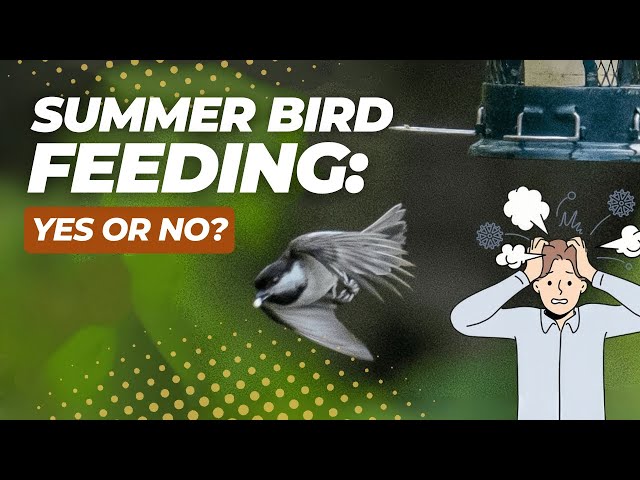
Have you ever wondered if feeding birds is actually helping them or doing more harm than good? You might think tossing a few crumbs is a kind gesture, but what if it’s changing their natural habits or even putting them at risk?
Before you reach for that bird feeder, it’s important to understand the hidden impact your actions could have. Keep reading to discover the surprising truths about feeding birds—and find out whether you should keep it up or stop for their sake.
Your next move could make all the difference.
Why People Feed Birds
Feeding birds has been a popular activity for many people. It connects them with nature right outside their homes. People enjoy watching birds up close. This simple act brings joy and peace to daily life.
Many people believe feeding birds helps them survive tough seasons. It also supports bird populations in urban areas. Some feel a strong bond with wildlife and want to help. Others see it as a fun way to teach children about animals.
Common Motivations
- Enjoying the beauty and sounds of birds.
- Helping birds find food during winter.
- Creating a lively garden or backyard environment.
- Teaching kids about nature and responsibility.
- Feeling a sense of calm and connection with wildlife.
Popular Feeding Practices
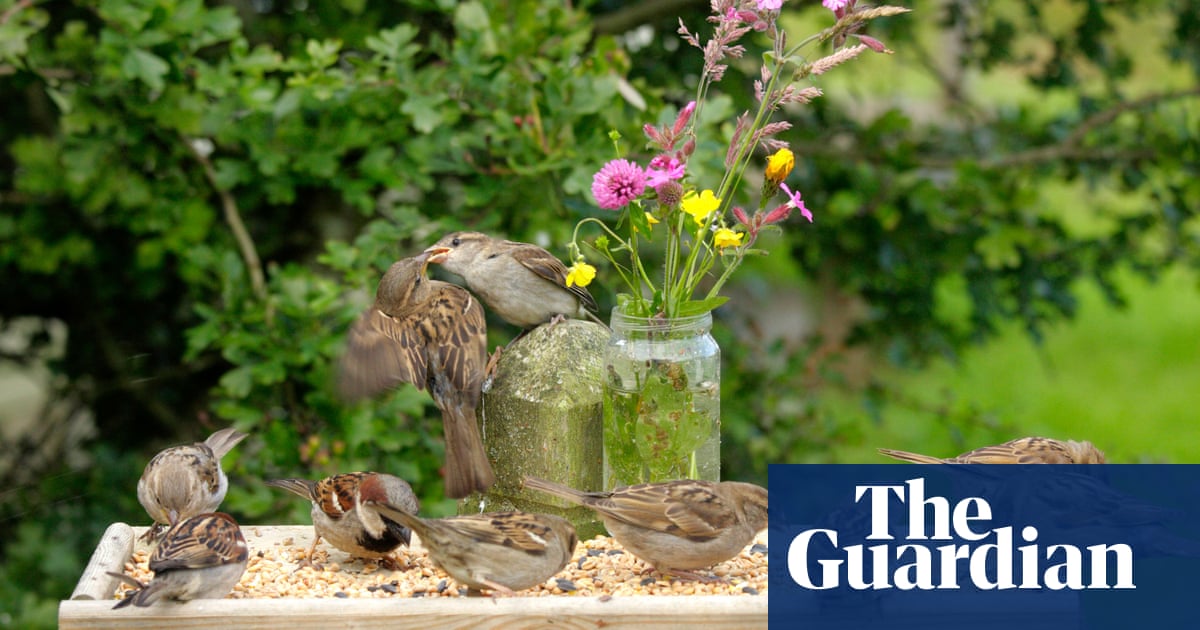
People use various methods to feed birds safely and easily. Bird feeders are common and come in many styles. Some hang feeders filled with seeds or nuts. Others spread food directly on the ground or window sills.
Common foods include:
- Sunflower seeds
- Peanuts
- Suet cakes
- Cracked corn
- Dried fruits
Many also use water dishes to help birds stay hydrated. Providing food regularly creates a routine for visiting birds. This practice encourages a variety of species to come close and stay longer.
Credit: fwrnews.com
Benefits Of Feeding Birds
Feeding birds can be more than just a simple backyard hobby. It offers real benefits that can impact bird populations and your own outdoor experience. Understanding these benefits helps you make informed choices about feeding practices.
Supporting Bird Survival
Providing food helps birds survive during tough seasons like winter when natural resources are scarce. It can be a lifeline for young birds or species struggling with habitat loss. Have you noticed how some birds return to your feeder regularly? That consistency shows how much they rely on the food you provide.
Feeding can also boost breeding success by giving birds extra energy to raise their young. This means your feeder could be contributing to the growth of local bird populations. Think about the difference you’re making when you choose quality seeds or suet for your feeders.
Enhancing Backyard Wildlife
Adding a bird feeder transforms your outdoor space into a lively natural hub. You’ll attract a variety of birds, from colorful finches to curious woodpeckers, creating a dynamic scene right outside your window. This variety enriches your daily life with nature’s sights and sounds.
Feeding birds also encourages other wildlife to visit your yard, like butterflies and squirrels, which adds to the ecosystem’s balance. Have you ever felt more connected to nature just by watching birds at your feeder? This connection can inspire you to protect and nurture your local environment even more.
Potential Downsides
Feeding birds might seem like a harmless way to connect with nature, but it’s important to consider the potential downsides. While you may enjoy watching your feathered visitors, some unintended consequences can affect both the birds and the environment. Understanding these risks helps you make smarter choices about whether and how to feed birds.
Health Risks For Birds
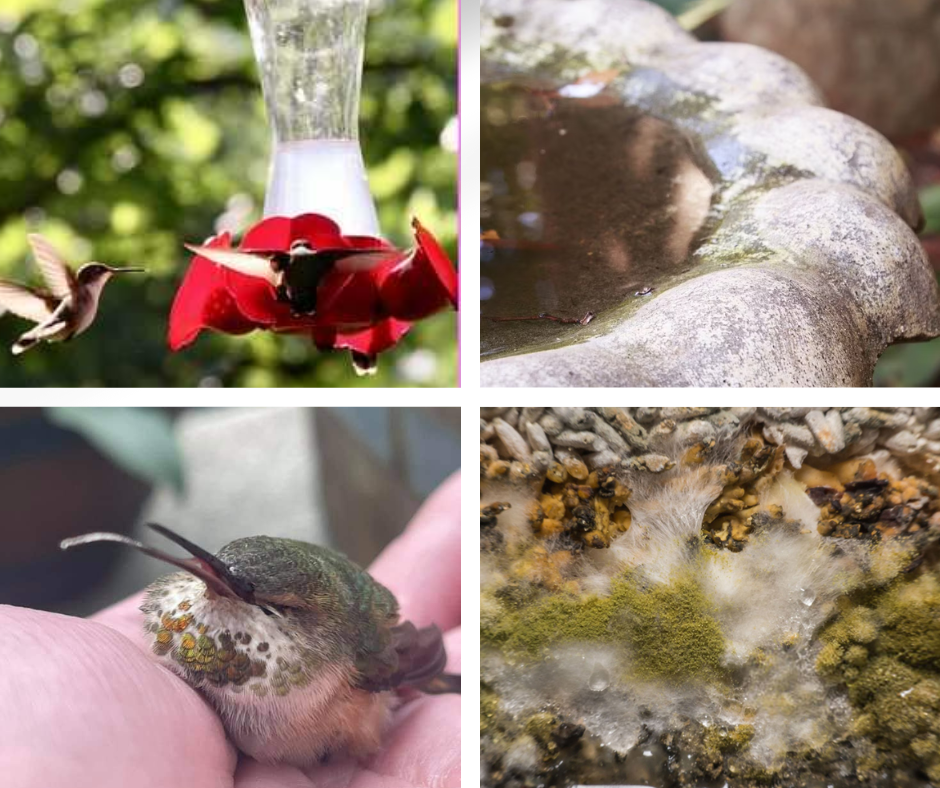
Feeding birds can expose them to health dangers you might not expect. Leftover or moldy food often attracts bacteria and fungi, which can lead to serious illnesses like salmonella. Crowded feeding spots can also increase the spread of diseases among birds.
Think about the time I watched a group of sparrows gather around a feeder with stale bread. Many of them looked weak and lethargic afterward. This made me realize that not all food is safe for birds, and poor feeding habits can harm them more than help.
Environmental Impacts
Bird feeding affects more than just the birds; it can disturb the local ecosystem. Excess food often falls to the ground and rots, attracting pests like rats and insects. This can disrupt the balance in your garden or neighborhood.
Additionally, feeding birds in one spot can encourage unnatural congregation, which changes their natural foraging behavior. Have you noticed how some areas become noisy and crowded with birds after food is added? This can stress local wildlife and affect plant growth.
Dependency Issues
When you regularly feed birds, they may start relying on your food instead of finding their natural diet. This dependency can make them vulnerable if the food supply suddenly stops. Birds might lose their ability to forage, and their survival skills could weaken over time.
Ask yourself: Are you helping birds or making them dependent? I once stopped feeding birds for a few weeks and noticed fewer visitors. But the birds that did come seemed more active and healthier, likely because they were hunting for their own food. This shows how important it is to encourage natural behaviors rather than constant handouts.

Credit: www.allaboutbirds.org
When To Stop Feeding
Knowing when to stop feeding birds is just as important as deciding to start. Feeding birds at the right times helps maintain their natural habits and prevents dependency. It also ensures the health of your local bird population and keeps your garden balanced.
Seasonal Considerations
Bird feeding needs change with the seasons. During winter, birds struggle to find natural food, so feeding them can be a lifeline. However, once spring arrives and natural food becomes plentiful, it’s wise to reduce or stop feeding.
Stopping in spring encourages birds to forage naturally and supports their breeding cycle. Feeding into summer can lead to overpopulation and increased disease risk. Think about your local climate too—warm regions might require less feeding than colder areas.
Signs Of Overfeeding
Overfeeding birds can cause several problems you should watch for. One clear sign is when leftover seeds accumulate, attracting pests like rats or unwanted insects. Another is if you notice birds crowding aggressively or showing signs of poor health.
Also, if you see birds relying solely on your feeder and not foraging elsewhere, it’s time to scale back. Your goal should be to support birds without disrupting their natural behaviors. Have you ever seen a feeder turned into a battleground? That’s a red flag signaling overfeeding.
Safe Feeding Tips
Feeding birds can be a joyful way to connect with nature, but it requires care to keep our feathered friends healthy and safe. Providing the right food and maintaining a clean feeding environment are key to supporting local wildlife without causing harm. Let’s look at simple yet effective tips to ensure your bird feeding habits help rather than hurt.
Choosing The Right Food
Not all bird food is created equal. Offer seeds like black oil sunflower, which are high in fat and loved by many species. Avoid bread or processed snacks; they lack nutrients and can cause health problems for birds.
Think about the birds in your area—do they prefer nuts, fruits, or insects? Tailoring your food choice can attract a variety of species and keep them coming back. Have you noticed certain birds ignoring your feeder? It might be time to switch up the menu.
Maintaining Clean Feeders
Dirty feeders can spread disease quickly among birds. Clean your feeders at least once every two weeks with hot, soapy water, and rinse them thoroughly. If you see mold or droppings, clean them immediately to prevent illness.
Keep an eye on leftover food that gets wet or clumps together—it can become a breeding ground for bacteria. Placing feeders in shaded areas helps food stay fresh longer and keeps birds comfortable while they eat.
Avoiding Harmful Practices
Some feeding habits can unintentionally harm birds. Avoid overfeeding, which can attract pests like rats or cause birds to become dependent on human food. Also, don’t feed birds too close to windows to reduce the risk of collisions.
Resist the urge to feed birds spoiled or moldy food. This can cause serious health issues. Instead, focus on providing fresh, natural food and observe how your actions impact the local bird population. What changes have you seen since you started feeding responsibly?
Alternatives To Feeding
If you’re wondering about alternatives to feeding birds, there are effective ways to support your local feathered friends without relying on bird feeders. Creating a welcoming environment and providing natural food options can help birds thrive on their own. These approaches not only reduce dependency but also encourage healthy, sustainable bird populations.
Creating Bird-friendly Habitats
Transform your yard into a safe haven by adding native plants and shrubs. Birds need places to hide, nest, and rest, so dense bushes and trees are essential. You might be surprised how quickly birds notice and start visiting a well-designed habitat.
Think about adding layers to your garden with tall trees, mid-height bushes, and ground cover. This variety mimics natural environments and attracts different bird species. Have you ever seen a bird quickly dart into a bush? That’s a sign your habitat feels safe to them.
Don’t forget fresh water sources like a shallow birdbath or a small pond. Birds need water for drinking and bathing, especially in hot weather. Keep the water clean to invite more visitors and watch their behavior change as they refresh themselves.
Providing Natural Food Sources
Instead of offering seeds or processed bird food, plant native flowers, trees, and shrubs that produce berries, nuts, and seeds. These natural foods are what birds have evolved to eat and often contain better nutrients.
- Sunflowers and coneflowers provide seeds many birds love.
- Berry-producing plants like elderberry and dogwood attract thrushes and waxwings.
- Oaks and hickories drop acorns and nuts that squirrels and jays enjoy.
By growing these plants, you create a self-sustaining food source that changes with the seasons. Have you noticed how birds’ diets shift throughout the year? Offering natural foods lets them adapt naturally, which is healthier than relying on feeders year-round.
Credit: www.theguardian.com
Frequently Asked Questions
Should I Stop Feeding Birds In Winter?
Feeding birds in winter helps them survive scarce food supplies. However, stop if feeders spread disease or disrupt natural habits. Clean feeders regularly and offer appropriate food to support bird health safely during cold months.
Can Feeding Birds Harm Their Natural Foraging Skills?
Yes, constant feeding can reduce birds’ natural foraging instincts. Birds may rely too much on feeders and neglect searching for food. It’s best to feed birds occasionally while encouraging natural behaviors to maintain their survival skills.
Does Feeding Birds Attract Unwanted Pests?
Feeding birds can attract pests like rats, squirrels, and insects. Proper feeder placement and cleanliness reduce these problems. Use feeders designed to deter pests and remove spilled food promptly to keep your garden safe and clean.
How Often Should I Clean Bird Feeders?
Clean bird feeders every two weeks or more often in wet weather. Regular cleaning prevents mold, bacteria, and disease spread among birds. Use hot, soapy water and rinse thoroughly to keep feeders safe and hygienic.
Conclusion
Deciding whether to stop feeding birds involves careful thought. Consider the impact on local wildlife. Overfeeding can harm birds and environment. Balance is key. Provide food in moderation. Ensure a clean feeding area. Attract diverse species with varied seeds. Observe changes in bird behavior.
This helps make informed decisions. Local wildlife experts can offer guidance. They understand regional needs. Your actions affect bird populations. Positive changes start with simple steps. Enjoy birdwatching responsibly. Support healthy ecosystems. Your contribution matters. Together, we protect and cherish nature.