
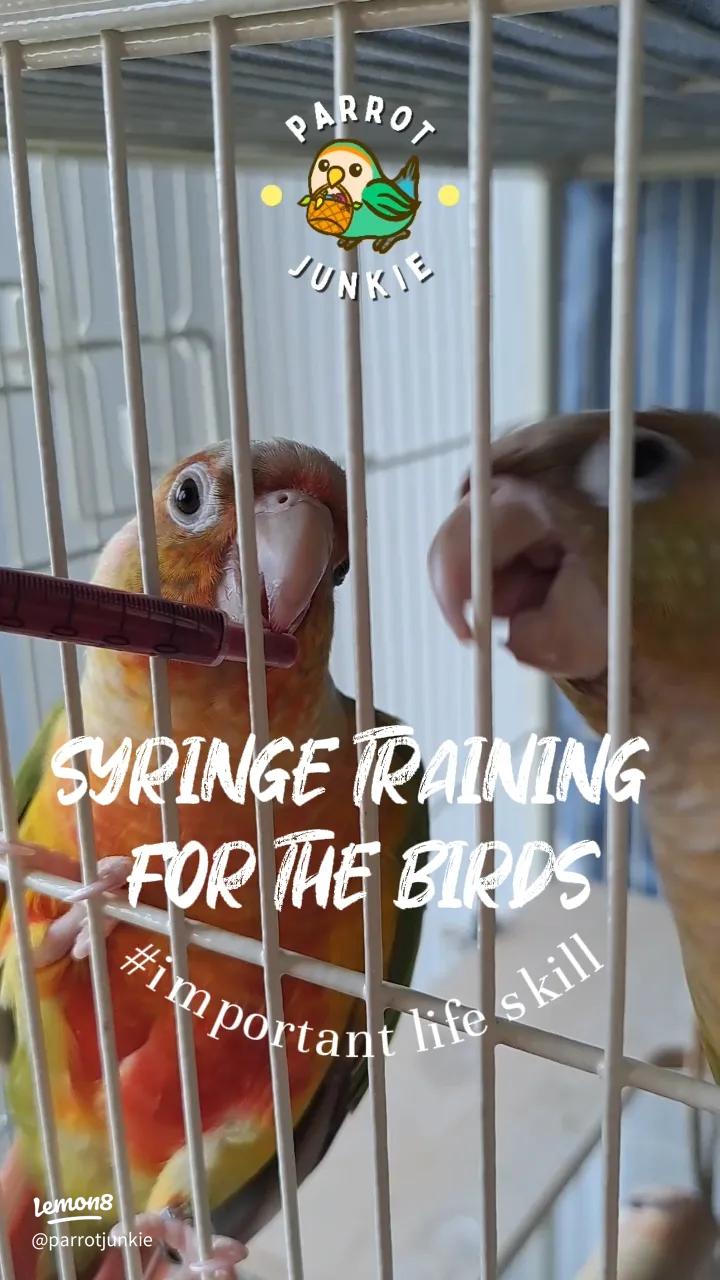
Feeding a lovebird with a syringe might sound tricky, but with the right steps, you can do it safely and confidently. If your feathered friend needs extra care or medication, knowing how to feed them properly is essential.
You want to make sure your lovebird stays healthy and comfortable throughout the process. In this guide, you’ll learn simple and effective techniques that anyone can follow. Keep reading, and you’ll soon feel ready to help your lovebird thrive with gentle syringe feeding.
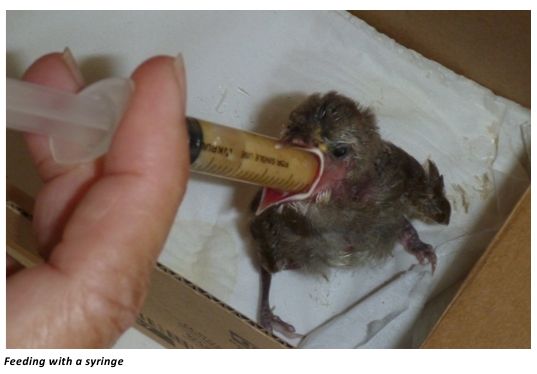
Credit: besgroup.org
Preparing The Feeding Syringe
Preparing the feeding syringe is a crucial step to ensure your lovebird receives the right nutrition safely and comfortably. Taking time to select and clean the syringe properly can make the feeding process smoother for both you and your feathered friend. Let’s look at how to get your syringe ready for feeding.
Choosing The Right Syringe Size
Pick a syringe that matches your lovebird’s size and feeding needs. Too large a syringe can overwhelm your bird, while too small may make feeding take longer than necessary.
Usually, a 1ml to 3ml syringe works best for lovebirds. If you’re feeding a chick or a very young bird, smaller sizes offer better control over the amount of food delivered.
Think about how precise you want to be with measuring the food. Would a syringe with clear volume markings help you avoid overfeeding? Consider this when making your choice.
Sterilizing The Syringe
Cleanliness is key to prevent infections. Always sterilize the syringe before each feeding session.
Use hot, soapy water to wash the syringe thoroughly. Rinse well to remove any soap residue.
For extra safety, boil the syringe in water for about 5 minutes or use a pet-safe disinfectant recommended by your vet. Do you have a routine to keep feeding tools hygienic?
Selecting The Appropriate Food
The syringe is only as good as what you put inside it. Choose a food mixture suitable for your lovebird’s age and health.
Common options include specially formulated hand-feeding formulas or softened pellets. Avoid foods that are too thick or chunky as they can clog the syringe.
Test the consistency by drawing the food into the syringe. Is it smooth enough to flow easily but not so runny that it spills? Finding this balance is essential for safe feeding.

Credit: www.amazon.in
Preparing The Love Bird For Feeding
Preparing your love bird for syringe feeding is crucial to make the process smooth and stress-free for both of you. A calm and safe environment helps your bird stay relaxed and cooperative. Before you even pick up the syringe, focus on creating the right setting and handling techniques to ensure your bird feels secure.
Creating A Calm Environment
Your love bird is sensitive to noise and sudden movements. Choose a quiet room where distractions are minimal. Dim the lights slightly and close windows to reduce outside noises like traffic or barking dogs.
Soft background sounds, such as gentle music or white noise, can help mask startling noises. Have everything you need within reach so you can work efficiently without leaving your bird alone.
Handling The Bird Safely
Before feeding, it’s important to handle your love bird gently but firmly to avoid injury. Support its body with one hand while using your other hand to hold the head steady but not tight.
Observe your bird’s body language—if it shows signs of distress like flapping wings or biting, pause and give it time to calm down. Remember, your goal is to build trust, not to rush the feeding.
Positioning The Bird For Feeding
Proper positioning makes syringe feeding easier and safer. Hold your bird in an upright position, slightly tilted forward. This helps prevent choking and allows the food to flow smoothly down the throat.
Keep your grip gentle but secure, and angle the syringe carefully just beside the bird’s tongue. Avoid forcing the syringe too far in, which can cause discomfort or injury.
Feeding Process
Feeding a lovebird with a syringe requires care and patience. The feeding process ensures your bird gets the right nutrition safely. It involves filling the syringe, feeding slowly, and watching your bird’s reactions. Each step helps avoid stress or choking. Follow the instructions carefully to keep your lovebird healthy and comfortable.
Filling The Syringe Correctly
Use fresh, warm food suitable for lovebirds. Avoid air bubbles in the syringe. Draw the food slowly to fill the syringe. Tap the syringe gently to move bubbles up. Push the plunger slightly to remove any air. Always use the right size syringe for your bird.
Administering Food Slowly
Hold your lovebird gently but firmly. Place the syringe tip near the side of the beak. Push the plunger slowly to release small amounts. Allow the bird to swallow before giving more. Never force food into the throat. Keep a steady pace to prevent choking.
Recognizing Signs Of Discomfort
Watch your lovebird’s body language closely. Signs of discomfort include:
- Gasping or struggling
- Head shaking
- Refusal to open the beak
- Excessive drooling or coughing
Stop feeding immediately if you see these signs. Give your bird a moment to relax. Resume feeding only when calm and ready.
Post-feeding Care
Post-feeding care is important for your love bird’s health and comfort. It helps prevent infections and keeps your bird happy. Paying attention to small details after feeding ensures better recovery and growth. Cleanliness and monitoring are key parts of this care.
Cleaning The Bird’s Beak
Use a soft, damp cloth or cotton ball to gently wipe the bird’s beak. Remove any leftover food to prevent bacteria growth. Be careful not to hurt the bird’s delicate skin around the mouth. This keeps the beak clean and avoids irritation.
Monitoring The Bird’s Health
Watch your love bird closely for any changes in behavior or appearance. Check for signs like swelling, redness, or unusual discharge around the beak. Note if the bird seems weak or refuses to eat. Early detection of problems helps in quick treatment.
Cleaning And Storing The Syringe
Rinse the syringe with warm water immediately after feeding. Use mild soap to clean all parts thoroughly. Avoid harsh chemicals that can harm your bird later. Let the syringe air dry completely before storing it in a clean, dry place. Proper cleaning prevents infections and keeps the syringe ready for next use.
Common Feeding Challenges
Feeding a lovebird with a syringe can be rewarding but comes with its own set of challenges. You might face moments when your bird refuses food or struggles to swallow properly. Understanding these common issues helps you respond calmly and effectively, improving your bird’s health and your feeding experience.
Dealing With Refusal To Eat
Sometimes, your lovebird may simply refuse to take the syringe. This can happen if the temperature of the food is off, or if your bird feels stressed.
Try warming the food slightly; it should be just warm, not hot. Offer small amounts gently and speak softly to keep your bird calm.
Have you noticed if certain flavors or textures make your bird more willing? Experiment carefully to find what works best.
Avoiding Aspiration
Aspiration happens when food accidentally enters the lungs, which can be dangerous. To prevent this, always feed your lovebird slowly and at a proper angle.
Hold the syringe close to the side of the beak, not directly in front, and allow your bird to swallow at its own pace. Watch closely for any coughing or distress.
If your bird chokes or sputters, stop immediately and give it time to recover before trying again.
Adjusting Feeding Frequency
Your lovebird’s appetite can change due to illness or growth stages, so you might need to adjust how often you feed. Younger birds often need more frequent, smaller meals throughout the day.
Observe your bird’s energy and droppings to gauge if it’s getting enough food. If unsure, consult a vet for a tailored feeding schedule.
Have you tracked feeding times and noticed patterns in your bird’s behavior? This can help you find the right balance for your pet’s needs.

Credit: www.reddit.com
Frequently Asked Questions
How Do I Prepare A Syringe For Feeding A Lovebird?
Use a clean, sterile syringe without a needle. Fill it with warm, softened bird formula. Ensure no air bubbles are inside to avoid choking.
What Is The Right Feeding Frequency For Lovebirds?
Feed young lovebirds every 2-3 hours during the day. Gradually reduce feeding as they grow. Adult birds usually eat on their own.
How Much Food Should I Give Per Feeding?
Offer small amounts, about 1-2 ml per feeding. Overfeeding can cause health issues. Observe the bird’s appetite and adjust accordingly.
Can I Use Homemade Food In Syringe Feeding?
Yes, but ensure the food is smooth and nutritious. Avoid harmful ingredients like salt or sugar. Always consult a vet for safe recipes.
Conclusion
Feeding a love bird with a syringe takes patience and care. Always ensure the syringe is clean and filled properly. Hold your bird gently but firmly. Aim the syringe at the side of the beak. Feed slowly to avoid choking.
Pay attention to your bird’s reactions. Stop if the bird seems stressed. Clean the syringe after each use. Practice makes perfect with time. Love and patience will help your bird thrive. Your bird’s health and happiness are the ultimate goals.
Keep learning and stay attentive to your feathered friend.