
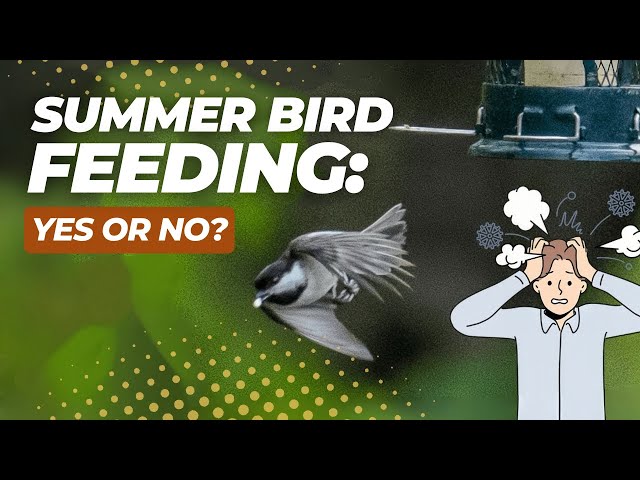
Do you feed wild birds in summer? You might think they don’t need your help when the weather is warm and food seems plenty.
But what if your simple act of kindness could make a big difference for these birds during the hottest months? Imagine creating a peaceful space in your own backyard where colorful birds visit every day, bringing life and joy. Keep reading to discover why feeding wild birds in summer is more important than you may realize—and how you can do it the right way to help them thrive.
Credit: www.familyhandyman.com
Why Feed Birds In Summer
Feeding wild birds during summer might not be the first thing on your mind, but it can have a significant impact on their survival and well-being. Many people assume birds find plenty of food on their own in the warmer months, yet your support can make a real difference. Understanding why feeding birds in summer matters helps you make informed choices that benefit your local feathered friends.
Benefits For Birds
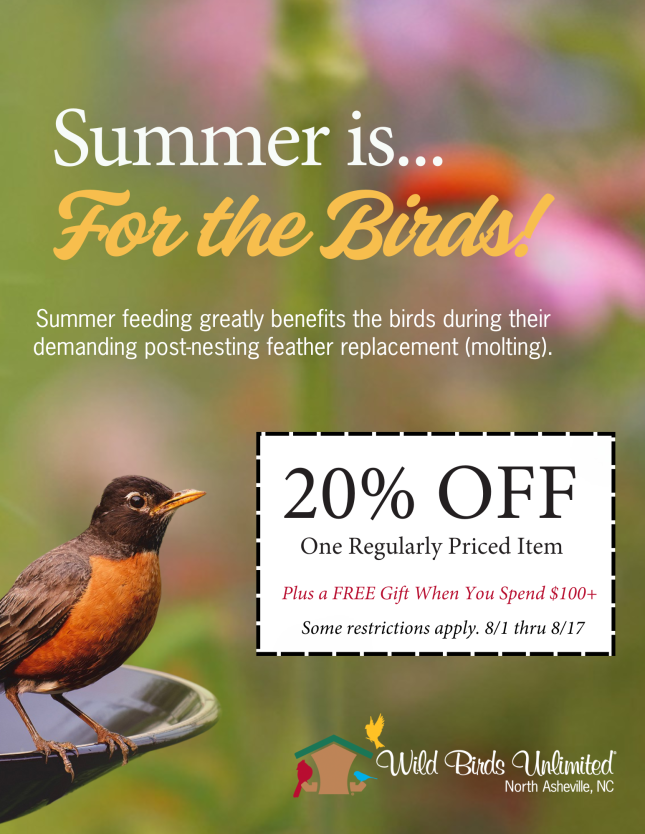
Summer is a busy time for birds. Many species are raising chicks and need extra energy for feeding and protection. Providing food supplements their natural diet, especially when insects and seeds are scarce.
Birds also face heat stress and dehydration. Adding fresh water and nutrient-rich foods helps them stay healthy and active. Have you noticed how birds visit your feeders more often in hot weather? That’s a clear sign they appreciate your help.
Supporting Local Wildlife
Your backyard can become a vital refuge for local wildlife during summer. Feeding birds encourages a healthy ecosystem right outside your door. It attracts not only birds but also beneficial insects and small mammals.
This connection supports biodiversity and keeps natural pest control balanced. Plus, watching a variety of birds visit your garden creates a rewarding experience for you. What local species might you discover with a little extra effort?
Seasonal Challenges
Summer brings unique challenges for wild birds. Dry spells reduce natural water sources, making hydration difficult. Heat waves can also lower the availability of insects and seeds, crucial parts of many birds’ diets.
Feeding birds in summer helps them overcome these obstacles. Offering water and fresh food can prevent starvation and dehydration during tough times. How often do you check your feeders and water stations to ensure they’re clean and filled?
Best Foods For Summer Birds
Feeding wild birds in summer helps them stay healthy and active. The right foods provide essential nutrients and energy. Birds need a mix of seeds, fruits, and protein to thrive. Offering varied foods attracts different bird species to your garden or feeder.
Seeds And Grains
Birds enjoy many seeds and grains during summer. Black oil sunflower seeds are popular and easy to digest. Millet and cracked corn also attract small birds. Use fresh, dry seeds to avoid mold and spoilage. Scatter seeds on a platform feeder or ground for easy access.
Fresh Fruits And Vegetables
Summer fruits and vegetables provide vitamins and hydration. Offer sliced apples, oranges, and berries for sweetness. Chopped cucumbers, peas, and leafy greens add variety. Avoid fruit with pesticides; wash all produce well. Place fruits on a tray or specially designed fruit feeder.
Insects And Protein Sources
Insects are a key summer food for many birds. Mealworms, crickets, and small caterpillars supply protein and fat. You can buy dried or live mealworms from pet stores. Some birds also eat boiled eggs or finely chopped cooked chicken. Protein helps birds build feathers and stay strong.
Feeding Tips For Hot Weather
Summer heat can be tough on wild birds, making your role as a feeder even more important. Hot weather changes what birds need to stay healthy and active. Adjusting how you feed them helps you support their wellbeing during these challenging months.
Providing Fresh Water
Water is the most critical need for birds in summer. You can keep a shallow dish or a birdbath filled with fresh water every day. Birds use it for drinking and cooling off, so changing the water daily prevents bacteria and keeps it inviting.
Have you noticed birds dipping their wings or bathing more when it’s hot? That’s their way to beat the heat. Adding a mister or dripper can attract more visitors and help them stay cool.
Keeping Feeders Clean
High temperatures speed up mold and bacteria growth on feeders. Cleaning your feeders regularly stops harmful germs from spreading. Rinse and scrub feeders at least once a week with warm soapy water, and rinse well.
I learned this the hard way when I saw fewer birds visiting after neglecting cleaning during a hot spell. A clean feeder keeps birds healthy and coming back.
Avoiding Spoiled Food
Heat causes seeds and suet to spoil quickly. Spoiled food can harm birds or make them sick. Replace food often and remove any damp or moldy leftovers immediately.
Offering smaller amounts more frequently helps prevent waste and ensures fresh food is always available. Have you ever seen birds turn away from old seeds? They know what’s good for them better than we think.
Choosing The Right Feeders
Choosing the right feeders for summer is essential to keep wild birds coming back to your yard. The heat and changing behaviors of birds during warmer months mean your feeders need to be practical and inviting. Selecting feeders with the right design, placement, and materials can make all the difference in attracting birds while protecting their health.
Types Of Feeders For Summer
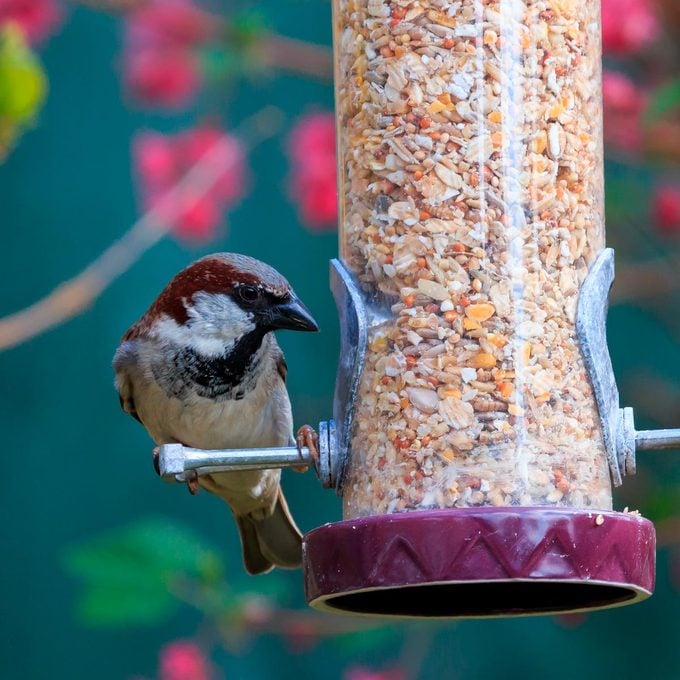
Not all feeders work well in summer. Tube feeders with small perches are great for small songbirds but can get hot quickly. Platform feeders offer open space and good airflow, helping keep seeds dry and fresh.
Consider hummingbird feeders, too. They provide essential sugar water and are designed to prevent rapid spoiling in the heat. Your choice should match the birds you want to attract and the weather conditions.
Placement For Shade And Safety
Where you place your feeders impacts how often birds visit. Position them in shaded areas to protect seeds from sun damage and to keep birds cool while feeding. Shade also slows mold and spoilage, which is crucial in summer’s heat.
Think about bird safety as well. Place feeders near bushes or trees that offer quick shelter from predators. But avoid spots that are too close to heavy foot traffic or noisy areas, which can scare birds away.
Materials That Withstand Heat
Summer heat can warp or fade some feeders. Look for feeders made of durable materials like metal or UV-resistant plastic. These materials hold up well under constant sun exposure and won’t crack or melt easily.
Wood feeders can be beautiful but may need extra care to prevent drying out or rotting. If you prefer wood, choose ones treated for outdoor use and inspect them regularly for wear.
Common Summer Bird Species
Summer brings a lively mix of bird species to your backyard. Knowing which birds are common during these warmer months can help you decide if and how to feed them. Understanding their habits and preferences makes your bird feeding experience more rewarding and enjoyable.
Backyard Visitors
Many birds stick around your neighborhood all year, but summer often invites a few new faces. Species like the American Robin, Northern Cardinal, and Blue Jay are regular backyard visitors during summer. They appreciate feeders stocked with seeds, fruits, and even mealworms.
Have you noticed how cardinals seem to brighten your garden with their vibrant red feathers? Offering sunflower seeds or cracked corn can keep these colorful guests coming back.
Migratory Birds
Summer is prime time for migratory birds passing through or settling temporarily. Swallows, warblers, and orioles often travel great distances and rely on food sources you provide. These birds usually prefer nectar, insects, and fruit rather than traditional seed mixes.
Consider adding a hummingbird feeder or planting native flowering plants. Have you ever watched a flash of orange or iridescent green hover near your feeder? That’s a migratory bird enjoying your summer hospitality.
Attracting Specific Species
Want to attract particular birds? Tailor your feeders and food choices. For example, suet cakes attract woodpeckers and nuthatches, while millet is popular with sparrows and juncos.
Think about the birds you most want to see. Are you aiming for the cheerful chatter of chickadees or the striking appearance of a Baltimore Oriole? Adjust your feeding strategy accordingly, and watch your feathered friends respond.
Credit: northasheville.wbu.com
Preventing Pests And Predators
Feeding wild birds during summer can attract more than just feathered friends. Pests and predators often follow the easy food source, creating challenges for your backyard sanctuary. Preventing these unwanted visitors protects the birds you want to help and keeps your outdoor space safe and pleasant.
Deterring Squirrels And Rodents
Squirrels and rodents can quickly take over bird feeders, scaring away birds and spreading seeds everywhere. You can stop them by using squirrel-proof feeders that close under their weight or have cages around the seed. Adding spicy pepper flakes to the seed mix works because birds don’t mind the heat, but squirrels do.
Another trick is to place feeders on poles with baffles—those dome-shaped guards prevent squirrels from climbing up. Have you noticed how squirrels seem to find every crack? Making your feeder area less accessible is key to winning this game.
Protecting Birds From Cats
Cats are natural hunters and can pose a serious threat to visiting birds. You can reduce this risk by placing feeders away from bushes or low branches where cats can hide. Feeding birds in open areas gives them a better chance to spot danger early.
Using motion-activated devices or sprinklers can also scare cats away without harming them. Have you ever watched birds freeze and stare? That alertness often means they sense a predator nearby—help them stay safe by keeping cats out of their feeding zones.
Managing Insect Problems
Summer heat invites insects like ants, bees, and wasps to your feeders, sometimes driving birds away. Try using ant moats filled with water above feeders to block ants from reaching the food. Keeping feeders clean and wiping up spilled seeds reduces attraction for insects too.
Bee and wasp problems can be tricky since they also pollinate plants. Offering fresh water sources away from feeders can distract them. Have you ever noticed birds avoiding a feeder buzzing with wasps? Small changes can keep your birds comfortable and your feeders pest-free.
Signs Of Healthy Bird Feeding
Knowing the signs of healthy bird feeding helps you ensure that your efforts truly benefit the wild birds around you. It’s not just about putting out food; it’s about creating a safe, welcoming space that supports their wellbeing. Watching for clear indicators will guide you to improve your bird feeding habits and enjoy more frequent visits.
Active Bird Visits
One of the most obvious signs is a steady stream of bird visitors. If you see birds coming and going regularly, it means your feeder offers food they trust and find nutritious. Different species arriving throughout the day also shows diversity and health in the local bird population.
If visits slow down, ask yourself: Is the food fresh? Are predators nearby? Small adjustments can bring birds back quickly.
Clean Feeding Areas
Healthy bird feeding means keeping the feeding spot tidy. You should see little leftover food and minimal droppings around the feeder. Regular cleaning prevents mold, bacteria, and disease that can harm birds.
Watch for moldy seeds or wet husks, and clean your feeder at least once a week. Have you checked your feeding area today?
Bird Behavior To Watch
Bird behavior offers clues about their health and comfort. Look for alert, active birds that easily fly away if disturbed. Relaxed birds feeding calmly show they feel safe.
Signs of unhealthy feeding include birds scratching or pecking at the ground nervously or staying away altogether. Notice how birds interact at your feeder—are they aggressive or peaceful? Their behavior can tell you if your feeding environment needs improvement.

Credit: m.youtube.com
Frequently Asked Questions
Should I Feed Wild Birds During Summer Months?
Yes, feeding wild birds in summer helps them stay nourished when natural food is scarce. Provide fresh water and seeds suitable for summer.
What Are The Best Foods For Wild Birds In Summer?
Offer fruits, mealworms, and sunflower seeds in summer. Avoid moldy or wet food to keep birds healthy and safe.
How Often Should I Refill Bird Feeders In Summer?
Refill feeders daily in summer to ensure birds have fresh food and water. Clean feeders regularly to prevent disease.
Can Feeding Birds In Summer Attract Pests?
Yes, feeding birds may attract pests like ants or rodents. Use pest-proof feeders and clean spills promptly to minimize issues.
Conclusion
Feeding wild birds in summer brings joy and connection with nature. It supports their dietary needs and encourages diverse bird species to visit. Providing fresh water is equally important for their hydration. Choose bird-friendly foods like seeds, fruits, and nuts.
Clean feeders regularly to prevent disease. Remember, balance is key; don’t overfeed. Enjoy watching their vibrant colors and listening to their songs. Observing these feathered friends adds peace to your day. Embrace the beauty of wildlife right in your backyard.
Make your summer memorable with these simple actions. It’s a rewarding experience for both you and the birds.