
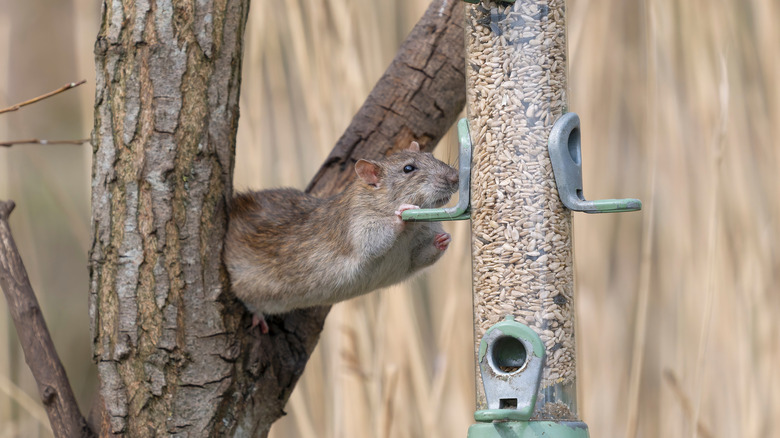
Are you tired of finding rats munching on your bird feeder? It’s frustrating when your efforts to attract beautiful birds are ruined by unwanted visitors.
You want to enjoy watching birds, not deal with pests scurrying around your yard. Luckily, there are simple and effective ways to keep rats away from your feeder. Keep reading, and you’ll discover easy tips that protect your bird food and keep your outdoor space safe and peaceful.
Your birds will thank you—and so will your home!

Credit: www.amazon.com
Why Rats Visit Bird Feeders
Understanding why rats are drawn to your bird feeder is the first step in keeping them away. Rats are clever and resourceful creatures that quickly learn where to find an easy meal. If you notice nibble marks or rat footprints near your feeder, it’s a sign they’ve found a reliable food source.
Common Rat Attractants
Bird feeders offer plenty of tempting treats for rats. Seeds that spill onto the ground create a buffet just for them. Also, feeders that are easy to access give rats little reason to look elsewhere.
Besides seeds, rats are attracted to:
- Leftover nuts and fruits
- Pet food left outside
- Clutter or debris near the feeder where rats can hide
Think about your feeder setup. Is it spilling more food than feeding birds? This small detail might be inviting rats more than you realize.
Feeding Habits Of Rats
Rats are mostly nocturnal, meaning they feed during the night. This behavior helps them avoid predators and human activity. If your feeder is accessible at night, it becomes a convenient meal spot.
They tend to hoard food, dragging it to safe spots to eat later. You might find seed piles hidden nearby if rats are visiting. Their sharp teeth allow them to chew through plastic or thin metal, making many feeders vulnerable.
Have you noticed missing seeds but no birds around? It could be rats making a midnight snack run. Adjusting your feeder’s design and location can help break this habit.

Credit: www.providingisloving.co.uk
Choosing Rat-resistant Feeders
Choosing the right bird feeder helps keep rats away effectively. Some feeders are built with materials and designs that rats cannot easily damage or access. Selecting feeders with special features can also discourage rats from visiting your bird feeding area. These choices protect your birds’ food and reduce rodent problems.
Materials And Designs To Consider
Metal feeders are tough and hard for rats to chew through. Stainless steel and heavy-duty aluminum resist damage well. Plastic feeders might be easier targets for rats to gnaw on.
Look for feeders with smooth surfaces. Rats find it hard to climb smooth metal or plastic tubes. Avoid feeders with rough or wooden parts that rats can grip.
Tube feeders with narrow openings limit access to seeds. Platform feeders leave seeds exposed, attracting rats more easily. Feeders that hang from thin poles or wires make climbing tricky for rats.
Features That Deter Rats
- Baffles:Dome-shaped or cone guards placed above or below the feeder block rats from climbing.
- Weight-sensitive perches:These close access when heavy animals like rats land on them.
- Seed trays with drainage:Keep seeds dry and reduce spilled food that attracts rats.
- Enclosed feeding ports:Only allow small birds to reach seeds, keeping rats out.
Feeders with these features create physical barriers. Rats find it harder to reach the food. These designs protect your birdseed and limit rat visits.
Proper Placement Of Bird Feeders
Proper placement of bird feeders is key to keeping rats away. Rats are clever and agile. They often find easy ways to reach feeders. Placing feeders thoughtfully helps stop rats from accessing food. This also protects birds and keeps your garden clean.
Ideal Locations To Minimize Rat Access
Choose spots away from walls, fences, and thick bushes. Rats use these as bridges to reach feeders. Open areas reduce hiding spots for rats. Place feeders near open spaces where birds feel safe. Avoid spots near garbage or compost bins. These attract rats and increase the risk of infestation.
- Keep feeders at least 10 feet from walls and fences.
- Place feeders in open, sunny areas.
- Avoid dense shrubbery and thick vegetation nearby.
- Do not place feeders near trash or food waste.
Using Height And Distance Strategically
Height is a strong defense against rats. Mount feeders at least 5 feet above the ground. Use smooth metal poles to prevent climbing. Keep feeders 3 feet away from any jumping points like trees or decks. Rats can leap far, so distance matters. Adding baffles or guards on poles stops rats from climbing. These simple barriers block rat access effectively.
- Set feeders 5 feet or higher from the ground.
- Use metal or slippery poles for mounting.
- Keep feeders 3 feet away from nearby jump points.
- Install baffles on poles to block climbing rats.
Maintaining Cleanliness Around Feeders
Keeping rats away from your bird feeder starts with maintaining a clean area around it. Rats are attracted to leftover seeds and debris, so a tidy feeding spot reduces their interest. A clean environment also keeps your feathered visitors safe and healthy.
Cleaning Routine Tips
Set a regular schedule to clean your bird feeder and the surrounding area. Aim to wipe down the feeder every week to remove any sticky seed residue or droppings. This simple habit discourages rats from settling in nearby.
Use warm, soapy water and a brush to scrub the feeder parts thoroughly. Rinse well and let them dry completely before refilling. This keeps mold and bacteria at bay, which benefits the birds and prevents attracting pests.
Don’t forget to clear away old, damp seeds that fall into the feeder tray or ground. Leaving them there is like leaving out a welcome mat for rats. Are you surprised by how much spilled seed can accumulate in just a few days?
Managing Spilled Seeds
Spilled seeds are the biggest invitation for rats. Check the ground around your feeder daily and sweep or rake up any dropped seeds. A clean ground prevents rats from finding easy meals near your bird feeder.
Consider placing a tray or mat under the feeder to catch falling seeds. This makes clean-up faster and more effective. Plus, it stops seeds from getting wet and sprouting unwanted weeds.
Think about where you place your feeder, too. Avoid areas near sheds, woodpiles, or dense brush where rats like to hide. Do you notice how changing just one factor, like location or clean-up frequency, can reduce rat problems?
Natural Deterrents And Repellents
Keeping rats away from your bird feeder can be tricky, but natural deterrents and repellents offer a safe and effective solution. These options not only protect your feathered friends but also avoid harmful chemicals around your garden. Let’s look at some simple and practical ways to discourage rats naturally.
Plants That Keep Rats Away
Certain plants have scents or properties that rats find unpleasant. Adding these plants near your bird feeder can create a natural barrier.
- Mint:Its strong aroma is disliked by rats and helps mask the smell of birdseed.
- Lavender:Not only does it smell great to you, but rats tend to avoid it.
- Garlic:Planting garlic nearby can repel rats due to its pungent smell.
- Chili Peppers:Rats dislike spicy scents, so placing chili plants or dried chili flakes around the feeder works well.
I once planted mint around my backyard feeder, and within days, the rats stopped showing up. Could a few simple plants be the natural shield your feeder needs?
Safe Homemade Repellents
Homemade repellents offer a budget-friendly and eco-friendly way to keep rats at bay. You likely already have the ingredients in your kitchen.
- Vinegar Spray:Mix equal parts water and white vinegar in a spray bottle. Spray the area around the feeder to create a scent barrier rats avoid.
- Peppermint Oil:Soak cotton balls in peppermint oil and place them near the feeder. Rats hate the strong smell and will stay away.
- Hot Pepper Spray:Blend hot peppers with water and strain the mixture. Spray it around the feeder area for a spicy deterrent.
After spraying vinegar around my feeders, I noticed fewer rat tracks in the morning. Have you tried using household items as pest repellents before?
Physical Barriers To Block Rats
Physical barriers offer a strong defense against rats invading your bird feeder. These barriers stop rats from climbing or chewing their way to the food. Using simple tools and materials, you can protect your feeder effectively. This section covers easy ways to block rats with physical barriers.
Installing Baffles And Guards
Baffles are round or cone-shaped shields placed on poles or hanging wires. They prevent rats from climbing up to the feeder. Install a baffle below the feeder or on the pole supporting it. Use metal or hard plastic baffles for better durability. Make sure the baffle is smooth and wide enough so rats cannot get around it.
Guards work similarly by blocking access points. You can also attach a metal or plastic guard around the feeder’s base. This stops rats from chewing or squeezing through tight spots. Check these barriers often for damage or wear. Replace or repair them to keep the feeder safe.
Using Wire Mesh And Other Materials
Wire mesh is a practical tool to keep rats away. Wrap the feeder pole or base with fine wire mesh. Use mesh with small holes, around 1/4 inch or less, to stop rats from squeezing through. Secure the mesh tightly with wire or zip ties. Avoid loose ends where rats can grab or chew.
Other materials such as metal flashing or hardware cloth also work well. These can be bent and shaped to cover vulnerable spots. Avoid plastic mesh as rats can chew through it easily. Choose rust-resistant materials to ensure long-lasting protection. Proper installation of these materials creates a strong barrier rats cannot breach.
Trapping And Removing Rats Safely
Trapping and removing rats safely is essential to protect your bird feeder without causing harm to other wildlife or pets. Handling rats requires caution because they can carry diseases and reproduce quickly. Using safe and effective methods ensures you address the problem responsibly while maintaining a healthy outdoor space.
Humane Traps And Methods
Humane traps capture rats alive, allowing you to release them far from your property. These traps usually have a door that closes gently once the rat enters, avoiding injury. Check the traps frequently to reduce stress on the animal and prevent suffering.
You can bait humane traps with peanut butter, sunflower seeds, or dried fruit. Place traps near the bird feeder but out of reach of your birds to avoid accidental captures. Remember to wear gloves when handling traps to protect yourself and avoid transferring your scent, which might deter rats.
Another option is to use natural deterrents alongside trapping. Peppermint oil or ammonia-soaked cotton balls placed near feeders can discourage rats from approaching. However, these won’t remove rats already present, so trapping remains necessary for immediate control.
When To Call Professionals
If rat activity seems overwhelming or you encounter signs like droppings, gnaw marks, or nests inside your home, it’s time to seek expert help. Professionals have the tools and knowledge to safely remove rats and prevent future infestations.
Calling a pest control service can save you time and reduce risks associated with DIY trapping, such as improper handling or incomplete removal. They can also identify entry points and advise on long-term prevention strategies tailored to your property.
Have you noticed any unusual rat behavior around your feeder that makes you uneasy? If so, don’t hesitate to reach out to experts who can guide you through the safest removal process and protect your outdoor space effectively.

Credit: www.providingisloving.co.uk
Frequently Asked Questions
How Can I Prevent Rats From Reaching My Bird Feeder?
Use a baffle or guard around the feeder pole to block rats. Place feeders away from trees or structures rats can climb. Clean spilled seeds regularly to avoid attracting rodents.
What Types Of Bird Feeders Keep Rats Away?
Metal tube feeders with small feeding ports deter rats. Hanging feeders are better than ground feeders. Avoid platform feeders, as they give easy access to rats.
Does Using Safflower Seeds Help Keep Rats Off Feeders?
Yes, safflower seeds are less attractive to rats and squirrels. Birds like cardinals and chickadees enjoy them, but rats tend to avoid safflower seeds.
How Often Should I Clean My Bird Feeder To Prevent Rats?
Clean feeders weekly to remove seed debris and droppings. Regular cleaning reduces odors and food sources that attract rats. Use hot, soapy water for thorough cleaning.
Conclusion
Keeping rats away from your bird feeder requires simple strategies. Use baffles and secure feeders tightly. Clean dropped seeds promptly to avoid attraction. Consider placing feeders far from trees and fences. Regularly check and maintain your setup for effectiveness. With these steps, you can enjoy birds without unwelcome guests.
A peaceful garden awaits when rats stay away. Consistent efforts yield long-term success. Enjoy watching birds in their natural habitat. Happy bird watching!