
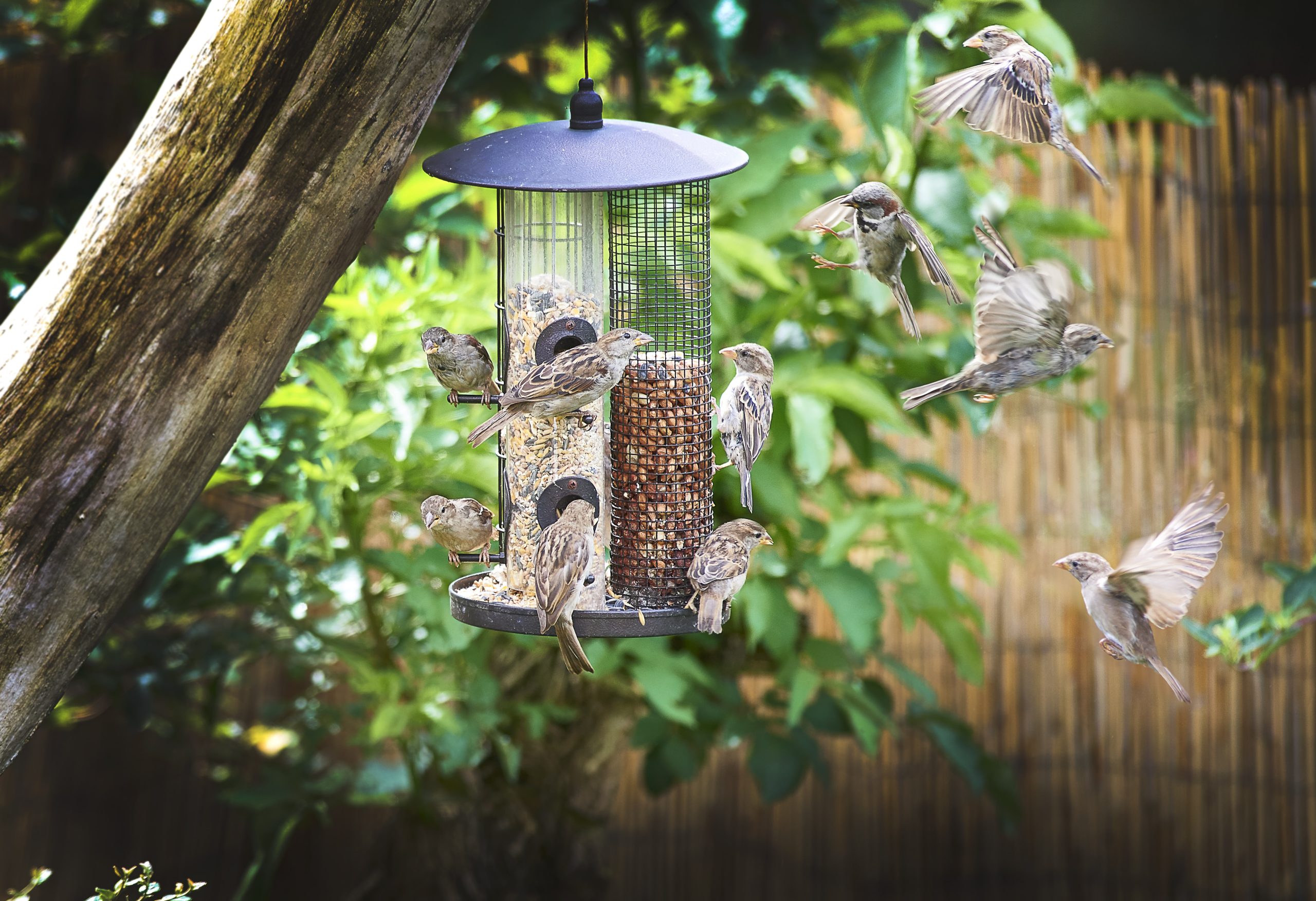
Are pigeons taking over your bird feeder and scaring away the smaller birds you want to attract? It can be frustrating to watch these big birds gobble up all the food, leaving little for your feathered friends.
But don’t worry—you can take simple steps to keep pigeons away and enjoy watching a variety of beautiful birds visit your feeder. You’ll discover easy and effective ways to protect your bird feeder so it stays a welcoming spot for the birds you love.
Keep reading to learn how to make your feeder pigeon-free and bird-friendly!
Choose Pigeon-resistant Feeders
Choosing pigeon-resistant feeders helps protect your bird feeder from unwanted visitors. Pigeons are large birds and can crowd feeders meant for smaller birds. Using the right feeder type and design can reduce pigeon visits. It keeps small birds safe and feeding peacefully.
Types Of Feeders Pigeons Avoid
Tube feeders with small perches limit pigeon access. Pigeons need space to land and feed comfortably. Hopper feeders with weight-sensitive perches close under heavy birds. Pigeons are heavier and trigger the perch to close. Platform feeders attract pigeons and should be avoided.
- Tube feeders with small perches
- Weight-sensitive hopper feeders
- Nyjer seed feeders with tiny holes
Materials And Designs That Deter Pigeons
Feeders made of metal or hard plastic resist pigeon damage. Bright colors and smooth surfaces discourage pigeons from landing. Designs with small feeding ports block large beaks. Movable or swinging feeders make it harder for pigeons to perch. Avoid flat, wide trays that invite pigeons.
| Material | Benefit |
|---|---|
| Metal | Durable, smooth surface |
| Hard plastic | Easy to clean, hard to perch on |

Credit: uk.style.yahoo.com
Select Bird Food Wisely
Choosing the right bird food is essential to keep pigeons away from your bird feeder. Pigeons prefer certain seeds and grains that attract them in large numbers. By selecting foods that appeal to smaller birds but not to pigeons, you can enjoy watching a variety of birds without inviting unwanted guests.
Feeding smaller birds with seeds they love helps reduce pigeon visits. It creates a safe and welcoming space for songbirds.
Seeds Preferred By Smaller Birds
- Nyjer seeds attract finches and sparrows only
- Sunflower chips are loved by cardinals and chickadees
- Safflower seeds are ignored by pigeons but eaten by smaller birds
- Millet is popular with ground-feeding birds like doves, not pigeons
Foods That Pigeons Dislike
- Cracked corn is too large for pigeons and often avoided
- Peanuts in shells discourage pigeons due to difficulty eating
- Fruit and suet attract woodpeckers and smaller birds, not pigeons
- Mixed seed blends without millet and corn reduce pigeon interest
Position Feeders Strategically
Positioning your bird feeders thoughtfully is a key step in keeping pigeons away. Where you place your feeders can either invite or discourage these unwelcome guests. Let’s look at how you can arrange your feeders to favor smaller birds while limiting pigeon access.
Ideal Feeder Placement To Limit Pigeon Access
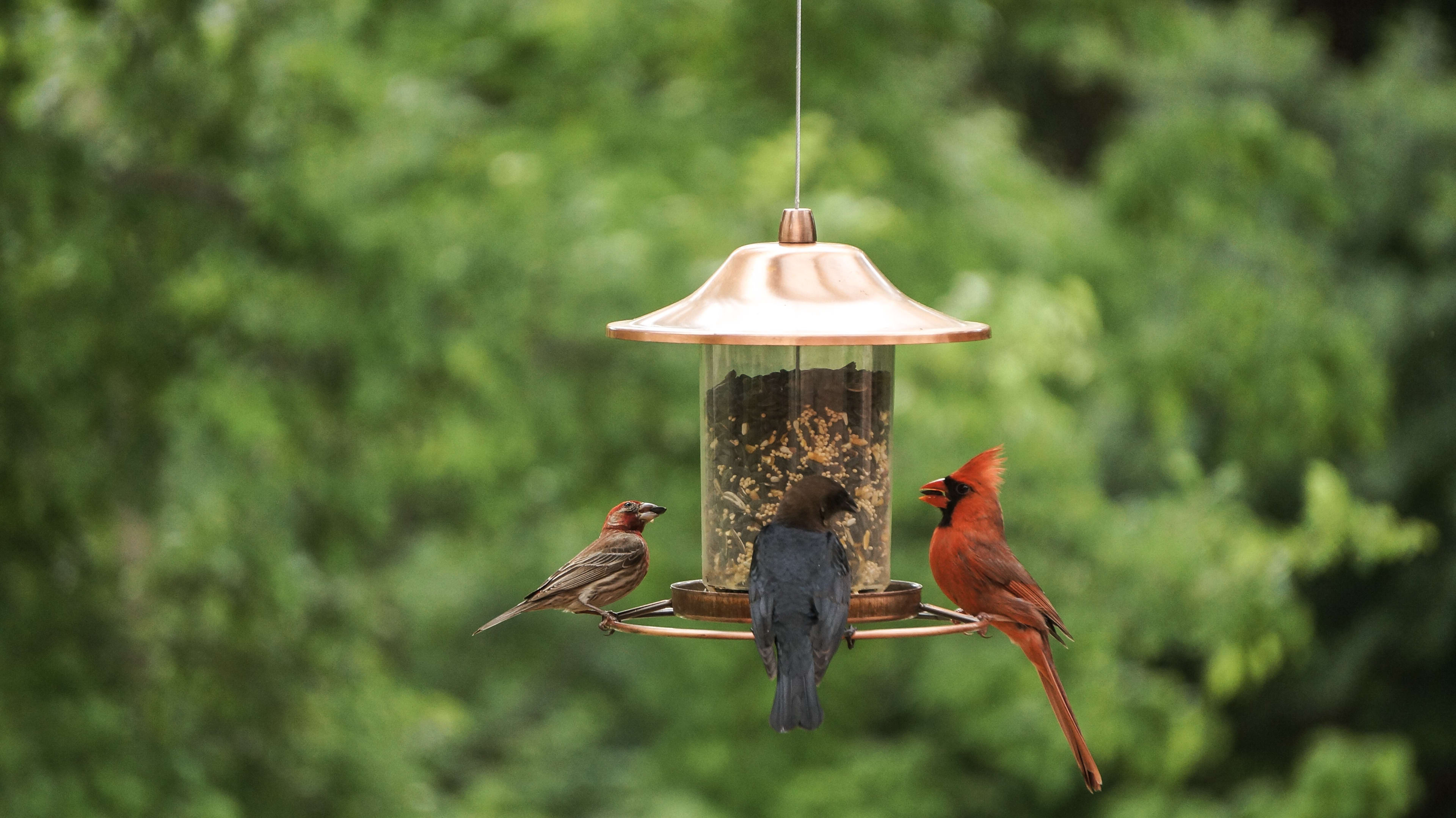
Choose spots that are harder for pigeons to reach or feel safe in. Avoid placing feeders near flat surfaces where pigeons can comfortably land and gather. Instead, hang feeders from thin branches or poles that small birds can easily use but pigeons struggle with.
Keep feeders at least 10 feet away from walls or ledges where pigeons like to perch. This reduces their ability to jump onto feeders quickly. Also, placing feeders closer to shrubbery or dense trees gives smaller birds quick cover but keeps open space between pigeons and your feeder.
Using Natural Barriers And Cover
Natural elements can work as pigeon deterrents without disturbing your feathered visitors. Surround feeders with thorny bushes or plants with dense foliage to discourage pigeons from approaching. Small birds can slip through these barriers, but pigeons prefer open spaces.
Try positioning feeders near plants that sway or create slight movement. This can make pigeons uneasy since they prefer stable, calm perches. Have you noticed how some birds avoid feeders near wind-chimes or moving decorations? You can use similar ideas with natural barriers to shift pigeon behavior.
Credit: dengarden.com
Use Physical Deterrents
Using physical deterrents can be a highly effective way to keep pigeons away from your bird feeder. These tools create barriers or distractions that make it difficult or unpleasant for pigeons to land and feed. Unlike chemical repellents or noisy devices, physical deterrents offer a straightforward and lasting solution.
Spikes And Netting Options
Bird spikes are designed to prevent pigeons from landing on flat surfaces around your feeder. They don’t harm the birds but make it uncomfortable for them to perch. Installing spikes on the edges of your feeder or nearby ledges can stop pigeons from settling in.
Netting works well if you want to block pigeons from accessing the feeder completely. You can drape bird netting over the feeder area, creating a barrier that allows smaller birds to enter but keeps larger pigeons out. Make sure the netting is secured tightly and check it regularly for any gaps.
Reflective And Moving Objects
Reflective items like old CDs, aluminum foil strips, or specially made bird scare tape can confuse and scare pigeons. Their reflective surfaces catch the sunlight and create flashes that pigeons dislike.
Moving objects add another layer of deterrence. Wind chimes, spinning pinwheels, or hanging reflective mobiles can create constant movement around your feeder. Pigeons often avoid areas with unpredictable motion, making these objects a useful addition to your setup.
Maintain Clean Feeding Areas
Keeping your bird feeder area clean is key to discouraging pigeons from taking over. Pigeons thrive in messy spaces where spilled seeds accumulate, making your feeding spot a pigeon magnet. By maintaining a tidy environment, you make the area less inviting for these persistent visitors while still welcoming smaller birds.
Regular Cleaning Routines
Set a schedule to clean your bird feeder and the surrounding area frequently. This doesn’t mean a deep scrub every day, but a quick wipe down and seed refresh at least twice a week can make a big difference.
I once noticed that after I started cleaning my feeder every three days, the pigeon visits dropped noticeably. They prefer easy meals, and a clean feeder means less food lying around for them to scavenge.
- Empty old seeds that can attract pests.
- Use mild soap and water to clean the feeder.
- Check for moldy or damp seeds and remove them immediately.
Removing Spilled Seeds Promptly
Spilled seeds on the ground are like an open invitation to pigeons. Sweep or rake up any dropped seeds daily if possible, especially under and around your feeder.
Birds like sparrows and finches can nibble on a few scattered seeds, but large piles attract pigeons and even rodents.
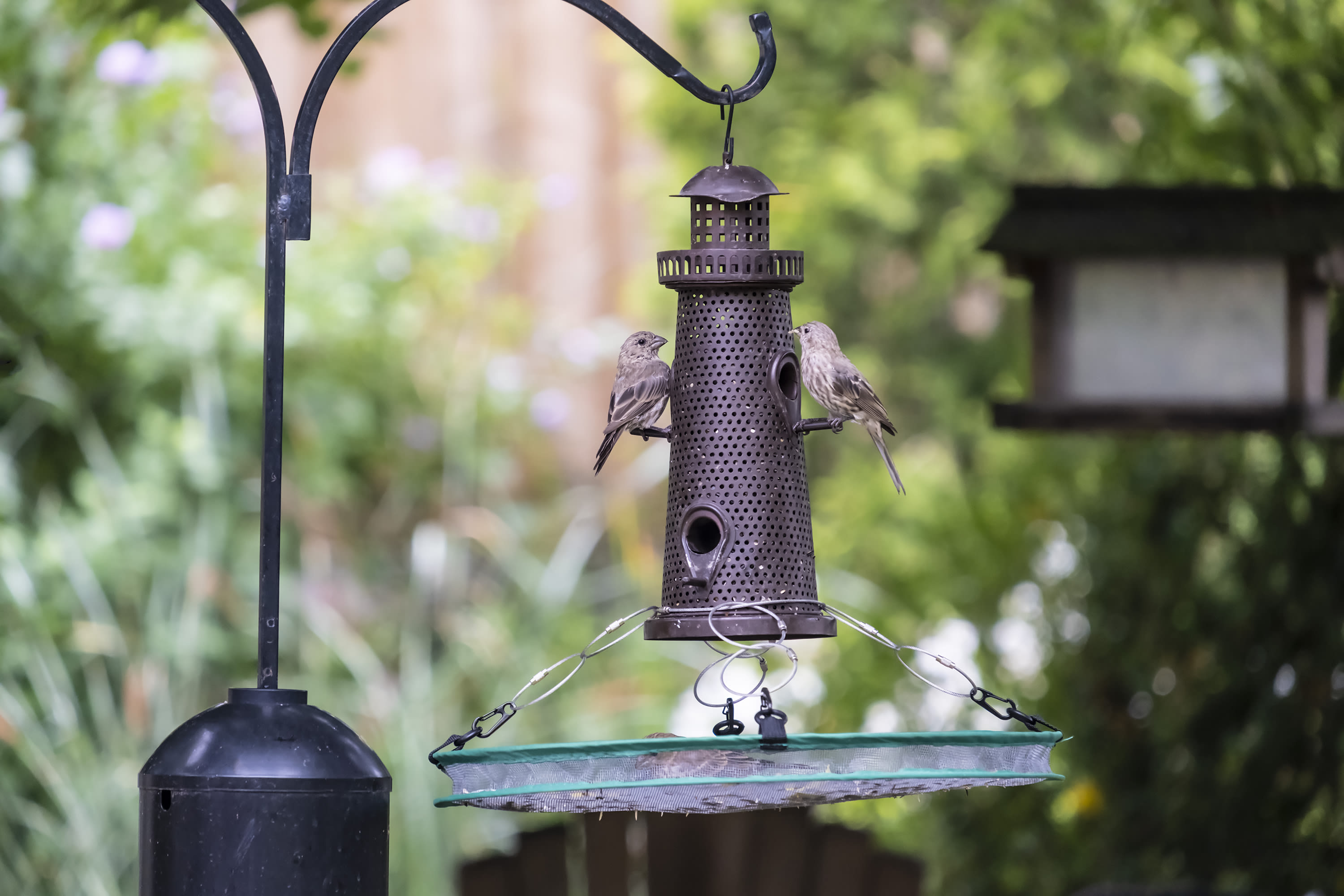
- Place a seed catcher tray under your feeder to reduce spills.
- Consider using feeders designed to minimize seed drop.
- Regularly inspect the ground for hidden seed piles.
Have you noticed how much easier it is to control pigeon visits when the feeder area is spotless? Small habits like these keep your bird feeder a happy place for the birds you want to see.
Employ Sound And Visual Repellents
Keeping pigeons away from your bird feeder can be tricky. Using sound and visual repellents offers a gentle way to deter these birds. These methods do not harm pigeons but encourage them to stay elsewhere.
Sound and visual repellents mimic natural threats or create uncomfortable environments. This makes pigeons feel unsafe near your feeder. These tools work best when combined with other deterrents for long-term success.
Ultrasonic Devices
Ultrasonic devices emit high-frequency sounds. These sounds are unpleasant to pigeons but inaudible to humans. Place these devices near your feeder to keep pigeons away without disturbing people.
These devices require power, often batteries or electricity. They work best in quiet areas where the sound is not blocked. Some models have sensors to activate only when pigeons approach.
Ultrasonic devices do not harm birds. They simply create an environment pigeons avoid. Regularly check the devices to ensure they function properly.
Predator Decoys And Scare Tactics
Predator decoys look like natural enemies of pigeons. Common decoys include plastic owls, hawks, or snakes. Place these decoys near your feeder to scare pigeons away.
Move the decoys often. Pigeons may get used to stationary objects. Changing their position keeps pigeons alert and cautious.
Other scare tactics include reflective tape or shiny objects. These create flashes of light that pigeons dislike. Hanging strips near the feeder can reduce pigeon visits.
Wind chimes or pinwheels also create movement and noise. This disturbs pigeons and discourages them from landing. Combining several scare methods increases effectiveness.
Create Alternative Feeding Zones
Creating alternative feeding zones helps manage pigeon visits at your bird feeder. It offers pigeons their own space to eat, reducing their interest in your main feeder. This strategy keeps smaller birds safe and comfortable.
Designated Areas For Pigeons Away From Feeders
Set up a separate feeding spot for pigeons far from your main feeder. Choose a quiet corner in your yard or garden. Use a simple tray or platform feeder with grains pigeons like.
Place food such as cracked corn or millet there. This attracts pigeons without inviting them near your bird feeder. Keep this area clean to encourage pigeons to return regularly.
Encouraging Pigeons To Feed Elsewhere
Use visual or physical barriers to guide pigeons toward their feeding zone. Low fences or garden edging work well. Avoid placing food near your main feeder that pigeons prefer.
Offer water near the alternative zone to make it more inviting. You can also use decoys like fake pigeons or reflective objects to draw their attention away. These small changes help keep pigeons busy and away from other birds.
Credit: dengarden.com
Frequently Asked Questions
How Can I Stop Pigeons From Eating Bird Food?
To keep pigeons away, use feeders with small perches or weight-activated closures. Pigeons struggle to land on these. You can also place feeders in sheltered areas, making it harder for pigeons to access. Additionally, consider using bird seed mixes that pigeons find less appealing.
What Type Of Bird Feeder Deters Pigeons?
Weight-sensitive bird feeders are effective in deterring pigeons. These feeders close under the weight of larger birds. Tube feeders with small perches also work well. Pigeons find it difficult to balance on them. Opting for these feeders can reduce pigeon visits significantly.
Are There Specific Seeds Pigeons Dislike?
Yes, pigeons generally dislike safflower seeds and nyjer seeds. These seeds are less appealing to them. Offering these in your feeder can help deter pigeons. They are still popular with other small birds like finches and chickadees. This way, you can cater to smaller birds while keeping pigeons away.
Can I Use Physical Barriers To Deter Pigeons?
Yes, using mesh or netting around feeders can keep pigeons out. Ensure the openings are small enough to prevent pigeons but allow smaller birds. You can also install spikes or sloped covers on feeder tops. These barriers make it uncomfortable for pigeons to perch.
Conclusion
Keeping pigeons away from your bird feeder takes some effort and patience. Use simple tools like baffles or special feeders. Change where and how you place food often. Clean the area regularly to avoid attracting pigeons. Watch your feeder and adjust your methods as needed.
Small changes can make a big difference. Enjoy watching smaller birds visit without worry. Your feeder will stay a peaceful spot for all birds. Keep trying different ideas until you find what works best.