
Are you looking for a simple and fun way to bring more nature right to your window? Making your own bird feeder is easier than you think, and it can turn your outdoor space into a lively haven for colorful birds.
In this guide, you’ll get a clear, step-by-step PDF that shows exactly how to create a bird feeder using materials you probably already have. Imagine watching your feathered friends visit daily, all thanks to your own handiwork. Keep reading, and you’ll discover how to make a bird feeder that’s both beautiful and practical—perfect for any skill level.
Your backyard birdwatching adventure starts here!

Credit: birdschoice.com
Materials Needed
Creating a bird feeder requires certain materials to ensure it is safe and functional. Gathering the right supplies makes the process smooth and enjoyable. Some items are essential, while others can help improve your project.
Knowing the materials needed helps you prepare better. It saves time and reduces frustration during building. The list below covers both basic supplies and optional tools to enhance your bird feeder.
Basic Supplies
- Wooden board or recycled plastic
- Birdseed or mixed seeds
- Strong string or wire for hanging
- Wood glue or non-toxic adhesive
- Sandpaper for smoothing edges
- Screws or small nails
- Paint or sealant safe for outdoor use
Optional Tools
- Hand saw or small electric saw
- Drill with bits
- Paintbrushes for decoration
- Clamps to hold pieces while drying
- Measuring tape or ruler
- Pencil for marking cut lines
- Safety goggles and gloves
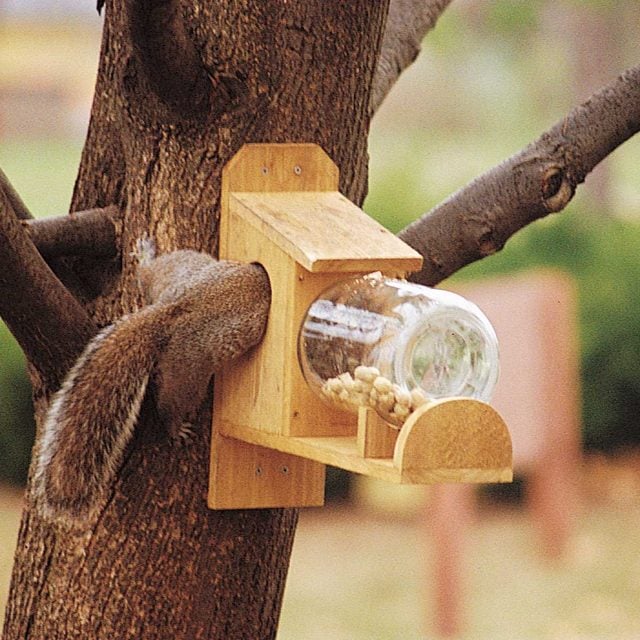
Credit: www.familyhandyman.com
Choosing The Design
Choosing the right design for your bird feeder sets the tone for your project. It affects how birds visit and enjoy the feeder. The design also impacts how easy it is to build and maintain. Think about your skill level and available materials before deciding. A good design balances simplicity and creativity. It also fits well with your outdoor space.
Simple Styles
Simple bird feeder designs suit beginners and quick projects. They often use basic shapes like boxes or trays. These styles need few materials and tools. Simple feeders are easy to clean and refill. Examples include:
- A wooden box with an open front
- A tray feeder with a roof
- A bottle feeder with holes for seeds
These designs attract many common birds. They are also sturdy and last long. Simple styles let you focus on attracting birds rather than complex building.
Creative Ideas
Creative designs add fun and uniqueness to your feeder. They use unusual shapes or recycled materials. Creativity invites more bird species and can brighten your garden. Some creative ideas are:
- Teacup feeders hanging from branches
- Old boots turned into seed holders
- Painted jars with mesh lids
These feeders combine art and function. They also make great conversation pieces. Creative feeders often need more time and skill but offer great rewards.
Step-by-step Construction
Building your own bird feeder can be a rewarding project. It allows you to connect with nature and enjoy watching birds up close. The key to success lies in following clear construction steps that make the process simple and enjoyable.
Cutting And Preparing Materials
Start by gathering your materials: wood panels, screws, nails, and a few basic tools like a saw and drill. Measure twice and cut once to avoid wasting wood or ending up with uneven pieces.
Sand down the edges to prevent splinters—both for your safety and the birds’. Remember, smooth surfaces help make your feeder last longer outdoors.
Assembling The Feeder
Lay out your cut pieces in the shape of the feeder before fastening. This helps you visualize the final product and catch any alignment issues early.
Use screws instead of nails where possible; they provide a stronger hold and make future repairs easier. Attach the base first, then the sides, and finally the roof.
Adding Finishing Touches
Seal the wood with a bird-safe, weather-resistant finish to protect your feeder from rain and sun. Avoid toxic paints or varnishes that could harm wildlife.
Consider adding a small perch or a roof overhang to keep seeds dry. These little details attract more birds and make your feeder more functional.
Have you thought about where you’ll hang it? Placement affects which birds visit and how often. Try to find a spot that’s visible yet safe from predators.
Safety Tips
Safety is very important when making a bird feeder PDF. A safe feeder protects birds and keeps your home safe too. Follow these tips to create a safe, bird-friendly feeder. Using safe materials and placing the feeder securely helps avoid harm to birds and damage to your property.
Using Non-toxic Materials
Choose materials that do not harm birds. Avoid paints, glues, or woods with chemicals. Use natural or bird-safe paints and finishes. Check labels to confirm they are non-toxic. This keeps birds healthy and prevents poisoning.
Use untreated wood, metal, or recycled plastic. These materials last longer and are safe for birds. Avoid sharp edges or small parts birds could swallow. Smooth any rough spots before assembling your feeder.
Secure Placement
Place the feeder where it is safe from predators. Avoid spots near windows to prevent bird collisions. Hang or mount the feeder high enough to keep cats and squirrels away.
Choose a stable spot that will not shake or fall in wind. Use strong hooks, wires, or brackets to secure the feeder well. Check the feeder regularly to ensure it stays safe and steady.
Attracting Birds
Attracting birds to your feeder makes the whole project more rewarding. Watching different species visit and enjoy your feeder brings a special kind of joy. But to make sure your feeder becomes a favorite spot, you need to think about what draws birds in and where you place your feeder.
Selecting Birdseed
Choosing the right birdseed is key to attracting a variety of birds. Different birds prefer different seeds, so mixing several types can bring more visitors to your feeder.
- Black oil sunflower seedsare popular with many birds due to their high oil content and thin shells.
- Nyjer seedsattract finches and smaller birds; they require a special feeder with tiny holes.
- Safflower seedsare great if you want to keep squirrels and some unwanted birds away.
- Milletworks well for ground-feeding birds like sparrows and doves.
Have you noticed certain birds avoid your feeder? Try changing the seed mix to see if that brings in new guests. This simple change can transform your birdwatching experience.
Best Locations
Where you place your bird feeder affects how many birds you attract and how often they visit. Birds prefer locations that offer safety and easy access to food.
- Place feeders near trees or shrubs to provide shelter and a quick escape route.
- Avoid spots too close to windows to reduce bird collisions.
- Choose locations visible from your favorite viewing spot so you can enjoy watching.
- Consider the direction of the sun; a feeder in morning sunlight tends to attract more birds.
Think about your yard’s layout and the natural habits of local birds. Is there a quiet corner with some cover? That might be the perfect spot to hang your feeder.
Creating The Pdf Guide
Creating the PDF guide for making a bird feeder requires clear and simple steps. The guide should help readers follow along easily. It must explain each part of the process without confusion. Organizing the information well makes the guide useful and enjoyable.
Writing Clear Instructions
Use short sentences to explain each step. Avoid complex words and long phrases. Write as if speaking to someone new to bird feeders. Break down tasks into small, easy actions. Use bullet points for lists to improve clarity. Repeat important details to ensure understanding.
Including Visuals
Pictures show exactly what to do at each step. Use clear photos or simple drawings. Label images to highlight key parts. Add arrows or circles to point out details. Place visuals near related instructions. This helps readers follow without guessing.
Formatting For Easy Reading
Use headings and subheadings to organize content. Keep paragraphs short and focused. Use a clean font that is easy to read. Add enough space between lines and sections. Include numbered lists for steps that follow order. Make clickable links for extra resources if needed.
Sharing Your Pdf
Sharing your bird feeder PDF allows others to enjoy your creative project. It spreads your ideas and helps more people build feeders. You can share your PDF in many ways, both online and offline. Choosing the right sharing method depends on your audience and goals.
Online Platforms
Many websites let you upload and share PDFs easily. Use social media sites or file-sharing platforms to reach a broad audience. Popular options include:
- Google Drive
- Dropbox
- Issuu
- Facebook groups
These platforms allow others to view or download your PDF quickly. You can also embed your PDF in blogs or websites for easy access. Make sure your file size is small to load faster.
Printing Options
Printing your PDF helps share a physical copy of your bird feeder guide. Print copies for friends, family, or local community centers. Use good quality paper for better durability and presentation.
Consider these printing tips:
- Use color printing to show clear images
- Choose a readable font size
- Print double-sided to save paper
- Include a cover page with your title
Printed PDFs make a handy reference for hands-on projects. They work well in classrooms or outdoor workshops too.
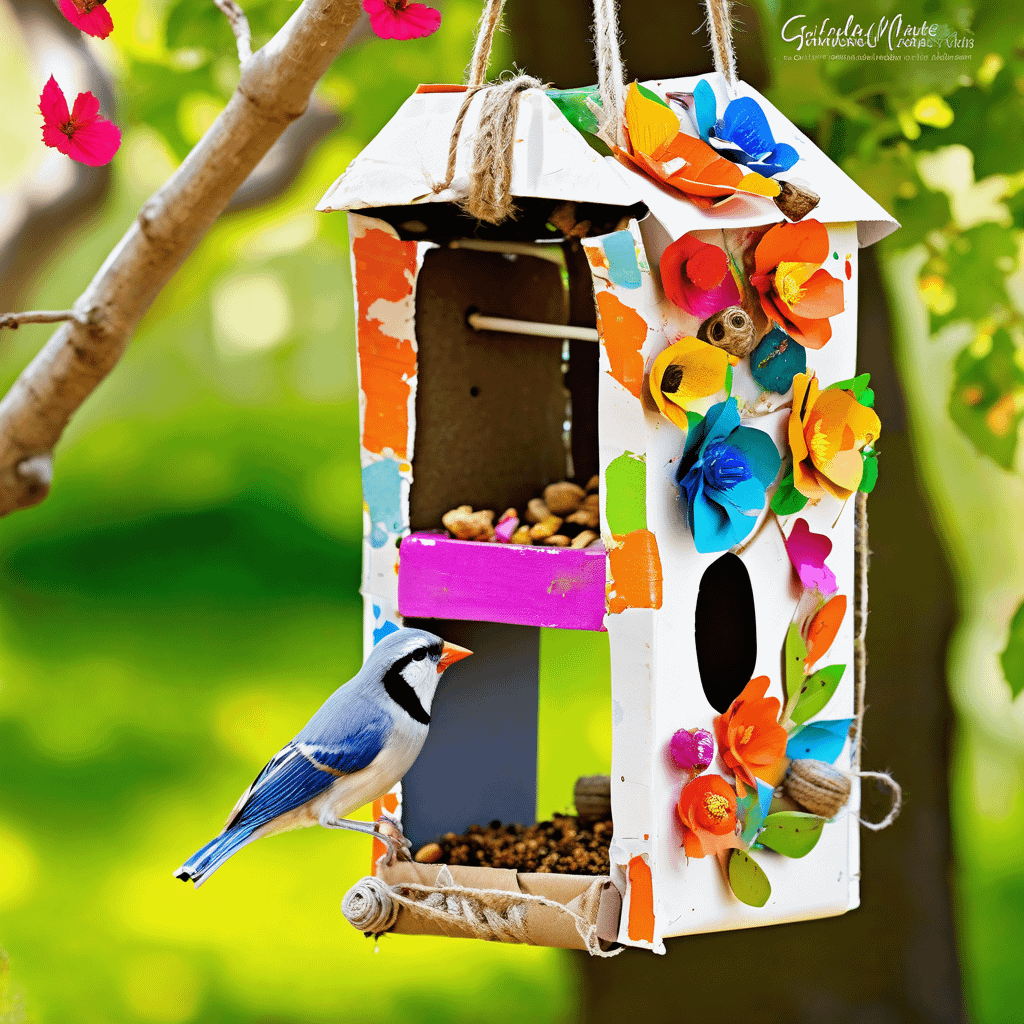
Credit: magickidslearning.com
Frequently Asked Questions
What Materials Are Needed To Make A Bird Feeder Pdf?
To make a bird feeder PDF, gather wood, nails, glue, sandpaper, and paint. Include downloadable templates and step-by-step instructions for easy assembly.
How Do I Create A Bird Feeder Pdf Guide?
Create a bird feeder PDF guide by writing clear steps, adding images, and using simple language. Convert the file to PDF for easy sharing.
Can I Customize My Bird Feeder Pdf Design?
Yes, customize your bird feeder PDF by changing dimensions, colors, and materials. Offer multiple design options to suit different bird species.
Where Can I Find Free Bird Feeder Pdf Templates?
Find free bird feeder PDF templates on craft websites, blogs, and educational platforms. These templates provide easy-to-follow plans for beginners.
Conclusion
Creating your own bird feeder is a rewarding activity. It helps birds and brings joy to your space. A simple PDF guide can make the process easy. Enjoy watching birds visit your handmade feeder. Share this activity with family and friends.
It can be a fun project for all ages. Plus, it’s a great way to connect with nature. Try making a bird feeder today. You’ll love the experience and the chirping visitors it brings. Happy birdwatching!