
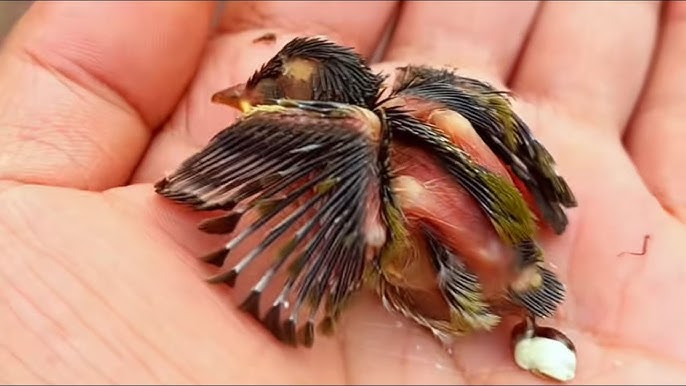
Finding a tiny baby bird in need of help can be both exciting and overwhelming. You want to do the right thing, but you might wonder, “What exactly should I feed this little creature?” Feeding a baby bird the wrong food can harm it, while the right choices can give it the best chance to grow strong and healthy.
You’ll discover simple, practical tips on what to feed a little baby bird and how to care for it properly. Keep reading to learn how you can make a real difference for that fragile life in your hands.
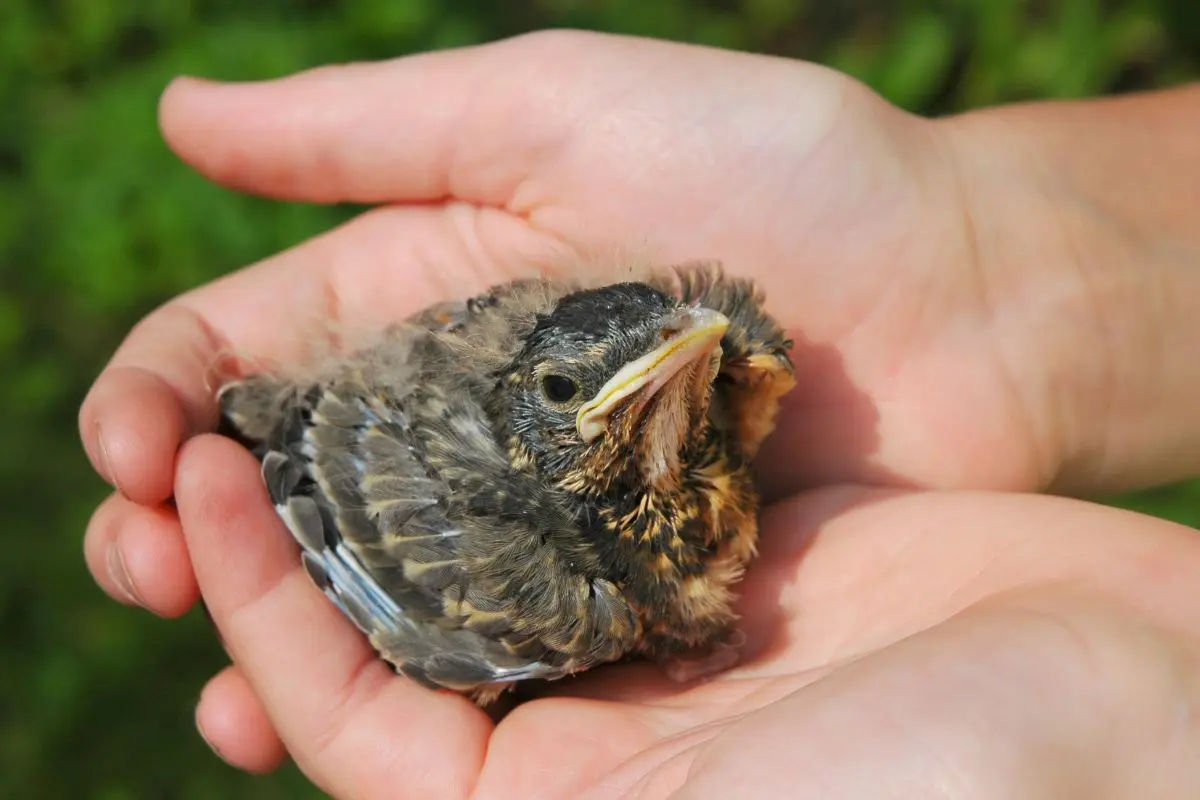
Credit: wildbloo.com
Choosing The Right Food
Choosing the right food for a little baby bird is crucial to its survival and growth. Baby birds have delicate digestive systems and specific nutritional needs that differ from adult birds. Feeding them the wrong food can cause harm or delay their development, so understanding what to offer is key.
Natural Diet Of Baby Birds
Most baby birds depend on their parents to bring them insects, worms, or regurgitated food. Protein-rich insects like caterpillars and beetles help build strong muscles and feathers. Some species also consume seeds and fruits early on, depending on their natural habitat.
Have you noticed how birds in your backyard feed their chicks? Observing these habits can give you clues about what your little bird might need.
Safe Alternatives For Feeding
If you find a baby bird and can’t access its natural food, there are safe alternatives you can provide. Soft, moistened dog or cat food offers good protein content and is easy to digest. You can also mix soaked dog biscuits with water to create a mushy consistency.
Baby bird formula, available at pet stores, is designed to meet their nutritional needs. Avoid giving plain bread or milk; these can upset their stomachs.
Foods To Avoid
Some foods can be dangerous or even fatal to baby birds. Never feed them chocolate, caffeine, or salty foods as these are toxic. Avoid raw meat or eggs, which might carry harmful bacteria.
Also, sugary or processed human foods lack the nutrients baby birds need and can cause malnutrition. Sticking to natural or recommended alternatives protects the little bird’s health and helps it thrive.
Feeding Techniques
Feeding a little baby bird requires care and precision. Getting the feeding techniques right helps ensure the bird stays healthy and grows strong. Let’s look at key ways to feed your tiny feathered friend effectively and safely.
Hand-feeding Basics
Hand-feeding a baby bird means you become its source of nutrition and comfort. Always keep your hands clean to prevent infections. Use gentle motions to avoid stressing the bird—patience is crucial.
Start by offering small amounts of food at room temperature. Never force-feed; instead, let the bird open its beak naturally before offering food. Watch for signs that it’s full, like closing its beak or turning away.
Feeding Frequency And Quantity
Baby birds need frequent meals because they burn energy quickly. Newborns might require feeding every 15 to 20 minutes, while slightly older chicks can go longer between meals.
Pay attention to how much you feed at each session. Overfeeding can cause choking or digestive issues. A good rule is to feed just enough so the crop—the expandable pouch on the bird’s throat—feels full but not overly stretched.
Using Feeding Tools
Proper tools make feeding easier and safer. Many bird rescuers use small syringes or eyedroppers for precise control of food amounts. A pair of tweezers can also help when offering solid bits.
Always clean and sterilize your tools before and after feeding to avoid spreading germs. Have you noticed how the right tool can make feeding less stressful for both you and the bird?
Hydration Needs
Hydration plays a crucial role in the survival and growth of a little baby bird. Just like food, water is essential for their delicate bodies to function properly. Understanding how to provide water safely and recognize signs of dehydration can make a big difference in your bird’s health.
Providing Water Safely
You might think offering a small dish of water is simple, but baby birds need extra care. Never give water in a bowl that’s too deep—baby birds can easily drown or inhale water, causing pneumonia.
Use a clean dropper or syringe to gently offer a few drops at a time. Let the bird swallow before giving more. This controlled method reduces the risk of choking and ensures they get enough fluids without stress.
Consider mixing a little electrolyte solution with water to help replenish lost minerals, especially if the bird is weak or recovering from illness. Always keep the water fresh and clean, changing it several times a day to prevent bacteria growth.
Signs Of Dehydration
Can you tell if your baby bird is thirsty or dehydrated? Some signs are subtle but important to catch early. Look for dry, wrinkled skin or dull eyes, which indicate a lack of moisture in their body.
The bird might also appear weak and lethargic, refusing to eat or move much. Pinching the skin gently can help—if it doesn’t snap back quickly, dehydration is likely present.
Address dehydration immediately by carefully providing fluids as described above. Remember, even mild dehydration can quickly become dangerous, so paying attention to these signs is vital for your bird’s well-being.
Creating A Safe Feeding Environment
Creating a safe feeding environment is essential for a baby bird’s health and growth. It ensures the bird stays calm and receives proper nutrition. A secure space helps prevent stress and injury during feeding. Proper care supports the bird’s natural development and recovery.
Warmth And Comfort
Baby birds need warmth to stay healthy. Their bodies cannot control temperature well. Use a soft cloth or small box to create a cozy nest. Keep the area between 85°F and 90°F for very young birds. Avoid direct heat sources like lamps that can burn. A warm environment mimics their natural home under a mother’s feathers.
Hygiene Practices
Cleanliness is vital to prevent infections. Wash hands before and after feeding the bird. Use sterilized feeding tools like syringes or spoons. Change the bird’s bedding regularly to keep the area dry and clean. Dispose of leftover food to avoid bacteria growth. A clean space helps the bird stay healthy and grow strong.
When To Seek Expert Help
Knowing when to seek expert help is vital for a baby bird’s survival. Some signs show the bird needs more care than you can provide. Acting quickly can save its life and improve its chances of growing strong.
Recognizing Health Issues
Look for signs like weak movement or lack of response. A baby bird that does not eat or drink may be sick. Visible injuries, such as wounds or broken wings, need attention. Unusual breathing or constant crying can indicate distress. Keep an eye on droppings; watery or discolored droppings are warning signs. If you notice these symptoms, do not delay seeking help.
Finding Wildlife Rehabilitators
Wildlife rehabilitators have the skills to care for injured or orphaned birds. Contact local animal shelters or wildlife rescue centers for guidance. Many offer advice over the phone or online. Use online directories to find licensed rehabilitators nearby. Provide detailed information about the bird’s condition when you call. Follow their instructions carefully to keep the bird safe during transport.

Credit: www.greensafaris.com
Credit: www.thalinepal.com
Frequently Asked Questions
What Do Baby Birds Eat In The Wild?
Baby birds primarily eat insects, worms, and regurgitated food from their parents. This diet provides essential proteins and nutrients for healthy growth and development.
Can I Feed A Baby Bird Bread Or Milk?
No, bread and milk are harmful to baby birds. Bread lacks nutrients and milk can cause digestive issues. Use proper bird formula or natural protein sources instead.
How Often Should I Feed A Baby Bird?
Feed a baby bird every 15 to 20 minutes during daylight. Frequent feeding mimics natural parental care and ensures proper nutrition and growth.
What Is The Best Homemade Food For Baby Birds?
A mix of soaked dog food, hard-boiled eggs, and mealworms works well. This combination offers protein, fat, and vitamins needed for baby birds.
Conclusion
Feeding a baby bird requires care and the right food. Choose appropriate foods like moistened dog food or special bird formula. Fresh water is crucial too. Observe the bird’s behavior for any distress signals. Regularly clean feeding tools to ensure hygiene.
Always consult a vet if unsure about feeding practices. These steps help the baby bird grow strong and healthy. Be patient and gentle. Your efforts can make a big difference.