
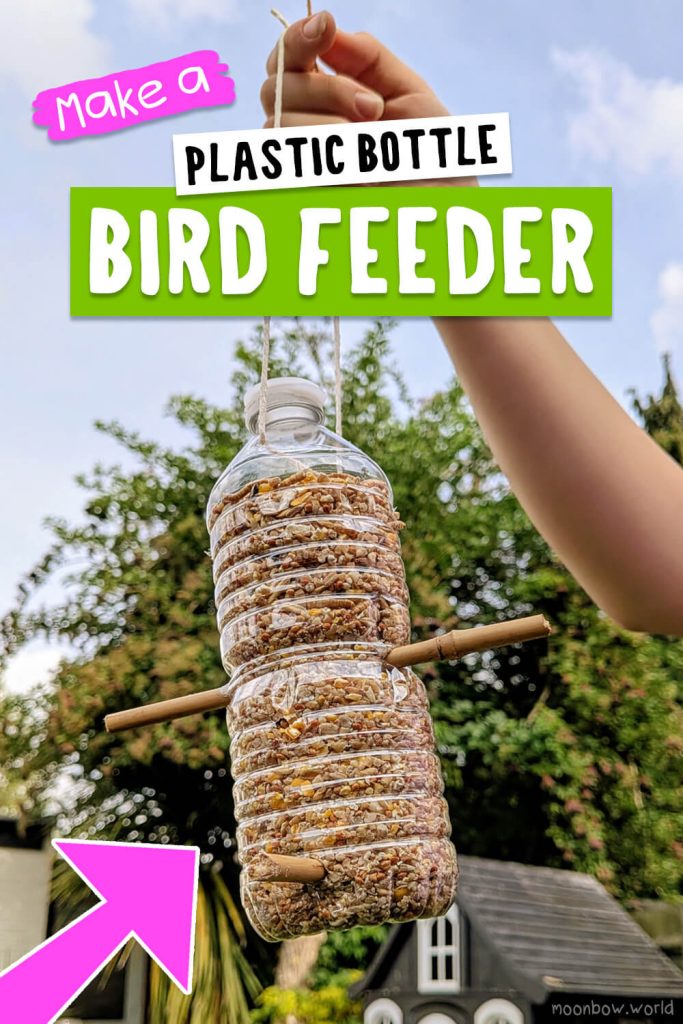
Are you looking for a fun and simple project to do with your kids that brings nature right to your backyard? Making a kid-friendly bird feeder is a fantastic way to get your children excited about wildlife while teaching them about birds and their habits.
Plus, it’s easy, safe, and uses materials you probably already have at home. Keep reading, and you’ll discover step-by-step instructions that make this project enjoyable for both you and your little ones. Get ready to watch colorful birds visit your feeder and create memories that will last!

Credit: www.youtube.com
Choosing Safe Materials
Choosing safe materials is key for a kid friendly bird feeder. Safety means using items that do not harm children or birds. It also means picking materials that last outdoors. This keeps the feeder useful through all seasons. Keep the project simple and safe to encourage kids to enjoy nature.
Non-toxic Ingredients
Use only non-toxic paints, glues, and finishes. Check labels carefully. Avoid strong chemicals that can hurt skin or bird health. Natural wood is a good choice because it is safe and easy to work with. Use food-safe materials if the feeder holds seeds or treats.
Durable And Weatherproof Options
Choose materials that resist rain, wind, and sun. Cedar, pine, and redwood are good wood types for bird feeders. They do not rot quickly and are safe for kids to handle. Plastic containers can work if thick and sturdy. Avoid thin plastic that breaks easily. Seal wood with child-safe varnish to protect it longer.
Simple Bird Feeder Designs
Simple bird feeder designs make it easy for kids to join nature fun. These feeders use common materials and need little skill. Children learn about birds while creating something useful. Every project is safe, quick, and enjoyable. Enjoy watching colorful birds visit your yard soon.
Pinecone Feeders
Pinecone feeders are natural and fun to make. Start by tying a string to a clean pinecone. Spread peanut butter or vegetable shortening all over the pinecone. Roll it in birdseed until fully covered. Hang the pinecone outside on a tree branch. Birds love to peck at the seeds and nuts.
Milk Carton Feeders
Milk carton feeders are easy and eco-friendly. Rinse an empty milk carton and cut small holes on the sides. Create perches below each hole using wooden spoons or sticks. Fill the carton with birdseed. Hang it with string or wire from a tree or porch. This feeder protects seeds from rain and wind.
Plastic Bottle Feeders
Plastic bottle feeders reuse old bottles and are very simple. Clean a plastic bottle and make small feeding holes. Insert wooden dowels or sticks near each hole for perches. Fill the bottle with birdseed. Hang it by the bottle’s neck using string. The clear bottle lets you see the seed level.
Step-by-step Craft Instructions
Creating a kid friendly bird feeder is a fun and simple project. This guide breaks down the process into easy steps for children to follow. It encourages creativity and learning about nature.
Each step focuses on safety and simplicity. The instructions use common materials. Kids enjoy building something they can see and use outside.
Gathering Supplies
- Empty plastic bottle or small wooden box
- String or yarn for hanging
- Scissors or safe cutting tool
- Non-toxic glue or tape
- Birdseed mix
- Markers, stickers, or paint for decoration
- Plastic spoon or small wooden stick (optional for perch)
Assembly Tips
- Wash and dry the container before starting
- Cut holes just big enough for birds to eat
- Attach the perch below the hole for easy landing
- Use strong string to hang the feeder securely
- Double-check all parts are stable and safe
Decorating Ideas
- Use bright colors to attract birds
- Draw simple shapes or patterns with markers
- Stick fun stickers related to nature or animals
- Paint flowers, leaves, or feathers for a natural look
- Let kids personalize with their names or favorite colors
Selecting Bird-friendly Seeds
Selecting the right seeds is key for a kid-friendly bird feeder. Birds need food that is safe and easy to eat. Choose seeds that attract many common backyard birds. This makes birdwatching fun and educational for kids. Seeds should be clean and fresh to keep birds healthy. Avoid seeds that can harm birds or attract pests.
Popular Seed Types
- Black Oil Sunflower Seeds:Loved by many birds. Easy to crack and high in fat.
- Millet:Small and favorite for ground feeders like sparrows and doves.
- Nyjer (Thistle) Seeds:Tiny seeds that attract finches. Best in special feeders.
- Safflower Seeds:Good for cardinals and grosbeaks. Less likely to attract squirrels.
- Peanuts:High protein and great for woodpeckers and jays. Use unsalted and chopped peanuts.
Avoiding Harmful Foods
- Moldy or Old Seeds:Can cause illness in birds. Always use fresh seeds.
- Salted or Flavored Seeds:Harmful for birds. Use plain seeds only.
- Bread and Processed Foods:Lack nutrients and can harm birds’ digestion.
- Unhulled Sunflower Seeds:Harder to eat for some birds. Prefer hulled seeds.
- Seeds Treated with Pesticides:Dangerous and toxic. Choose organic or untreated seeds.
Safe Placement And Maintenance
Placing and maintaining your kid-friendly bird feeder safely is key to attracting birds while keeping them healthy. A well-chosen spot protects birds from predators and harsh weather, making visits more frequent and enjoyable for your child. Regular cleaning and refilling keep the feeder inviting and prevent the spread of diseases among feathered visitors.
Choosing The Right Spot
Pick a location that’s easy for your child to reach but keeps the feeder out of harm’s way. Avoid spots near windows to prevent birds from flying into glass, which can cause injuries. Instead, place the feeder against a tree or shrub, giving birds quick access to cover if they feel threatened.
Think about visibility too—can your child watch the birds from a window or a safe outdoor spot? A feeder near a frequently used window encourages daily bird-watching moments without disturbing the birds. You might notice that some feeders attract more activity when placed away from noisy areas or strong winds.
Cleaning And Refilling
Keeping the feeder clean is a simple step that makes a big difference. Old seeds and droppings can harbor bacteria harmful to birds. Clean your feeder every two weeks with warm, soapy water and rinse thoroughly to keep it safe.
Refill the feeder regularly, especially during dry or cold weather when birds rely heavily on easy food sources. Use fresh seeds and avoid moldy or damp feed. Have you noticed how birds return more often to feeders that are consistently stocked and clean?

Credit: www.firefliesandmudpies.com
Encouraging Kids To Observe Birds
Encouraging kids to observe birds builds curiosity and patience. It helps them notice nature’s small wonders. Watching birds can be calming and fun for children. It also teaches respect for wildlife and the environment.
Simple tools and a quiet spot make bird watching easier for kids. They learn to recognize different birds by shape, color, and sound. This practice improves their focus and attention to detail.
Setting Up A Viewing Area
Choose a quiet spot near the bird feeder for watching. Use a small chair or bench for comfort. Place binoculars or a magnifying glass nearby for a closer look. Make sure the area is safe and free from distractions. Keep the spot tidy to attract more birds.
Keeping A Bird Watching Journal
Give kids a notebook to record their bird observations. Encourage them to write or draw the birds they see. Include details like color, size, and behavior. Use simple tables or lists to organize notes:
| Date | Bird Type | Color | Behavior |
|---|---|---|---|
| April 10 | Robin | Red breast | Hopping on ground |
Review the journal together to celebrate discoveries. This habit encourages careful observation and memory skills.

Credit: www.youtube.com
Frequently Asked Questions
What Materials Are Safe For A Kid Friendly Bird Feeder?
Use non-toxic, durable materials like untreated wood, recycled plastic, or cardboard. Avoid sharp edges and small parts that pose choking hazards. Opt for easy-to-clean and weather-resistant materials to ensure safety and longevity, making the feeder suitable for children to handle and enjoy bird watching.
How Can Kids Help Make A Bird Feeder?
Children can assist by painting, decorating, and assembling simple feeders. They can fill feeders with birdseed and observe birds safely. This hands-on involvement encourages learning about nature, responsibility, and creativity, making the project both educational and fun for kids and their families.
What Birdseed Is Best For Kid Friendly Feeders?
Use mixed seeds like sunflower seeds, millet, and cracked corn. These attract a variety of common backyard birds and are easy for kids to handle. Avoid seeds that create mess or attract unwanted pests to keep the feeding area clean and child-friendly.
Where Should We Place A Kid Friendly Bird Feeder?
Place feeders in safe, visible spots like near windows or in gardens. Ensure they are away from predators and easy for kids to reach and observe. Proper placement encourages bird visits and provides children with a fun, interactive birdwatching experience.
Conclusion
Creating a bird feeder with kids is fun and educational. It sparks creativity and teaches about nature. Kids enjoy seeing their work attract birds. This project strengthens family bonds and encourages outdoor activities. Use safe, simple materials for easy crafting.
Guide children through each step. Celebrate their achievements. With patience, you can create a delightful experience. This bird feeder project can inspire a love for wildlife. Start today and enjoy the beauty of nature together. Remember, small actions can bring great joy and learning.
Happy crafting and bird watching!