
Have you ever wondered when birds really need your help with feeding? Knowing the right time to feed birds can make a huge difference in their health and survival.
If you feed them too early or too late, it might do more harm than good. You’ll discover exactly when your feathered friends need food the most—and how you can make sure you’re helping them in the best way possible.
Keep reading to learn the simple signs and perfect timing that will keep your backyard birds happy and healthy all year round.
Bird Feeding Seasons
Bird feeding is not just about scattering seeds whenever you feel like it. Each season brings unique challenges and needs for wild birds. Understanding these feeding seasons helps you provide the right support at the right time, making your garden a haven for feathered friends all year round.
Spring And Breeding Time
Spring is a busy season for birds. They focus on building nests and raising chicks, which means their energy needs skyrocket.
During this time, birds require high-protein foods like mealworms, nuts, and suet to fuel their activity. Have you noticed birds visiting your feeder more often in early spring? That’s because they’re preparing for the tough job of feeding hungry chicks.
Summer Nutrition Needs
In summer, birds still need plenty of nutrition, but their diet shifts slightly. Natural food sources like insects and berries become more abundant, so feeders can offer lighter fare like sunflower seeds or fruit pieces.
Water is especially important in hot months. Offering a fresh water source can keep birds hydrated and cool. Do you provide water for birds during summer heatwaves? It’s a simple way to make a big difference.
Autumn Preparation
As autumn arrives, birds start preparing for colder days. They bulk up by eating energy-rich foods to build fat reserves for winter.
Feeding high-fat seeds like sunflower seeds and peanuts helps them store energy. You might notice more birds at your feeder now, as they get ready for tougher times ahead.
Winter Survival
Winter is the hardest season for birds to find food. Snow and ice cover natural sources, so they rely heavily on feeders.
Providing calorie-dense foods like suet and black oil sunflower seeds helps birds maintain body heat. Have you ever watched birds flock to your feeder on a cold morning? Your efforts can literally save lives in winter’s harsh grip.
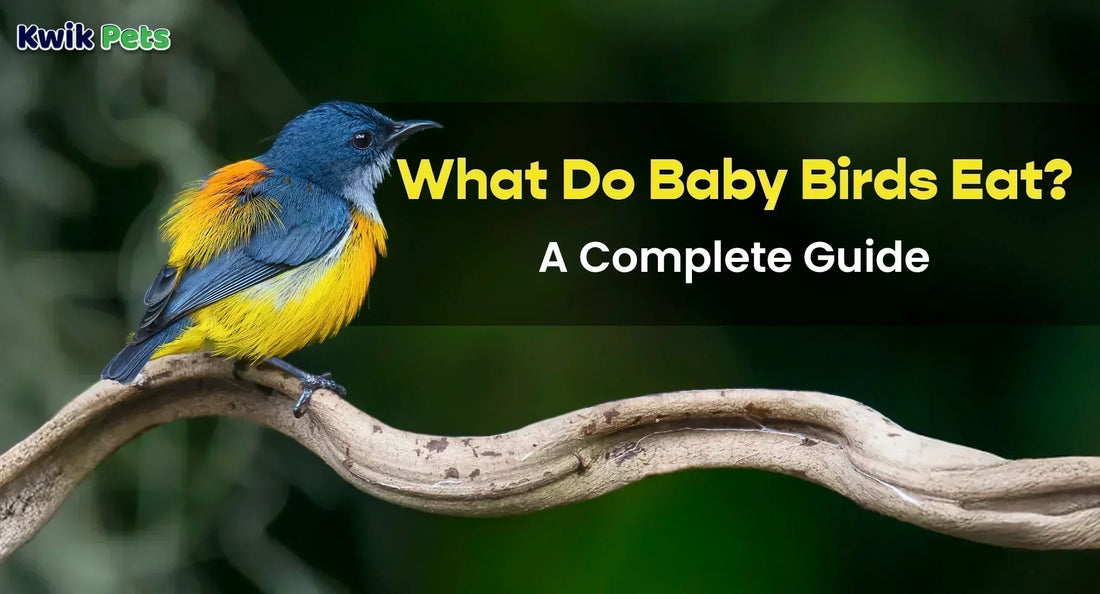
Credit: www.kwikpets.com
Signs Birds Need Extra Food
Birds need extra food when their natural sources become scarce or their energy needs rise. Recognizing signs that birds require more food helps support their health and survival. Observing their behavior and surroundings reveals when to offer extra feeding.
Cold Weather Behavior
Birds fluff up their feathers to keep warm during cold days. They often visit feeders more frequently seeking energy. Look for birds spending longer time at feeders than usual. Constant movement and shivering also show they need extra fuel.
Food Scarcity Indicators
Scarce natural food makes birds search harder and longer. You may see fewer insects and berries around. Birds might look thinner or less active. Increased competition at feeding spots signals food shortage. Watch for signs like empty stomachs or restless behavior.
Young Birds And Fledglings
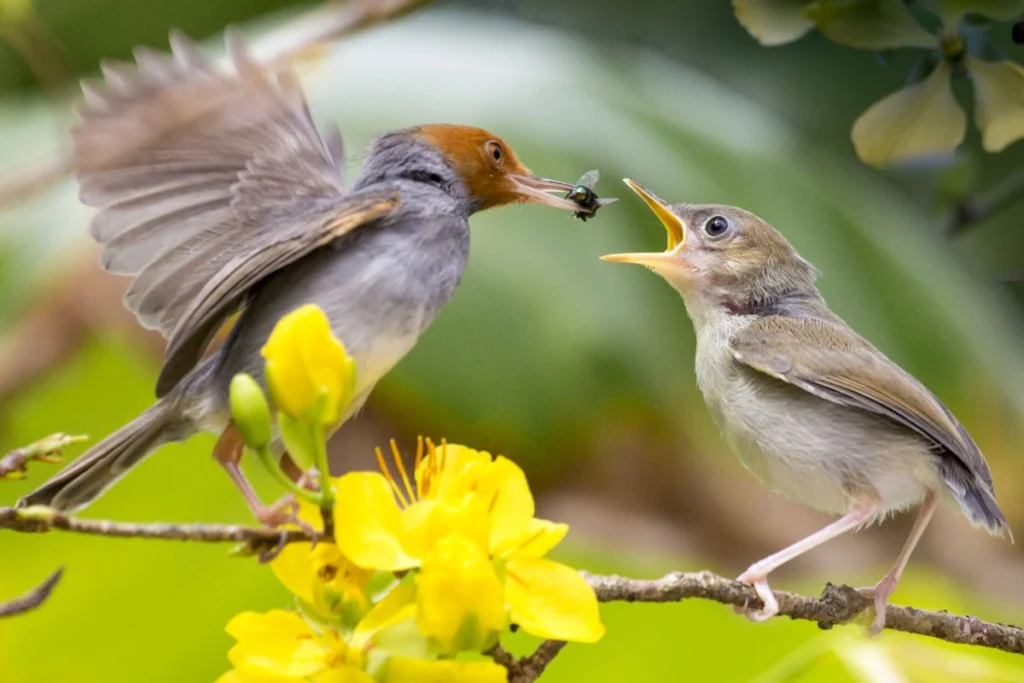
Young birds and fledglings need more food for growth. They often call loudly for their parents or food sources. Watch for small birds staying close to feeders or ground. Their constant begging and quick eating show higher energy demand. Providing extra food helps them develop strong and healthy.
Types Of Bird Food
Feeding birds the right types of food is crucial to keep them healthy and active. Different birds have different dietary needs, so knowing what to offer can make a big difference. Let’s look at some common types of bird food and how to use them effectively.
Seeds And Nuts
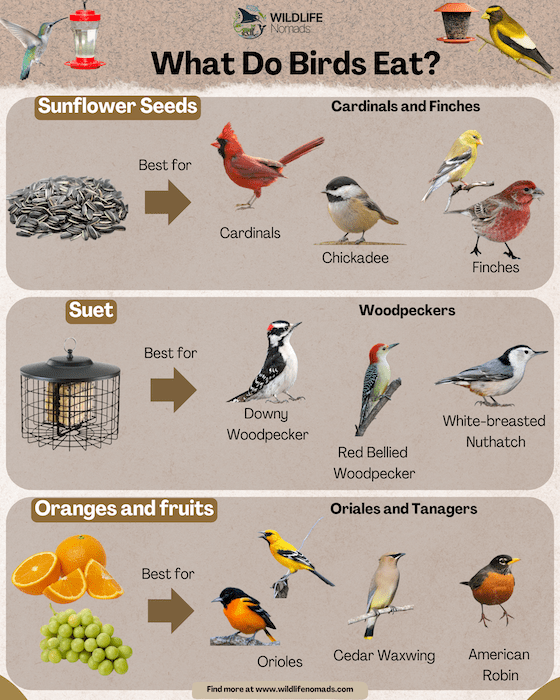
Seeds and nuts form the staple diet for many wild and pet birds. Sunflower seeds, millet, and safflower are popular choices that attract a variety of species. Nuts like peanuts and walnuts provide extra protein and healthy fats, but avoid salted or roasted versions.
Make sure to offer these in moderation to prevent birds from becoming dependent on one type of food. Have you noticed which seeds your local birds prefer? Observing their choices can help you tailor your feeding.
Fruits And Vegetables
Fresh fruits and vegetables add essential vitamins and moisture to a bird’s diet. Apples, berries, and grapes are favorites among many species, while leafy greens like kale or spinach provide minerals.
Always wash produce thoroughly and cut it into small, manageable pieces. Avoid citrus fruits, as many birds find them too acidic. Have you tried different fruits to see which ones your backyard birds enjoy most?
Specialty Diets For Species
Certain birds require specialized diets to thrive. Hummingbirds need sugar water, while parakeets and finches may benefit from formulated pellets designed for their nutritional needs. Birds of prey often require raw meat or whole prey items.
Research your local or pet bird species to understand their unique dietary requirements. Providing the right specialty diet can prevent health issues and promote longevity.
Avoiding Harmful Foods
Not all human foods are safe for birds. Avoid chocolate, caffeine, alcohol, and foods high in salt or sugar. Also, stay away from avocado and onion, which can be toxic.
Feeding harmful foods can cause serious illness or death. If you’re unsure about a food item, it’s better to skip it than risk your feathered friends’ health. What questionable foods have you seen offered to birds that made you stop and think?
Credit: wildbloo.com
Feeding Tips For Different Birds
Feeding different types of birds requires understanding their unique dietary needs and habits. Knowing what to offer and when can make a big difference in attracting and supporting them. Let’s dive into some practical tips for feeding songbirds, waterfowl, birds of prey, and tropical birds effectively.
Songbirds
Songbirds enjoy a variety of seeds, nuts, and fruits. Black-oil sunflower seeds are a favorite for many, including cardinals and finches. You can also add suet or mealworms to provide extra protein, especially in colder months.
Keep your feeders clean to prevent disease. Rotate seed types to keep the birds interested. Have you noticed how different species prefer specific feeders or seed types?
Waterfowl
Feeding waterfowl like ducks and geese requires care. Avoid bread, which is unhealthy and pollutes waterways. Instead, offer cracked corn, oats, or birdseed mixes.
Feed them near the water’s edge and keep the portions small to prevent overfeeding. Watching their natural foraging behavior can guide you on when and how much to feed.
Birds Of Prey
Birds of prey need a diet rich in protein, mostly raw meat or whole prey items like mice or small birds. Feeding live prey is not recommended for beginners; frozen-thawed options are safer and more ethical.
Provide clean water and avoid processed foods. If you care for injured raptors, consult a wildlife expert to tailor their feeding plan.
Tropical Birds
Tropical birds thrive on a mix of fruits, vegetables, seeds, and nuts. They especially love brightly colored fruits like mango, papaya, and berries. Offering fresh water daily is essential.
These birds benefit from variety, so change up their diet regularly to mimic their natural environment. Ever tried making your own tropical bird mix? It can be fun and rewarding.
Setting Up Feeders
Setting up bird feeders is more than just hanging a container outside. It’s about creating a safe and inviting space for birds to visit regularly. The right setup encourages a variety of species to stop by and keeps them coming back, especially when food is scarce.
Choosing Feeder Types
Different birds prefer different feeders. Tube feeders attract small birds like finches, while platform feeders work well for larger birds such as cardinals and jays. You can also try suet feeders to bring in woodpeckers and nuthatches.
Think about your local bird species. Have you noticed which birds visit your yard most often? Matching feeder types to those birds increases your chances of seeing them up close.
Safe Placement
Placing feeders in the right spot is crucial for bird safety and your enjoyment. Position feeders near natural cover like shrubs or trees, so birds have quick escape routes from predators. Avoid areas too close to windows to prevent collisions.
Consider the weather too—placing feeders in shaded spots helps keep seeds fresh longer. What spots around your home offer protection and easy viewing?
Cleaning And Maintenance
Regular cleaning keeps feeders healthy for birds and prevents disease spread. Wash feeders with warm, soapy water every two weeks and rinse thoroughly. Avoid harsh chemicals that can harm birds.
Check feeders for damage or moldy seeds often. A clean feeder not only attracts more birds but also shows you care about their well-being.
Encouraging Natural Foraging
Encouraging natural foraging helps birds stay healthy and active. It allows them to find food naturally, which supports their instincts. Feeding birds only at certain times can make them rely too much on humans. Creating an environment where birds can forage naturally is better for their survival and well-being.
Planting Bird-friendly Gardens
Plant flowers, shrubs, and trees that produce seeds and berries. These plants attract insects that birds eat. Native plants are best because local birds recognize them. Including a variety of plants ensures food through different seasons. Avoid using pesticides that harm birds or their food sources.
Providing Water Sources
Fresh water is essential for birds to drink and bathe. Use shallow dishes or birdbaths placed in safe areas. Change the water daily to keep it clean. Water sources also attract insects, which birds feed on. Position water near natural cover like bushes for bird safety.
Minimizing Human Dependence
Limit bird feeding to times when food is scarce, like winter. Encourage birds to find food naturally the rest of the year. Avoid overfeeding with processed seeds or bread, which can harm birds. Support their natural diet by offering seeds and nuts occasionally. This balance helps birds stay strong and independent.

Credit: uk.feathersnapcam.com
Frequently Asked Questions
When Is The Best Time To Feed Wild Birds?
The best time to feed wild birds is during cold months and early spring. Birds need extra energy then. Feeding helps them survive harsh weather and breeding seasons.
How Often Should Backyard Birds Be Fed?
Feed backyard birds daily or every other day. Consistent feeding helps birds rely on your food during scarce natural supply. Always keep feeders clean and stocked.
What Foods Do Birds Need During Feeding Season?
Birds need high-energy foods like seeds, suet, and nuts. Fresh water is also essential. Avoid bread or processed foods as they harm birds’ health.
Can Feeding Birds Affect Their Natural Foraging Behavior?
Feeding birds occasionally supports their energy needs without harm. However, overfeeding may reduce natural foraging instincts. Balance feeding with natural food availability for best results.
Conclusion
Feeding birds is essential during certain times. Cold months are crucial. Birds need extra energy to stay warm. Spring is important too. Birds require energy for nesting and raising young. High-quality seeds and suet help. Fresh water is vital as well.
Adjust feeding based on seasons. Watch bird behavior for clues. Hungry birds visit feeders more often. Keep feeders clean to prevent disease. Enjoy the beauty and songs they bring. Bird feeding connects us with nature. It’s a simple joy that benefits both.