
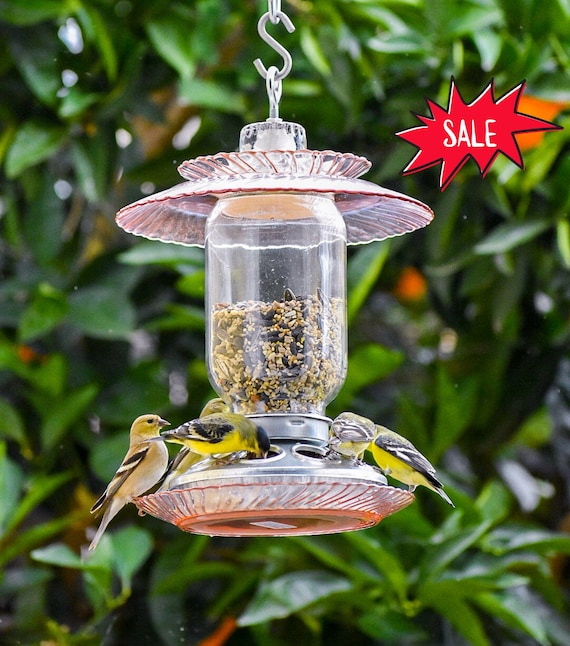
Are you ready to attract more beautiful birds to your garden? One of the first questions you might have is, “What do you hang a bird feeder on?” Choosing the right spot and support for your feeder can make all the difference.
It affects how safe the birds feel, how easy it is for you to refill, and even how well you can enjoy watching your feathered visitors. Keep reading, and you’ll discover simple, practical options that fit your space and lifestyle perfectly.
By the end, you’ll know exactly how to hang your bird feeder for the best results.

Credit: feedsnneeds.ca
Ideal Trees For Bird Feeders
Choosing the right tree to hang a bird feeder is important for attracting birds and keeping the feeder safe. Ideal trees provide strong support and a good environment for birds. They help protect feeders from damage and offer comfort to visiting birds. Selecting the best tree can make your bird feeding experience more enjoyable.
Choosing Sturdy Branches
Pick branches thick enough to hold the feeder’s weight. Thin branches may break easily. Strong branches keep the feeder steady during wind or bird activity. Look for healthy branches without signs of decay. This prevents accidents and feeder damage. A solid branch also makes it easier to hang the feeder securely.
Safe Distance From Predators
Place feeders away from places where predators hide. Avoid branches near thick bushes or dense shrubs. Predators like cats or squirrels use these to jump on feeders. Keep feeders at least 6 feet away from such spots. This distance gives birds time to escape if danger approaches. Safety helps birds visit often and feel secure.
Shade And Shelter Benefits
Trees with good leaf cover provide shade and shelter. Shade protects birds from harsh sun and heat. Shelter from wind and rain keeps birds comfortable. Evergreen trees are great for year-round protection. Shade also helps keep bird seed fresh longer. Trees that offer shelter encourage birds to stay near your feeder.
Using Poles And Stakes
Using poles and stakes is a simple way to hang a bird feeder in your yard. They provide a strong support that keeps the feeder visible and accessible to birds. Poles can be placed almost anywhere, giving flexibility in choosing the best spot for bird watching.
Poles and stakes also keep feeders off the ground. This helps protect birds from dangers and keeps the feeding area clean. Selecting the right pole and placing it correctly ensures a safe and stable feeding station for your feathered visitors.
Selecting The Right Pole
Choose a pole made from durable materials like metal or wood. It should resist weather and rust for long-lasting use. The height matters too. Aim for 5 to 6 feet tall to keep feeders away from predators and easy to fill. Poles with built-in hooks or arms make hanging feeders easier.
Placement Tips For Stability
Place the pole in firm soil to prevent wobbling. Use a stake or ground anchor if the soil is loose. Avoid soft, sandy, or rocky ground that can cause instability. Check the pole regularly to make sure it stays upright. A stable pole keeps birds safe and feeders full.
Avoiding Ground Predators
Keep the feeder at least 4 feet above the ground. Use baffles or guards on the pole to stop animals like squirrels and cats. Clear the area around the pole of bushes or low branches. This reduces hiding spots for predators and helps birds feel safe while eating.
Hanging From Porches And Eaves
Hanging a bird feeder from porches and eaves offers a great way to enjoy watching birds up close. These spots provide natural shelter and a stable place to hang feeders. Choosing the right hooks and hangers is key for safety and ease. Proper placement keeps feeders safe from harsh weather. Accessibility matters for quick refills and cleaning. This setup keeps birds happy and your feeder secure.
Secure Hooks And Hangers
Use strong hooks designed for outdoor use. Metal or heavy-duty plastic hooks work best. Secure them firmly into wood or sturdy surfaces. Avoid weak hooks that can bend or break. Consider hooks with a closed loop to prevent feeders from falling. Check hooks regularly for rust or damage. Safety keeps birds and feeders protected.
Protection From Weather
Porches and eaves shield feeders from rain and wind. This shelter helps keep seed dry and fresh. Place feeders where they get some shade. Too much sun can spoil the seed quickly. Wind can shake feeders, spilling seed everywhere. A sheltered spot reduces seed waste and bird stress.
Accessibility For Refilling
Hang feeders where you can reach them easily. Avoid spots that need a ladder or stretching. Easy access makes refilling quick and safe. Clean feeders regularly to prevent mold and disease. A reachable spot encourages frequent refills. Birds enjoy fresh seed, and you enjoy watching them more.
Window Mounts And Balconies
Window mounts and balconies offer great spots for bird feeders. They bring birds closer to your living space. You can enjoy watching birds without leaving home. These spots are ideal for small spaces or apartments. They keep feeders secure and visible. Plus, they make bird feeding easy and fun.
Attaching Feeders Safely
Use strong suction cups for window mounts. Clean the glass before attaching. Check the feeder regularly for stability. On balconies, hang feeders from sturdy hooks or railings. Avoid places with strong wind or heavy sun. Secure feeders to prevent swinging or falling.
Encouraging Close-up Bird Watching
Place feeders near windows at eye level. Use clear feeders to see birds easily. Keep the area quiet and calm. Use binoculars or a camera for better views. Change feeder positions to attract different birds. Bright feeders can catch birds’ attention.
Minimizing Disturbance To Birds
Keep feeders away from busy doors or loud noises. Avoid sudden movements near feeders. Clean feeders regularly to keep birds healthy. Provide fresh water nearby for drinking and bathing. Use natural plants or shrubs as cover. This helps birds feel safe and comfortable.
Using Shepherd’s Hooks
Using shepherd’s hooks is a popular and simple way to hang bird feeders. These hooks stand tall and provide a stable place for feeders in your yard or garden. They let you place feeders in open spaces, making birds feel safe and visible. The design of shepherd’s hooks blends well with outdoor settings and adds charm to your feeding spot.
Designs And Materials
Shepherd’s hooks come in many designs and materials. Common materials include:
- Metal – strong and durable, resists weather well
- Wrought iron – classic look, very sturdy
- Steel – often powder-coated to prevent rust
- Aluminum – lightweight and rust-resistant
Designs range from simple curves to decorative scrolls and finials. Choose a style that matches your garden’s look. Some hooks have multiple arms for hanging several feeders at once.
Placement For Maximum Visibility
Place shepherd’s hooks where you can easily watch the birds. Good spots are near windows or seating areas. Ensure the feeder hangs away from dense bushes or trees to keep birds safe. The hook should be stuck deep enough into the ground to stay stable. Avoid windy spots where feeders might swing too much.
Combining With Plants For Appeal
Adding plants near shepherd’s hooks creates a natural, inviting space. Use low shrubs or flowers around the base. Tall grasses or perennials add color and texture without blocking feeders. This mix attracts more birds and makes your garden look lively. Plants also offer birds places to rest and hide from predators.
Avoiding Common Hanging Mistakes
Choosing the right spot to hang a bird feeder is key to attracting birds safely. Avoid common mistakes that can scare birds away or harm them. Small changes in placement make a big difference.
Too Close To Windows
Birds often confuse reflections for open space. Placing feeders near windows causes collisions. Keep feeders at least three feet away from glass. Using window decals or screens helps reduce accidents.
Exposed To Strong Winds
Windy spots make feeding hard for birds. Feeders swinging in the wind spill seeds and frighten birds. Find a sheltered place protected by walls or trees. This keeps feeders steady and birds calm.
Near Predator Hideouts
Predators like cats and squirrels hide near dense bushes or tall trees. Feeding near these areas puts birds at risk. Choose open spaces with clear views. Birds feel safer and visit more often.
Enhancing Bird Comfort
Creating a welcoming spot for birds to feed goes beyond just hanging a feeder. Enhancing bird comfort means thinking about their needs before and after they visit the feeder. When birds feel safe and relaxed, they return often, offering you delightful moments of nature up close.
Providing Nearby Perches
Birds like to rest before and after feeding. Adding nearby perches gives them a safe place to watch for predators and prepare to eat. You can use tree branches, garden stakes, or even install a small wooden perch close to the feeder.
Have you noticed how birds hesitate if there’s no place to land nearby? Offering perches can make your feeder more inviting and keep birds coming back regularly.
Ensuring Clean Feeding Areas
Cleanliness is key for bird health. Droppings and leftover seeds can attract pests and spread disease. Clean the area around your feeder often to keep it safe and comfortable for birds.
Try placing a tray or mat beneath the feeder to catch spills. This simple step makes cleanup easier and prevents muddy or slippery spots that birds avoid.
Using Multiple Feeders
Using more than one feeder reduces crowding and stress among birds. It allows shy or smaller species to eat without competition. Space your feeders at least 10 feet apart to give birds enough room to feed peacefully.
Have you thought about the variety of birds you want to attract? Multiple feeders with different seeds can invite a wider range of birds to your yard, each feeling comfortable in their own feeding space.
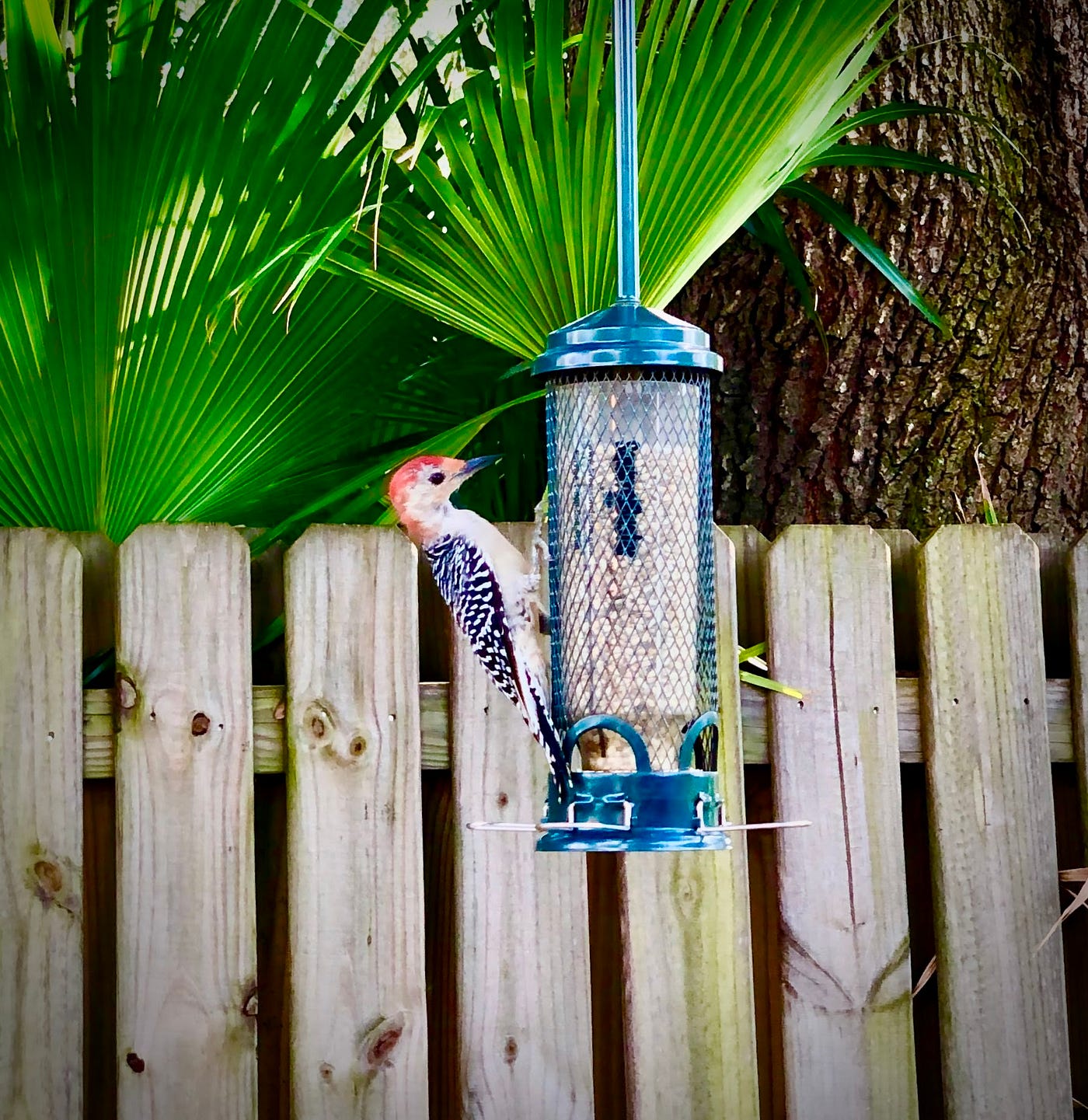
Credit: medium.com

Credit: www.amazon.ca
Frequently Asked Questions
What Is The Best Material To Hang A Bird Feeder On?
Wooden poles, metal hooks, and sturdy tree branches work best. These materials provide strong support and stability for feeders.
Can I Hang A Bird Feeder On A Metal Pole?
Yes, metal poles are durable and weather-resistant, ideal for hanging bird feeders securely.
How High Should I Hang A Bird Feeder?
Hang feeders 5 to 6 feet above ground. This height keeps birds safe from predators and easy to observe.
Is It Safe To Hang Bird Feeders On Tree Branches?
Yes, but choose strong branches away from predators. Ensure branches can support the feeder’s weight safely.
Conclusion
Choosing the right spot for your bird feeder matters. It ensures birds’ safety and easy access to food. A tree branch is ideal. It offers natural protection. A shepherd’s hook works too. It’s versatile and easy to install. Consider your own convenience.
Refill and clean the feeder often. Avoid placing it too close to windows. This prevents bird collisions. Enjoy watching your feathered friends visit. Happy birdwatching!