
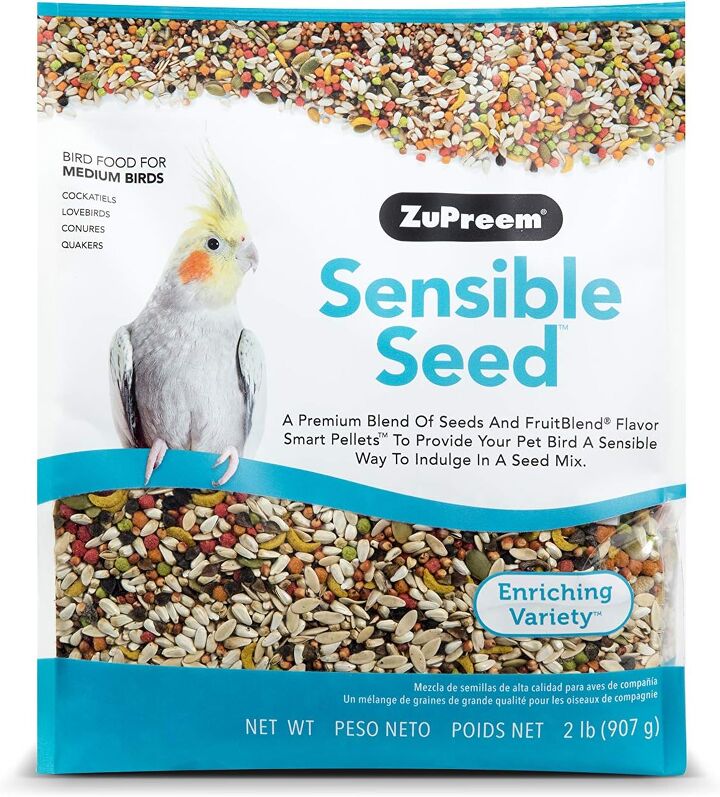
Are you wondering what you can feed your pet bird to keep it healthy and happy? Choosing the right food is one of the most important things you can do for your feathered friend.
Feeding your bird the wrong diet can lead to health problems, while the right foods will help your bird thrive and show its true colors. You’ll discover simple, safe, and tasty options that your bird will love. Keep reading to learn how to give your pet bird the best meals every day!
Safe Seeds And Grains
Feeding your pet bird the right seeds and grains is key to its health. Safe seeds and grains provide essential nutrients, energy, and variety. They help keep your bird active and happy. Knowing which seeds and grains are safe can protect your bird from illness. Understanding the best options supports a balanced diet.
Types Of Bird Seeds
Many seeds are good for pet birds. Common safe seeds include:
- Millet – small and easy to eat
- Sunflower seeds – high in fat, good in moderation
- Safflower seeds – less fatty, good for weight control
- Canary seeds – rich in nutrients
- Nyjer seeds – popular for small birds like finches
Mixing different seeds keeps your bird interested and nourished. Offer fresh seeds to avoid mold and spoilage.
Benefits Of Grains
Grains add fiber and energy to your bird’s diet. They support digestion and keep feathers healthy. Common healthy grains include:
- Oats – easy to digest and full of vitamins
- Quinoa – a complete protein source
- Brown rice – rich in minerals
- Barley – helps with digestion
Grains help birds feel full and active. Cook grains lightly or serve raw, depending on the bird species.
Seeds To Avoid
Some seeds can harm your pet bird. Avoid these seeds to keep them safe:
- Apple seeds – contain cyanide, toxic to birds
- Cherry pits – toxic chemicals inside
- Avocado seeds – can cause heart problems
- Rhubarb seeds – harmful to digestion
- Wild or unknown seeds – may carry toxins or mold
Always check seeds carefully before feeding. Buy seeds from trusted stores to ensure safety.
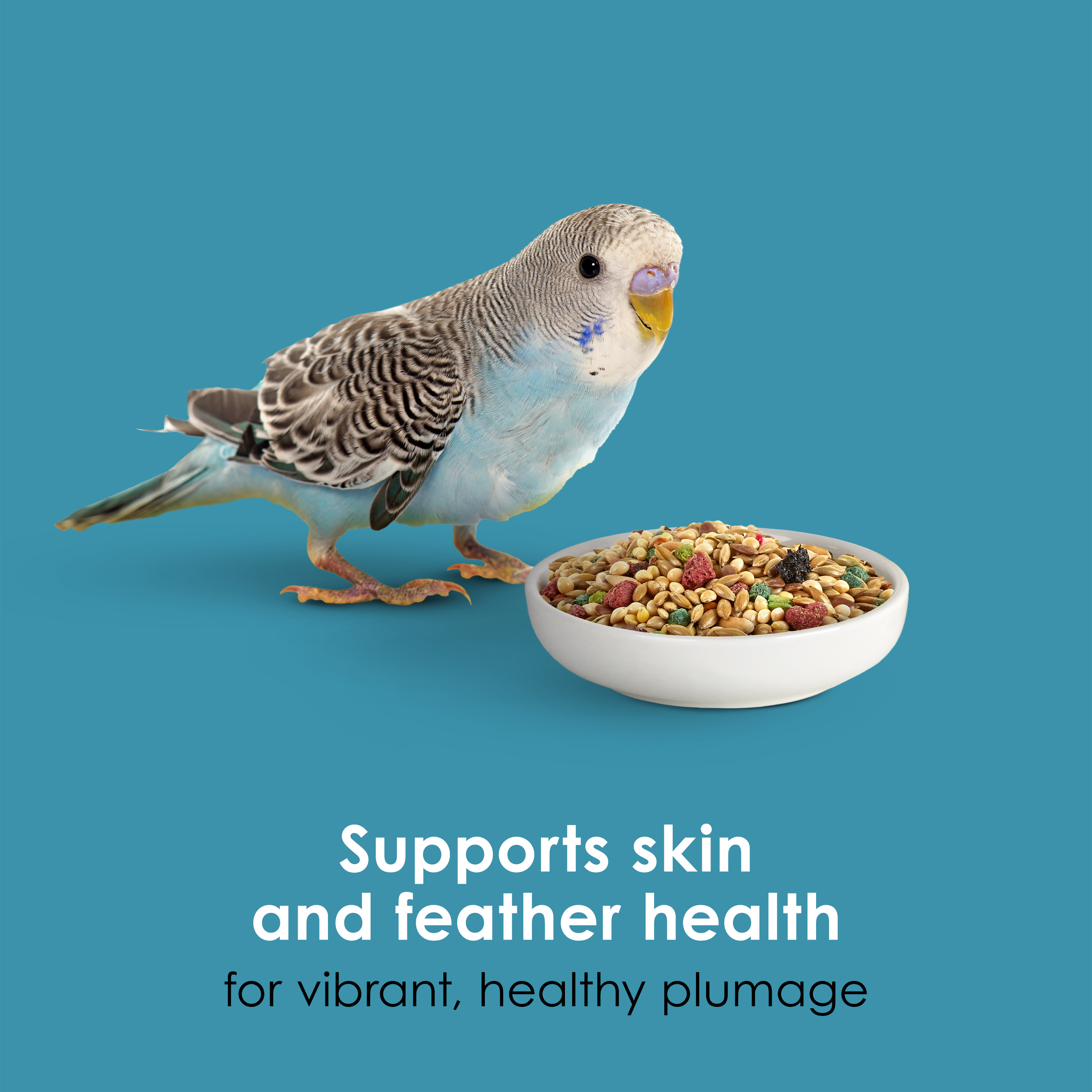
Credit: www.kaytee.com
Fresh Fruits And Vegetables
Fresh fruits and vegetables are vital for a pet bird’s health. They offer essential vitamins, minerals, and fiber. These natural foods help keep your bird active and happy. Always wash fruits and vegetables well before serving. Remove any seeds or pits that can be harmful. Variety makes meals exciting and nutritious for your feathered friend.
Best Fruits For Birds
- Apples (without seeds)
- Bananas
- Blueberries
- Grapes
- Melons
- Pears
- Strawberries
- Oranges (in small amounts)
Safe Vegetables To Offer
- Carrots
- Broccoli
- Spinach
- Peas
- Sweet potatoes (cooked)
- Green beans
- Cucumber
- Zucchini
Fruits And Veggies To Skip
- Avocado – toxic to birds
- Onions – harmful and cause illness
- Garlic – can damage bird’s health
- Rhubarb – poisonous
- Tomato leaves and stems – unsafe
- Fruit seeds and pits – dangerous
Pellets And Prepared Foods
Pellets and prepared foods offer a convenient and balanced diet for pet birds. These foods are made to meet birds’ nutritional needs with the right mix of vitamins, minerals, and proteins. They help ensure birds get a steady supply of nutrients without the guesswork of mixing seeds or fresh foods.
Many bird owners prefer pellets because they reduce selective eating. Birds tend to eat a variety of nutrients rather than just picking favorite seeds. Prepared foods also save time and keep feeding simple and clean.
Choosing Quality Pellets
Look for pellets made from natural ingredients. Avoid those with artificial colors, flavors, or preservatives. Check the label for a balanced mix of nutrients suitable for your bird’s species.
High-quality pellets should be firm but easy to chew. They come in different sizes for small or large birds. Pick pellets that match your bird’s size and beak strength.
Try to choose brands with good reviews and clear ingredient lists. Some pellets include added fruits or vegetables for extra nutrition. Always introduce new pellets slowly to let your bird adjust.
Pros And Cons Of Prepared Diets
- Pros:Provide balanced nutrition without guesswork.
- Pros:Reduce selective eating and waste.
- Pros:Easy to store and serve.
- Cons:Some birds may reject pellets at first.
- Cons:May lack variety and texture of natural foods.
- Cons:Not all brands offer the same quality.
Mix prepared foods with fresh fruits and vegetables for a well-rounded diet. Monitor your bird’s health and eating habits regularly. Adjust the diet as needed to keep your pet happy and healthy.
Protein Sources For Birds
Protein is an essential part of your pet bird’s diet. It supports growth, repairs tissues, and keeps feathers shiny and strong. Knowing which protein sources are safe and nutritious can make a big difference in your bird’s health and happiness.
Eggs And Dairy Options
Eggs are a fantastic protein source for birds. You can offer them boiled or scrambled, but avoid adding salt or spices. Many birds enjoy the texture and taste, and eggs provide vital amino acids and vitamins.
Dairy is trickier. Some birds tolerate small amounts of cheese or yogurt, especially those with probiotics. However, lactose intolerance is common in birds, so introduce dairy cautiously. Watch for any digestive upset and always prioritize fresh water to help digestion.
Insects And Legumes
Insects are a natural protein source for many wild birds. Mealworms, crickets, and small beetles are excellent options you can buy from pet stores. They’re rich in protein and mimic what birds might find outdoors.
Legumes like cooked lentils, chickpeas, and beans also provide good protein. Make sure they are fully cooked and unsalted before offering. These plant-based proteins can add variety and help balance your bird’s diet.
Have you noticed your bird’s preference between animal and plant proteins? Observing their choices can guide you in creating meals they truly enjoy while keeping them healthy.
Treats And Snacks
Treats and snacks play an important role in your pet bird’s diet. They provide variety and extra nutrients. Treats also help with training and bonding. Choose treats that are safe and healthy. Avoid foods that can harm your bird’s health. Offering the right snacks keeps your bird happy and energetic.
Healthy Treat Ideas
- Small pieces of fresh fruits like apple, pear, or berries
- Chopped vegetables such as carrots, broccoli, or peas
- Unsalted nuts like almonds or walnuts in moderation
- Cooked whole grains like quinoa or brown rice
- Sprouted seeds that are easy to digest
- Millet sprays, a favorite for many small birds
Foods To Avoid As Treats
- Avocado, which is toxic to birds
- Chocolate, as it contains harmful substances
- Caffeine from coffee or tea, dangerous for birds
- Salty or sugary snacks that upset digestion
- Onions and garlic, which can cause illness
- Alcohol or any processed human food
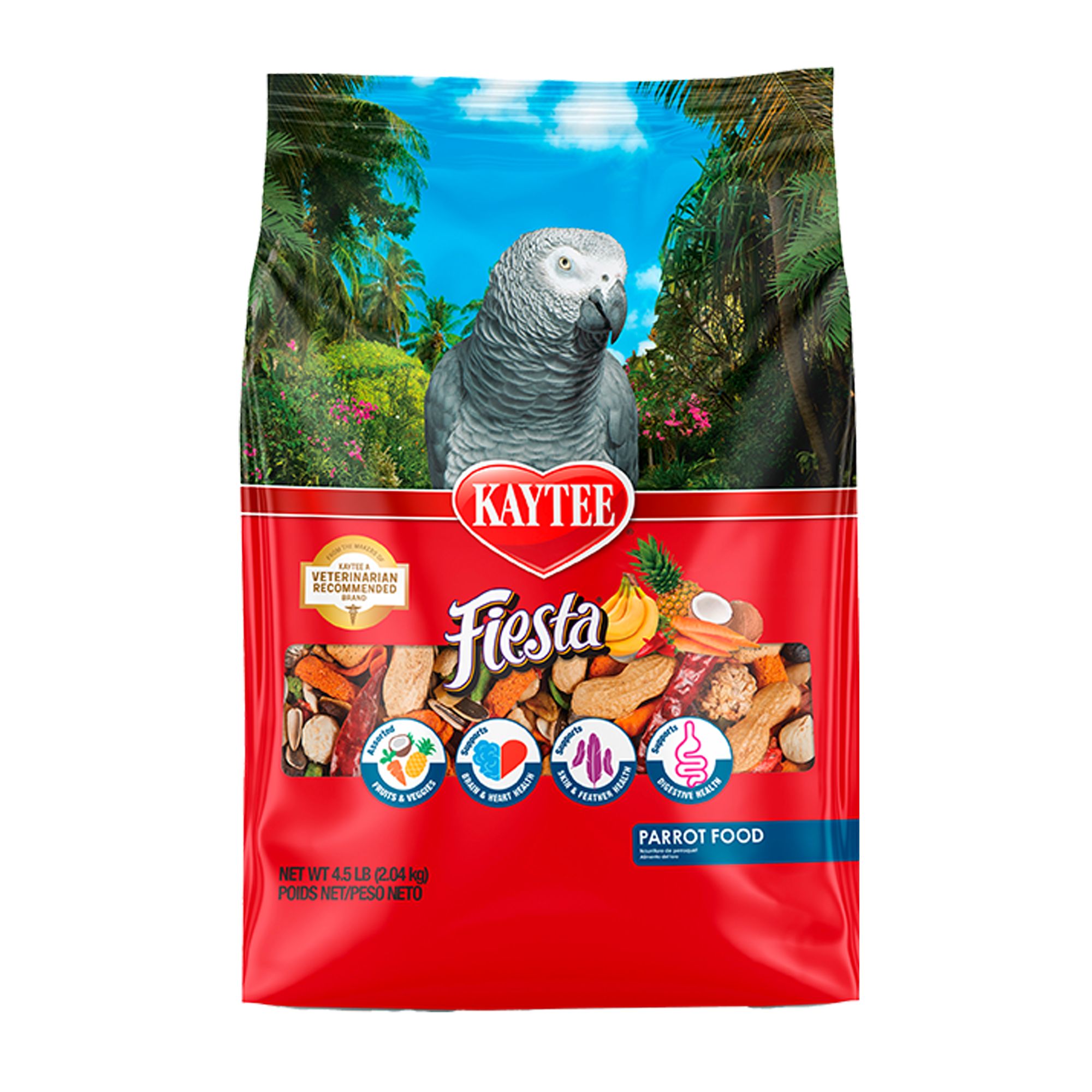
Credit: www.petsmart.com
Hydration Needs
Proper hydration is vital for your pet bird’s health. Birds need fresh water to stay active and avoid illness. Their small bodies lose water quickly through breathing and activity. Supplying clean water daily prevents dehydration and supports digestion.
Water Requirements
Always provide fresh, clean water in a shallow dish or bottle. Change water every day to avoid bacteria growth. Use lukewarm water, not too cold or hot. Birds drink often, so check water levels twice daily. Avoid water with additives or chemicals. Tap water is usually fine but consider filtered water in areas with hard water. Keep the water dish clean by washing it regularly with mild soap and rinsing well.
Flavored And Alternative Drinks
Flavored drinks can tempt birds but often contain sugar or harmful ingredients. Avoid soda, juice, or caffeinated drinks. These can cause health problems. Some bird owners offer diluted fruit juice as a treat, but keep it rare and in small amounts.
Herbal teas without caffeine, like chamomile or mint, can be safe if cooled and unsweetened. Offer these only occasionally and watch for any reaction. Coconut water is a natural option but choose pure, unsweetened types and serve in moderation.
Foods Toxic To Birds
Knowing which foods are toxic to birds is vital for their health. Birds have sensitive digestive systems. Certain foods can cause severe illness or death. Avoid feeding any harmful items to your pet bird. This section highlights common toxic foods and signs of poisoning.
Common Harmful Foods
- Avocado – contains persin, toxic to many bird species.
- Chocolate – contains theobromine, harmful to birds’ hearts and nerves.
- Caffeine – found in coffee, tea, and soda; can cause rapid heartbeat and death.
- Onions and garlic – may cause digestive upset and red blood cell damage.
- Alcohol – highly toxic and can depress the nervous system.
- Fruit pits and seeds – like cherry, apple, peach pits; contain cyanide compounds.
- Salt – excessive amounts can lead to dehydration and kidney failure.
- Raw beans – contain hemagglutinin, toxic unless cooked properly.
Symptoms Of Poisoning
Bird poisoning signs vary but often include sudden changes. Watch for:
- Vomiting or regurgitation
- Diarrhea or droppings change
- Lethargy or weakness
- Difficulty breathing or gasping
- Swelling around the mouth or eyes
- Seizures or tremors
- Loss of appetite
Immediate veterinary care is crucial if poisoning is suspected. Fast action can save a bird’s life.
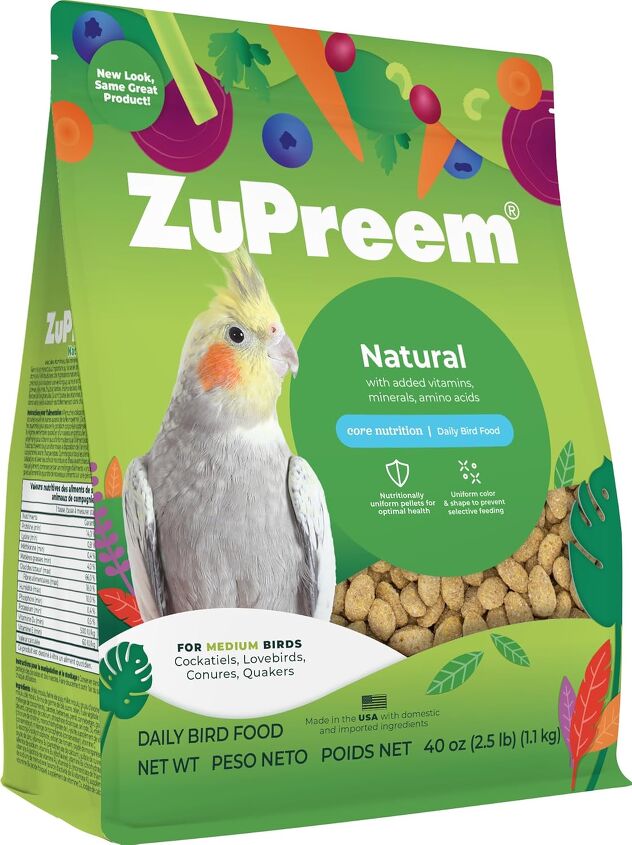
Credit: www.petguide.com
Feeding Tips And Best Practices
Feeding your pet bird properly is key to keeping it healthy and happy. Small changes in how you feed and care for your bird’s food can make a big difference. Understanding the best feeding habits helps you avoid common mistakes that could harm your feathered friend.
Meal Frequency And Portions
Birds don’t need constant access to food throughout the day. Most pet birds do well with two main meals—morning and evening. This routine mimics their natural feeding patterns and prevents overeating.
Portion size depends on your bird’s species, size, and activity level. For example, a small parakeet might eat about one tablespoon of seed mix daily, while a larger cockatiel needs more. Watch your bird’s weight and energy to adjust portions accordingly.
Have you noticed your bird leaving food untouched or eating too quickly? These signs might mean you need to tweak the amount or timing of meals. Experiment to find what suits your bird best without overfeeding.
Cleaning And Food Storage
Keeping your bird’s feeding area clean is more important than you might think. Dirty bowls can harbor bacteria, causing illness. Wash food and water dishes daily with hot, soapy water, and rinse thoroughly.
Store seeds, pellets, and fresh food properly to maintain freshness and prevent mold. Use airtight containers for dry foods and refrigerate fresh fruits and vegetables. Check expiration dates and avoid feeding spoiled items.
One time, I found mold in a seed mix that was stored in a loosely closed bag. My bird refused to eat and became lethargic. After switching to airtight containers, my bird’s appetite and energy returned quickly. What small change can you make today to improve your bird’s food safety?
Special Diets For Different Species
Each bird species has unique dietary needs that reflect their natural habits and nutritional requirements. Feeding your pet bird a diet tailored to its species helps maintain its health and energy levels. Understanding these special diets can prevent common health problems and keep your feathered friend happy.
Diet For Small Birds
Small birds like finches and canaries thrive on a mix of seeds and fresh fruits. Seeds such as millet and sunflower are favorites but should be balanced with fresh greens like spinach or kale.
Adding a calcium source like cuttlebone supports their bone strength. Have you noticed how your little bird perks up after some fresh fruit? That’s their natural energy boost working.
Diet For Large Parrots
Large parrots need a variety of foods to meet their complex nutritional needs. A base of high-quality pellets combined with nuts, fruits, and vegetables works well.
They especially benefit from protein sources like cooked beans or eggs occasionally. Remember, too many seeds can lead to obesity, so moderation is key. How often do you rotate your parrot’s menu to keep things exciting?
Diet For Exotic Birds
Exotic birds such as cockatoos and macaws often require specialized diets including specific fruits, nuts, and even insects. Their diet may need supplements like vitamin A or calcium depending on their species.
Consulting an avian vet can help you tailor meals precisely. Have you tried introducing new fruits slowly to see which ones your exotic bird prefers? This keeps their diet balanced and interesting.
Frequently Asked Questions
What Are The Best Seeds For Pet Birds?
The best seeds include millet, sunflower, and safflower. These provide essential nutrients and are favored by many bird species. Avoid feeding only seeds, as a balanced diet is crucial for pet bird health.
Can I Feed My Bird Fresh Fruits And Vegetables?
Yes, fresh fruits and vegetables are excellent for pet birds. Offer apples, carrots, spinach, and berries in small amounts. Avoid avocado, onion, and garlic, as they are toxic to birds.
How Often Should I Feed My Pet Bird Daily?
Feed your pet bird twice a day, morning and evening. Provide fresh food portions and clean water each time. Regular feeding maintains energy and promotes healthy digestion for your bird.
Are Commercial Bird Pellets Safe And Nutritious?
Commercial bird pellets are safe and nutritious when chosen properly. They offer balanced vitamins and minerals and reduce selective eating. Always select pellets suited for your bird species and check ingredient quality.
Conclusion
Feeding your pet bird requires thoughtful choices. Focus on balanced nutrition. Fresh fruits and vegetables are vital. Seeds and pellets make a good base. Always provide clean water. Treats should be healthy and in moderation. Avoid chocolate, caffeine, and avocado.
These are harmful to birds. Observe your bird’s preferences and adjust accordingly. A varied diet keeps them happy and healthy. Consult a vet for personalized advice. A little care goes a long way. Your bird will thrive with the right diet.
Remember, a well-fed bird is a joyful companion. Enjoy your time with your feathered friend!