
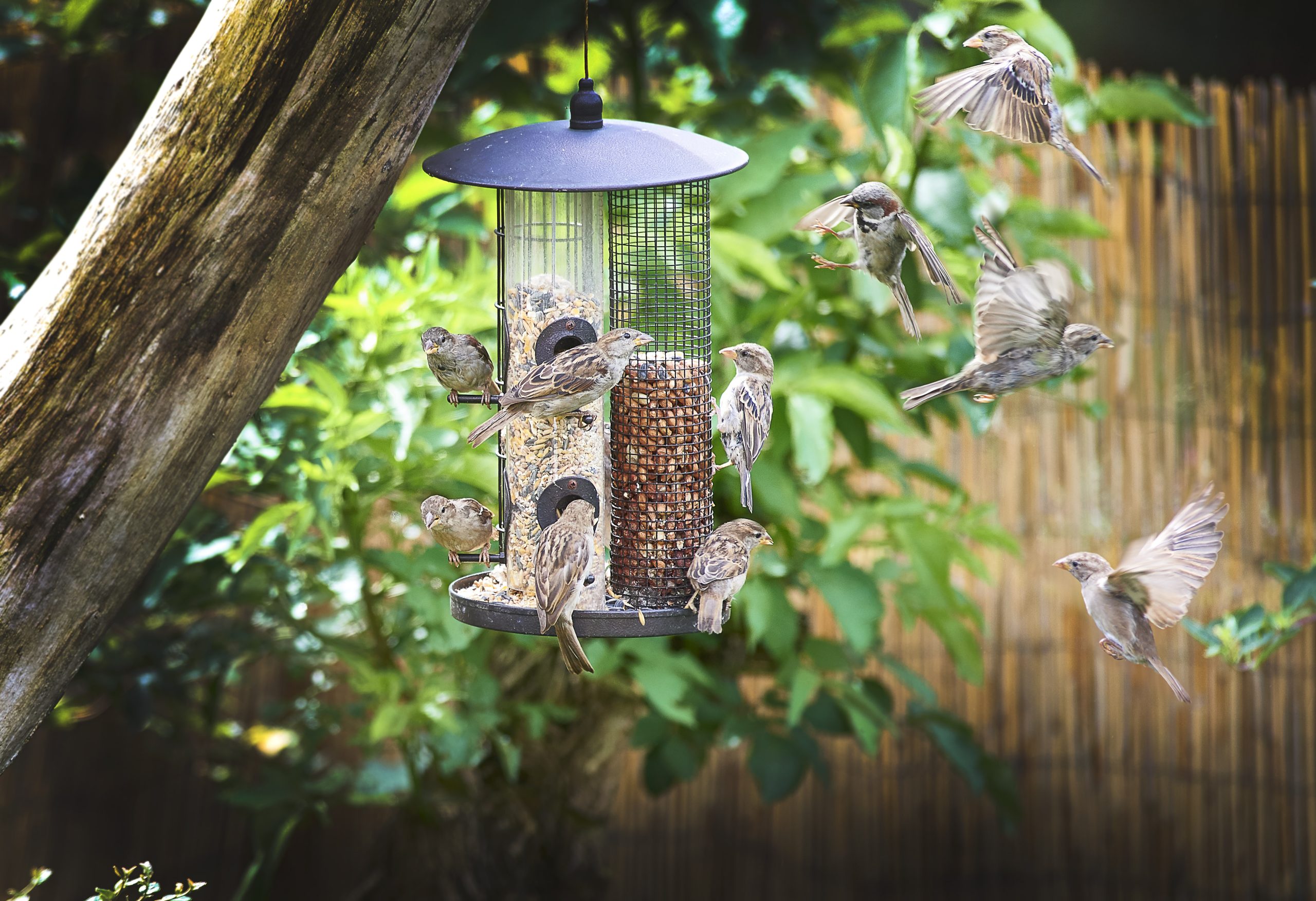
Are you tired of small birds crowding your feeder and chasing away the bigger, more colorful visitors you want to enjoy? It can be frustrating to watch tiny birds gobble up all the seeds before the ones you really want show up.
But don’t worry—there are simple, effective ways to keep those small birds away without harming them. You’ll discover easy tips and tricks that help you take control of your feeder, so you can attract the birds you love and create a peaceful, beautiful backyard scene.
Keep reading to find out how to make your feeder a magnet for the right guests.
Credit: www.kingsyard.com
Choosing The Right Feeder
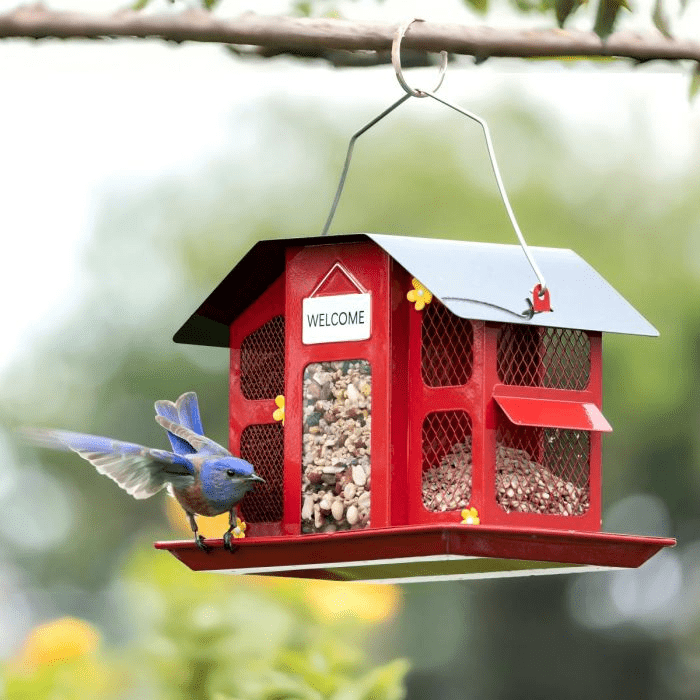
Choosing the right feeder is key if you want to enjoy watching larger birds without the constant presence of small, pesky ones. The feeder you select can either invite a variety of bird sizes or specifically discourage the little ones from feasting. It’s about matching the feeder style and features to the birds you want to attract, not those you don’t.
Types That Discourage Small Birds
Not all feeders welcome every bird. Some are designed specifically to keep smaller birds away while still providing easy access to larger species.
- Caged Feeders:These have a metal cage around the feeding ports that allows bigger birds to enter but blocks smaller ones. It’s like a size-exclusive club for birds.
- Weight-Sensitive Feeders:These feeders close access to the food when a small bird lands, but open when a heavier bird sits. It’s a smart way to control who gets the snack.
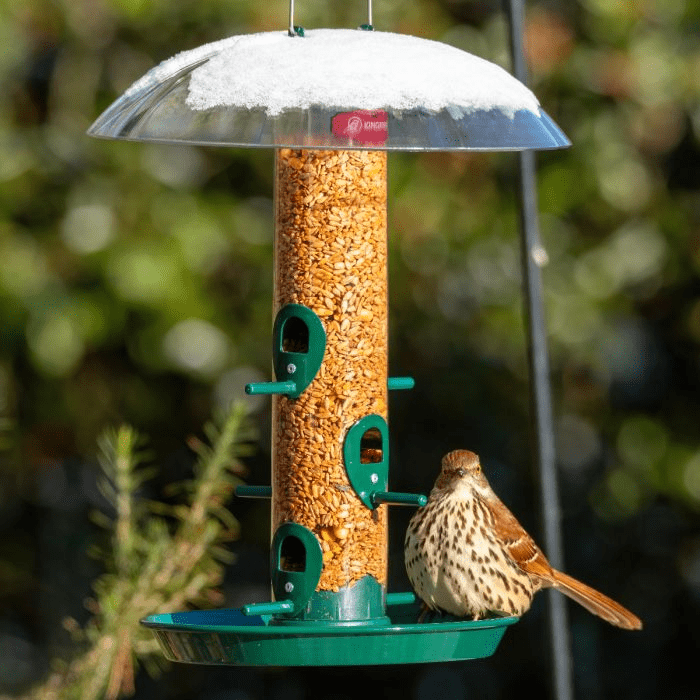
- Tube Feeders with Large Perches:Small birds struggle to perch on large, spaced-out perches, making it uncomfortable or impossible for them to feed.
Have you noticed how a feeder’s shape can make a big difference in which birds show up? Experimenting with these types can drastically reduce the number of tiny visitors.
Materials And Design Features
The choice of materials and design details can also influence which birds visit your feeder. Some materials are sturdier and better suited to handle larger birds, while the design can deter smaller birds.
- Metal Feeders:These are durable and often come with cages or weight-sensitive mechanisms. They withstand pecking and weather better than plastic.
- Feeder Port Size:Larger feeding ports make it difficult for small birds to access the seeds. Adjusting port size can be a subtle but effective filter.
- Perch Size and Placement:Bigger perches spaced further apart give small birds no room to land comfortably, favoring larger birds.
Consider your local bird population as well. What works well in one area might not be perfect in another. Have you tried customizing feeders to fit your backyard’s bird variety? Small tweaks in design could bring you the birdwatching experience you want.
Feeder Placement Strategies
Placing a bird feeder correctly helps control which birds visit. Small birds can be discouraged by thoughtful feeder placement. The right height and spot make a big difference. Avoiding areas where small birds like to stay also works well. These strategies help attract your preferred birds while keeping others away.
Optimal Height And Location
Set the feeder at a height that small birds find hard to reach. Most small birds stay closer to the ground or low bushes. Place the feeder higher, around 6 to 8 feet above ground. Choose a spot with open space nearby for larger birds to feel safe.
Keep the feeder away from branches or places where small birds hide. Open areas help bigger birds spot predators and feel secure. Avoid crowded areas with many small bird nests or dense shrubs.
Avoiding Small Bird Habitats
Small birds prefer areas with thick bushes and low trees. Avoid placing feeders near these spots. Check your yard for places where small birds often gather or nest. Move feeders at least 10 feet away from those areas.
Use open, sunny locations with few hiding places for small birds. Large birds like open spaces more than small birds do. This placement reduces visits from small birds and attracts the bigger ones you want to see.
Selective Food Choices
Choosing the right food plays a big role in keeping small birds away from your feeder. Different birds prefer different seeds and foods. By giving food that larger birds like, you can reduce visits from smaller birds. This helps create a peaceful feeding spot for bigger birds.
Seeds Preferred By Larger Birds
Large birds enjoy seeds that are hard for small birds to eat. These seeds are bigger, making them less attractive to tiny birds.
- Sunflower seeds (especially striped or black oil)
- Safflower seeds
- Peanuts (shelled or unshelled)
- Cracked corn
Using these seeds fills feeders with food that bigger birds find tasty. Small birds often avoid these because they are harder to handle.
Foods To Avoid Attracting Small Birds
Some foods attract many kinds of birds, including small ones. Avoid these to keep your feeder less inviting for small birds.
- Millet and small seeds
- Thistle (nyjer) seed
- Cracked oats or wheat
- Small pieces of bread or crumbs
These foods are easy for small birds to eat and can bring them in large numbers. Choosing not to use them helps keep feeders focused on larger species.
Credit: www.kingsyard.com
Physical Barriers And Guards
Physical barriers and guards offer a straightforward way to control which birds can access your feeder. These tools help you target specific bird sizes, keeping smaller birds away while still allowing your preferred species to feed. They work by either blocking entry or responding to the bird’s weight, making them both effective and humane.
Using Wire Mesh And Cages
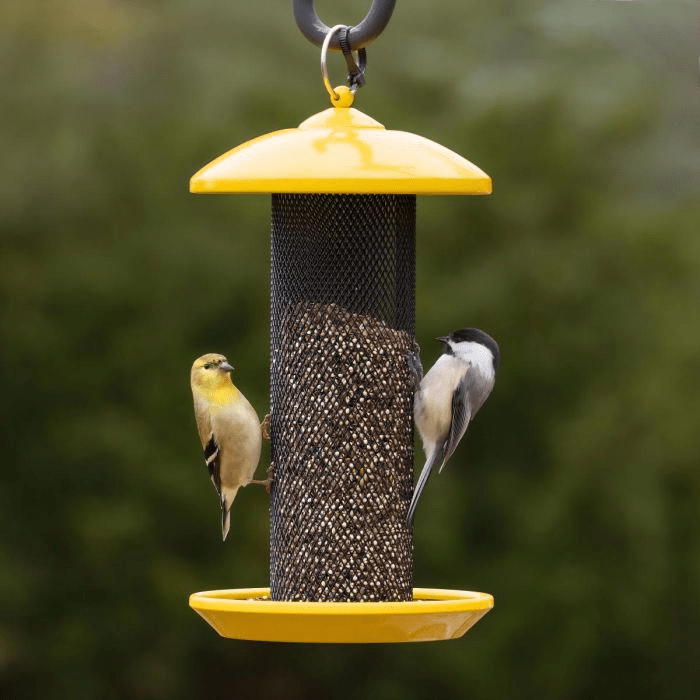
Wire mesh or cages act like a selective gatekeeper around your feeder. The mesh holes are sized to let larger birds through but keep small birds out. This approach is simple and does not require any power or complex setup.
For example, if you want to feed cardinals or jays but exclude sparrows and finches, choose a mesh with openings around one inch. Make sure the cage is sturdy to withstand weather and curious squirrels. You can even buy feeders with built-in cages or add them as an attachment.
Have you noticed how a small tweak in mesh size instantly changes which birds visit? Adjusting this barrier can fine-tune your backyard’s bird traffic in a surprisingly precise way.
Adding Weight-activated Perches
Weight-activated perches use smart mechanics to restrict feeder access based on the bird’s weight. When a small bird lands, the perch moves or closes off the feeding ports. Larger birds, which are heavier, can keep the perch steady and feed comfortably.
This method feels almost like having a bouncer at your bird party—only letting in guests above a certain size. It’s especially handy if you want to avoid smaller, aggressive birds that dominate feeders.
Installing these perches can be a bit tricky at first, but once set, they require little maintenance. Have you tried this kind of feeder? It might surprise you how well it balances access without chasing away the birds you love.
Natural Deterrents
Using natural deterrents is a smart way to keep small birds away from your feeder without causing them harm. These methods work with nature rather than against it, helping you maintain a peaceful garden environment. You might be surprised how simple changes around your feeder can make a big difference.
Planting Companion Vegetation
Some plants naturally discourage small birds from hanging around. Adding these near your feeder can create a subtle barrier that small birds tend to avoid.
Consider planting herbs like lavender or rosemary. Their strong scents are pleasant to humans but off-putting to many small bird species.
Also, try placing prickly plants such as holly or barberry nearby. Their spiky leaves make landing uncomfortable, encouraging small birds to look elsewhere.
Have you noticed how certain areas in your garden attract fewer birds? Try introducing these plants there and watch the change unfold.
Applying Safe Bird Repellents
There are non-toxic sprays and gels designed to discourage small birds without harming them. These repellents create surfaces that birds dislike landing on.
Look for products made from natural ingredients like garlic or chili extracts. They irritate birds’ senses but are safe for your garden and other wildlife.
Apply repellents on feeder poles, surrounding branches, or spots where birds perch before reaching the feeder.
Remember to reapply after rain or watering to keep the effect strong. Have you tried any natural sprays before? Sometimes a small test patch can show you how effective they are without risking your entire setup.
Maintaining Feeder Hygiene
Maintaining feeder hygiene is key to keeping small birds away from your feeder. Clean feeders attract the right birds and keep diseases at bay. Dirty feeders can grow mold and bacteria, which harm birds and invite unwanted guests. Regular care ensures your feeder stays a safe and healthy spot for larger birds you want to attract.
Regular Cleaning To Prevent Mold
Clean your feeder at least once a week. Use warm water and mild soap to scrub all parts. Rinse thoroughly to remove soap residue. Dry the feeder completely before refilling it. Mold grows quickly in damp, dirty feeders. Regular cleaning stops mold from spreading and protects birds’ health.
Removing Spilled Seeds Promptly
Check the ground under your feeder daily. Pick up any spilled seeds quickly. Leftover seeds attract small birds and rodents. Use a small brush or broom to clear the area. Keeping the area clean reduces small bird visits and helps keep your feeder tidy.
Monitoring And Adjusting Techniques
Keeping small birds away from your feeder requires careful watching and changes. Monitoring helps understand which birds visit and how often. Adjusting your setup can improve the results and keep unwanted birds away. This process needs patience and observation to find what works best.
Tracking Bird Visits
Note the types of birds visiting your feeder daily. Record the time and frequency of visits. Use a notebook or an app to track this information. Watch for patterns in bird behavior and feeding times. This helps identify when small birds try to feed. Cameras can also help capture visits without disturbing the birds.
Tweaking Methods For Better Results
Change the feeder height or location based on your observations. Try different seed types that attract larger birds only. Use feeders with smaller openings to block small birds. Add barriers or guards around the feeder. Observe how these changes affect bird visits. Keep adjusting until you find the best setup that limits small bird access.
Credit: www.kingsyard.com
Frequently Asked Questions
How Can I Keep Small Birds Away From Feeders?
Use larger seed types that small birds dislike. Place feeders at heights small birds avoid. Install baffles to restrict access. These methods reduce small bird visits effectively.
What Types Of Feeders Exclude Small Birds?
Choose feeders with larger perches or weight-sensitive mechanisms. Tube feeders with large ports also help. These designs favor bigger birds and deter small ones.
Does Seed Choice Affect Small Bird Feeding?
Yes, using safflower or nyjer seeds can deter small birds. These seeds attract larger birds but are less appealing to smaller species.
Can Physical Barriers Prevent Small Birds At Feeders?
Yes, mesh or cages around feeders allow large birds but block small birds. Properly sized barriers effectively exclude small birds without harming others.
Conclusion
Keeping small birds away from feeders can be simple. Try using larger bird feeders or those with adjustable settings. Consider placing feeders higher or using specific seed types. These changes help attract bigger birds. Small adjustments make a big difference.
Your garden will soon welcome larger birds. Enjoy watching them feed. Happy birdwatching!