
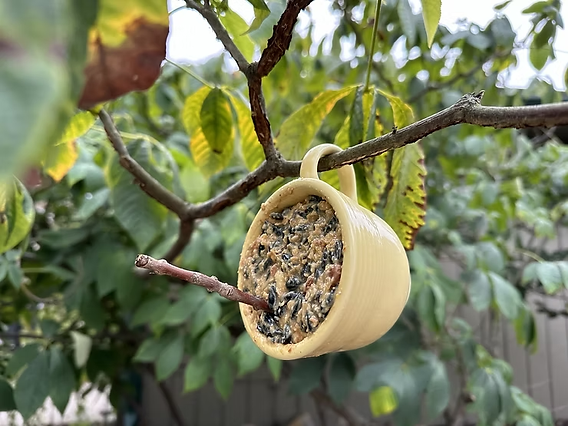
Winter can be tough on garden birds. When food is scarce, your backyard feathered friends need your help more than ever.
But what should you feed them to keep them healthy and happy through the cold months? If you want to make sure your garden becomes a safe haven for birds this winter, you’re in the right place. Keep reading to discover simple, effective ways to provide the best food for your garden birds and enjoy their lively visits all season long.
Best Winter Foods For Garden Birds
Feeding garden birds in winter requires foods that provide extra energy to help them survive the cold days. You want to choose options that are rich in fats and nutrients. These foods not only keep birds warm but also attract a variety of species to your garden, making your birdwatching more rewarding.
Seeds And Grains
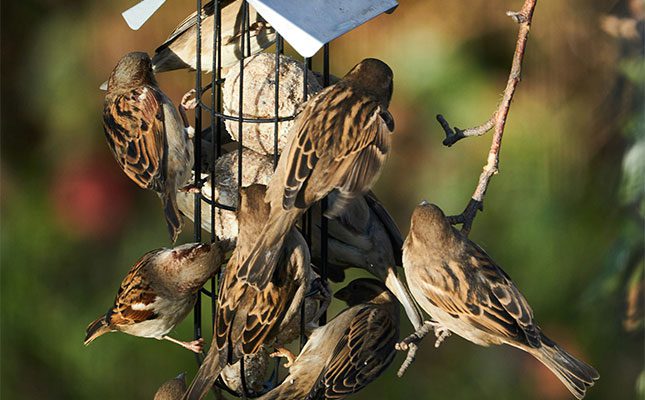
Seeds and grains are a staple for many garden birds during winter. Black oil sunflower seeds are a favorite because they have a high oil content and thin shells, making them easy to eat. You can also offer millet, cracked corn, and nyjer seeds to attract finches, sparrows, and chickadees.
Scatter seeds on the ground or use feeders designed to hold them. Have you noticed how quickly birds flock to feeders stocked with sunflower seeds? It’s a simple way to keep your feathered friends coming back.
Suet And Fat Balls
Suet and fat balls are excellent sources of energy for birds in cold weather. These high-fat foods help birds maintain body heat and survive freezing nights. You can buy ready-made suet cakes or make your own by mixing suet with seeds and dried fruits.
Place suet feeders in sheltered spots to prevent them from melting too fast. Ever seen a woodpecker or nuthatch eagerly feeding on suet? It’s a sign you’re providing what they need most in winter.
Fruits And Berries
Many garden birds enjoy fruits and berries, especially when insects are scarce. Apples, pears, and grapes cut into small pieces make tasty treats. Offering berries like holly, rowan, or elderberries can also attract thrushes and blackbirds.
Try hanging fruit pieces on branches or placing them on a platform feeder. Have you ever watched birds pecking at frozen berries? It’s fascinating to see how they adapt their diet to the season.
Nuts And Peanuts
Nuts and peanuts provide essential fats and proteins during winter. Unsalted peanuts, either whole or shelled, are popular with jays, tits, and woodpeckers. You can offer them in special nut feeders or scatter them on a tray.
Be careful to avoid salted or flavored nuts as they can harm birds. Have you tried observing how different species prefer nuts over seeds? It’s an interesting way to learn about their feeding habits.
Credit: www.farmersweekly.co.za
Foods To Avoid In Winter
Feeding garden birds in winter helps them survive cold days. Some foods seem safe but can harm birds. Avoid giving anything that can cause illness or poor nutrition. Knowing what not to feed keeps birds healthy and strong.
Moldy Or Spoiled Food
Moldy food is dangerous for birds. It can cause sickness and even death. Always check food for mold before offering. Throw away any food that looks old or damp. Fresh food is safer and better for birds.
Bread And Salty Snacks
Bread offers little nutrition and fills birds up. It can cause malnutrition if fed often. Salty snacks harm birds’ kidneys and health. Avoid chips, crackers, and salted nuts. Instead, provide seeds or nuts without salt.
Processed Human Food
Processed foods contain preservatives and chemicals. These are bad for birds’ digestion. Avoid feeding sweets, cooked meats, or fast food. Stick to natural seeds, nuts, and fruit. Natural foods support birds’ energy and health.
Setting Up Bird Feeders For Winter
Setting up bird feeders for winter helps birds find food when natural sources are scarce. It also brings birds closer to enjoy their beauty and songs. Proper feeders and placement make feeding safe and effective during cold months.
Choosing The Right Feeder
Select feeders that suit the birds in your area. Tube feeders work well for small birds like finches and chickadees. Platform feeders attract larger birds such as doves and jays. Suet cages provide energy-rich food for insect-eaters in winter. Use feeders made of durable, weather-resistant materials. Clear feeders let you see when food runs low.
Safe Placement Tips
Place feeders where birds can spot predators easily. Keep feeders 5 to 10 feet away from windows to avoid collisions. Hang feeders near shrubs or trees for quick cover. Avoid placing feeders too close to fences or places cats can hide. Ensure feeders are high enough to stay safe from ground predators.
Maintaining Cleanliness
Clean feeders every two weeks to prevent mold and disease. Use warm water and mild soap for washing. Rinse feeders thoroughly and let them dry before refilling. Remove old or wet seed daily to keep birds healthy. Clean the ground beneath feeders regularly to avoid seed build-up and pests.

Credit: birdscount.blogspot.com
Water Sources For Birds In Cold Weather
Birds need fresh water in winter just as much as food. Cold weather makes water hard to find. Ice and snow cover natural sources. Providing water helps birds stay healthy and active. It also attracts more birds to your garden.
Preventing Water From Freezing
Keep water liquid during cold days. Change water frequently to stop freezing. Place water containers in sunny spots. Use dark bowls to absorb heat. Add small amounts of warm water often. Avoid salt or chemicals that harm birds.
Best Water Containers
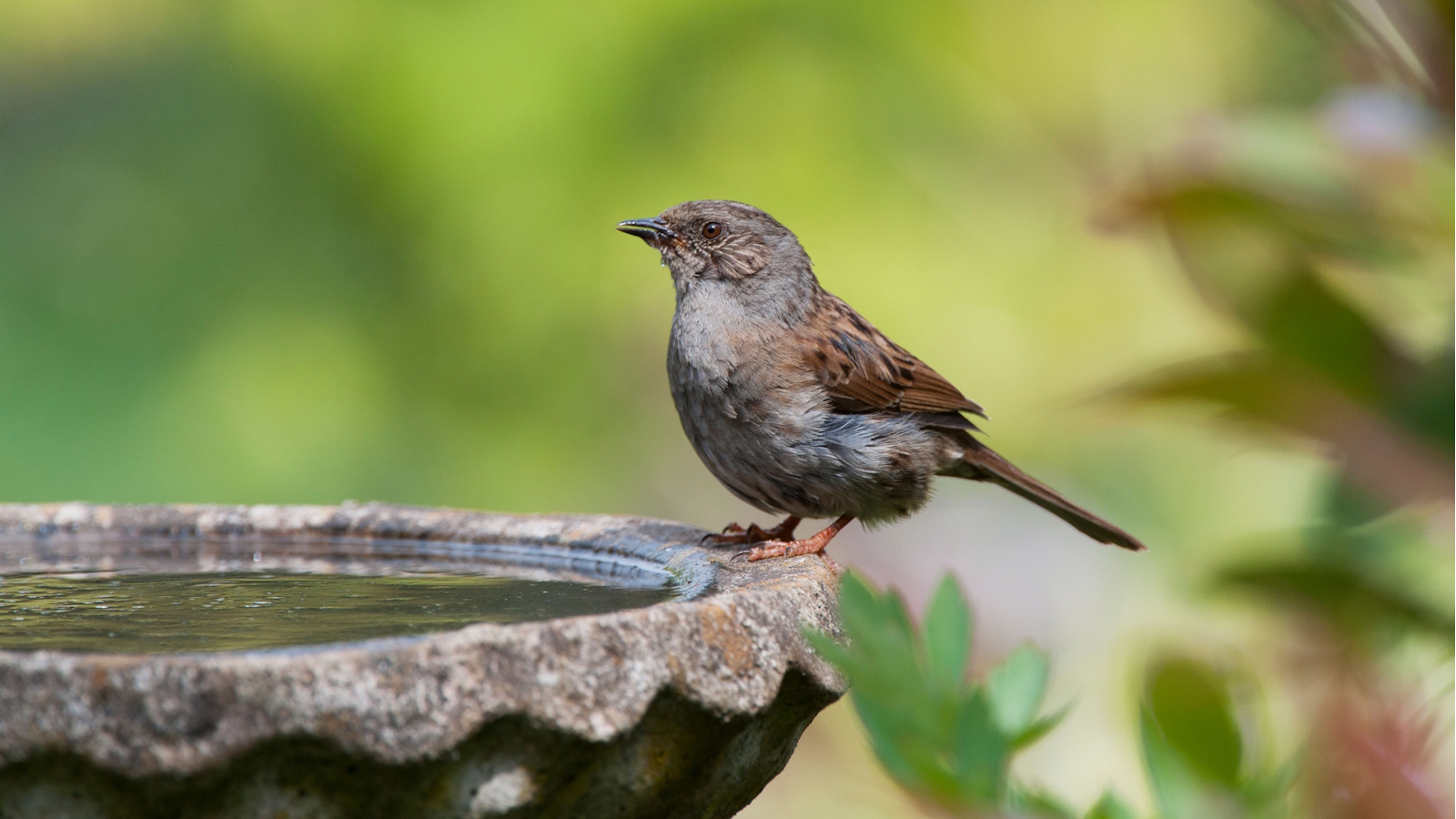
Choose shallow dishes with wide edges. Birds prefer easy access to water. Use sturdy materials like ceramic or metal. Avoid thin plastic that cracks in cold. Heated birdbaths work well but use safely. Hang containers at safe heights from predators.
Encouraging Birds To Drink
Place water near bird feeders. Birds feel safer close to food. Keep water clean and fresh daily. Add pebbles to shallow bowls for grip. Keep water away from strong wind areas. Watch quietly to learn which spots birds like best.
Creating A Bird-friendly Winter Habitat
Creating a bird-friendly winter habitat means more than just putting out food. Birds need safe places to rest, shelter from harsh weather, and natural sources of food that last through the cold months. Your garden can become a haven that supports their survival and encourages them to visit regularly.
Providing Shelter And Cover
Birds need protection from wind, rain, and predators during winter. You can offer shelter by leaving dense shrubs, evergreen trees, or brush piles in your garden. These spots provide safe hiding places and warmth.
Adding a birdhouse or nesting box designed for winter use also helps. It gives birds a dry, cozy spot to roost overnight. Have you noticed how birds flock to sheltered corners on chilly days? Creating these areas invites them to stay longer in your garden.
Planting Native Winter-friendly Plants
Native plants adapted to your region’s winter conditions offer natural food and shelter. Trees like holly or shrubs such as cotoneaster produce berries that many birds rely on when insects are scarce. You might also plant conifers, which keep their needles year-round and provide both cover and food.
Consider adding seed-producing plants like sunflowers or teasel. Their seeds become a vital food source as winter progresses. What native plants in your area can you add to support local bird species through the cold?
Avoiding Hazards
Winter can be dangerous for birds if hazards are present. Keep your garden free of pesticides and chemicals that can harm birds directly or reduce their food supply. Avoid using window glass without decals or markings, which can cause fatal collisions.
Also, be mindful of outdoor cats and other predators. Providing dense cover helps birds hide, but reducing predator access near feeders is crucial. How can you modify your space to keep the birds safe and stress-free?
Credit: www.homesandgardens.com
Frequently Asked Questions
What Are The Best Seeds For Winter Garden Birds?
Sunflower seeds, nyjer, and millet are ideal for winter birds. They provide high energy and essential nutrients during cold months.
Can I Feed Bread To Garden Birds In Winter?
Bread is not recommended for birds. It lacks nutrients and can harm their health. Opt for seeds and suet instead.
How Often Should I Refill Bird Feeders In Winter?
Refill feeders daily in freezing weather. Birds need constant access to food to maintain energy and survive harsh conditions.
Are Suet Cakes Beneficial For Winter Birds?
Yes, suet cakes offer high fat content. They help birds stay warm and energetic in cold winter months.
Conclusion
Feeding garden birds in winter is simple and rewarding. Offer seeds, nuts, and suet for their energy needs. Fresh water is essential too. Birds need clean sources to drink and bathe. Avoid salty or spoiled food. Place feeders where cats can’t reach.
Regularly clean feeders to prevent disease. Enjoy watching the birds thrive in your garden. Your efforts help them survive the cold months. Birdwatching also brings joy and peace. A little care goes a long way. Keep your garden lively and chirping this winter.