
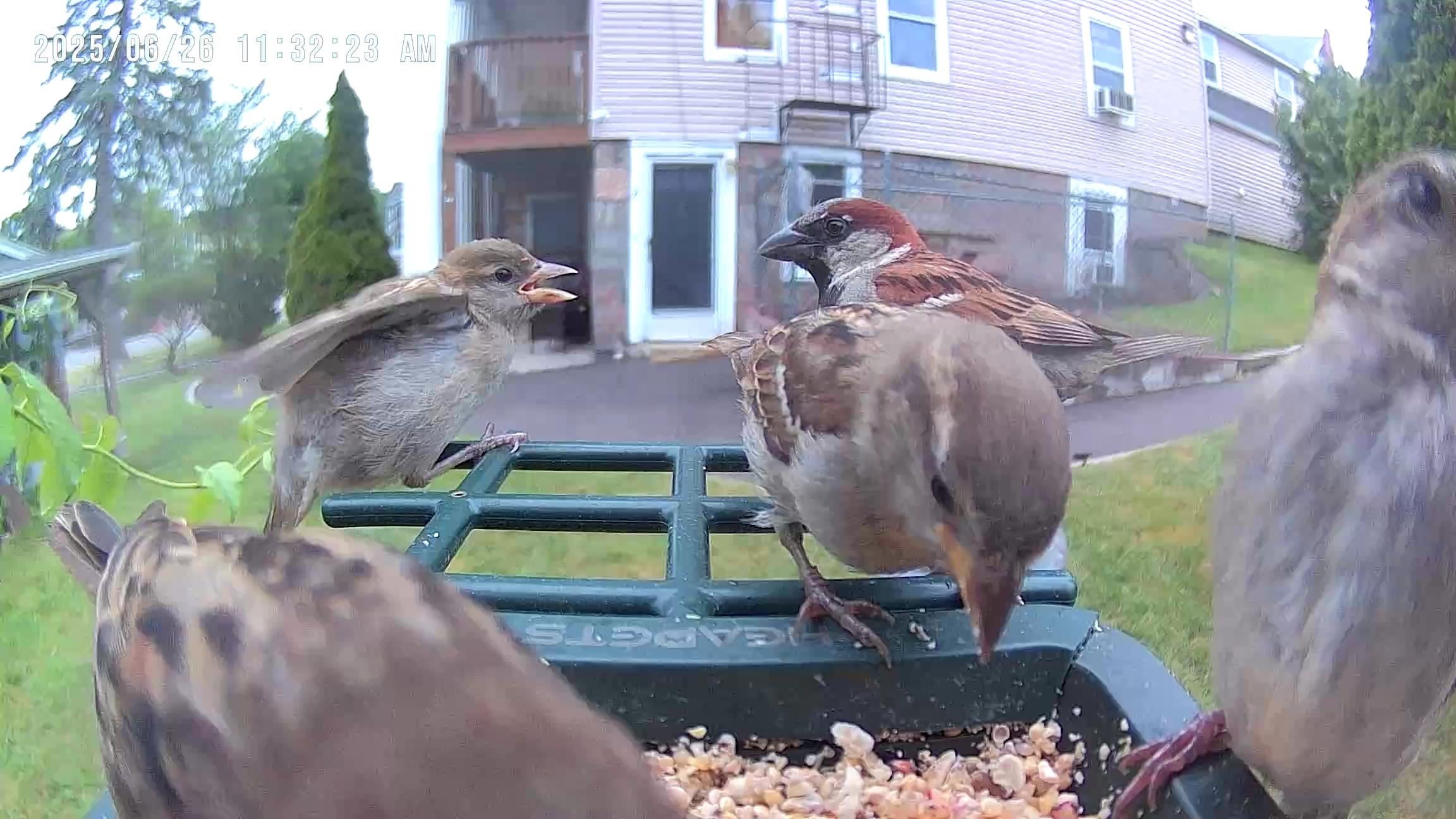
Have you noticed that the birds you once enjoyed watching at your feeders have suddenly stopped showing up? It can be frustrating and confusing to see your feeders go untouched, especially when you’ve put in effort to attract them.
You might be wondering if you did something wrong or if there’s a bigger problem. Understanding why birds have stopped feeding at your feeders can help you bring them back and restore the lively visits you miss. Keep reading to discover the common reasons behind this change and simple steps you can take to welcome your feathered friends once again.

Credit: www.reddit.com
Changes In Food Quality
Changes in the quality of the food you provide can have a big impact on whether birds visit your feeders. Birds are sensitive to the freshness and type of food, and any decline in these factors can cause them to stop feeding. Paying close attention to what you offer can make a noticeable difference in attracting birds back to your yard.
Expired Or Moldy Seeds
Seeds that have passed their expiration date or show signs of mold are a major turn-off for birds. Moldy seeds not only taste bad but can also be harmful to their health. If you notice a musty smell or discoloration, it’s time to toss the old seeds and replace them with fresh ones.
Have you checked the expiration date on your birdseed lately? Storing seeds in a cool, dry place helps keep them fresh longer and more appealing to your feathered visitors.
Inappropriate Seed Types
Different bird species prefer different types of seeds. Using the wrong seed mix can leave your feeder ignored. For example, finches love nyjer seeds, while cardinals prefer sunflower seeds.
Think about the birds you want to attract and choose seeds accordingly. Offering a variety can also help, but avoid seeds that many birds dislike, such as millet, if you want to encourage diverse visitors.
Contaminated Feed
Feeders can become contaminated with dirt, droppings, or insects, which spoils the food and deters birds. Contamination often leads to quick spoilage and can spread disease among birds.
Regularly clean your feeders and discard any food that looks dirty or clumped together. This simple habit keeps the food safe and inviting, encouraging birds to return.

Credit: www.youtube.com
Environmental Factors
Birds often change their feeding habits because of the environment around them. Several natural factors affect their presence at feeders. Understanding these can help explain why birds stop visiting your feeders suddenly.
Seasonal Shifts
Birds’ feeding patterns change with the seasons. Many birds migrate to warmer places during cold months. Others switch to natural food sources like berries or insects as they become available. This reduces their need to visit feeders. The type of food you offer may not match what birds eat at different times of the year.
Weather Conditions
Weather plays a big role in bird activity. Heavy rain, strong winds, or extreme heat can keep birds away from feeders. Birds prefer to stay in sheltered areas during bad weather. Cold snaps may increase feeder visits for extra energy, but long bad weather periods can reduce visits. Sudden weather changes can confuse birds and alter their feeding habits.
Nearby Habitat Changes
Changes in the area around your feeders impact bird visits. Removal of trees or shrubs reduces shelter and natural food sources. Construction or increased human activity nearby can scare birds away. New predators, like cats or hawks, in the area also cause birds to avoid feeders. Maintaining a safe, natural habitat encourages birds to keep coming back.
Predators And Disturbances
Birds avoid feeders when they sense danger nearby. Predators and disturbances create fear. This fear keeps birds from coming close. Understanding these factors helps protect your feeders. It also keeps birds safe and comfortable.
Presence Of Cats Or Other Predators
Predators like cats make birds very cautious. Birds see cats as a direct threat. Even the scent of a cat can scare them away. Other animals, such as squirrels and hawks, also cause fear. Birds stop visiting feeders if predators are near. Keeping feeders away from hiding spots helps birds feel safe.
Frequent Human Activity
Birds dislike constant movement near feeders. Loud footsteps or sudden actions startle them. Frequent visits by people can make birds nervous. This nervousness causes birds to avoid feeders. Watching quietly from a distance encourages birds to return. Giving birds some space creates a peaceful feeding area.
Loud Noises Near Feeders
Noises from lawnmowers, construction, or traffic frighten birds. These sounds signal danger and cause stress. Birds may stop feeding during noisy times. Quiet surroundings attract more birds to feeders. Reducing loud noises helps create a calm feeding spot.
Feeder Maintenance Issues
Feeder maintenance plays a big role in attracting birds back to your feeders. Birds avoid feeders that look dirty or broken. Regular cleaning and checking can keep your feeder inviting. Neglecting this can cause birds to stop visiting altogether.
Dirty Or Damaged Feeders
Birds dislike feeders covered in old seed or mold. Dirty feeders spread disease and scare birds away. Damaged feeders may leak seed or be hard to perch on. Both problems make feeders less appealing. Clean feeders with mild soap and water often. Replace parts if broken to keep feeders safe.
Improper Feeder Placement
Placing feeders in noisy or windy spots deters birds. Feeders near predators or busy human paths feel unsafe. Birds prefer feeders near trees or shrubs for quick cover. Sunlight and shade balance also matters for comfort. Adjust feeder location to a calm, sheltered area.
Blocked Feeding Ports
Seed can get stuck in feeding ports, blocking access. Clogged ports stop seed flow, leaving feeders empty. Birds see no food and stop visiting. Check ports regularly and clear any blockages. Proper seed flow keeps birds coming back for more.
Competition And Bird Behavior
Birds often compete for food and space around feeders. Their behavior changes based on who is dominant and what food is available. This competition can cause some birds to stop visiting your feeders. Understanding these behaviors helps explain why birds disappear.
Dominant Bird Species Taking Over
Some bird species are more aggressive and control the feeder area. They chase away smaller or quieter birds. This dominance limits access for other birds. For example, large birds like crows or jays may scare away smaller songbirds. This behavior reduces the variety of birds at feeders.
Changes In Bird Migration Patterns
Bird migration patterns shift due to weather and climate changes. Birds may arrive earlier or later than usual. Some species may skip stopping at feeders entirely. This shift affects which birds visit your feeder and when. Timing matters for feeding habits and competition.
Availability Of Natural Food Sources
Natural food sources impact feeder visits. When food is plentiful outside, birds rely less on feeders. Insects, berries, and seeds in the wild offer alternatives. This reduces competition at feeders and lowers bird numbers there. Birds follow food, not just feeders.

Credit: www.allaboutbirds.org
Frequently Asked Questions
Why Have Birds Suddenly Stopped Visiting My Feeders?
Birds may stop visiting due to changes in food quality, feeder cleanliness, or nearby disturbances. Seasonal shifts also affect bird behavior. Ensure fresh food, clean feeders regularly, and minimize noise around feeding areas to encourage birds to return.
Could Feeder Placement Affect Bird Visits?
Yes, feeder placement is crucial. Birds prefer feeders near natural cover for safety. Avoid placing feeders too close to windows or high traffic areas. Proper placement increases bird comfort and encourages frequent visits.
How Does Weather Impact Bird Feeding Habits?
Weather strongly influences feeding. Extreme cold or heat can reduce bird activity. Heavy rain or wind also discourages birds from visiting feeders. Providing shelter near feeders helps birds feel secure during adverse weather.
Does The Type Of Seed Affect Bird Attraction?
Absolutely. Different birds prefer specific seeds. Black oil sunflower seeds attract most songbirds, while nyjer seed appeals to finches. Using the right seed type ensures more bird variety and consistent feeding.
Conclusion
Birds might stop visiting feeders for several reasons. Changes in food supply, predator presence, or seasonal shifts. These factors affect their habits. Regularly clean your feeders. Maintain a safe environment. Offer a variety of seeds. Patience is key. Birds may return over time.
Keep observing and adjusting. Enjoy the process of attracting them back. Bird watching can be a rewarding hobby. Connect with nature and learn. Small changes can make a big difference. Stay curious and attentive. Your efforts will pay off.