
Are you ready to bring more life and color to your backyard? Choosing the right bird feeder can make all the difference in attracting beautiful birds right to your window.
But with so many options out there, how do you know which one is best for you and your feathered visitors? This guide will help you find the perfect bird feeder that suits your space, budget, and the types of birds you want to welcome.
Keep reading, and soon you’ll enjoy watching your new winged friends every day!
Types Of Bird Feeders
Choosing the right bird feeder helps attract different bird species. Each feeder type suits various bird habits and seed types. Understanding these types ensures a better bird-watching experience.
Tube Feeders
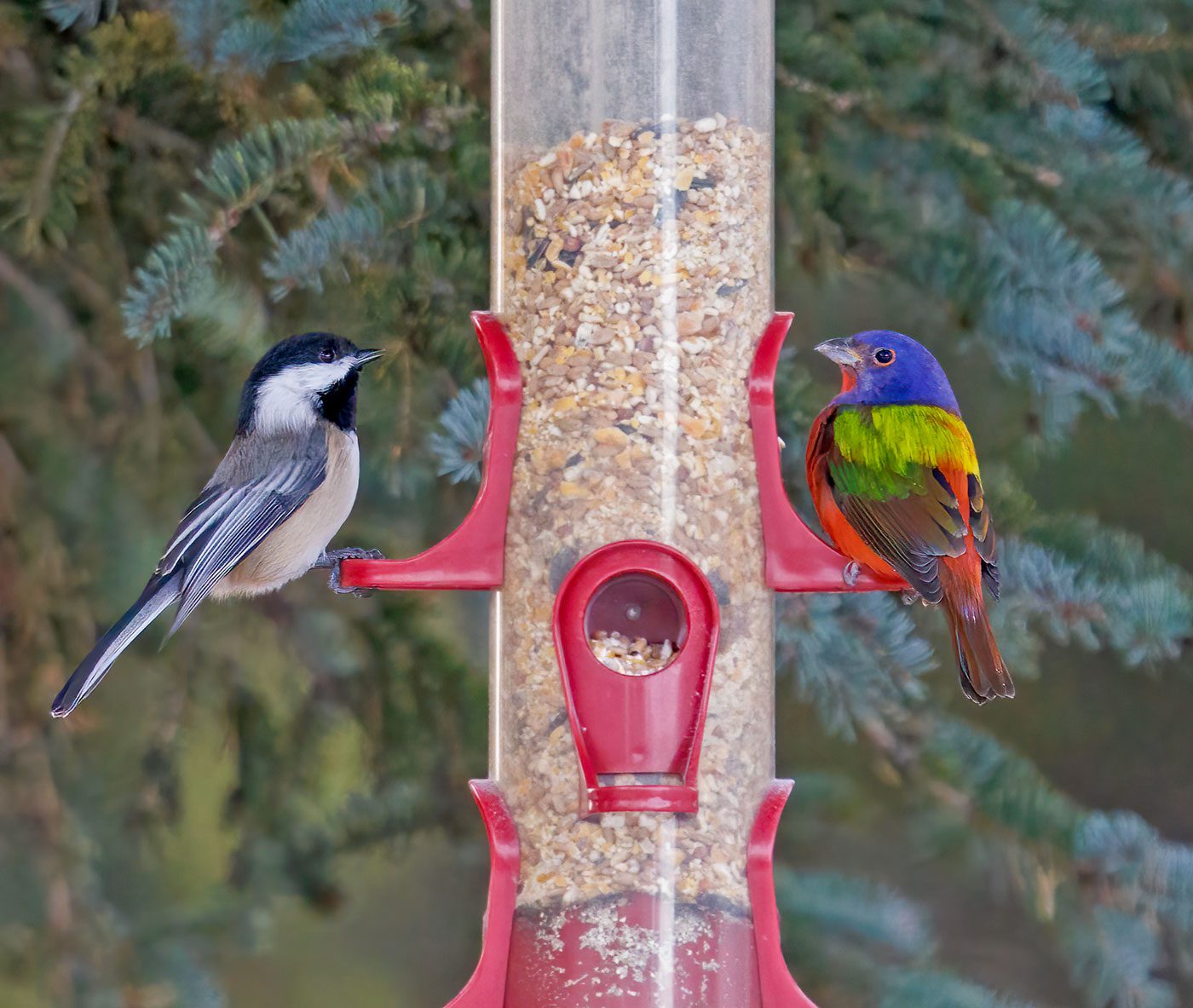
Tube feeders are long and cylindrical, made of plastic or metal. They hold small seeds like sunflower or nyjer. Birds perch on small openings to eat. These feeders attract finches, chickadees, and sparrows. Tube feeders keep seeds dry and reduce waste.
Hopper Feeders
Hopper feeders look like small houses with a roof. They hold a large amount of mixed seeds. Birds land on the base or side perches to feed. These feeders suit larger birds like cardinals and jays. Hopper feeders protect seeds from rain and snow.
Platform Feeders
Platform feeders are flat surfaces without covers. They allow birds to eat seeds, fruit, or nuts. These feeders attract ground-feeding birds like doves and juncos. They are easy to clean and fill. Open design means seed can get wet or spoiled.
Suet Feeders
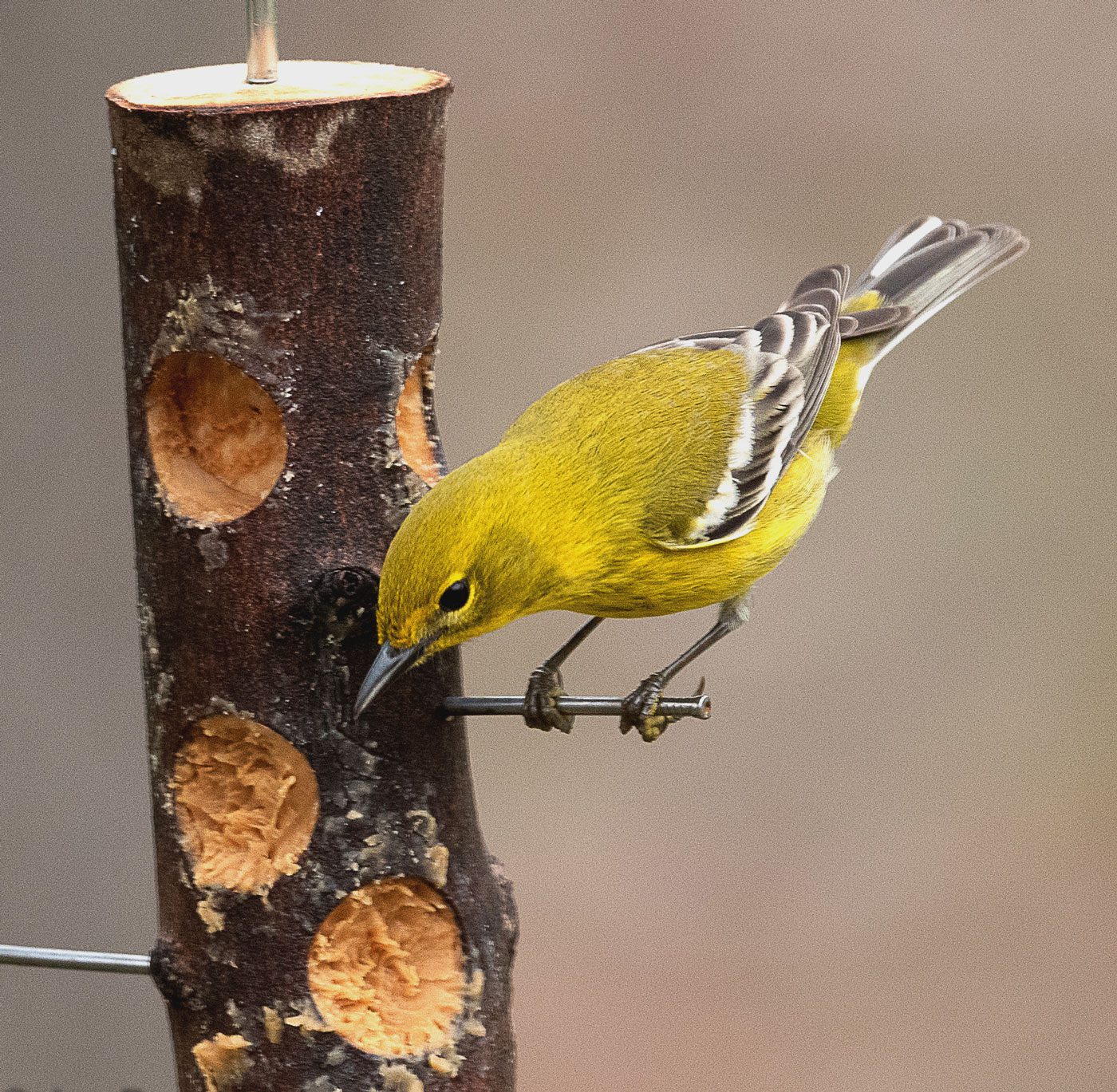
Suet feeders hold blocks of fat mixed with seeds or insects. They provide energy, especially in cold weather. Woodpeckers, nuthatches, and chickadees love suet. Suet feeders often have cages to hold the block. Hang them near trees for best results.
Window Feeders
Window feeders attach directly to glass with suction cups. They bring birds close for a clear view. Usually small and simple, they hold seeds or nectar. Window feeders attract small birds like finches and chickadees. Perfect for limited outdoor space.
Specialty Feeders
Specialty feeders serve specific foods like nectar or fruit. Hummingbird feeders hold sugar water for hummingbirds. Oriole feeders offer oranges and jelly. These feeders attract unique birds not found at regular feeders. Use specialty feeders to diversify your bird visitors.

Credit: www.allaboutbirds.org
Choosing Based On Bird Species
Choosing a bird feeder based on the species you want to attract makes feeding more effective. Different birds prefer different feeder styles and foods. Selecting the right feeder helps you enjoy watching your favorite birds up close. It also ensures the birds can eat safely and comfortably.
Feeders For Small Songbirds
Small songbirds like chickadees, sparrows, and wrens prefer tube feeders. These feeders have small perches and tiny feeding ports. They keep seed clean and dry, perfect for small beaks. Use black oil sunflower seeds to attract these birds. A feeder with a metal cage can prevent larger birds from stealing food.
Feeders For Woodpeckers And Nuthatches
Woodpeckers and nuthatches enjoy suet feeders. These feeders hold suet cakes made from fat and seeds. Suet gives these birds energy, especially in cold weather. Choose a feeder with a cage to keep squirrels out. Hang the feeder on a tree or pole near bark for natural feeding.
Feeders For Finches And Orioles
Finches and orioles prefer feeders designed for nectar or thistle seeds. Tube feeders with small holes work well for nyjer (thistle) seeds. Orange or red nectar feeders attract orioles. These birds like to cling while feeding, so feeders with perches help. Keep feeders clean to prevent mold in nectar.
Feeders For Larger Birds
Larger birds like cardinals, grosbeaks, and jays need platform or hopper feeders. These feeders have large trays or open areas for bigger birds to land. Use mixed seeds or peanuts to draw them in. Sturdy feeders with roofs protect seeds from rain. Place these feeders in open areas for easy access.
Materials And Durability
Choosing the right material for your bird feeder affects its durability and usefulness. Materials must resist weather, wear, and be safe for birds. The feeder should last long and stay easy to clean. Understanding different materials helps pick one that suits your needs.
Plastic Vs. Metal Feeders
Plastic feeders are lightweight and often less expensive. They come in many colors and shapes. Yet, plastic can crack or fade under sun and cold. Metal feeders are stronger and last longer. They resist chewing by squirrels and birds. Metal usually looks nicer but can be heavier and cost more.
Weather Resistance
Bird feeders face sun, rain, wind, and snow. Metal feeders with rust-proof coatings handle weather well. Plastic feeders can warp or become brittle in cold weather. Look for feeders with UV protection to avoid fading. Sturdy materials keep seeds dry and safe from mold.
Ease Of Cleaning
Cleaning bird feeders prevents disease and keeps birds healthy. Smooth plastic surfaces are easier to wash quickly. Metal feeders may have small parts that trap dirt. Choose feeders that open wide or come apart easily. Regular cleaning extends feeder life and attracts more birds.

Credit: www.allaboutbirds.org
Placement Tips
Choosing the right spot for your bird feeder is just as important as the feeder type. Placement affects bird visits and their safety. It also helps you enjoy birdwatching from your home. Consider these tips to find the best location for your feeder.
Ideal Locations
Place feeders near natural cover like trees or shrubs. Birds like spots where they can quickly hide. Ensure feeders are visible to birds flying by. Avoid locations too close to windows to prevent collisions. A spot with morning sunlight attracts more birds early.
Safety From Predators
Keep feeders away from places where cats or other predators can hide. Avoid hanging feeders too close to branches or fences that predators can jump from. Use baffles or guards to block predators from reaching feeders. Place feeders at least 5 feet off the ground to deter some predators.
Attracting More Birds
Vary feeder types and placement heights to attract different bird species. Offer feeders near water sources like birdbaths. Keep feeders clean and refill them regularly to keep birds coming back. Plant native flowers and shrubs nearby to provide food and shelter.
Maintenance And Upkeep
Proper maintenance and upkeep keep your bird feeder safe and inviting. Clean feeders help birds stay healthy. Well-maintained feeders attract more visitors and last longer. Simple routines make a big difference in bird feeding success.
Regular Cleaning
Clean your feeder every two weeks. Use warm water and mild soap. Rinse thoroughly to remove soap residue. Avoid harsh chemicals that can harm birds. Scrub all parts, including small corners. Let the feeder dry completely before refilling.
Refilling Strategies
Refill feeders based on bird activity. Avoid overfilling to reduce waste. Fill small amounts more often for freshness. Store seeds in a cool, dry place. Use fresh seed to keep birds healthy. Watch feeder levels daily during busy seasons.
Preventing Mold And Pests
Check for mold regularly, especially after rain. Remove wet or clumped seed immediately. Use feeders with drainage holes to prevent water buildup. Place feeders away from places pests hide. Clean up spilled seed under feeders. Consider baffles or guards to keep pests away.
Credit: www.allaboutbirds.org
Top Bird Feeder Picks
Choosing the right bird feeder can change your backyard bird-watching experience. Different feeders attract different types of birds. Some feeders are easy to use while others suit specific bird species. Below are top picks to help you find the perfect feeder for your needs.
Best Overall Feeder
The best overall feeder combines durability, ease of use, and bird appeal. Look for a feeder made from weather-resistant materials. It should hold various seed types and keep seeds dry. A design with multiple perches invites many birds at once. This feeder fits most gardens and attracts a wide range of birds.
Best Budget Option
Budget feeders offer great value without sacrificing quality. Simple tube feeders are affordable and easy to clean. They usually work well with sunflower seeds, which attract many birds. Choose a feeder with a squirrel guard to protect your seed. This option is perfect for beginners and casual bird watchers.
Best For Beginners
Beginners need feeders that are simple and low maintenance. Hopper feeders are ideal because they hold large seed amounts and are easy to refill. They also protect seeds from rain. This feeder style attracts common birds like finches and sparrows. It helps beginners enjoy bird watching without hassle.
Best For Rare Birds
Feeding rare birds requires specialized feeders and food. Nectar feeders attract hummingbirds with sugar water. Platform feeders suit birds that prefer seeds on flat surfaces. Tube feeders with safflower seeds attract cardinals and grosbeaks. Choose feeders that match the food type and bird habits for best results.
Frequently Asked Questions
What Types Of Bird Feeders Are Best For Beginners?
Tube feeders are ideal for beginners. They are easy to fill and clean. These feeders attract small birds like finches and chickadees. Choose a feeder with squirrel-proof features for better bird feeding experience.
How Do I Choose A Bird Feeder For Specific Birds?
Identify local bird species first. Choose feeders that match their feeding habits. For example, platform feeders attract larger birds, while nectar feeders attract hummingbirds. Seed type also matters; use sunflower seeds for many common birds.
Which Bird Feeder Is Easiest To Clean And Maintain?
Hopper feeders are generally easy to clean. They have larger openings for simple access. Cleaning regularly prevents mold and disease. Choose feeders made of durable materials like metal or plastic for longevity.
Are Squirrel-proof Bird Feeders Worth Buying?
Yes, squirrel-proof feeders reduce seed waste and bird disturbance. They have mechanisms like weight-sensitive perches or cages. These feeders help keep squirrels away, ensuring birds get the food. They are a good investment for peaceful bird watching.
Conclusion
Selecting the right bird feeder can enhance your backyard experience. Consider the types of birds you want to attract. Different feeders suit different species. Tube feeders work well for small birds. Platform feeders invite a variety of birds. Suet feeders attract woodpeckers and nuthatches.
Choose a feeder that’s easy to clean. A clean feeder keeps birds healthy. Also, place it in a safe location. Away from predators. Enjoy watching colorful birds visit your garden. Bird feeding can be a peaceful hobby. It connects you with nature.
Happy birdwatching!