
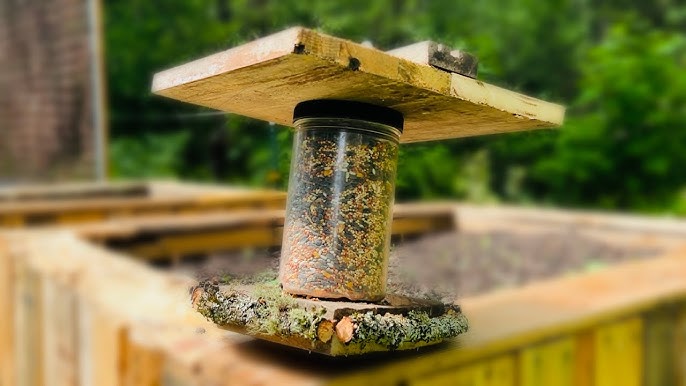
If you want to attract more birds to your yard, a maggot bird feeder is a simple and effective way to do it. You might be surprised how much birds love maggots—they are a natural, high-protein snack that many species can’t resist.
In this guide, you’ll learn exactly how to make your own maggot feeder using easy-to-find materials. Whether you’re a beginner or an experienced bird lover, this project will help you bring more life and color to your outdoor space. Keep reading to discover step-by-step instructions that anyone can follow!

Credit: www.moonbow.world
Materials Needed
Gathering the right materials is essential before you start making your maggot bird feeder. The quality and type of items you choose will directly affect how well your feeder works and how attractive it is to birds. Let’s look closely at what you’ll need to create a feeder that’s both functional and inviting.
Choosing The Right Maggots
Not all maggots are created equal when it comes to feeding birds. You want fresh, lively maggots, typically sourced from fishing bait shops or pet stores. Avoid maggots that look dull or move sluggishly, as they won’t attract birds effectively.
Think about the size too. Smaller maggots work better for small birds, while larger ones might attract bigger species. Have you noticed which birds visit your area? Matching maggot size to your local bird population can make your feeder more successful.
Selecting A Suitable Feeder
Pick a feeder that allows easy access but keeps the maggots contained. Plastic or metal feeders with small compartments work well. Transparent feeders can help you monitor maggot activity and refill when needed.
Consider the feeder’s durability and ease of cleaning. Maggots can leave residue, so a feeder that comes apart or opens easily will save you time. What kind of feeder have you used before that birds enjoyed? You might want to improve on that design.
Additional Supplies
- Mesh or Netting:To cover the feeder and keep larger animals away.
- Hooks or Hangers:For suspending the feeder from a tree branch or pole.
- Small Container or Tray:To hold the maggots inside the feeder securely.
- Cleaning Tools:Brushes and mild soap for regular maintenance.
- Protective Gloves:To handle maggots hygienically.
Having these extras on hand will make the process smoother and keep your feeder in great shape. Are you ready to assemble everything and see which birds come to visit?

Credit: www.youtube.com
Preparing The Feeder
Preparing the feeder is a crucial step that sets the foundation for attracting birds with your maggot feeder. It’s not just about putting parts together; it’s about making a safe and effective environment for the birds and the maggots. Taking the time to clean and properly assemble the feeder ensures it works well and lasts longer.
Cleaning And Assembling
Start by thoroughly cleaning every part of your feeder. Use warm soapy water to remove any dust, dirt, or residues that could harm the birds or attract unwanted pests.
Rinse well and let the pieces dry completely before assembly. Wet surfaces can cause mold, which is dangerous for birds.
Once clean, carefully fit the parts together according to your feeder’s design. Make sure all connections are tight to prevent maggots from escaping and to keep the feeder stable in the wind or rain.
Creating Maggot Compartments
Divide the feeder into small compartments to hold the maggots separately. This helps control how much food you offer and keeps the maggots fresh longer.
You can use small plastic containers, mesh bags, or even sectioned trays depending on your feeder style. Ensure each compartment has small holes or mesh for air circulation but is secure enough to keep the maggots contained.
Think about how often you want to refill the feeder. Smaller compartments mean you can replace maggots more frequently without wasting leftovers, keeping the feeder hygienic and inviting for birds.
Loading The Maggots
Loading the maggots into your bird feeder requires care and attention. This step is crucial to attract birds effectively. Proper handling keeps you safe and ensures the feeder works well.
Handling Maggots Safely
Wear disposable gloves to avoid direct contact with maggots. Keep the maggots in a cool, shaded place until use. Avoid touching your face or eyes during handling. Wash your hands thoroughly after handling maggots. Use clean tools and containers to prevent contamination.
Placing Maggots In The Feeder
Open the feeder’s loading area gently. Use a small scoop or spoon to transfer maggots. Spread them evenly inside the feeder to cover the bait area. Avoid overloading to prevent maggots from falling out. Close the feeder tightly to keep maggots secure and fresh.
Placing The Feeder Outdoors
Placing your maggot bird feeder outdoors is a key step to attract birds successfully. The right spot helps birds find the feeder easily and stay safe while feeding. Consider the environment and accessibility for both birds and yourself.
Choosing The Best Location
Pick a quiet area away from heavy foot traffic. Birds prefer calm places where they feel safe. Choose a spot near trees or shrubs to offer shelter from predators.
Ensure the location gets some sunlight but also shade during hot hours. Avoid placing the feeder too close to windows to prevent bird collisions.
Mounting And Securing
Use a sturdy post, tree branch, or fence to mount the feeder. Secure it tightly to avoid swinging or falling in the wind. A stable feeder keeps birds comfortable while feeding.
Check the mounting regularly. Tighten or adjust as needed to keep the feeder steady and safe for the birds.
Maintaining The Feeder
Maintaining your maggot bird feeder keeps birds healthy and coming back. A clean feeder prevents disease and stops bad smells. Regular care also helps maggots stay fresh and active for the birds.
Regular Cleaning Tips
Clean the feeder at least once a week. Use warm water and mild soap to wash all parts. Rinse well to remove soap residue. Let it dry completely before refilling. Avoid harsh chemicals that can harm birds. Remove old maggots and debris daily to keep the feeder fresh.
Refilling Maggots Efficiently
Refill the feeder when maggots run low. Store maggots in a cool, dry place before use. Add fresh maggots gently to avoid crushing. Use a small scoop or spoon for precision. Spread maggots evenly to attract more birds. Check the feeder daily during hot weather to prevent spoilage.

Credit: www.willyswilderness.org
Attracting Birds Quickly
Attracting birds quickly to your maggot bird feeder depends on a few smart choices. Birds respond fast to the right signals. Timing and the right environment make a big difference. You can also boost attraction with extra foods and features. These tips help your feeder become a favorite spot fast.
Timing And Season Tips
Choose early morning or late afternoon to fill your feeder. Birds are most active at these times. Spring and summer bring more birds looking for protein. Maggots work best during warm months when birds feed their chicks. Avoid cold, rainy days. Dry weather helps maggots stay fresh and appealing.
Additional Attractants
Place fresh water nearby to invite birds to stay longer. Add plants that produce berries or seeds to the area. Bright colors on or near the feeder catch bird attention quickly. Use clean, natural materials for the feeder to avoid scaring birds. Keep the spot quiet and safe from predators. These extras encourage birds to visit often.
Frequently Asked Questions
What Materials Are Needed For A Maggot Bird Feeder?
You need a container, wire mesh, string, and fresh maggots. Ensure the container has holes for airflow. Use sturdy wire mesh to hold maggots securely. The string will help hang the feeder outdoors safely.
How Do Maggot Bird Feeders Attract Birds?
Maggots emit a scent that attracts insect-eating birds. Their movement also draws birds’ attention quickly. This makes maggot feeders effective for birdwatching and feeding wild birds naturally.
Where Should I Hang My Maggot Bird Feeder?
Hang the feeder in a shaded, quiet area away from predators. Place it near trees or shrubs for bird comfort. Ensure easy visibility for you but safety for the birds.
How Often Should I Refill The Maggot Feeder?
Refill the feeder every 2-3 days or when maggots are consumed. Fresh maggots attract more birds and prevent bad odors. Regular refilling maintains a healthy feeding environment.
Conclusion
Crafting a maggot bird feeder is simple and rewarding. Birds love the protein-rich treat. With basic materials, you can easily build one. Enjoy watching birds flock to your feeder. It’s a great way to support local wildlife. Plus, it provides endless birdwatching fun.
Remember to clean the feeder regularly. This ensures a healthy environment for the birds. Happy birdwatching and feeder building! Your garden will soon buzz with feathered friends. Keep exploring nature-friendly projects for more joy. Nature offers endless wonders to discover.
Embrace the beauty and simplicity of wildlife.