
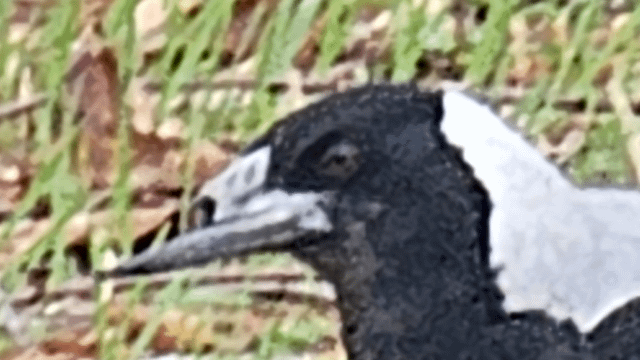
Have you ever tossed a piece of white bread to birds in your backyard or at the park? It feels like a simple, kind gesture, right?
But what if feeding birds white bread is actually doing more harm than good? You might be surprised to learn how this common snack can affect their health and behavior. Keep reading to discover the real impact of white bread on birds and what you should do instead to help them thrive.

Credit: www.exploreohiooutdoors.com
Why People Feed Birds Bread
Many people enjoy feeding birds bread in parks, gardens, and near lakes. It feels like a simple way to connect with nature. People often see birds gather around bread crumbs and feel happy watching them eat. This act has become a common part of outdoor leisure for families and individuals alike.
Common Motivations
- To attract birds for a close-up view
- To teach children about wildlife
- To provide food during cold or scarce seasons
- To enjoy a calming, relaxing activity
- To share leftover bread instead of wasting it
Feeding birds can be a joyful moment. It creates a sense of caring for animals. Many believe bread is an easy and harmless option.
Historical Practices
Feeding birds has roots in many cultures. In some traditions, it is linked to kindness and good luck. People have offered bread or grains as a gift to birds for centuries.
In earlier times, bread was often cheaper and easier to give than other foods. It became a popular choice in towns and cities where people wanted to support wildlife. This practice passed down through generations and became part of outdoor habits.
Nutritional Content Of White Bread
White bread is a common food that many people feed to birds. Understanding its nutritional content helps explain why it may not be the best choice. White bread has some calories but lacks many nutrients birds need to stay healthy. This section breaks down the ingredients and highlights what essential nutrients are missing.
Ingredients Breakdown
White bread mainly contains:
- Refined wheat flour
- Water
- Sugar
- Salt
- Yeast
- Preservatives and additives (in some brands)
The wheat flour is highly processed, removing much of the natural fiber and nutrients. Sugar and salt add flavor but provide no real nutritional benefit for birds.
Lack Of Essential Nutrients
White bread misses many vital nutrients birds require:
- Proteins for muscle and feather growth
- Vitamins such as A, D, and E
- Minerals like calcium and iron
- Healthy fats for energy
- Fiber to aid digestion
Feeding birds white bread often fills their stomachs but leaves them hungry for real nutrition. This can harm their health over time.
Effects Of White Bread On Birds’ Health
Feeding birds white bread can harm their health in many ways. White bread lacks the nutrients birds need to stay strong and healthy. It fills their stomachs but does not provide energy or vitamins. Birds may eat a lot of bread and still feel hungry.
White bread can cause problems quickly and also create serious issues over time. Understanding these effects helps protect wild birds and keep them safe.
Short-term Impact
- Birds may feel full but remain hungry for real food.
- Eating too much bread can cause digestive problems.
- White bread can lead to dehydration as it has little moisture.
- Birds might become less active and weak after eating bread.
- Some birds may develop upset stomachs or diarrhea.
Long-term Consequences
- Regular bread feeding can cause malnutrition in birds.
- Lack of essential nutrients weakens their immune system.
- Birds may grow abnormally or have poor feather quality.
- Dependence on bread reduces their natural foraging skills.
- In severe cases, bread feeding can lead to illness or death.
Behavioral Changes In Birds
Feeding birds white bread can change their natural behavior in many ways. Birds may start acting differently around humans and other animals. These changes are not good for their health or survival. Understanding these behaviors helps us realize why feeding birds bread is harmful.
Dependency On Human Food
Birds can become dependent on bread and other food from people. They stop searching for natural food sources like seeds and insects. This makes them rely on humans for meals every day. Dependency can reduce their ability to find food in the wild. It also increases their risk if humans stop feeding them suddenly.
Altered Feeding Habits
Birds eating white bread often change their natural feeding habits. Bread fills their stomach but lacks important nutrients. They may eat more bread and less healthy food. This can lead to poor nutrition and weak immune systems. Feeding on bread can also cause birds to gather in large groups. Large groups increase competition and spread diseases quickly.
Environmental Impact Of Feeding Bread
Feeding birds white bread might seem harmless and even kind, but it carries hidden environmental consequences. Bread doesn’t provide the nutrition birds need, and leftover pieces often end up causing problems beyond just the birds themselves. Understanding these impacts can help you make better choices for both wildlife and the planet around you.
Water Pollution Risks
When bread is tossed near water bodies, it quickly breaks down and releases excess nutrients into the water. This nutrient overload can lead to harmful algae blooms that deplete oxygen levels, making it hard for fish and aquatic life to survive.
I once watched a pond near my local park turn murky and foul-smelling after a weekend of heavy bread feeding. The next day, fewer ducks were swimming, and the water looked lifeless. Have you noticed changes in water quality after feeding birds near lakes or ponds?
Attracting Pests
Leftover bread attracts more than just birds. Rodents, rats, and even insects swarm to these easy food sources, leading to an imbalance in local ecosystems. This can increase the risk of disease spread and disrupt natural predator-prey relationships.
Feeding bread in public parks often leads to piles of uneaten crumbs, which become a feast for unwanted pests. This not only affects the environment but can also create health hazards for people visiting those areas. What are some safer alternatives you could offer that don’t invite pests?

Credit: www.youtube.com
Safer Alternatives To Bread
Feeding birds white bread might seem harmless, but it lacks the nutrients birds need and can even harm their health over time. Luckily, you don’t have to stop feeding birds altogether—you just need to offer safer, more nutritious choices. Switching to better options can make a big difference in supporting the wellbeing of your local feathered friends.
Bird-friendly Food Options
Try offering seeds like sunflower, millet, or safflower. These are packed with nutrients and loved by many bird species. Small pieces of unsalted nuts and dried fruits can also be great treats that provide energy and vitamins.
If you want to give birds something fresh, chopped fruits like apples or berries work well, as long as you avoid anything toxic like avocado or citrus. Cooked rice and oats are another safe alternative that birds enjoy, especially during colder months.
- Black oil sunflower seeds
- Cracked corn
- Peanuts (unsalted and shelled)
- Mealworms for insect-eating birds
Feeding Tips For Healthy Birds
Keep your feeding area clean to prevent the spread of disease. Change leftover food regularly and wash feeders with hot water once a week. Avoid overfeeding; too much food can attract pests or cause birds to become dependent on handouts.
Try to feed birds at consistent times each day. This helps them rely less on unhealthy human food and more on natural foraging. Have you noticed how some birds quickly learn your feeding schedule and even seem to wait for you? That’s a sign they trust you to provide a healthy meal.
Remember, your goal is to support birds’ natural diet and habits—not replace them. Providing the right food and care can help you enjoy watching vibrant, active birds visiting your yard all year round.

Credit: www.reddit.com
Frequently Asked Questions
Why Is Feeding Birds White Bread Harmful?
White bread lacks essential nutrients birds need. It can cause malnutrition, weaken their immune system, and disrupt natural foraging habits. Feeding bread may lead to health problems and dependency on humans, reducing their survival chances in the wild.
What Happens To Birds’ Health After Eating Bread?
Birds may suffer from digestive issues and vitamin deficiencies after eating white bread. It can cause obesity and deformities, especially in waterfowl. Long-term bread consumption harms their overall health and reduces lifespan.
Can Feeding Birds Bread Change Their Natural Behavior?
Yes, feeding bread encourages birds to rely on humans for food. This reduces their ability to find natural food sources. It may increase aggression and overcrowding, disturbing local ecosystems and bird populations.
What Are Better Alternatives To Feeding Birds White Bread?
Offer birds seeds, nuts, fruits, and grains instead of bread. These provide proper nutrition and support natural diets. Fresh water is also essential for bird health and well-being.
Conclusion
Feeding birds white bread harms their health. It lacks essential nutrients. Birds need a balanced diet for strength and survival. Bread can cause malnutrition and other issues. It fills them up but doesn’t nourish. Consider healthier alternatives like seeds or fruits.
These options support their dietary needs. Watching birds thrive is rewarding. You contribute to their well-being with proper food. Simple changes make a big difference. Help birds stay healthy and vibrant. Choose wisely next time you feed them. Your small actions can impact their lives greatly.
Let’s protect our feathered friends for future enjoyment.