
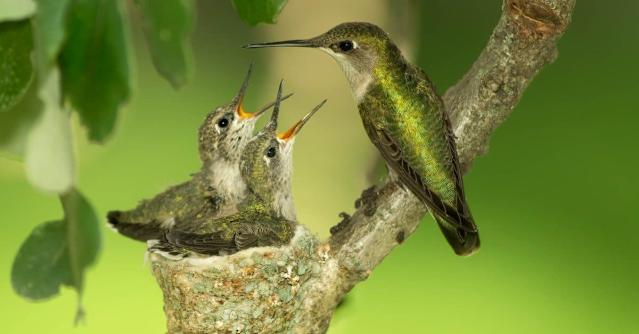
Have you ever wondered what hummingbirds feed their tiny babies? These delicate birds are known for their incredible speed and vibrant colors, but their feeding habits are just as fascinating.
If you want to know exactly how hummingbird parents nourish their young and help them grow strong, you’re in the right place. Keep reading to discover the surprising details about their diet and what makes their feeding process so unique—you might be amazed by what you learn!
Hummingbird Diet Basics
Hummingbirds have a unique diet that helps them grow strong and healthy. Their feeding habits change as their young develop. Understanding the basics of what hummingbirds eat reveals how they care for their chicks. Food provides energy and nutrients needed for fast growth and active flight.
Nectar As Primary Food
Hummingbirds mainly feed on nectar from flowers. It is a rich source of sugar, which gives quick energy. The parent birds collect nectar and feed it to their young by regurgitation. Young hummingbirds rely on this sugary liquid for their first days.
Adult hummingbirds visit many flowers, including tubular and brightly colored ones. Nectar alone lacks some nutrients, so hummingbirds need extra food sources.
Insects And Protein Sources
Protein is essential for baby hummingbirds to build muscles and grow feathers. Adults catch tiny insects and spiders to feed their chicks. These small creatures provide important nutrients missing in nectar.
- Aphids
- Fruit flies
- Spiders
- Small gnats
Parents feed a mix of nectar and insects to ensure balanced nutrition. This diet helps young hummingbirds develop quickly and prepare for flight.

Credit: www.aol.com
Feeding Behavior Of Hummingbird Parents
Hummingbird parents show remarkable care in feeding their young. Their feeding behavior is focused on providing the right nutrients for growth. They use their unique skills to ensure chicks get enough food. This behavior is vital for the chicks’ survival during their early life stages.
How Parents Feed Their Chicks
Hummingbird parents feed their chicks by regurgitating food. They gather nectar and small insects first. Then, they return to the nest and feed the chicks directly. The parents open the chicks’ mouths gently and deposit the food inside. This method provides easy digestion and quick energy. The food is soft and rich in nutrients, perfect for the young birds.
Frequency And Timing Of Feeding
Hummingbird chicks need frequent feeding throughout the day. Parents visit the nest every 10 to 15 minutes. Feeding happens from early morning to late evening. This constant care helps maintain the chicks’ energy levels. The parents work hard to provide enough meals until the chicks can feed themselves.
What Do Hatchlings Eat?
Hatchlings need a very specific diet to grow strong and healthy. Unlike adult hummingbirds that sip nectar from flowers, their babies rely on their parents for food that meets their delicate nutritional requirements. Understanding what hatchlings eat can help you appreciate the care these tiny birds receive during their most vulnerable stage.
Regurgitated Nectar And Insects
Hummingbird parents feed their hatchlings a mix of regurgitated nectar and tiny insects. The nectar provides quick energy, while insects offer the essential proteins and nutrients needed for growth. You might be surprised to learn that baby hummingbirds eat far more insects than adults do.
Parents catch small spiders, aphids, and gnats, then partially digest these before feeding them to their young. This combination ensures that hatchlings get a balanced diet that supports muscle and feather development. Watching a parent hummingbird gather food for its babies is a fascinating display of dedication and precision.
Nutritional Needs Of Young Birds
Hatchlings need more protein than adult hummingbirds because they are growing rapidly. Their diet must include amino acids and fats, which are crucial for building feathers and muscles. Without enough insects in their meals, the young birds may not develop properly.
Parents adjust feeding frequency and food types depending on the age of the hatchlings. Younger birds require more frequent feeding, sometimes every 10 to 15 minutes. By providing a nutrient-rich diet, the parents ensure their babies have the best chance to thrive once they leave the nest.
Credit: askabiologist.asu.edu
Surprising Feeding Facts
Hummingbirds are fascinating creatures, especially when it comes to feeding their young. You might think they simply feed their babies nectar, but the reality is much more complex and surprising. Understanding these feeding habits can change how you view these tiny birds and their incredible survival skills.
Varied Diets Among Species
Not all hummingbirds feed their young the same way. While many species primarily offer nectar, others mix in tiny insects and spiders. These protein sources are essential for the rapid growth of their chicks.
Some hummingbirds even adjust their feeding based on what’s available in their environment. For instance, in areas with fewer flowers, insects become the main meal for the young. This flexibility helps ensure the chicks get the right nutrients to thrive.
Adaptations For Feeding Young
Hummingbirds have unique adaptations that make feeding their young efficient and effective. Their long, slender bills aren’t just for sipping nectar; parents use them to carefully deliver food directly into their babies’ mouths.
Parents also produce a special type of ‘crop milk,’ a nutrient-rich secretion that helps nourish hatchlings during their earliest days. This shows just how specialized hummingbirds are in making sure their young get the best start.
Have you ever watched a hummingbird feed its chick? Next time you do, pay attention to how deliberate and precise the feeding is. It’s a small act packed with survival strategy.
Challenges In Raising Young
Raising young hummingbirds is a difficult task filled with many challenges. The small size and fragile nature of the chicks make them vulnerable. Parents must work hard to keep their young safe and healthy. Survival depends on protecting them from dangers and meeting their needs every day.
Predators And Environmental Threats
Hummingbird chicks face threats from many predators. Larger birds, snakes, and even some insects can attack nests. The tiny nests are often hidden, but not always safe. Weather also poses risks. Heavy rain, strong winds, and cold temperatures can harm the young. Finding a secure nesting spot is very important for their survival.
Parental Care Strategies
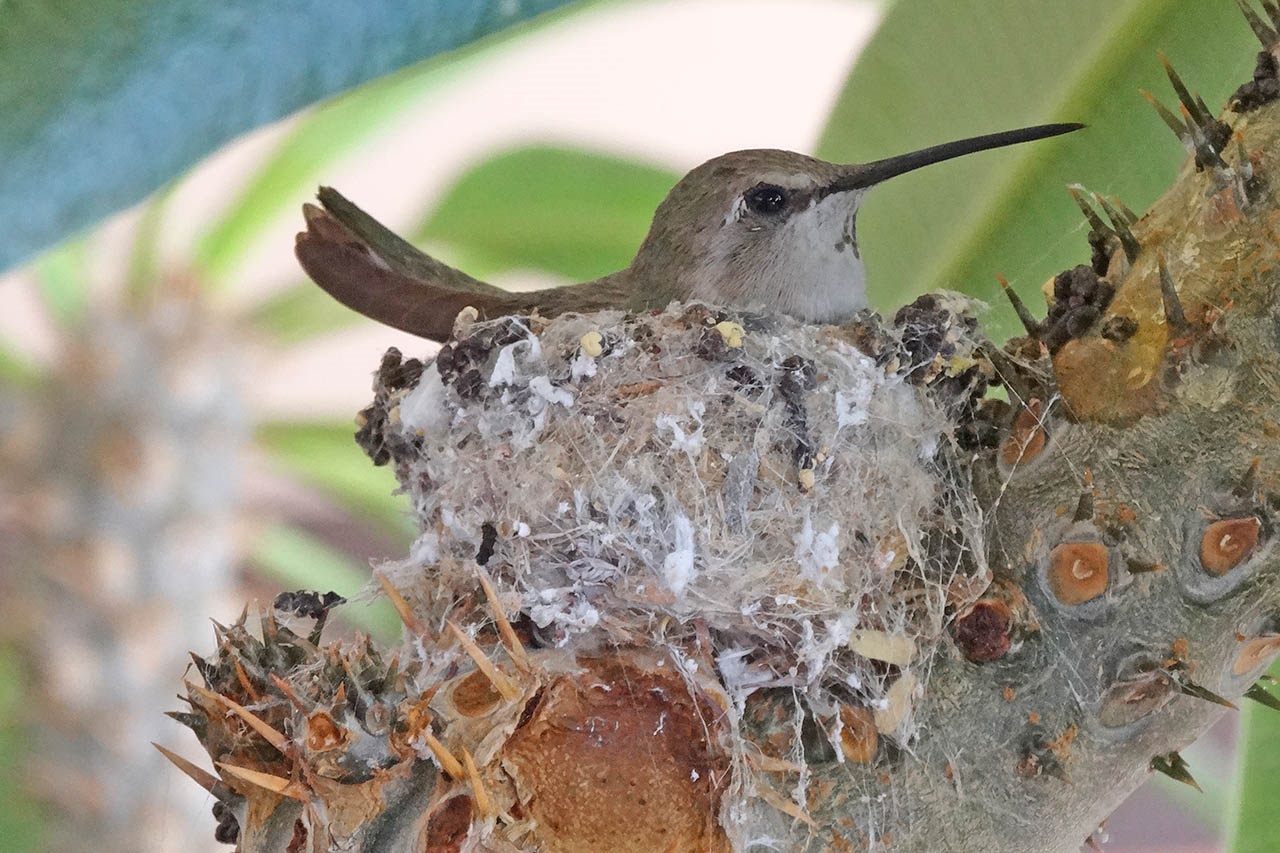
Hummingbird parents use special strategies to protect and feed their chicks. They build small, camouflaged nests to hide from predators. Both parents watch the nest closely. They bring tiny insects and nectar to feed their young. Feeding happens often because chicks grow fast and need many nutrients. Parents also keep the chicks warm by sitting on the nest when weather turns cold.

Credit: andrealikesbirds.com
Frequently Asked Questions
What Do Hummingbirds Feed Their Chicks?
Hummingbird parents feed their chicks a diet mainly of regurgitated insects and nectar. This mixture provides essential proteins and sugars for growth. The insects help build strong muscles, while the nectar offers energy. Feeding occurs frequently as chicks have fast metabolisms and need constant nourishment.
How Often Do Hummingbirds Feed Their Young?
Hummingbird parents feed their young every 10 to 15 minutes during daylight hours. This frequent feeding supports rapid growth and high energy needs. The parents work tirelessly to ensure chicks receive enough food until they can fly and forage independently.
Why Do Hummingbird Chicks Need Insects In Their Diet?
Insects provide vital proteins and nutrients that nectar alone cannot supply. These proteins help build muscles and support healthy development. Without insects, hummingbird chicks would lack essential amino acids needed for proper growth and survival.
When Do Hummingbird Chicks Start Eating Nectar?
Hummingbird chicks begin consuming nectar around 7 to 10 days old. Initially, parents feed mostly insects, then gradually introduce nectar as chicks grow. This transition prepares the young birds for an adult diet focused on nectar and small insects.
Conclusion
Hummingbirds show remarkable care in feeding their young. They provide them with nectar, insects, and spiders. This mix gives baby birds the right nutrients. Hummingbird parents work hard to keep their chicks healthy and strong. Watching them feed is a beautiful sight.
It shows nature’s balance and wonder. By understanding their diet, we can help protect these amazing birds. Simple steps like planting flowers can make a difference. Enjoy the beauty of hummingbirds. They are tiny wonders of nature.