
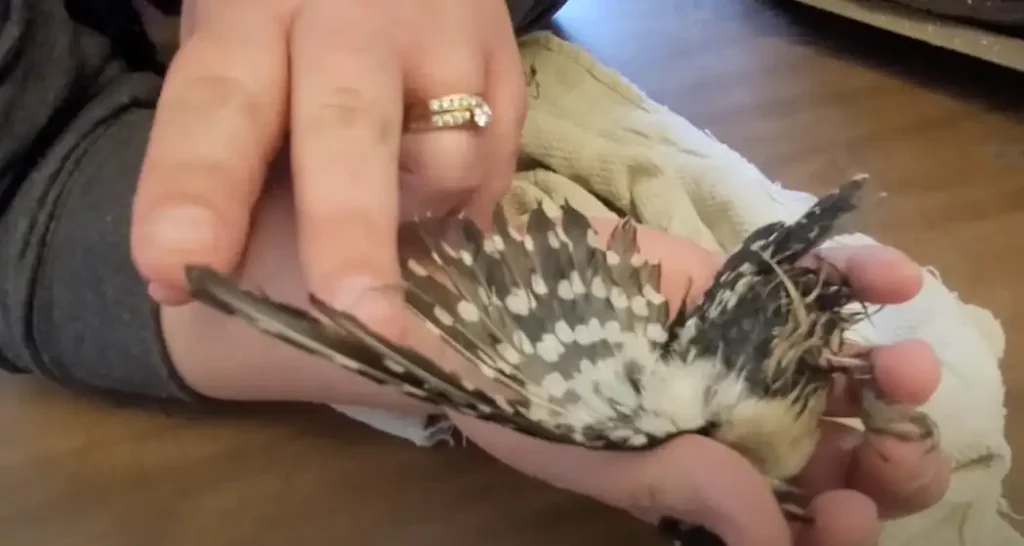
Finding a sick wild bird can leave you feeling unsure about what to do next. You want to help, but you might wonder, “What do I feed a sick wild bird?” Giving the wrong food could do more harm than good.
You’ll discover simple, effective ways to care for a struggling bird. By the end, you’ll feel confident about what to offer to give that bird the best chance to recover. Keep reading—your small actions can make a big difference.
Signs Of A Sick Wild Bird
Spotting the signs of a sick wild bird is crucial if you want to help it recover. Birds often hide their pain, so you need to look closely for subtle clues. Recognizing these signs early can make a big difference in how you care for them.
Behavioral Changes
Watch for unusual behavior that stands out from normal bird activity. A sick bird might sit still for long periods, showing little interest in flying or moving around. You may notice it staying alone, avoiding other birds, or not responding to usual sounds and movements.
Have you ever seen a bird that usually flits about suddenly become quiet and withdrawn? This change often signals distress or illness. Also, a sick bird may have trouble keeping its balance or might appear lethargic, making it hard for it to perch properly.
Physical Symptoms
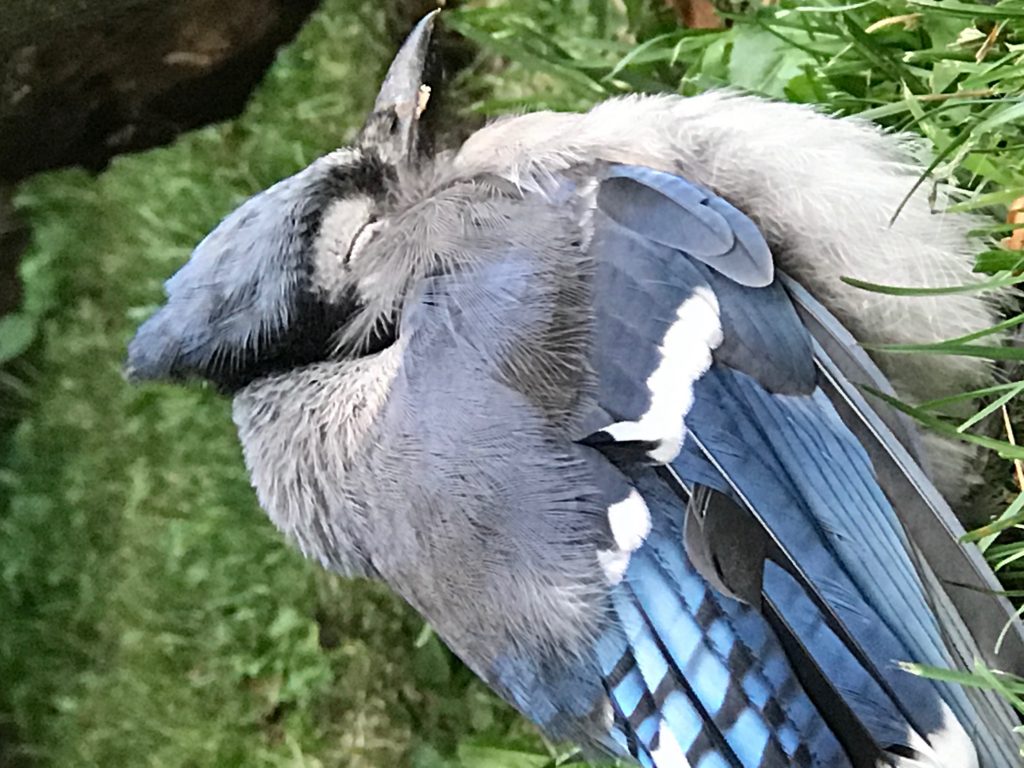
Look closely at the bird’s feathers, eyes, and beak. Feathers may appear ruffled, dirty, or missing in patches, which can indicate poor health. Eyes that are dull, swollen, or crusty are red flags for infection or disease.
You might also notice discharge from the beak or nostrils, or an unusual posture like a drooping head or wings. These physical signs often come with weakness or difficulty breathing. If you see any of these symptoms, the bird likely needs immediate care.
Safe Handling Practices
Handling a sick wild bird requires care and caution to protect both you and the bird. Safe handling practices reduce the risk of injury and stress, which can worsen the bird’s condition. Knowing how to approach and manage the situation can make a big difference in the bird’s recovery chances.
Minimizing Stress
Stress can be deadly for a sick wild bird. You want to keep the environment calm and quiet. Speak softly and avoid sudden movements that might startle the bird.
Covering the bird gently with a light cloth can help it feel secure. This simple act can lower its heart rate and reduce panic. Have you noticed how animals respond differently when they feel safe?
Limit handling time to only what’s necessary. The less you disturb the bird, the better its chances of healing. Watch for signs of extreme stress, like frantic flapping or heavy breathing, and pause if needed.
Using Protective Gear
Always wear gloves when handling a wild bird. Birds can carry diseases that spread to humans, and gloves help protect you. Plus, gloves prevent your scent from transferring, which can upset the bird.
Use a mask if you’re in close contact for extended periods. This adds an extra layer of protection against airborne particles. Have a clean towel or cloth ready to gently hold the bird without squeezing it.
Keep disinfectant nearby to clean your hands and surfaces after handling. This reduces the chance of spreading germs. Remember, your safety ensures you can help more birds in the future.
Suitable Food Options
Feeding a sick wild bird requires careful thought about what you offer. The food must support healing without upsetting their natural diet. Choosing the right options helps the bird regain strength and stay healthy during recovery.
Natural Diet Components
Wild birds have diets that vary by species, but many rely on seeds, insects, fruits, and nectar. Offering foods close to what they eat in the wild is crucial for their comfort and nutrition.
You might provide:
- Soft seeds like millet or nyjer, which are gentle on their digestion
- Small insects such as mealworms, a great protein source for insectivorous birds
- Fresh fruit pieces, including apple or berries, but avoid citrus which can be harsh
- Clean water or diluted fruit juice to keep them hydrated
Have you noticed how birds often pick only certain seeds? Matching those preferences can improve their willingness to eat during illness.
Specialized Nutritional Needs
Sick birds may need extra nutrients to boost their immune system and energy. Offering foods rich in vitamins and minerals supports their healing process.
Consider adding:
- Boiled, mashed egg yolk for protein and healthy fats
- Softened dog or cat food mixed with water for easy digestion and balanced nutrition
- Vitamin supplements made specifically for birds, but only after consulting a wildlife rehabilitator
Have you ever tried feeding a bird something unexpected that worked? Sometimes, small changes like softening food can make a big difference in their recovery.
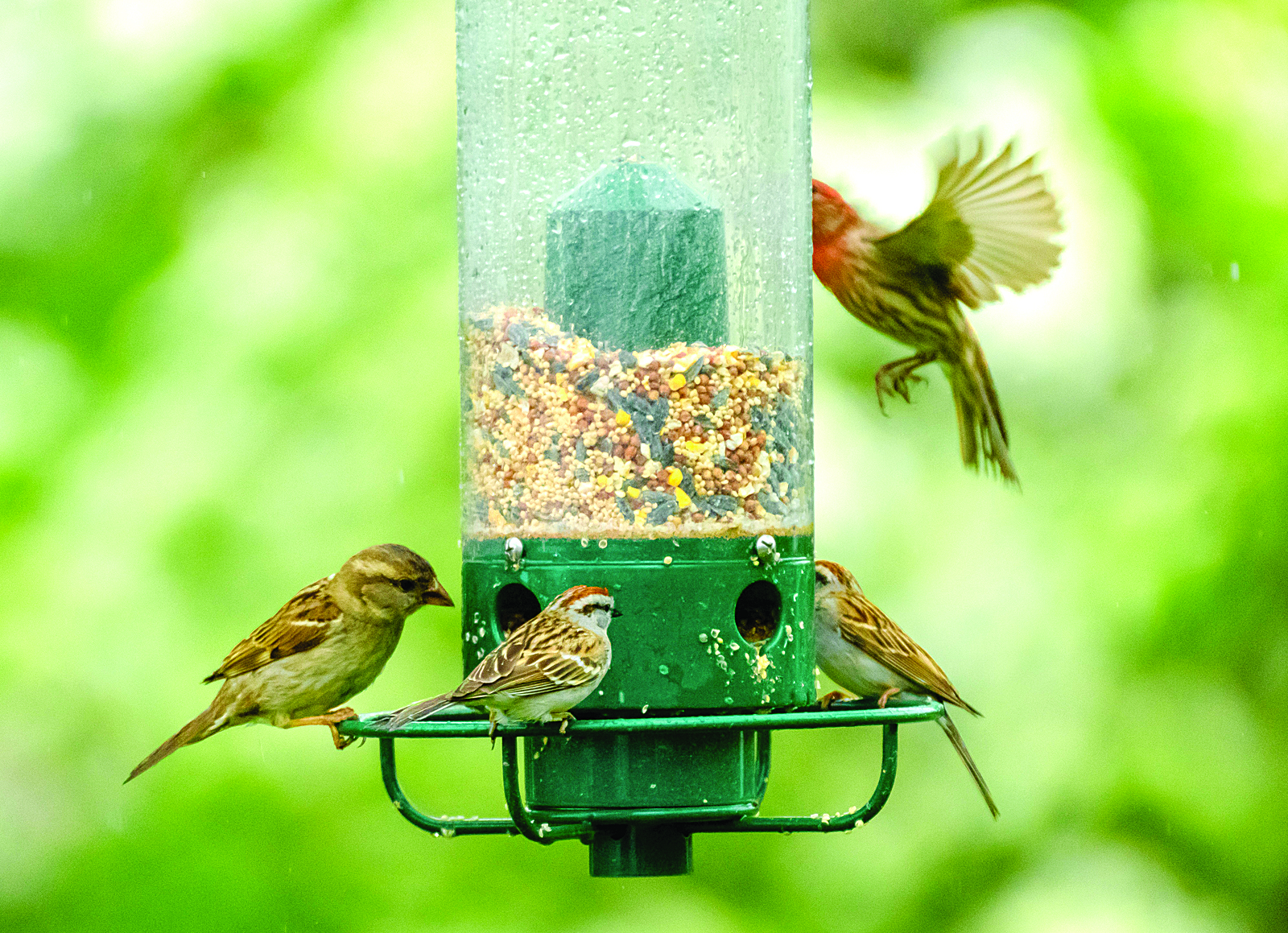
Credit: localgardener.net
Hydration Tips
Keeping a sick wild bird hydrated is crucial for its recovery. Water helps the bird stay strong and fight illness. Birds lose fluids quickly when they are sick, so providing water is a top priority. Offering the right liquids and foods can make a big difference.
Providing Clean Water
Use fresh, clean water for the bird. Change the water often to keep it safe. Avoid using tap water with chemicals. Use filtered or boiled water cooled to room temperature. Place water in a shallow dish easy for the bird to reach. Keep the water container stable to prevent spills. If the bird is weak, you can offer water with a dropper gently. Never force water inside the bird’s mouth.
Hydrating Foods
Some foods can help keep a sick bird hydrated. Soft fruits like watermelon, apple slices, and berries contain lots of water. Offer small pieces so the bird can eat easily. Cooked vegetables such as peas and carrots provide moisture too. Avoid salty or dry foods that can dehydrate the bird more. Wet seeds soaked in water can be easier to eat and help with hydration. Always serve fresh food and remove leftovers quickly to prevent bacteria.
Feeding Techniques
Feeding a sick wild bird requires patience and gentle care. The right feeding techniques can make a big difference in helping the bird regain strength. You need to be calm and focused, as sudden movements can stress the bird further.
Hand-feeding Methods
Hand-feeding allows you to control how much the bird eats and monitor its condition closely. Use soft, dampened food like soaked dog kibble or mashed fruits that are easy for the bird to swallow.
Hold the bird gently but securely, supporting its body without squeezing. Offer small amounts at a time using your fingers or a soft brush. Watch for signs of choking or refusal, which means you should stop and try again later.
Have you noticed how some birds seem to trust your hand faster than others? Patience and consistency often build that trust, making feeding easier over time.
Using Feeding Tools
Feeding tools such as syringes, droppers, or small spoons can help deliver food to birds that are too weak to eat on their own. Choose a tool that fits the bird’s size to avoid injury or stress.
- Use a syringe without a needle to gently squirt liquid food into the side of the bird’s beak.
- Droppers work well for very small birds or feeding liquids like electrolytes or water.
- Small spoons can help offer semi-solid foods if the bird is able to swallow more solid textures.
Remember to warm up liquids slightly to make feeding more comfortable. How do you feel about handling feeding tools? Practice on a soft surface before trying on the bird to gain confidence.

Credit: lafeber.com
When To Contact Wildlife Professionals
Knowing when to contact wildlife professionals is crucial if you find a sick wild bird. You might want to help immediately, but some situations need expert care to give the bird the best chance of recovery. Understanding the signs of serious health problems and where to find help can make all the difference.
Recognizing Serious Conditions
Not every injured or sick bird needs professional help, but some signs clearly demand it. Look for symptoms like:
- Visible wounds or bleeding that won’t stop
- Difficulty breathing or frequent gasping
- Weakness or inability to stand or fly
- Disorientation or unusual behavior, such as being overly tame or aggressive
- Severe feather loss or signs of parasites
If you see any of these, it’s time to act quickly. Have you ever tried to nurse a bird yourself only to realize it needed more help? Knowing these signs early can save precious time.
Local Wildlife Rehabilitation Resources
Finding local experts is easier than you might think. Wildlife rehabilitators have the training and facilities to care for sick birds properly. You can:
- Search online for wildlife rehabilitation centers near you
- Contact local animal shelters or veterinary clinics for referrals
- Call your state’s fish and wildlife agency for guidance
Keep these contacts handy before you find yourself in an emergency. When you reach out, be ready to describe the bird’s condition and location to get the right help fast.
Preventing Future Illness
Preventing illness in wild birds is key to their survival and health. Taking simple steps helps keep birds strong and safe. Healthy birds can better resist diseases and live longer. Careful feeding and habitat care are essential parts of this effort.
Safe Feeding Practices In The Wild
Provide clean, fresh food that suits each bird species. Avoid feeding bread or processed foods that harm birds. Use feeders that prevent mold and pests. Clean feeders regularly to stop bacteria buildup. Offer water in shallow, clean containers for drinking and bathing. Avoid overcrowding by spreading food in multiple spots. This lowers the chance of spreading illness among birds.
Maintaining Bird-friendly Habitats
Keep natural areas free from harmful chemicals and pollution. Plant native trees and shrubs that offer food and shelter. Remove trash and debris that can trap or poison birds. Create safe spaces away from predators and loud noises. Ensure water sources stay clean and fresh year-round. Healthy habitats support strong immune systems in wild birds.
Credit: feederwatch.org
Frequently Asked Questions
What Should I Feed A Sick Wild Bird?
Feed soft, easily digestible foods like soaked seeds, mealworms, and mashed fruits. Avoid processed or salty foods. Fresh water is essential for hydration and recovery.
Can I Give Bread To A Sick Wild Bird?
No, bread lacks nutrients and can harm birds. It may cause malnutrition or digestive issues. Offer natural foods like seeds or fruits instead.
How Often Should I Feed A Sick Wild Bird?
Feed small amounts every few hours to avoid overfeeding. Frequent, gentle feeding supports energy without stressing the bird’s system.
Is It Safe To Feed A Sick Bird Human Food?
Avoid human food with spices, salt, or sugar. Stick to natural, bird-safe foods like seeds, fruits, and insects for healing.
Conclusion
Caring for a sick wild bird requires patience and knowledge. Offer easy-to-digest food like softened grains. Ensure the bird stays hydrated. Clean water is essential. Avoid strong-smelling foods or spices. They can harm the bird’s health. Seek professional help if unsure about care.
Wildlife experts can provide guidance. Remember, helping a bird can be rewarding. It requires your attention and care. Always prioritize the bird’s safety and well-being. With the right approach, you can aid its recovery. Be patient, gentle, and observant. Your efforts make a difference.