
Have you ever felt the simple joy of watching birds up close, their colors bright and movements lively? Feeding birds near you is a wonderful way to connect with nature, relax, and bring a little happiness to your day.
But where exactly can you find the best spots to feed them safely and enjoyably? If you’ve been wondering, “Where can I feed birds near me? ” you’re in the right place. Keep reading to discover easy-to-find locations and tips that will help you attract beautiful feathered friends right in your neighborhood.
Your next peaceful moment with nature is closer than you think.
Best Local Parks For Bird Feeding
Finding the best spots to feed birds near you can turn a simple walk into a delightful experience. Local parks offer safe and welcoming environments where birds gather, making it easier for you to enjoy their company. Knowing which parks have designated feeding areas or are known for frequent bird visits can enrich your outdoor time.
Popular City Parks
City parks often provide easy access and well-maintained spaces perfect for bird feeding. Central Park in New York, for example, has several quiet corners where birds are used to visitors offering seeds. You might want to check out the park’s specific rules on feeding to ensure you’re helping, not harming, the local wildlife.
Look for parks with water sources like ponds or lakes, as birds gather there naturally. These areas create a lively scene that makes feeding even more enjoyable. Have you noticed how birds seem to recognize regular feeders in your local park?
Nature Reserves With Bird Feeding Areas
Nature reserves often set aside special zones for bird feeding to support local populations, especially during colder months. At places like the RSPB reserves in the UK, feeding stations are stocked with appropriate food to attract diverse species. Visiting these reserves gives you a chance to observe rare birds up close while contributing positively to their well-being.
These areas usually provide guidelines on what food to bring, ensuring the birds stay healthy. Before you head out, check online or call the reserve to confirm feeding hours and rules. Have you ever wondered how your choice of bird food impacts their health and behavior?
Community Gardens
Community gardens are hidden gems for bird watchers and feeders alike. These gardens often attract small birds by growing native plants and providing feeders maintained by local volunteers. Feeding birds here can feel more personal since you’re supporting a local effort to create green space in the city.
You might find a mix of sparrows, finches, and even hummingbirds visiting these gardens regularly. It’s a great way to connect with neighbors who share your interest in wildlife. Could your community garden be the next perfect spot to start feeding birds?
Wildlife Sanctuaries And Bird Reserves
Wildlife sanctuaries and bird reserves provide safe homes for many bird species. These protected areas help birds live, breed, and find food naturally. Visiting these places offers a chance to feed birds responsibly while enjoying nature. Feeding birds here supports local wildlife and helps you connect with nature.
Sanctuaries Open To The Public
Many wildlife sanctuaries welcome visitors for bird feeding. These places often have designated spots for feeding. They offer an opportunity to see rare and native birds up close. Public access allows families and bird lovers to enjoy the outdoors safely. Check local sanctuary websites for visiting hours and feeding zones.
Rules For Feeding Birds In Reserves
Feeding birds in reserves follows strict rules to protect wildlife. Only approved food like seeds or grains is allowed. Avoid bread or processed foods, as they harm birds. Feed birds in small amounts to prevent dependency on humans. Never disturb nests or bird habitats during feeding times. Always clean up after feeding to keep the area safe and clean.
Backyard Bird Feeding Tips
Feeding birds in your backyard can turn an ordinary space into a lively natural retreat. It brings joy and creates a connection with nature right outside your window. To get the most out of bird feeding, certain tips can help you attract a variety of feathered friends and keep them coming back.
Setting Up Bird Feeders
Place feeders where you can easily watch the birds but also where they feel safe. Trees or shrubs nearby provide cover and quick escape routes from predators. Avoid putting feeders too close to windows to prevent collisions.
Keep your feeders clean to stop the spread of disease. Wash them regularly with hot, soapy water and rinse well. Also, consider having different types of feeders to suit various bird species, such as tube feeders, platform feeders, and suet cages.
Choosing The Right Bird Food
Different birds prefer different foods, so offering variety helps attract a wider range of species. Black-oil sunflower seeds are a favorite for many common backyard birds. Peanuts, nyjer, and suet cater to more specialized tastes.
Steer clear of foods that spoil quickly, like bread or processed snacks. These can harm birds and discourage visits. Think about what birds naturally eat in your area and match your offerings accordingly.
Attracting Different Bird Species
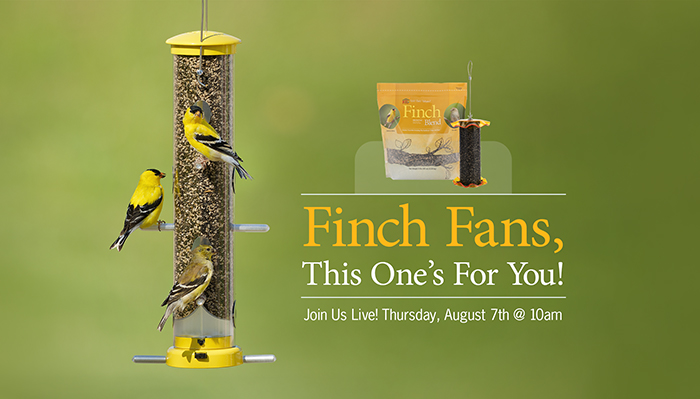
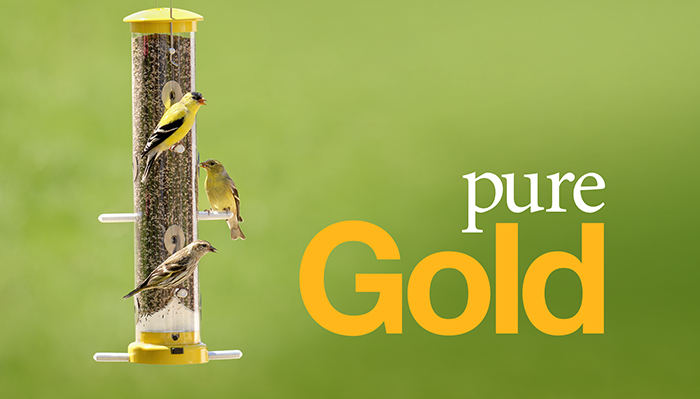
Want to see colorful finches or maybe a woodpecker? Tailor your feeding setup to their preferences. For example, goldfinches love nyjer seed, while woodpeckers are drawn to suet feeders.
Adding water sources like a shallow birdbath can make your yard even more inviting. Offer nesting materials like small twigs or pet hair during spring to encourage breeding. How might changing your feeder placement or food choices change the variety of birds you attract?

Credit: www.allaboutbirds.org
Seasonal Bird Feeding Spots
Finding the best spots to feed birds changes with the seasons. Each time of year offers unique opportunities to connect with different bird species. Knowing where to go can turn your bird feeding into a rewarding experience all year round.
Winter Feeding Locations
In winter, birds need extra energy to survive the cold. Look for local parks with dense evergreens or wooded areas where birds find shelter. Community bird feeders and nature reserves often have established feeding stations ready for visitors.
I once visited a small forest preserve during a snowy afternoon and was amazed by the variety of chickadees, nuthatches, and woodpeckers gathered around the feeders. Have you checked if your local park has winter feeding setups?
Spring And Summer Hotspots
Spring and summer bring a burst of activity with birds nesting and raising their young. Gardens with native flowering plants attract hummingbirds and orioles eager for nectar and insects. Wetlands and ponds become lively places where you can feed waterfowl like ducks and geese.
Try visiting botanical gardens or nature centers that encourage bird feeding at specific times. These places often provide the right food and environment to support breeding birds. What nearby green spaces do you think could be feeding hotspots this season?
Migratory Bird Feeding Areas
Many birds travel great distances during migration seasons in spring and fall. Stopover sites like coastal areas, large parks, and wildlife refuges provide critical rest and food. Feeding stations in these areas help migratory birds refuel before continuing their journey.
On a trip to a coastal refuge last fall, I witnessed warblers and sandpipers feeding energetically on seeds and berries. It made me realize how important these spots are for their survival. Could your neighborhood be near a migratory stopover worth exploring?
Community Bird Watching Events
Community bird watching events bring people together to enjoy nature and learn. These gatherings create a chance to feed birds, share tips, and explore local wildlife. Meeting others who love birds can make the experience more fun and rewarding. Such events often happen in parks, nature centers, or community halls.
Participating in these events helps you find safe spots to feed birds near you. You can also discover new bird species and learn how to care for them properly. Community activities support local ecosystems and encourage respect for wildlife.
Local Bird Feeding Meetups
Local bird feeding meetups gather bird lovers in parks or gardens. Members share bird food and watch birds together. These meetups offer a friendly way to connect and learn about local birds. They often include tips on feeding habits and bird identification.
Bird Feeding Workshops
Bird feeding workshops teach how to feed birds safely. Experts show the best food types and feeder designs. Workshops cover feeding schedules and bird behavior. Attendees can ask questions and practice feeding techniques.
Volunteer Opportunities
Volunteering at bird centers helps care for birds and their habitats. Volunteers feed birds, clean feeders, and maintain birdhouses. This hands-on work supports local bird populations. It is a great way to meet others and protect nature.

Credit: www.allaboutbirds.org
Safety And Etiquette For Feeding Birds
Feeding birds can be a joyful experience, but it comes with responsibilities to keep both the birds and the environment safe. Knowing how to feed birds properly protects their health and preserves natural habitats. Your actions can either help or harm wildlife, so understanding safety and etiquette is key to making a positive impact.
Avoiding Harmful Foods
Not all foods are safe for birds. Bread, for example, fills their stomachs but offers little nutrition and can lead to serious health problems.
Stick to bird-friendly options like sunflower seeds, millet, and cracked corn. These provide the nutrients birds need to thrive.
Have you ever noticed birds ignoring certain foods you put out? That’s often a sign that those foods aren’t suitable for them.
Respecting Wildlife Regulations
Different areas have rules about feeding wildlife to protect local ecosystems. Some parks and reserves prohibit feeding birds to avoid disrupting their natural behaviors.
Check local guidelines before you start feeding. Respecting these rules helps maintain a balanced environment and avoids fines or penalties.
Imagine how a small action like feeding birds in a restricted area might affect the delicate balance of local wildlife. Is your spot on the approved list?
Maintaining Clean Feeding Areas
Dirty feeding stations can spread diseases among birds. Regularly cleaning feeders and the surrounding area reduces this risk.
Remove old, moldy seeds and wash feeders with mild soap and water at least once a week. This keeps birds healthy and encourages them to return.
Have you checked your feeding area lately? A little effort in cleanliness goes a long way in creating a safe space for your feathered visitors.
Credit: www.wbu.com
Frequently Asked Questions
Where Can I Feed Birds Near Me Safely?
You can feed birds safely in local parks, nature reserves, and your backyard. Avoid busy roads and areas with predators. Use bird feeders and provide suitable seeds like sunflower or millet for best results.
What Food Is Best For Feeding Wild Birds?
The best foods include sunflower seeds, millet, cracked corn, and suet. Avoid bread and processed foods as they harm birds. Different species prefer different foods, so a mix is ideal.
Are There Public Places To Feed Birds Nearby?
Yes, many cities have designated parks and nature centers for bird feeding. Check local government or wildlife websites for locations. Public gardens often have bird-friendly zones with feeders available.
How Can I Attract More Birds To My Feeding Spot?
Use a variety of seeds and fresh water. Place feeders in quiet, sheltered areas with nearby trees. Regularly clean feeders to prevent disease and change food often for freshness.
Conclusion
Feeding birds brings joy and a sense of peace. Local parks or nature reserves are perfect spots. Bring seeds and enjoy watching them gather. Respect nature and follow any local guidelines. This ensures a safe environment for both birds and visitors.
Always clean up after feeding. Leaving no trace helps maintain the area’s beauty. Share this experience with friends and family. It’s a simple way to connect with nature and each other. Explore nearby places today and enjoy the delightful company of birds.
Happy bird-watching!