
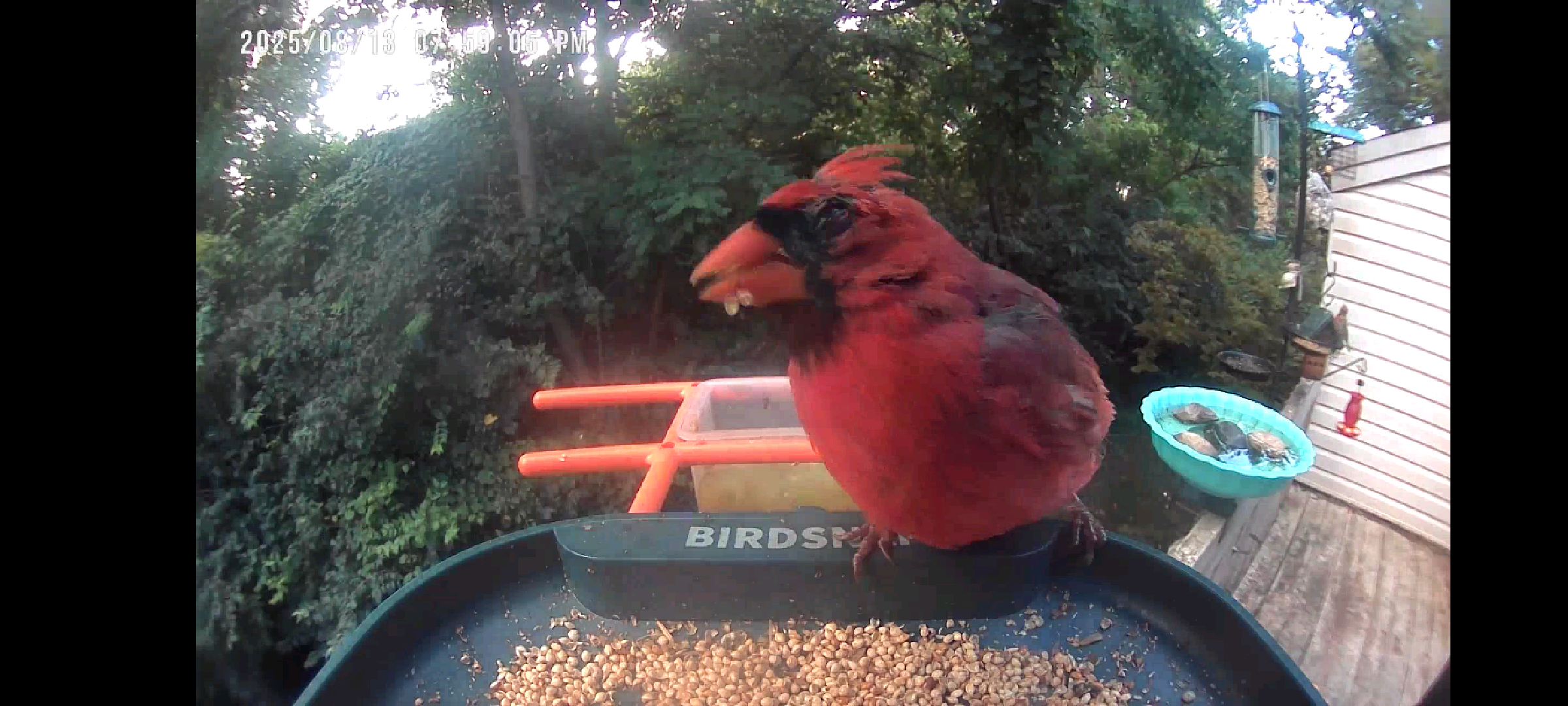
Are you wondering if it’s safe to feed birds again in Ohio? If you love watching colorful birds visit your backyard, you might feel unsure about when to start putting out bird food.
You want to help these beautiful creatures without putting them at risk. This article will give you clear answers and simple tips to keep your feathered friends safe and healthy. Keep reading to learn how you can enjoy birdwatching while protecting the birds you care about.

Credit: www.reddit.com
Current Bird Feeding Conditions In Ohio
Ohio’s bird feeding scene is changing, and it’s important to understand what’s happening before you refill your feeders. Recent reports show some health concerns among local bird populations, which means you need to be cautious about how and when you feed them again.
Many backyard bird enthusiasts have noticed fewer visitors at their feeders recently. This drop in activity can be linked to disease outbreaks affecting wild birds in the area. So, knowing the current conditions helps you make safer choices for your feathered friends.
Current Health Concerns Among Ohio Birds
Several bird diseases have been reported in Ohio, such as avian conjunctivitis and salmonellosis. These illnesses can spread quickly at crowded feeders, putting healthy birds at risk. You should watch for signs like swollen eyes or lethargy in birds visiting your yard.
Recommendations From Ohio Wildlife Authorities
The Ohio Department of Natural Resources suggests temporarily stopping bird feeding if you notice sick birds. They advise cleaning feeders regularly with a bleach solution to reduce disease spread. You might also consider spacing out feeders to prevent crowding.
Safe Feeding Practices You Can Follow Now
- Clean feeders at least once a week, or more if you see illness signs.
- Remove old or moldy seed to keep birds healthy.
- Provide fresh water and clean birdbaths regularly.
- Spread feeders apart to avoid large bird gatherings.
Have you checked your feeders recently for signs of dirt or disease? Taking a few minutes to maintain your feeding station can protect birds and ensure they keep coming back to your yard safely.
Common Risks To Backyard Birds
Feeding birds in your Ohio backyard can bring joy and a close-up look at nature. However, it also comes with risks that can affect the health and safety of the birds you want to help. Understanding these risks is key to making smart choices about when and how to feed birds safely.
Disease Concerns
Bird feeders can become hotspots for diseases if not cleaned regularly. Pathogens like salmonella and avian pox spread quickly in crowded feeding areas.
Dirty feeders and old food attract germs that harm birds’ immune systems. You might notice sick birds or fewer visitors if disease spreads.
To protect your feathered friends, clean feeders weekly with a mild bleach solution. This simple step can break the cycle of infection and keep your backyard lively.
Predator Threats
Feeding birds also draws unwanted attention from predators such as cats, raccoons, and hawks. These animals see bird feeders as easy hunting grounds.
Placing feeders in open areas or near dense shrubbery can increase danger. Predators hide and strike quickly, so consider locations carefully.
Have you checked your yard from a bird’s eye view? Adding baffles or hanging feeders on poles away from cover can reduce risks significantly.
Environmental Hazards
Weather and pollution can turn bird feeding into a hazard without careful monitoring. Moldy seeds or ice-covered feeders pose threats to birds’ health.
Also, spilled seed attracts pests like rodents that can disturb the local ecosystem. You might unintentionally invite more problems than you solve.
Regularly clearing leftover seed and choosing weather-resistant feeders helps maintain a safer environment. What small changes can you make today to protect your backyard visitors?
Signs To Watch Before Resuming Feeding
Knowing when to feed birds again in Ohio is important for their health. Watching for clear signs helps avoid spreading diseases. Birds can get sick if feeders are used too soon. Careful observation keeps local bird populations safe.
Check the area around feeders for any unusual bird behavior. Sick birds often stay away or act strangely. Look closely before placing food out again.
Observing Bird Activity Levels
Healthy birds will visit feeders regularly and appear active. Fewer birds or no visits could mean illness nearby. Wait until normal activity returns before refilling feeders.
Checking For Visible Signs Of Illness
Look for birds with ruffled feathers, swelling, or discharge. Birds showing these signs might carry disease. Avoid feeding if sick birds are present in the area.
Monitoring Nearby Bird Mortality
Dead or dying birds near feeders indicate a health risk. Stop feeding until the problem clears. Contact local wildlife officials if many birds die suddenly.
Inspecting Feeder Cleanliness
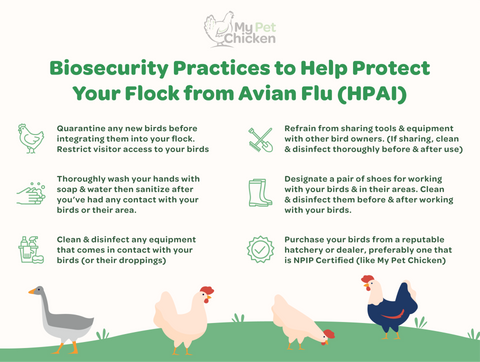
Dirty feeders can spread germs quickly. Clean feeders thoroughly with hot water and bleach solution. Only resume feeding after proper cleaning to protect birds.
Credit: www.mypetchicken.com
Safe Feeding Practices For Ohio Birds
Feeding birds in Ohio can be a rewarding experience, but it’s important to do it safely to protect both the birds and your local environment. Safe feeding practices ensure birds stay healthy and prevent the spread of diseases. You can enjoy watching feathered visitors without causing harm by making thoughtful choices about feeders, food, and maintenance.
Choosing The Right Feeders
Select feeders that suit the types of birds common in Ohio, like cardinals, chickadees, and finches. Tube feeders with small perches work well for small birds and reduce larger bird dominance. Platform feeders attract a variety of species but may also invite squirrels, so consider squirrel-proof options if you want to limit pests.
Think about feeder placement too. Keep feeders at least 10 feet away from windows to prevent collisions. You might also want to hang feeders near shrubs or trees, giving birds a quick escape if they sense danger.
Proper Food Selection
Offer foods that provide real nutrition and match local bird preferences. Black oil sunflower seeds are a favorite for many Ohio birds due to their high-fat content and easy shell removal. Suet cakes provide essential energy, especially during colder months.
Avoid bread or processed foods—these can harm birds and attract unwanted pests. Instead, you could mix seeds with dried fruits or mealworms to diversify the diet and support different species. Have you noticed which seeds your backyard visitors prefer? Observing their choices can guide your purchases.
Cleaning And Maintenance Tips
Regular cleaning of feeders is crucial to prevent disease spread among birds. Wash feeders with warm, soapy water every two weeks, or more often during wet weather. Rinse thoroughly and dry completely before refilling.
Check for moldy or clumped food and remove it immediately. Dirty feeders not only risk bird health but can also discourage visits. A clean feeder invites birds back and keeps your feathered friends safe.
Seasonal Feeding Guidelines
Feeding birds in Ohio requires attention to seasonal changes. Each season brings different needs for birds and affects how you should feed them. Following seasonal feeding guidelines helps keep birds healthy and safe throughout the year. It also supports their natural behaviors and migration patterns.
Spring And Summer Tips
During spring and summer, birds focus on nesting and raising their young. Offer fresh water for drinking and bathing. Avoid feeding too much seed. Insects and natural foods become more available, so birds need less supplemental feeding.
- Use feeders that prevent mold and spoilage.
- Clean feeders regularly to stop disease spread.
- Offer high-protein foods like mealworms for growing chicks.
- Keep feeders shaded to reduce overheating.
Fall And Winter Strategies
Fall and winter are critical times for birds to build energy reserves. Provide high-energy foods like sunflower seeds and suet. Birds rely more on feeders when natural food is scarce. Keep feeders full and accessible during cold weather.
- Place feeders where birds find shelter from wind.
- Check feeders often to avoid ice buildup.
- Use feeders that protect food from snow and rain.
- Offer a variety of seeds to attract many species.
Supporting Bird Health Beyond Feeding
Supporting bird health goes beyond just feeding them. Birds need clean water and safe spaces to thrive. Creating a healthy environment helps birds stay strong and avoid diseases. These simple actions can make a big difference for local bird populations in Ohio.
Providing Water Sources
Birds need fresh water for drinking and bathing. A clean water source attracts more birds to your yard. Use shallow dishes or birdbaths that are easy to clean. Change the water every day to stop bacteria and mold growth. In winter, consider a heated birdbath to keep water from freezing. This helps birds stay hydrated all year long.
Creating Bird-friendly Habitats
Natural habitats offer food, shelter, and safety. Plant native trees and shrubs to provide cover and nesting spots. Leave leaf litter and dead wood in your yard for insects that birds eat. Avoid using pesticides that harm birds and their food sources. Adding birdhouses can give extra shelter during bad weather. A safe, natural space supports birds throughout the seasons.
Local Resources And Expert Contacts
Knowing where to turn for reliable information and support is key when deciding whether to feed birds again in Ohio. Local resources and expert contacts provide up-to-date advice and help you make safe choices for your feathered visitors.
These resources often include wildlife agencies, bird conservation groups, and veterinary experts who understand the specific challenges birds face in Ohio. Connecting with them can clear up confusion and give you peace of mind.
Ohio Department Of Natural Resources (odnr)
The ODNR is a primary source for regulations and health alerts related to wild birds in Ohio. They monitor bird populations and outbreaks like avian flu, offering timely updates on feeding guidelines.
You can visit their website or call their wildlife division to ask questions directly. Their advice ensures your actions align with state recommendations to protect local bird populations.
Local Bird Conservation Organizations
Groups such as the Audubon Society of Ohio provide community-based support and educational resources. They often host workshops and share best practices on feeding birds safely.
Joining one of these groups connects you with fellow bird enthusiasts who share experiences and tips. Have you ever learned a simple feeding trick from a neighbor that made a big difference?
Wildlife Rehabilitators And Veterinarians
Professional rehabilitators and vets specializing in birds can offer personalized advice if you notice sick or injured birds at your feeder. They understand signs of illness and how to respond properly.
Keeping their contact info handy helps you act fast if needed. Would you know what to do if a bird at your feeder appeared unwell?
Online Forums And Social Media Groups
Ohio-based birdwatching forums and social media groups provide a platform to share observations and get real-time feedback. Members often report local bird activity and health issues.
Engaging in these communities keeps you informed and connected. What insights might you gain by simply asking others what they are seeing in your area?
Credit: www.theguardian.com
Frequently Asked Questions
Is It Safe To Feed Birds In Ohio Now?
Yes, feeding birds in Ohio is safe again. Follow local guidelines to prevent disease spread and use clean feeders.
When Should I Start Feeding Birds In Ohio?
Start feeding birds in Ohio during late fall or early winter. This helps birds find food during scarce months.
What Foods Are Best For Ohio Backyard Birds?
Black oil sunflower seeds and nyjer seeds are best. They attract a variety of Ohio birds and provide good nutrition.
How Can I Keep Bird Feeders Safe From Diseases?
Clean feeders regularly with a mild bleach solution. Avoid overcrowding by spacing feeders apart to reduce disease risk.
Conclusion
Bird feeding in Ohio can be safe again. Always check for local updates. Bird safety depends on current disease risks. Clean feeders regularly to prevent disease spread. Choose healthy food options for the birds. Avoid feeding during high-risk periods. Consult local wildlife experts for advice.
Taking these steps helps protect bird populations. Enjoy watching birds safely and responsibly. Their presence brings joy and wonder to your backyard. Stay informed, stay involved, and keep birds safe. Your actions make a difference in their lives. Keep supporting our feathered friends with care and thoughtfulness.