
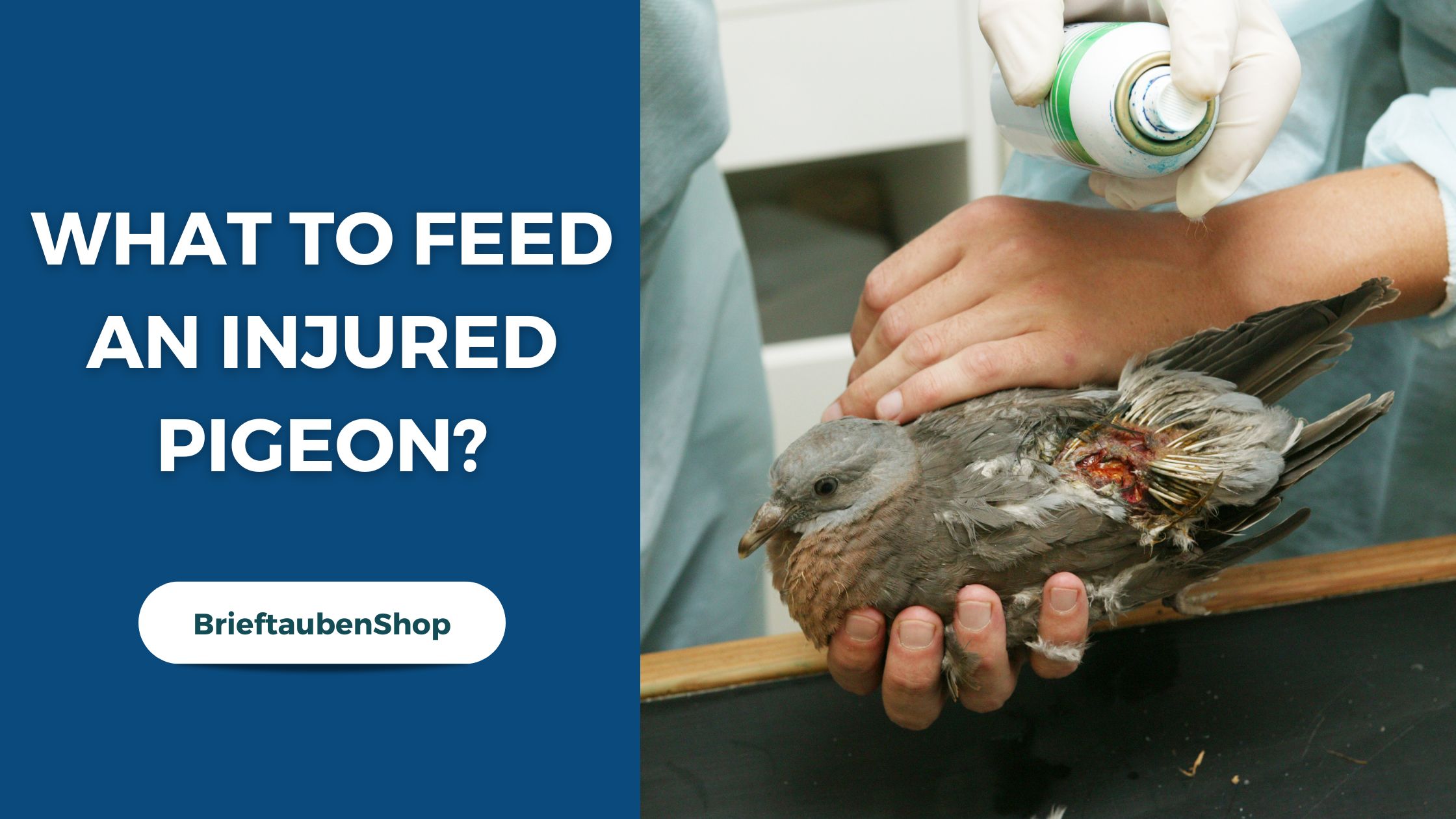
Imagine finding a small, injured bird fluttering helplessly on the ground. Your heart skips a beat as you wonder how you can help this fragile creature.
You’re not alone in wanting to lend a hand; many of us feel the urge to assist when we see an animal in distress. But here’s the pressing question: what do you feed a wild injured bird? Feeding it the wrong thing could do more harm than good.
This article will guide you through the essential steps to ensure you provide the right care and nourishment. You’ll discover simple, effective ways to help nurse your feathered friend back to health, ensuring it gets the best chance at recovery. Stay with us to learn exactly what you need to do and avoid common mistakes that could affect the bird’s well-being.
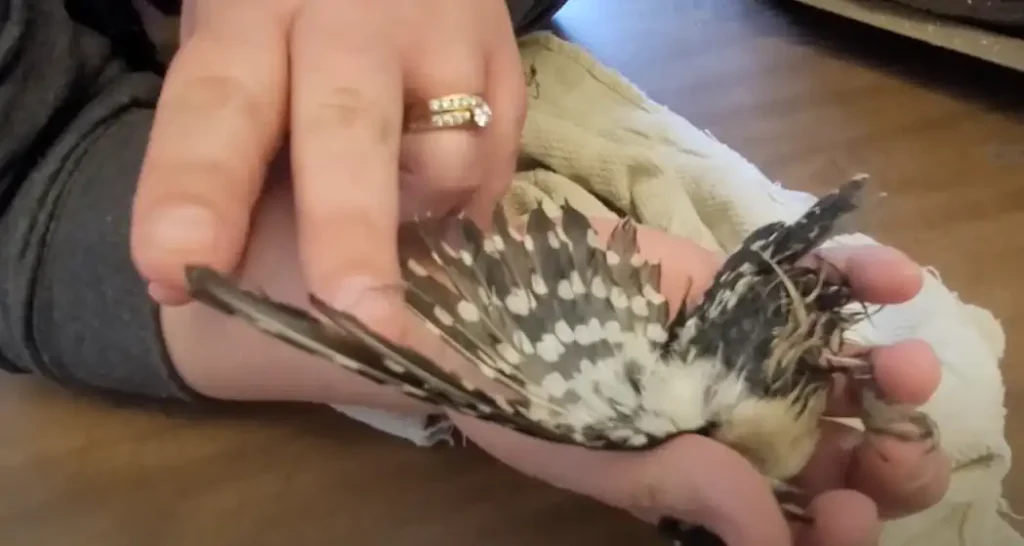
Credit: www.earthofbirds.com
Identifying The Bird Species
Identifying the bird species is crucial before offering food to a wild injured bird. Different birds have very specific dietary needs, and feeding the wrong food can do more harm than good. Understanding the bird’s species helps you provide the right care and increases its chance of recovery.
Common Injured Birds
You might often find certain birds injured in your area. These include:
- Pigeons and doves – common in urban areas
- Songbirds like sparrows and robins – frequently hit windows or caught by cats
- Birds of prey such as hawks or owls – sometimes injured by vehicles or fights
- Waterfowl like ducks and geese – often hurt by fishing lines or pollution
Each of these birds looks different and has unique habits. Noticing the bird’s size, beak shape, and feather color can help you identify it quickly. Have you ever paused to really observe a bird before helping it?
Diet Differences Among Species
Birds don’t all eat the same things. Some prefer seeds, others insects, and some rely on meat. For example, pigeons eat mostly seeds and grains, while hawks need protein from small mammals or birds.
Feeding a seed mix to a bird of prey won’t provide the nutrients it needs. Similarly, a waterfowl’s diet includes aquatic plants and small fish, so bread or crackers can be harmful. Understanding these differences protects the bird’s health and supports its healing.
Next time you find a hurt bird, ask yourself: What does this species normally eat in the wild? This question guides your choice of food and shows respect for the bird’s natural diet.
Assessing The Bird’s Condition
Assessing the bird’s condition is the first step before feeding an injured wild bird. Careful observation helps determine the bird’s needs and the best way to assist it. Understanding the bird’s injuries and stress level ensures proper care and increases its chance of recovery.
Signs Of Injury
Look for visible wounds like cuts, bleeding, or broken wings. Notice if the bird is unable to stand or fly properly. Swelling or bruising on the body is a clear sign of injury. Check for unusual posture or drooping feathers. These signs indicate the bird needs urgent care.
Stress And Shock Indicators
Wild birds often show stress through rapid breathing or heavy panting. They may remain very still or try to hide. Shaking or trembling can signal shock. Watch for closed or half-closed eyes, which show exhaustion. A stressed bird needs calm and quiet surroundings to recover.
Safe Feeding Practices
Feeding a wild injured bird requires care and attention. Safe feeding practices help the bird heal without causing more harm. Providing the right food in the right way supports its recovery. Avoid giving anything that could upset its stomach or make injuries worse. Use proper tools to feed the bird gently and safely.
Avoiding Harmful Foods
Many common foods harm wild birds. Avoid giving bread, milk, or processed snacks. These can cause serious health problems. Do not feed birds salty, sugary, or spicy items. Raw meat, chocolate, and caffeine are dangerous too. Stick to natural foods like seeds, insects, or soft fruits. These match the bird’s natural diet and provide needed nutrients.
Proper Feeding Tools
Use clean, small tools to feed the bird carefully. Tweezers or small spoons work well for tiny beaks. Avoid using your fingers to prevent bites or infections. Use shallow dishes or containers for water and food. Keep everything sanitary to stop bacteria or germs. Feed slowly and gently to avoid choking or stress.
Recommended Foods For Rescue
Knowing what to feed a wild injured bird can make a big difference in its recovery. The right foods provide essential nutrients that help heal wounds and restore energy. Let’s look at foods that work best for rescue situations and how you can prepare them safely.
Protein Sources
Protein is vital for tissue repair and muscle strength. Offer small insects like mealworms, crickets, or finely chopped cooked eggs. Avoid processed meats or anything salty, as these can harm the bird’s delicate system.
If you don’t have insects handy, try plain, boiled chicken without seasoning. Remember, wild birds often get protein from bugs, so mimic their natural diet as closely as possible. Have you noticed how quickly birds seem to perk up after a protein-rich snack?
Fruits And Vegetables
Fruits and vegetables supply vitamins and hydration. Soft, easy-to-digest options like mashed bananas, peeled grapes, or finely chopped apples work well. Avoid citrus fruits since their acidity can upset the bird’s stomach.
Leafy greens like spinach or kale can be offered in small amounts but always chop them finely. You might find that birds prefer sweeter fruits, which can be a helpful way to encourage eating. What fruits do you think would be most appealing to a wild bird in distress?
Hydration Tips
Water is crucial, especially if the bird looks weak or dehydrated. Provide fresh, clean water in a shallow dish to prevent drowning risks. You can also offer hydration through juicy fruits or by gently dripping water near the bird’s beak using a syringe or dropper.
Be careful not to force-feed water, as this can cause choking. Observing the bird’s drinking habits helps you know when it needs more fluids. How often do you check on hydration when caring for an injured animal?
Feeding Frequency And Amount
Feeding an injured wild bird requires careful attention to how often and how much you feed. Providing the right frequency and portion size can make a big difference in the bird’s recovery. Overfeeding or underfeeding can cause health issues, so understanding these details is crucial for anyone helping a wild bird in need.
How Often To Feed
Young or injured birds often need to eat more frequently than healthy adults. Typically, feeding every 2 to 4 hours during daylight works well, as birds naturally eat multiple small meals throughout the day.
Keep in mind the bird’s energy level. If it’s very weak, shorter intervals between feedings help maintain energy. But, avoid feeding during the night; birds normally rest and digest food during this time.
Ask yourself: could this bird manage on its own if you feed less frequently? Watching its activity and alertness gives clues about when it needs food again.
Portion Size Guidelines
Giving the right amount of food is just as important as timing. Too much can overwhelm the bird’s system, while too little won’t support healing.
| Bird Size | Approximate Portion Size per Feeding | Notes |
|---|---|---|
| Small (e.g., sparrows, finches) | 1/8 to 1/4 teaspoon | Small beaks need tiny bites; use a syringe or tweezers carefully. |
| Medium (e.g., robins, doves) | 1/4 to 1/2 teaspoon | Feed in small amounts to avoid choking. |
| Large (e.g., pigeons, crows) | 1/2 to 1 teaspoon | Offer bite-sized pieces; avoid overloading the crop. |
Watch the bird’s response closely. If it eagerly accepts food but leaves some uneaten, reduce the portion slightly next time. If it seems hungry immediately after feeding, increase the portion just a bit.
Remember, your goal is to provide enough nutrition without causing discomfort. How much would you eat if you were healing from an injury? This question helps you stay empathetic and patient with the bird’s pace.
Handling And Caring Tips
Handling and caring for a wild injured bird requires patience and gentle care. Proper handling helps reduce the bird’s stress and supports its recovery. Creating a safe environment is crucial to protect the bird from further harm. Understanding how to minimize stress and set up safe housing is key to effective care.
Minimizing Stress
Keep the bird in a quiet, calm area away from noise and pets. Avoid loud sounds and sudden movements that may frighten the bird. Handle the bird only when necessary and do so gently. Use soft cloth or gloves to hold the bird securely but not tightly. Speak softly or stay silent to avoid scaring the bird. Limit the number of people around the bird to reduce anxiety. Provide a dark or dim space to help the bird feel safe and rest better.
Safe Housing Setup
Choose a small, well-ventilated box or cage to house the bird. Line the bottom with soft materials like towels or paper towels for comfort. Avoid materials that can cause injury, such as loose strings or sharp edges. Place the housing in a warm, quiet location away from drafts. Ensure the bird has easy access to food and water without stress. Check the housing regularly for cleanliness and replace bedding as needed. Keep the box covered with a light cloth to reduce light and protect the bird from outside disturbances.
When To Seek Professional Help
Knowing when to seek professional help for a wild injured bird is crucial. While your care can make a difference, some injuries require expert attention to ensure the bird’s survival and recovery. Recognizing the signs that go beyond basic first aid helps protect both you and the bird.
Recognizing Serious Injuries
Not all injuries are obvious at first glance. If the bird is bleeding heavily, has broken wings or legs, or is unable to perch or fly, these are clear signs of serious harm.
Look for signs of shock such as rapid breathing, lethargy, or unresponsiveness. Birds with head injuries may tilt their heads or show unusual eye movements.
Have you noticed if the bird is struggling to breathe or has visible wounds? These symptoms mean it’s time to stop trying to treat the bird yourself and get professional help immediately.
Contacting Wildlife Rehabilitators
Wildlife rehabilitators have the training and resources to care for injured birds properly. They understand how to handle wild animals safely and provide the medical treatment necessary for recovery.
When you find an injured bird, contact your local wildlife rehabilitation center or animal rescue organization as soon as possible. Keep the bird in a quiet, warm, and dark place while you arrange transport.
Have their contact information saved beforehand—it can make a big difference in an emergency. Remember, the quicker a professional gets involved, the better the chances for the bird to heal and return to the wild.

Credit: awesomewildlifeco.co.uk
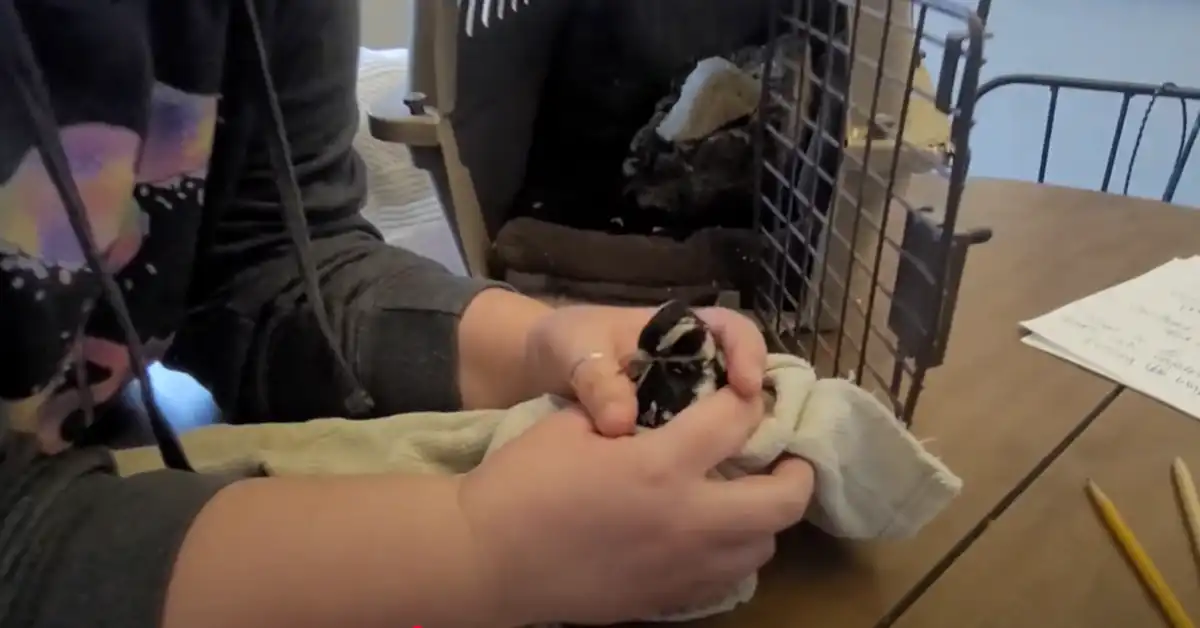
Credit: www.earthofbirds.com
Frequently Asked Questions
What Is Safe Food For A Wild Injured Bird?
Safe food includes soaked dog kibble, cooked rice, and mealworms. Avoid bread and milk as they harm birds. Provide fresh water alongside food to aid recovery.
How Often Should I Feed An Injured Wild Bird?
Feed small amounts every 2-3 hours during daylight. Overfeeding can cause health issues. Monitor the bird’s response and adjust feeding accordingly.
Can I Give Water Directly To A Wild Injured Bird?
Yes, offer water in a shallow dish. Never force water as it may cause choking. Use a dropper only if you know how to hydrate birds safely.
Should I Feed Injured Birds Seeds Or Insects?
Injured birds benefit from protein-rich insects like mealworms. Seeds are good for some species but less nutritious. Research the bird species to provide proper diet.
Conclusion
Feeding a wild injured bird needs care and patience. Offer soft, easy-to-digest foods. Avoid giving human food that can harm the bird. Keep water available but not too much. Always watch the bird for signs of stress. Contact a wildlife expert for proper help.
Your gentle care can aid the bird’s recovery. Every small effort counts in helping wild birds heal. Stay calm and kind during this process. Helping injured birds supports nature and life around us.