
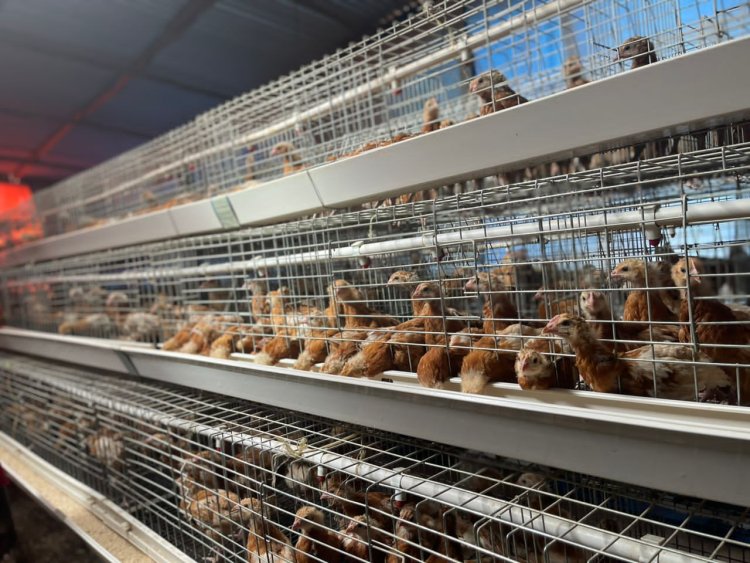
Have you ever wondered if feeding wild birds is a good idea? You might think it’s a simple way to help nature right outside your window.
But is it really safe for the birds? Could it actually do more harm than good? Before you toss that handful of seeds, it’s important to understand what feeding wild birds means for their health and the environment. Keep reading to discover the surprising truths that could change how you think about helping your feathered friends.
Credit: www.airbnb.gy
Benefits Of Feeding Wild Birds
Feeding wild birds offers many benefits for both birds and people. It helps birds survive tough times and brings nature closer to home. This simple act supports local wildlife and creates moments of joy and learning.
Supporting Bird Populations
Providing food helps birds find energy during cold months. It supports their health and increases their chance of survival. Birds can focus on nesting and raising young instead of searching for food. This feeding helps maintain balanced ecosystems by keeping bird numbers stable.
Enjoying Nature Up Close
Feeding birds invites them to visit your yard regularly. It lets you watch their behaviors and colors closely. This connection with nature reduces stress and boosts happiness. It creates peaceful moments and strengthens your bond with the natural world.
Educational Opportunities
Feeding birds offers a chance to learn about different species. It helps children and adults observe bird habits and identify types easily. This experience encourages curiosity and respect for wildlife. It can inspire people to protect birds and their habitats.
Potential Risks To Birds
Feeding wild birds may seem kind, but it can cause serious risks. Birds can face health and safety problems from human food. Understanding these dangers helps protect their natural lifestyle and well-being.
Dependency On Human Food
Birds may rely too much on food from people. This reduces their natural foraging skills. They might stop searching for insects or seeds on their own. This dependency can weaken their survival chances in the wild.
Spread Of Diseases
Feeding spots can become places where diseases spread quickly. Many birds gather in one area, increasing infection risks. Dirty feeders and leftover food also attract bacteria and mold. Sick birds may pass illnesses to others easily.
Attracting Predators
Food sources can draw unwanted predators like cats and rats. These animals hunt birds near feeders. The presence of predators can cause stress and harm to wild birds. It may lower their chances of survival and nesting success.
Safe Feeding Practices
Feeding wild birds can be a joyful way to connect with nature, but it’s important to do it safely. Unsafe feeding practices can harm birds or even spread disease. You want your garden visitors to thrive, not just survive.
Choosing The Right Food
Not all bird food is created equal. Offering the right types helps birds get the nutrition they need without causing health problems.
Black oil sunflower seeds are a favorite among many songbirds because they have a thin shell and lots of energy. Avoid bread or junk food—it offers little nutrition and can make birds sick.
Think about the species visiting your yard. Finches love nyjer seeds, while woodpeckers prefer suet. Have you noticed which birds come around most often?
Maintaining Clean Feeders
Dirty feeders can spread bacteria and diseases quickly among birds. Cleaning your feeders regularly reduces this risk and keeps the birds healthy.
Wash feeders with warm, soapy water at least once every two weeks. Rinse thoroughly and let them dry completely before refilling.
Consider placing feeders where they dry quickly and aren’t shaded by dense foliage to prevent mold growth. What’s your cleaning routine for your bird feeders?
Feeding In Moderation
Providing too much food can lead to dependency and overcrowding, which stresses bird populations. It’s better to offer food just enough to supplement their natural diet.
Feed birds during the cold months or breeding season when natural food is scarce. Stop feeding in spring or summer if you notice an abundance of natural food sources.
Try to avoid creating large gatherings that attract predators. Do you ever worry about how much food is enough?
Credit: www.airbnb.com
Impact On Local Ecosystems
Feeding wild birds might seem like a harmless way to connect with nature, but it carries significant effects on local ecosystems. Your actions can shift natural behaviors and disrupt the delicate balance between species. Understanding these impacts helps you make informed choices that protect both birds and the environment around you.
Effects On Bird Behavior
When you feed wild birds regularly, they can become dependent on these easy meals. This reduces their natural foraging instincts, making them less skilled at finding food on their own. You might notice birds gathering in unnatural numbers around feeders, which can increase competition and stress among them.
Additionally, feeding can alter migration patterns. Birds might stay in areas longer than usual, risking survival if food sources suddenly disappear. Have you ever seen flocks staying put near a feeder well into winter? This behavior shows how your actions directly influence their natural habits.
Influence On Wildlife Balance
Feeding birds can also affect other wildlife. Attracting large numbers of birds might draw predators, changing the local food chain. This shift can unsettle smaller animals and insects that rely on a stable population of birds to keep their numbers in check.
Moreover, leftover food or spillage can encourage pests like rats or invasive species. These newcomers can outcompete native wildlife, leading to a decline in biodiversity. Have you considered how your bird feeder might be inviting more than just feathered friends?
Alternatives To Feeding
Feeding wild birds might seem like a kind gesture, but there are thoughtful alternatives that support their wellbeing without causing dependency. These options help maintain a balanced ecosystem and encourage natural behaviors. You can create a welcoming environment that meets birds’ needs year-round without relying on feeders.
Creating Natural Habitats
Building a natural habitat in your yard invites birds to find food, shelter, and nesting spots on their own. Add layers of plants like shrubs, trees, and ground cover to mimic their preferred environments. This diversity offers insects, seeds, and berries, which are essential food sources for many species.
Have you noticed how birds linger longer in areas with dense foliage? That’s because they feel safer and have more resources nearby. Even small changes like leaving leaf litter or dead wood can provide insects and hiding places, making your space a bird-friendly sanctuary.
Planting Native Vegetation
Native plants suit the local climate and wildlife, making them ideal for supporting wild birds naturally. Choose species that produce seeds, nuts, or berries at different times of the year to offer continuous nourishment. Examples include sunflowers, coneflowers, and berry-producing shrubs like elderberry or serviceberry.
When you plant natives, you also attract the insects birds feed on. This creates a balanced food chain and reduces the need for supplemental feeding. What native plants grow well in your area that could transform your garden into a bird haven?
Legal And Ethical Considerations
Feeding wild birds might seem like a simple way to connect with nature, but it comes with important legal and ethical responsibilities. Understanding these considerations helps you support wildlife without causing unintended harm. Let’s break down what you need to know before offering that first handful of seeds.
Local Regulations
Every area has its own rules about feeding wild birds, and some places strictly forbid it. These laws often exist to protect native species and prevent problems like overcrowding or disease spread. Before you start feeding, check your city or state’s wildlife guidelines online or contact local authorities.
Ignoring these rules can lead to fines or harm to the birds themselves. Have you ever wondered why some parks have signs banning feeding? It’s usually to keep the ecosystem balanced and avoid attracting pests or invasive species.
Respecting Wildlife
Feeding birds should never disrupt their natural behaviors or diets. Providing food that isn’t appropriate can cause malnutrition or dependency. For example, bread might seem harmless, but it offers little nutrition and can damage birds’ health over time.
Think about how you can support birds without interfering with their survival skills. You might choose native seeds or fruits that match their natural diet and feed in moderation. Do you consider how your actions might affect a bird’s ability to find food on its own?

Credit: www.airbnb.com
Frequently Asked Questions
Is Feeding Wild Birds Safe For Their Health?
Feeding wild birds can be safe if done properly. Use natural, bird-friendly foods and avoid processed items. Clean feeders regularly to prevent disease. Overfeeding or unhealthy food can harm birds and disrupt their natural foraging habits.
What Are The Benefits Of Feeding Wild Birds?
Feeding wild birds helps them during harsh weather and scarce food seasons. It supports bird populations and encourages local biodiversity. Watching birds can also provide joy and educational opportunities for people of all ages.
Can Feeding Birds Cause Dependency On Humans?
Yes, birds may become reliant if fed regularly. This can reduce their natural food-finding skills. To avoid dependency, offer food only occasionally and maintain natural habitats for wild foraging.
What Foods Should I Avoid When Feeding Wild Birds?
Avoid bread, salty snacks, and processed foods. These can cause malnutrition and health issues. Instead, offer seeds, nuts, fruits, and suet suited to local bird species for optimal nutrition.
Conclusion
Feeding wild birds can be a rewarding experience. It connects us to nature. Yet, it’s essential to be mindful. Provide food that benefits their health. Avoid giving bread or processed foods. These can harm birds. Clean feeders regularly to prevent disease.
Offer a variety of seeds. Each bird has different needs. By doing so, you help them thrive. Remember, your actions impact their world. Enjoy the joy of watching birds. But always prioritize their well-being. Nature will thank you for your care.