
Have you ever found yourself worried about a bird that refuses to eat? Whether it’s a pet bird recovering from illness or a wild bird in need, knowing how to force feed a bird can be a lifesaver.
You might feel unsure or nervous about the process, but with the right steps, you can help your feathered friend get the nutrition it needs quickly and safely. You’ll discover simple, clear instructions that make force feeding less stressful for both you and the bird.
Keep reading—you’re about to learn a skill that could save a life.

Credit: www.amazon.com
Reasons For Force Feeding Birds
Force feeding birds is not something to take lightly. It is a careful decision driven by specific situations where a bird’s health is at serious risk. Understanding why you might need to force feed your bird can prepare you to act quickly and confidently when their wellbeing depends on it.
When Force Feeding Is Necessary
Force feeding becomes necessary when a bird is unable or unwilling to eat on its own. This can happen if the bird is too weak, injured, or sick to feed itself. Have you ever seen a bird refuse food despite obvious hunger? That’s a clear sign force feeding might be required.
Another scenario is during recovery from surgery or illness. Birds may lose their appetite or be too tired to eat normally. In these moments, force feeding ensures they get the nutrition needed to heal and regain strength.
Common Bird Health Issues
Several health problems can lead to the need for force feeding. One common issue is crop stasis, where the crop—the bird’s food storage pouch—stops moving food properly. This condition can cause severe malnutrition if not addressed quickly.
Other concerns include infections, parasites, or chronic diseases that reduce appetite. Sometimes stress or environmental changes cause a bird to stop eating temporarily. Have you noticed your bird acting differently or avoiding food after a move or vet visit? This could signal the need for intervention.
- Illness causing weakness or loss of appetite
- Injury limiting the bird’s ability to eat
- Crop problems like impaction or stasis
- Post-surgical recovery phases
- Stress-related refusal to eat
Knowing these reasons helps you recognize when to act and avoid waiting too long. Your quick response can be the difference between recovery and serious health decline for your feathered friend.
Preparing For Force Feeding
Preparing for force feeding a bird requires careful thought and planning. You must gather the right tools, choose suitable food, and set up a peaceful space. These steps help reduce stress for both you and the bird, making the process smoother and safer.
Choosing The Right Equipment
Selecting proper equipment is key to force feeding safely. Use a small, smooth syringe or a feeding tube designed for birds to avoid injury. Make sure the equipment is clean and free from sharp edges that could harm your bird’s delicate mouth.
Think about the size of your bird. A parrot needs a different syringe size than a finch. Using the right size helps control the food flow and prevents choking.
Selecting Appropriate Food
Your bird’s health depends on the food you offer. Choose a high-quality, easily digestible formula recommended by avian vets. It should be warm but not hot, around body temperature, to avoid discomfort.
Avoid foods with large chunks or seeds that can block the feeding tube. You can blend or mash fruits and vegetables to add variety and nutrients. Have you checked if your bird has any allergies or sensitivities before deciding on the menu?
Creating A Calm Environment
Stress makes force feeding harder and more dangerous. Find a quiet, dimly lit room where your bird feels safe. Remove loud noises, other pets, and distractions to keep your bird calm.
Speak softly and move slowly during feeding. Your calmness transfers to your bird, reducing resistance. Have you noticed how your own anxiety affects your pet’s behavior? Managing your emotions can make a big difference.
Step-by-step Force Feeding Process
Force feeding a bird requires care and precision. It helps when the bird cannot eat on its own. This process must be gentle to avoid stress or injury. Follow a clear, calm routine to ensure success.
Handling The Bird Safely
Hold the bird firmly but gently. Use a soft cloth or towel to wrap it. This prevents sudden movements and protects both of you. Avoid squeezing the bird’s chest to allow normal breathing. Keep the bird’s head steady but not forced backward.
Measuring The Food Quantity
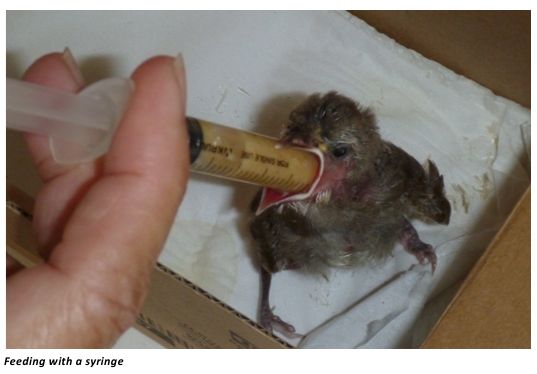
Prepare the food in a smooth, liquid form. Use a syringe or dropper for accuracy. Measure small amounts based on the bird’s size and species. Overfeeding can cause choking or discomfort. Start with tiny quantities and increase gradually if needed.
Administering Food Gently
Place the syringe tip near the bird’s beak. Let the bird open its mouth naturally. Slowly push the food in, allowing time to swallow. Avoid forcing too much at once. Watch the bird’s reactions for signs of distress. Pause if the bird coughs or resists.
Signs To Watch During Feeding
Watching for signs during force feeding is vital for the bird’s safety. It helps avoid serious problems and makes feeding smoother. Careful observation prevents choking and stress. It also shows if the bird feels pain or discomfort.
Avoiding Choking And Stress
Choking is a serious risk during force feeding. Watch if the bird coughs, gags, or struggles to breathe. Stop feeding immediately if these happen. Keep the food soft and at the right temperature. Use a gentle, slow feeding technique. Avoid forcing too much food at once. Stress signs include loud squawks, flapping wings, or trying to escape. Calm the bird with a soft voice and slow movements.
Recognizing Discomfort Or Pain
The bird may show pain by closing its eyes tightly or shaking its head. Look for unusual silence or refusal to eat more. Check for swelling or redness around the beak. If the bird pulls away or pecks at the feeding tool, it may hurt. Always stop feeding if the bird shows these signs. Give the bird time to rest and recover before trying again.
Post-feeding Care
Post-feeding care is essential to help the bird recover and stay healthy. After force feeding, the bird needs gentle handling and a clean environment. This care reduces stress and supports proper digestion. Watch the bird closely for any signs of discomfort or illness. Proper care ensures the feeding effort helps the bird regain strength quickly.
Cleaning And Comforting The Bird
Clean the bird’s beak and feathers softly after feeding. Use a damp cloth or soft tissue to remove leftover food. Keep the bird warm and quiet in a safe place. A small, cozy box or cage works well. Avoid loud noises and sudden movements. Gentle petting can calm the bird and reduce stress. Make sure the bird has fresh water to drink.
Monitoring Recovery And Feeding Response
Check the bird’s behavior and appetite regularly. Look for signs of energy and alertness. Note if the bird starts eating on its own. Record the amount of food taken during each feeding. Observe the bird’s droppings for normal color and texture. Seek veterinary help if the bird shows weakness or refuses food. Early action can prevent health problems.
Common Mistakes To Avoid
Force feeding a bird is a delicate process that requires care and attention. Many people make common mistakes that can harm the bird instead of helping it. Avoiding these errors ensures the bird receives the nutrition it needs safely and comfortably.
Overfeeding Risks
It’s tempting to give your bird more food quickly when it appears weak or hungry. However, overfeeding can cause choking or digestive problems. Birds have small stomachs, so feeding too much at once stresses their system.
Watch your bird’s reactions closely. If it starts to resist or shows signs of discomfort, pause and let it rest. Gradual feeding allows the bird to digest properly and reduces the risk of aspiration pneumonia, a serious lung infection caused by food entering the airways.
Using Incorrect Food Types
Choosing the wrong food can do more harm than good. Birds need specific nutrients that vary by species, so generic or inappropriate foods might lack essential vitamins or be hard to digest.
A friend once tried feeding bread soaked in milk to a sick parrot, thinking it was soft and easy to swallow. The bird developed digestive issues because dairy isn’t suitable for most birds. Always research or consult a vet about the correct formula or mashed diet for your bird’s needs.
Stick to foods recommended for force feeding, such as commercial hand-feeding formulas or mashed fruits and vegetables safe for birds. Avoid anything sticky, hard, or with added sugar and salt.
When To Seek Veterinary Help
Knowing when to seek veterinary help is vital for your bird’s health. Force feeding can be risky without proper care. Some signs show the need for expert attention quickly. Acting fast can save your bird’s life.
Signs Of Severe Illness
- Bird stops eating completely
- Weakness or inability to stand
- Labored or fast breathing
- Swollen or painful areas on the body
- Unusual droppings or diarrhea
Problems During Force Feeding
- Bird resists force feeding strongly
- Choking or coughing during feeding
- Food coming out of the nostrils or mouth
- Signs of stress or panic
Lack Of Improvement After Force Feeding
- Bird remains weak after several feedings
- No weight gain within a few days
- Continuing refusal to eat voluntarily
Special Considerations
- Young chicks or very old birds
- Birds with pre-existing health issues
- Uncertainty about proper feeding techniques

Credit: lafeber.com

Credit: www.amazon.com
Frequently Asked Questions
How Do You Safely Force Feed A Bird?
Use a syringe or dropper with soft food. Gently open the bird’s beak and slowly release food. Avoid forcing food too fast to prevent choking or stress.
When Is Force Feeding A Bird Necessary?
Force feeding is needed if the bird is weak, sick, or not eating on its own. Consult a vet before attempting to force feed.
What Food Is Best For Force Feeding Birds?
Use a soft, nutritious mix like soaked pellets or baby bird formula. Ensure the food is warm but not hot.
How Often Should You Force Feed A Bird?
Feed small amounts every 2 to 3 hours. Monitor the bird’s response and adjust frequency as needed.
Conclusion
Caring for a bird requires patience and understanding. Force-feeding can be stressful for both you and the bird. Always ensure the bird’s comfort and safety. Use gentle techniques and consult a vet for guidance. Monitor the bird’s health and progress daily.
This helps in ensuring the best care. Remember, every bird is unique. So, adapt your approach to suit its needs. Be calm and consistent with your efforts. Your dedication makes a difference in the bird’s recovery. Always prioritize the bird’s well-being above all else.
It ensures a healthier, happier bird in the long run.