
Have you ever wondered if feeding the birds in your backyard is a good idea? You might think it’s a simple way to help nature, but there’s more to consider than just tossing some seeds.
What if feeding birds could actually change their behavior or affect your local environment? Before you grab that bag of birdseed, it’s important to understand the real impact of your actions. Keep reading to discover what you need to know to make the best choice for both you and the birds around you.
Benefits Of Feeding Birds
Feeding birds offers many benefits for both nature and people. It helps birds survive and thrive. It also creates a lively and beautiful environment around your home. Watching birds can bring joy and calmness. Simple acts like placing seeds can support local wildlife and keep bird populations healthy.
Supporting Local Wildlife
Bird feeders provide extra food for birds in towns and cities. Natural food sources can be scarce due to human activity. Feeding birds helps them find enough to eat. This support is crucial during breeding and migration times. It keeps bird numbers stable and diverse in your area.
Enhancing Backyard Enjoyment
Bird feeding turns your yard into a lively space. Different bird species visit your feeder, creating a colorful show. Bird watching can be relaxing and educational. It encourages outdoor time and connection with nature. You can learn bird names and habits while enjoying their visits.
Helping Birds Through Seasons
Seasons change, and food becomes harder to find. Winter is especially tough for many birds. Feeding birds during cold months keeps them strong and alive. Spring and fall are busy for migration, and food helps fuel their journeys. Regular feeding supports birds all year round.

Credit: www.allaboutbirds.org
Choosing The Right Food
Choosing the right food for birds is key to helping them stay healthy. Birds need different types of food depending on their species and the time of year. Feeding the right food supports their growth and energy. It also keeps them coming back to your garden.
Safe Seeds And Grains
Many birds enjoy seeds and grains. These foods provide good nutrients and energy. Sunflower seeds are popular and safe for most birds. Millet is another favorite, especially for small birds like finches. Cracked corn works well for larger birds like doves and sparrows.
- Black oil sunflower seeds
- White proso millet
- Cracked corn
- Safflower seeds
Offer seeds that are fresh and free from mold. Avoid seeds that look old or dusty. Clean feeders often to keep seeds fresh and safe.
Avoiding Harmful Treats
Not all human foods are safe for birds. Bread, salty snacks, and sweets can harm them. These foods offer little nutrition and can cause illness. Avoid feeding birds anything processed or sugary. Raw nuts without salt are fine, but cooked or salted nuts are not. Stay away from chocolate and avocado, as these are toxic.
Seasonal Food Preferences
Birds change what they eat depending on the season. In spring and summer, many birds eat insects and fruits. Offering mealworms or fresh fruit pieces helps during these months. In fall and winter, seeds and nuts provide needed energy. Use more high-fat seeds like sunflower or peanuts in cold weather. Seasonal feeding helps birds survive tough times and keeps them healthy year-round.
Safe Feeding Practices
Feeding birds can be a joyful activity. Ensuring safe feeding practices protects both birds and your environment. Simple habits keep feeding stations healthy and inviting. Careful attention to cleanliness and food quality helps prevent disease. Regular upkeep supports a thriving bird community.
Clean Feeding Stations
Keep feeding stations clean to avoid spreading germs. Use hot water and mild soap to wash feeders weekly. Remove old or moldy food daily. Place feeders where they dry quickly to reduce bacteria. Clean areas under feeders to prevent pests and illness.
Proper Food Storage
Store bird food in airtight containers. Keep containers in a cool, dry place. Avoid moisture and heat that spoil seeds quickly. Buy food in small amounts to ensure freshness. Check expiration dates before feeding birds.
Regular Maintenance Tips
- Inspect feeders for damage regularly.
- Replace cracked or worn parts promptly.
- Clear debris and droppings from feeding areas.
- Rotate feeding spots to reduce buildup of waste.
- Monitor bird health and stop feeding if illness appears.

Credit: www.youtube.com
Attracting Different Bird Species
Attracting different bird species to your yard or garden can be a rewarding experience. Each species has unique preferences for food, habitat, and water. Understanding these needs will help you create a welcoming environment that invites a variety of birds to visit regularly.
Types Of Feeders
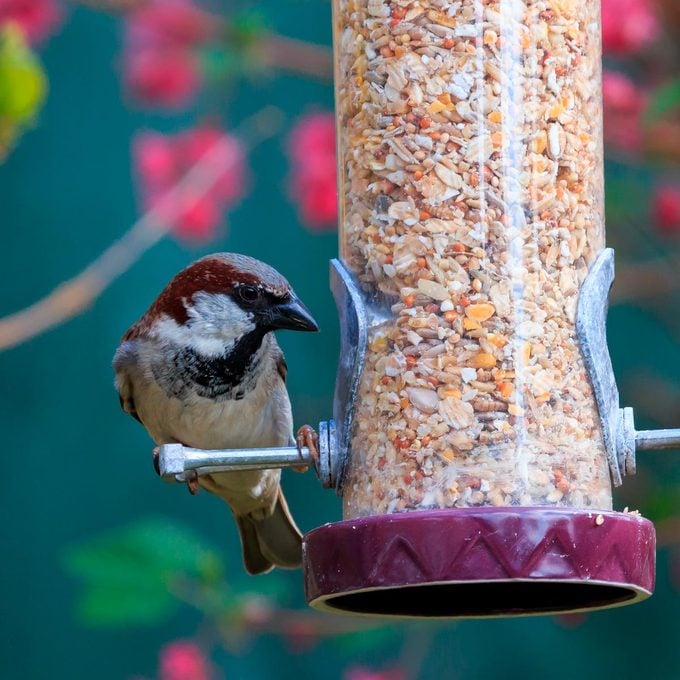
Choosing the right feeder can make a big difference in which birds come to your space. Tube feeders attract small songbirds like finches and chickadees, while platform feeders are great for larger birds such as cardinals and jays.
Hummingbird feeders with red accents and sugar water lure these tiny, fast-moving birds effectively. Suet feeders appeal to woodpeckers and nuthatches, especially in colder months. Have you noticed how some birds prefer a specific feeder style? Try mixing feeder types to increase the variety of visitors.
Placement Strategies
Where you put your feeders affects bird visits and their safety. Place feeders near trees or shrubs to give birds quick shelter from predators and bad weather.
Keep feeders at least 10 feet away from windows to prevent collisions. Also, avoid placing feeders too close to areas where pets roam freely. Have you observed how birds feel safer with nearby cover? Providing that can encourage longer and more frequent visits.
Using Water Sources
Birds need fresh water for drinking and bathing, which makes water sources essential for attracting a range of species. A shallow birdbath with gentle moving water can draw in sparrows, robins, and even warblers.
Keep water clean and change it regularly to avoid spreading disease. Adding a small fountain or dripper adds sound and movement, which can catch the attention of birds from afar. Have you tried placing a water source close to feeders? It often results in more birds sticking around your yard.
Potential Risks To Avoid
Feeding birds can be a joyful activity. It connects you with nature and helps local wildlife. Still, some risks can harm both birds and your environment. Knowing what to avoid keeps birds safe and happy.
Preventing Disease Spread
Bird feeders can spread germs if not cleaned often. Dirty feeders collect droppings and leftover food. These can carry diseases like salmonella and avian pox. To stop this, clean feeders with hot water and mild soap weekly. Avoid crowding by placing multiple feeders apart. This lowers the chance of birds catching illness.
Avoiding Predators
Feeding spots may attract predators like cats or hawks. These animals hunt birds at feeders. Place feeders in open areas away from hiding spots. Use baffles or guards on poles to block climbing predators. Watch feeders regularly and remove any threats. Protecting birds from predators helps maintain a safe feeding space.
Managing Overfeeding
Too much food can cause problems for birds and the environment. Leftover seeds attract pests like rats and insects. Overfeeding can also make birds dependent on human food. Offer small amounts of fresh food daily. Remove old or moldy seeds quickly. Balance feeding with natural food sources around your home.
Credit: www.familyhandyman.com
Ethical Considerations
Feeding birds can feel rewarding but raises ethical questions. These concerns focus on how feeding affects bird behavior and their environment. Careful thought helps ensure feeding supports, not harms, wildlife.
Respecting Wildlife Habits
Birds have natural habits shaped by evolution. Feeding them can change these habits. Some birds may depend too much on humans for food. This dependence can reduce their survival skills. Respecting their natural behavior means feeding should not replace wild foraging.
Feeding In Urban Vs. Rural Areas
Urban birds often face food shortages and may benefit more from feeding. Rural birds usually have abundant natural food sources. Feeding in cities can help birds through harsh seasons. In rural areas, feeding might disrupt natural food chains. Location matters in deciding whether and how to feed birds.
Impact On Natural Foraging
Natural foraging teaches birds to find diverse, healthy food. Regular feeding can reduce their motivation to search for food. This change can harm their health and survival. Birds may also gather in large groups, increasing disease risk. Feeding should support but not replace natural foraging habits.
Frequently Asked Questions
Why Should I Feed Birds In My Backyard?
Feeding birds supports local wildlife, especially in harsh seasons. It encourages birdwatching and helps maintain bird populations. Providing food can also aid birds during migration or scarce natural food availability.
What Types Of Food Are Best For Feeding Birds?
Seeds like sunflower, millet, and safflower are popular bird foods. Avoid bread, as it lacks nutrients and can harm birds. Fresh water alongside food also benefits birds’ health and hydration.
Can Feeding Birds Cause Dependency Or Harm?
Feeding birds occasionally is safe and helpful. However, overfeeding or poor food quality can cause dependency and health issues. Clean feeders regularly to prevent disease spread among birds.
How Often Should I Clean Bird Feeders?
Clean feeders every two weeks or more frequently in wet weather. This prevents mold, bacteria, and disease transmission. Regular cleaning keeps birds healthy and encourages repeated visits.
Conclusion
Feeding birds can bring joy to your life. It’s a simple act. Watching them eat can be calming. Birds benefit from extra food, especially in winter. Use safe and healthy bird food. Avoid processed or harmful items. Always clean feeders to prevent disease.
Support local wildlife by feeding responsibly. Enjoy the beauty they bring to your garden. Nature’s wonders are at your doorstep. Engage with them daily. Consider the impact on local ecosystems. Choose to feed birds wisely. Nature thanks you for your kindness.
Happy bird watching!