
If you’ve found a baby bird and want to help it survive, you might wonder if feeding it dog food is a good idea. You want to give the little bird the best chance to grow strong, but you’re unsure what’s safe and nutritious.
Feeding a baby bird isn’t as simple as it seems, and the wrong food can do more harm than good. You’ll discover the right way to use dog food to nourish a baby bird safely. Keep reading to learn practical tips that could make all the difference for your feathered friend’s health and survival.
Credit: www.petsradar.com
Choosing The Right Dog Food
Choosing the right dog food for feeding a baby bird requires careful consideration. Not all dog foods are safe or nutritious enough for birds. You want to pick options that provide essential nutrients without causing harm.
Types Suitable For Baby Birds
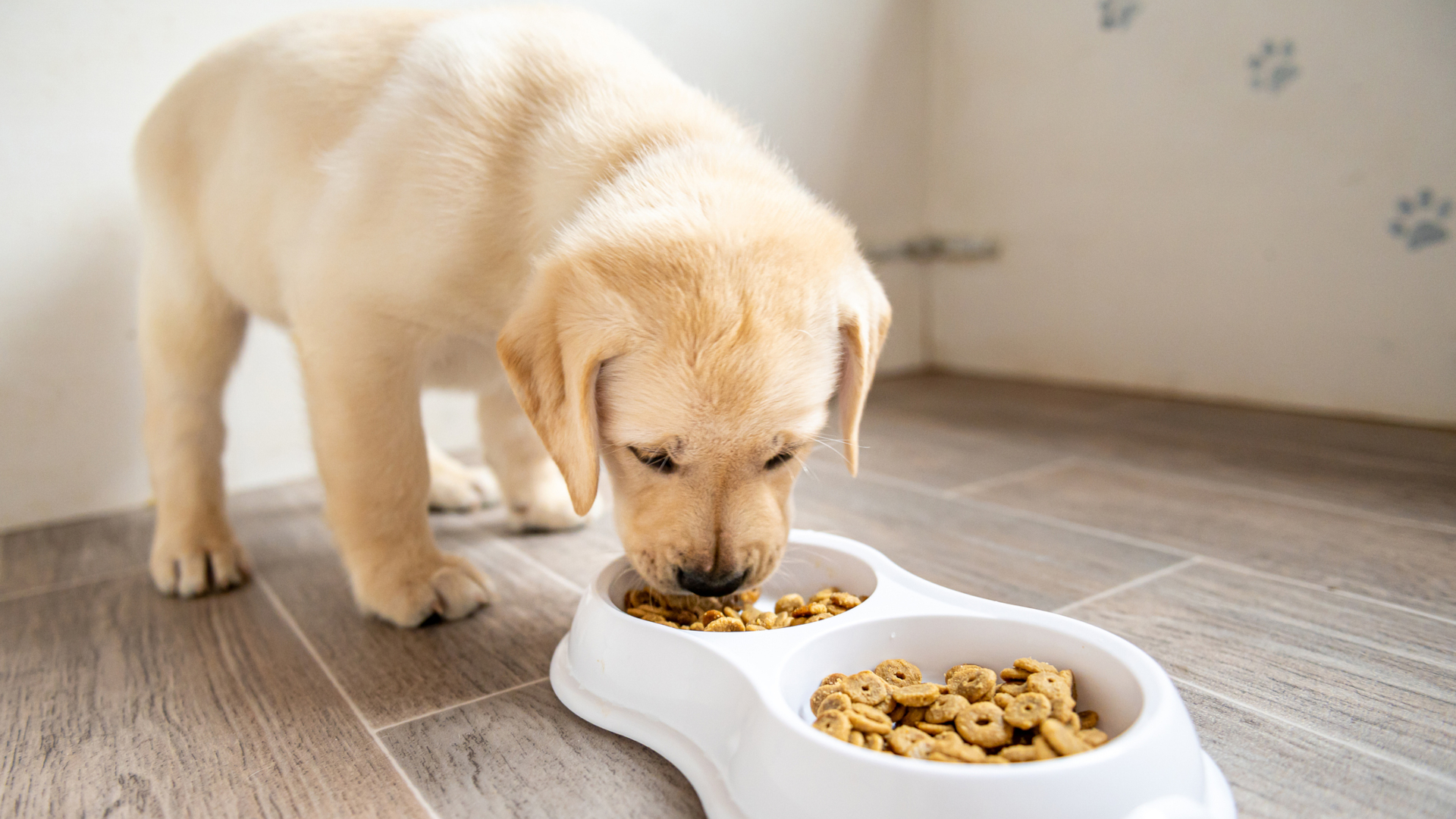
Look for dog foods that are soft and easy to digest. Puppy formulas often work better because they have higher protein and fat content, which can support a growing bird’s energy needs. Wet or canned dog food is usually preferable over dry kibble since it’s easier for the baby bird to eat and absorb.
Chicken-based or grain-free options tend to have fewer fillers and artificial additives. Avoid foods with large chunks or hard pieces that can choke the bird or cause digestive issues.
Avoiding Harmful Ingredients
Check the ingredient list carefully. Stay away from foods containing onion, garlic, chocolate, caffeine, or excessive salt as these are toxic to birds. Artificial preservatives, colors, and flavor enhancers can also upset a baby bird’s sensitive system.
You might be surprised to find that some dog foods contain ingredients safe for dogs but harmful to birds. Always prioritize natural, simple ingredient lists and avoid anything with added sugars or too many chemicals.
Consulting A Veterinarian
Before making dog food a regular part of your baby bird’s diet, talk to an avian vet. They can recommend specific brands or formulations that match the bird’s species and developmental needs. Vets can also guide you on portion sizes and how to gradually introduce new foods.
Your vet’s advice can prevent nutritional deficiencies or health problems down the road. Have you ever tried feeding a baby bird without expert input? It’s a risky move that can be avoided with a quick consultation.
Preparing Dog Food For Baby Birds
Preparing dog food for baby birds requires care and attention. The food must be soft and easy to swallow. It also needs extra nutrients to support their growth. Proper temperature is important to keep the food safe and comfortable for the bird.
Softening And Mixing Techniques
Start by softening dry dog food with warm water. Let it soak until it becomes mushy and easy to handle. Use a fork or spoon to mash the food finely. Avoid lumps to prevent choking. Mixing well ensures the baby bird gets a smooth texture.
Adding Nutritional Supplements
Baby birds need vitamins and minerals beyond basic dog food. Add a small amount of calcium powder or bird-specific supplements. Use liquid vitamins made for birds for easy mixing. This helps the baby bird grow strong and healthy. Consult a vet for exact supplement advice.
Maintaining Proper Temperature
Serve the food warm but not hot. Test the temperature on your wrist before feeding. Cold food can upset the bird’s stomach. Warm food mimics the natural feeding from a parent bird. Keep the food at 38-40°C (100-104°F) for best results.
Feeding Techniques
Feeding a baby bird dog food requires careful attention to technique to ensure it gets the right nutrition safely. The way you feed impacts the bird’s digestion and comfort. Let’s look at the best ways to handle this delicate task.
Proper Feeding Tools
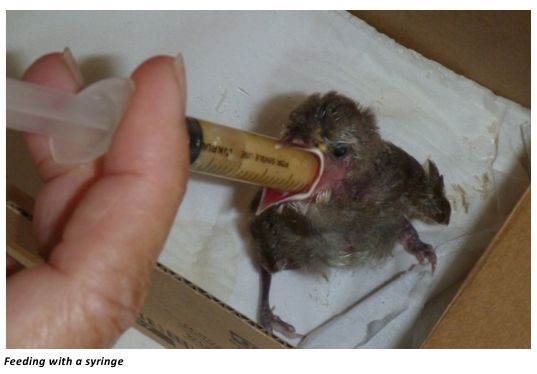
Choose tools that match the baby bird’s size and beak shape. A small syringe or a dropper works well for controlled feeding without overwhelming the bird.
Some people use tweezers or tiny spoons to mimic how parent birds feed. You want tools that let you offer small, manageable bites without risking injury.
Cleanliness matters. Always sterilize your feeding tools before use to prevent infections. Have a soft cloth or tissue ready to gently wipe the bird’s beak after feeding.
Feeding Frequency And Portions
Baby birds have tiny stomachs and need frequent, small meals. Feeding every 2 to 3 hours during the day usually works well.
Start with a size roughly equal to the bird’s eye or beak volume to avoid overfeeding. Watch the bird swallow before offering more to prevent choking.
Adjust portions based on your bird’s growth and activity level. Too little food slows growth; too much can cause digestive issues. Are you observing your bird’s hunger cues carefully?
Monitoring Baby Bird’s Response
Pay close attention to how your baby bird reacts after each feeding. Signs like refusal, choking, or regurgitation indicate you may need to adjust your technique or portion sizes.
Healthy birds will appear alert and energetic between feedings. Track the bird’s weight daily if possible. Sudden weight loss or lethargy means it’s time to rethink your feeding approach.
Remember, feeding is not just about nutrition—it’s about building trust. How does your baby bird respond to your touch and feeding pace? Gentle patience goes a long way.

Credit: www.reuters.com
Signs Of Good Nutrition
Good nutrition is vital for a baby bird’s health and development. It shows in many ways, such as their size, activity, and feather quality. Recognizing these signs helps ensure your bird gets the right food and care.
Healthy Growth Indicators
A well-fed baby bird grows steadily and gains weight. Their body looks full and round, not thin or weak. Check their size against age norms to confirm proper growth. Strong bones and muscles develop with good nutrition.
Active Behavior And Alertness
Healthy baby birds stay lively and curious. They move around eagerly and respond to sounds. Bright eyes and quick reactions show they feel well. Low energy or drowsiness can mean poor nutrition or illness.
Feather Development
Feathers show nutrition clearly. Smooth, shiny feathers mean the bird receives enough vitamins and proteins. Feathers grow evenly without bald spots or breaks. Dull or brittle feathers suggest diet changes are needed.
Common Feeding Challenges
Feeding a baby bird dog food can present several challenges. These challenges often cause worry among pet owners. Understanding these common issues helps ensure the baby bird stays healthy and happy. This section explains the main problems and how to address them.
Refusal To Eat
Baby birds may refuse dog food due to unfamiliar taste or texture. They prefer soft, easy-to-swallow food. Sudden changes in diet can cause rejection. Offering small amounts mixed with familiar food helps. Patience is key; some birds take time to accept new food.
Digestive Issues
Dog food is not designed for birds and may cause digestive problems. Symptoms include diarrhea, vomiting, or lethargy. Monitor the bird closely after feeding. Providing fresh water aids digestion. Consult a vet if symptoms persist or worsen.
Adjusting Feeding Methods
Baby birds need gentle feeding techniques. Use a small spoon or syringe for better control. Feed slowly to avoid choking. Warm the food slightly to mimic natural feeding. Regularly clean feeding tools to prevent infections. Adjust feeding frequency based on the bird’s age and health.

Credit: www.reddit.com
Transitioning To Natural Diets
Transitioning your baby bird from dog food to a natural diet is a crucial step for its health and development. This process needs care and attention to make sure your bird adapts well without stress. Let’s look at how you can do this smoothly and safely.
Timing The Transition
Choosing the right time to start the transition affects how well your baby bird accepts new foods. Begin when the bird is strong enough and showing interest in solid foods, usually around 3 to 4 weeks old.
Watch for signs like pecking at food or curiosity about what you eat. Avoid rushing; a slow and steady change helps prevent digestive upset and encourages natural eating habits.
Introducing Seeds And Insects
Seeds and insects form the backbone of many birds’ natural diets. Start by mixing small amounts of finely chopped insects and seeds with the dog food to create a familiar texture.
Gradually increase the amount of natural ingredients over several days. You can offer mealworms, crickets, or soft seeds like millet, which are easy to digest and packed with nutrients.
Balancing Nutrition
Ensuring your baby bird gets a balanced diet during this transition is key to its growth. Keep a mix of protein from insects and carbohydrates from seeds, along with fresh water available at all times.
Consider adding calcium sources like crushed eggshells or cuttlebone to support bone development. Are you ready to adjust portions based on your bird’s response and energy levels? This attention will help you spot any dietary gaps early on.
Safety And Hygiene Tips
Feeding a baby bird dog food requires more than just choosing the right type—it demands strict attention to safety and hygiene. Ensuring the feeding process is clean and safe protects the fragile health of the bird and prevents illnesses. Let’s dive into practical tips that help you keep everything sanitary while caring for your feathered friend.
Cleaning Feeding Equipment
Always wash bowls, spoons, and containers after each feeding session. Use hot water and mild soap to remove all food residues. Rinse thoroughly to avoid any soap traces that could harm the baby bird.
Consider using a small brush to reach tight corners or edges. Dry the equipment completely before the next use to prevent mold growth. Have a dedicated set of feeding tools only for the baby bird to avoid cross-contamination.
Avoiding Contamination
Keep the feeding area clean and free from dirt, dust, and pet hair. Avoid placing the food near places where other pets eat or roam. This reduces the risk of bacteria transfer.
Store dog food in airtight containers to maintain freshness and prevent pests. Check the expiration date regularly and discard any stale or spoiled food immediately. Would you risk feeding a baby bird with questionable food? It’s always better to be safe than sorry.
Safe Handling Practices
Wash your hands before and after feeding the baby bird. This simple step reduces the chance of spreading germs. Avoid touching your face or other surfaces during feeding to maintain hygiene.
Use clean utensils instead of your fingers to feed. If you notice any changes in the bird’s behavior or health, stop feeding and consult a vet. Your careful handling can make a big difference in the baby bird’s recovery and growth.
Frequently Asked Questions
Can Baby Birds Safely Eat Dog Food?
Yes, baby birds can eat dog food temporarily. It provides protein but lacks essential nutrients birds need. Use it only as a short-term solution, not a long-term diet.
How To Prepare Dog Food For Baby Birds?
Soften dry dog food with warm water or baby bird formula. Mash it into a paste to make swallowing easier for the bird.
What Nutrients Does Dog Food Provide Baby Birds?
Dog food supplies protein and fats that support growth. However, it misses vital vitamins and minerals specific to birds’ needs.
When Should I Stop Feeding Dog Food To Baby Birds?
Stop once the bird can eat natural foods independently. Transition gradually to seeds, insects, or bird-specific diets for healthy development.
Conclusion
Feeding baby birds dog food can be a simple task. Ensure the food is moist and easy to swallow. Watch the bird’s reactions and adjust portions if needed. Always keep the feeding area clean to prevent infections. Consult a vet if you’re uncertain about the bird’s needs.
With care and attention, you can help the baby bird grow strong. Remember, patience is key. Every bird is different, so observe and learn. Your efforts will make a difference in the bird’s development.