
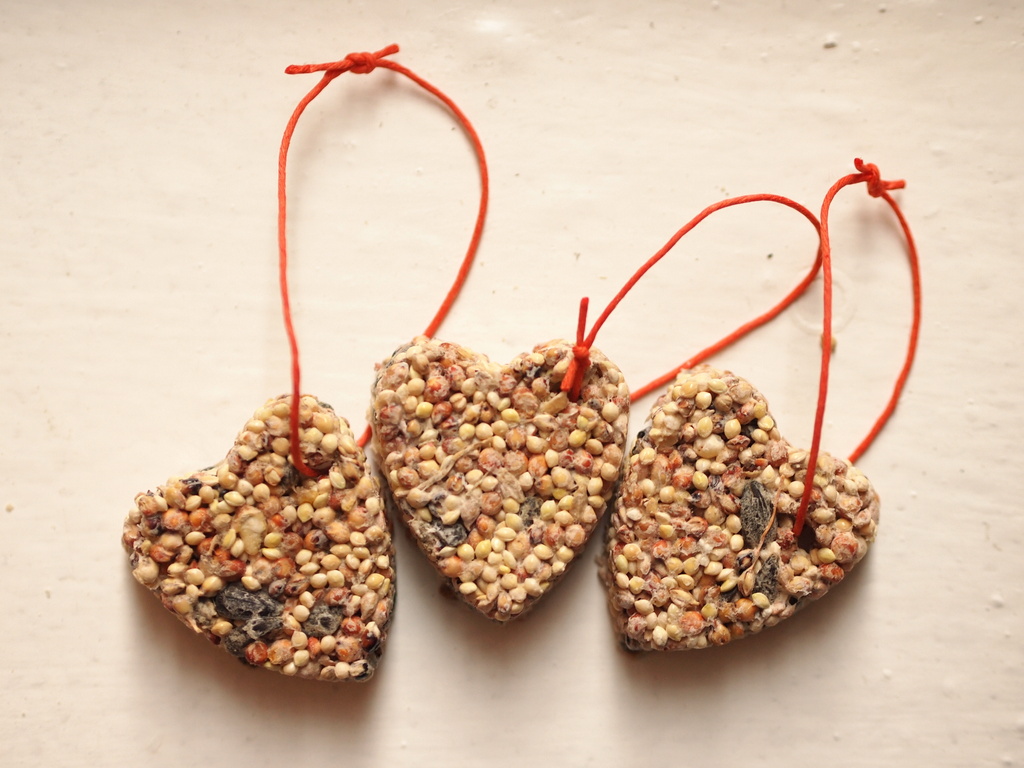
Have you ever wanted to bring more birds to your backyard while adding a touch of charm? Making a heart-shaped bird feeder is a simple and fun way to do just that.
Not only will you create a cozy spot for your feathered friends, but you’ll also enjoy the satisfaction of building something beautiful with your own hands. Keep reading, and you’ll discover easy steps and tips to make a heart bird feeder that stands out—and keeps the birds coming back!

Credit: www.pinkstripeysocks.com
Materials Needed
Gathering the right materials makes building a heart bird feeder easy and fun. Choose simple items that suit your style and budget.
Using basic supplies ensures the feeder is sturdy and safe for birds. Optional decorations add charm and personalize your project.
Basic Supplies
- Cardboard or wood board (for the heart shape base)
- Scissors or craft knife (to cut the shape)
- Non-toxic glue or hot glue gun (to assemble parts)
- String or twine (for hanging the feeder)
- Birdseed (to fill the feeder)
- Paint (optional, for base color)
- Plastic tray or shallow dish (to hold seeds)
Optional Decorations
- Colored markers or crayons (for drawing details)
- Stickers (bird or nature-themed)
- Glitter (use sparingly and safely)
- Small wooden shapes (like stars or flowers)
- Ribbon or lace (to make it pretty)
- Natural elements like pinecones or leaves
Choosing The Right Location
Choosing the right location for your heart bird feeder is key to attracting birds safely. The spot must protect them from predators and harsh weather. It also needs to be easy for birds to find and use. Picking a perfect place helps you enjoy watching birds up close and keeps them happy.
Safe Spots For Birds
Birds need safety above all. Place the feeder near trees or bushes. These provide quick shelter from cats or hawks. Avoid open areas where birds feel exposed. Keep feeders at least 5 feet off the ground. This prevents ground predators from reaching the birds. Also, stay away from busy human paths or noisy spots. Quiet areas make birds feel calm and secure.
Visibility And Access
Your heart bird feeder should be easy for birds to see and reach. Bright colors or simple shapes catch their attention. Place the feeder where birds fly often. Near flowering plants or water sources works well. Make sure branches or wires nearby don’t block access. Birds need clear flight paths to land and take off. Also, check the feeder from your window or garden seat. Good visibility lets you watch birds without disturbing them.
Step-by-step Assembly
Creating a heart-shaped bird feeder is a fun and simple project. Follow these clear steps to build your feeder with ease. Each part fits together to make a charming home for birds. Gather your materials and tools before starting.
Cutting The Heart Shape
Begin by selecting a sturdy piece of wood or thick cardboard. Draw a large heart shape on the material using a pencil. Use a jigsaw or scissors to carefully cut along the outline. Smooth the edges with sandpaper for safety. Make two identical heart shapes for the front and back.
Assembling The Feeder
Place the two heart shapes parallel to each other. Use small wooden sticks or dowels as perches and spacers. Attach the sticks between the hearts, spacing them evenly. Secure everything with wood glue or strong adhesive. Let the glue dry fully to ensure stability.
Adding The Hanging Mechanism
Choose a durable string, twine, or wire for hanging. Attach it to the top of the heart by drilling small holes. Thread the string through the holes and tie secure knots. Check the hanging strength before placing the feeder outside. Your heart bird feeder is now ready to hang.
Decorating Your Feeder
Decorating your heart bird feeder is where your creativity truly takes flight. This step lets you personalize your feeder and make it a charming addition to your outdoor space. The right decoration not only attracts birds but also withstands the outdoor elements, keeping your feeder looking great through every season.
Painting Ideas
Choosing the right paint colors can make your feeder pop and catch the attention of birds. Bright colors like red, yellow, and blue tend to attract more birds, while softer pastels blend beautifully with garden surroundings.
Try using non-toxic acrylic paints to keep the feeder safe for wildlife. You can add patterns like polka dots, stripes, or even little bird shapes to give it a unique touch. If you want a natural look, consider earthy tones like greens and browns.
Have you ever noticed how certain colors draw birds more than others? Testing different paint styles might reveal what your local birds prefer!
Weatherproofing Tips
Once your paint is dry, protecting your feeder from rain and sun is essential to keep it looking fresh. Apply a clear, non-toxic waterproof sealant to shield the paint and wood from moisture and fading.
Make sure the sealant is safe for birds by checking product labels carefully. Reapply the sealant every few months, especially if you see the paint starting to chip or wear off.
Placing your feeder in a shaded spot can also reduce weather damage. How often do you inspect your outdoor decorations to keep them in top shape?
Filling And Maintaining
Filling and maintaining your heart bird feeder keeps birds happy and healthy. Proper care ensures the feeder stays attractive and safe. Fresh seed and regular cleaning invite more birds to visit.
Best Birdseed Choices
Choose seeds that attract many birds and suit local species. Black oil sunflower seeds are popular for most birds. They have thin shells and lots of nutrition. Millet and cracked corn work well for ground feeders. Avoid seeds with fillers like red millet or oats. These seeds waste space and do not attract many birds. Mix seeds for variety and better feeding options.
- Black oil sunflower seeds
- Millet
- Cracked corn
- Safflower seeds
- Nyjer seeds for finches
Cleaning And Upkeep
Clean the feeder every two weeks to prevent mold and disease. Use warm water and mild soap to wash it. Avoid harsh chemicals that can harm birds. Rinse thoroughly and dry before refilling. Check the feeder for damage or mold regularly. Remove old or wet seed to keep the feeder fresh. Keep the area under the feeder clean to stop pests.

Credit: www.uncommongoods.com
Encouraging Birds To Visit
Encouraging birds to visit your heart-shaped bird feeder is key to creating a lively, colorful backyard scene. Simply hanging the feeder is not enough; you need to think about what attracts different birds and how the seasons influence their feeding habits. Understanding these details helps you enjoy more frequent and diverse visits from feathered friends.
Attracting Different Species
Different birds prefer different types of food. Offering a variety of seeds like sunflower, millet, and nyjer can bring in a range of species from finches to cardinals.
Water sources nearby can also encourage visits. Birds often look for a safe place to drink and bathe close to their feeding spot.
Think about the location of your feeder too. Placing it near shrubs or trees gives birds a quick escape route from predators, making them feel safer and more likely to return.
Seasonal Tips
Feeding needs change with the seasons. In winter, high-energy foods like suet and peanuts help birds survive cold nights. During spring and summer, fruit and nectar attract hummingbirds and orioles.
Adjust your feeder’s position based on seasonal sun and wind patterns. In colder months, a sunny spot can keep the feeder from freezing, while in hot weather, shade protects the food and birds.
Have you noticed how your garden changes through the year? Matching your feeder setup to these changes makes your bird visitors feel right at home all year long.

Credit: www.fatfinch.com
Frequently Asked Questions
How Do I Make A Heart Bird Feeder At Home?
To make a heart bird feeder, gather materials like birdseed, peanut butter, and a heart-shaped mold. Spread peanut butter inside the mold, fill it with birdseed, press firmly, and let it dry. Hang it outside for birds to enjoy.
What Materials Are Needed For A Heart Bird Feeder?
You need birdseed, peanut butter or suet, a heart-shaped mold or cookie cutter, string or twine, and a flat surface for drying. These simple materials create a fun and attractive feeder for birds in your garden.
How Can I Hang The Heart Bird Feeder Safely?
Attach a string or twine through a hole in the heart feeder. Hang it from a tree branch or hook at least five feet above the ground to protect birds from predators and keep the feeder stable.
How Long Does A Heart Bird Feeder Last Outdoors?
The feeder lasts about one to two weeks outdoors, depending on weather and bird activity. Replace it once it becomes soggy or depleted to ensure fresh food for visiting birds.
Conclusion
Creating a heart bird feeder is simple and fun. It brings joy to your garden. Birds will love the new feeding spot. Plus, it’s a great way to recycle. You can involve kids in this easy project. They will learn about nature and birds.
Watching birds gather is relaxing. It also supports wildlife in your area. Remember to clean the feeder regularly. Keep the birds happy and healthy. Try different seeds to attract various birds. Enjoy the beauty and melody of nature in your backyard.