
Have you ever wondered if you can share your favorite breakfast snack with the birds outside your window? Cheerios are a common cereal in many homes, and it might seem natural to toss a few to the feathered visitors.
But is feeding Cheerios to birds really safe? Before you sprinkle those little rings in your backyard, it’s important to know what’s best for your feathered friends. Keep reading to discover the surprising facts about Cheerios and birds—and how you can help them stay healthy and happy.
Are Cheerios Safe For Birds
Many bird lovers wonder if Cheerios are safe for their feathered friends. Knowing what Cheerios contain helps decide if they are a good snack for birds. Safety depends on ingredients, nutrition, and possible risks.
Ingredients In Cheerios
Cheerios mainly include whole grain oats. Other ingredients are sugar, salt, and vitamins. Some varieties may have added flavors or preservatives. The simple base of oats is generally safe for birds in small amounts.
Nutritional Value For Birds
- Whole grain oats provide fiber and energy.
- Vitamins like B and iron support bird health.
- Low fat content suits most bird species.
- Minimal sugar and salt compared to other cereals.
Cheerios offer some nutrition but lack protein and essential fats birds need daily.
Potential Risks
- High salt or sugar versions can harm birds.
- Overfeeding may cause obesity or digestive issues.
- Flavored Cheerios contain additives unsafe for birds.
- Choking risk with large or hard pieces.
Always offer Cheerios in moderation and choose plain, unsweetened types. Avoid using them as a main food source.

Credit: www.reddit.com
Which Birds Can Eat Cheerios
Wondering which birds actually enjoy Cheerios? Not all birds have the same taste or dietary needs, so knowing which species can safely eat Cheerios helps you feed your feathered friends without harm. Let’s look at who benefits from this popular snack and who should avoid it.
Common Backyard Birds
Many backyard birds happily munch on Cheerios. These birds are often seen at feeders and will appreciate the easy snack you provide.
- Finches:These small, active birds enjoy small, light snacks like Cheerios. They can peck at them easily.
- Chickadees:Curious and bold, chickadees often try new foods. Cheerios are soft enough for them to handle.
- Sparrows:These adaptable birds will eat Cheerios, treating them as a quick energy boost.
- Blue Jays:Larger and stronger, blue jays can eat Cheerios with ease and often visit feeders in groups.
- Wrens:Cheerios suit their small size and quick pecking style.
Feeding these birds Cheerios can be a fun way to watch them interact. Have you noticed how some birds prefer Cheerios over seeds? Their behavior can tell you a lot about their preferences and needs.
Species To Avoid Feeding
Not all birds should eat Cheerios. Some species have very specific diets and might even be harmed by processed foods.
- Hummingbirds:These tiny birds need nectar and insects. Cheerios offer no nutritional value for them.
- Birds of prey:Hawks and owls require meat and should never be fed Cheerios.
- Waterfowl:Ducks and geese can suffer digestive issues if fed processed human foods like Cheerios.
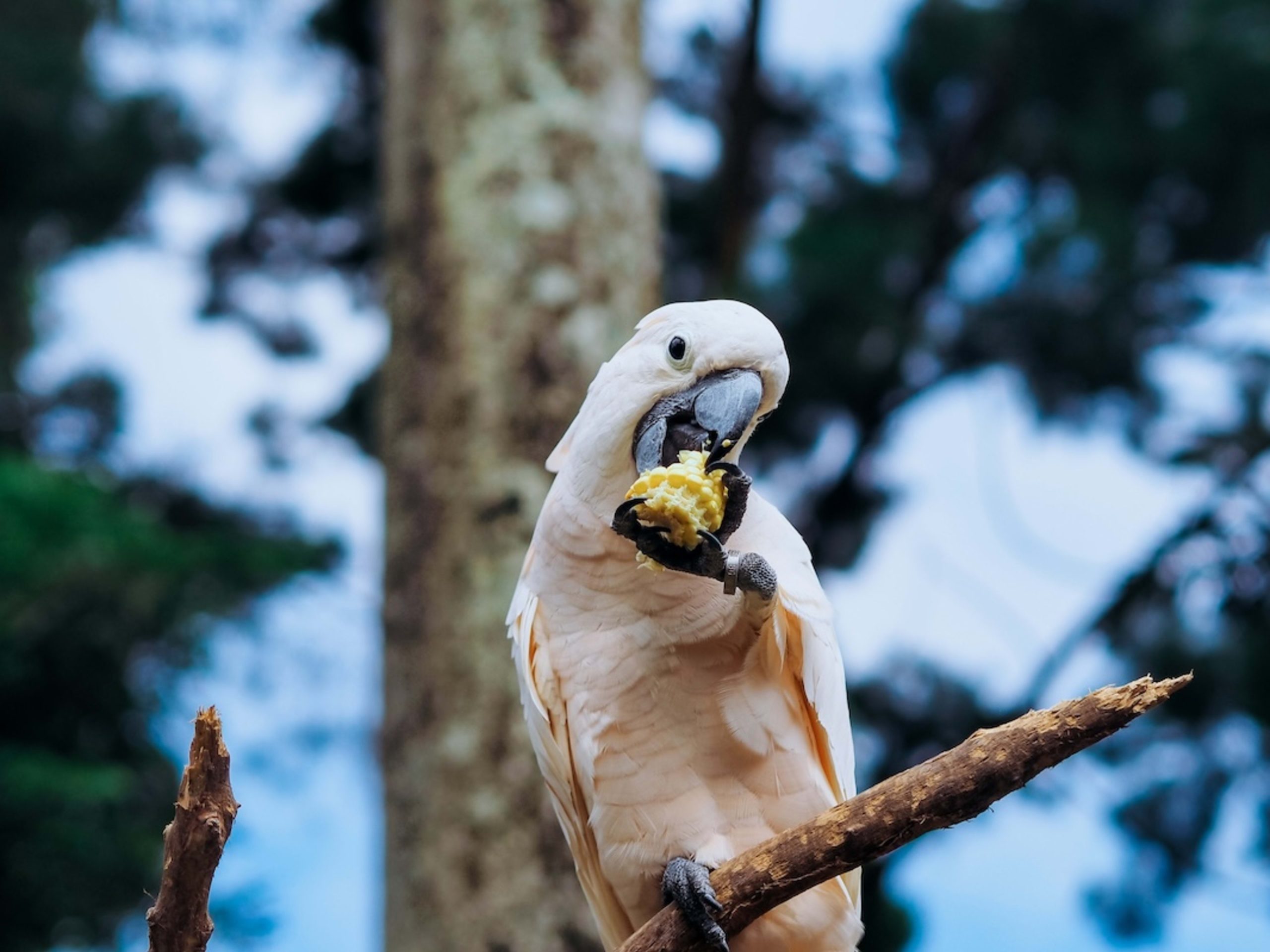
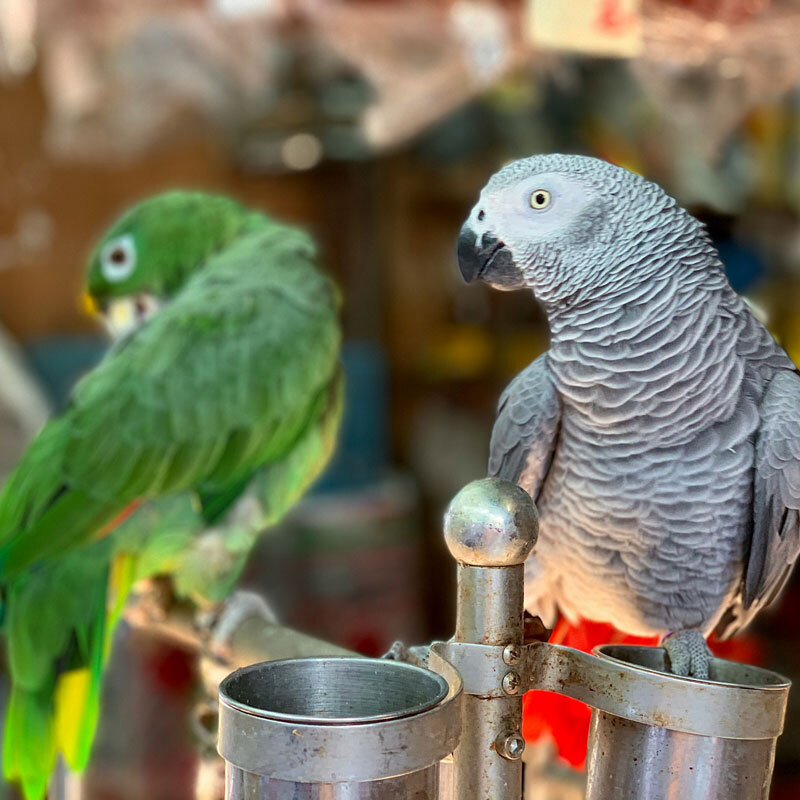
- Parrots and exotic birds:Their dietary needs are complex, and Cheerios lack essential nutrients they require.
Feeding inappropriate foods can cause more harm than good. Have you ever wondered if your favorite wild bird is truly benefitting from what you offer? Being selective helps protect their health and supports their natural diet.
How To Feed Cheerios To Birds
Feeding Cheerios to birds can be a fun way to observe wildlife up close. Birds enjoy the crunchy texture and mild flavor. It is important to offer Cheerios safely and in the right amounts. Proper feeding helps birds stay healthy and prevents waste.
Portion Size Tips
Offer small amounts of Cheerios to avoid overfeeding. A handful or a small pile works well for most birds. Spread Cheerios out to prevent crowding. Too many can cause birds to ignore natural foods. Change portions based on bird activity and season.
Best Feeding Practices
- Place Cheerios on a flat surface or bird feeder tray.
- Feed in quiet, low-traffic areas to reduce stress.
- Use fresh Cheerios only, without added sugar or flavors.
- Mix Cheerios with other bird foods like seeds or fruits.
- Clean feeding spots regularly to keep birds safe.
Avoiding Mold And Spoilage
Remove uneaten Cheerios daily to stop mold growth. Mold can harm birds and cause illness. Store Cheerios in a dry, cool place before feeding. Avoid feeding Cheerios in wet or rainy weather. Use feeders with good drainage to keep Cheerios dry.
Surprising Facts About Birds And Cheerios
Birds and Cheerios might seem like an unusual match, but there are some surprising facts about how these common breakfast cereals interact with our feathered friends. Understanding this relationship can help you decide if Cheerios are a good treat for the birds visiting your backyard. Let’s look closer at what birds really think about Cheerios and how it compares to their natural diet.
Bird Preferences For Grains
Birds have distinct tastes when it comes to grains. While many enjoy seeds like sunflower or millet, some species are curious about cereals like Cheerios.
Cheerios are made primarily from oats, which some birds find appealing because oats are a natural grain. However, preferences vary widely—finches may prefer tiny seeds, while larger birds might go for bigger grains or nuts.
Have you noticed certain birds ignoring Cheerios while others happily peck away? This shows how important it is to observe and learn which grains your local birds favor.
Cheerios Vs. Natural Bird Food
Cheerios are low in sugar and salt, making them safer than many processed snacks. Still, they lack the nutrients found in natural bird foods like seeds, nuts, and berries.
Natural foods provide essential fats, proteins, and vitamins that Cheerios cannot match. Feeding birds mostly Cheerios might fill their stomachs but won’t support their health in the long run.
Think about what you want for your birds: a quick snack or a nutritious meal? Using Cheerios occasionally as a treat can be fun, but natural foods should remain the staple.
Bird Behavior Around Cheerios
Birds often approach Cheerios with curiosity rather than enthusiasm. Some might pick them up and drop them repeatedly, testing if they’re edible.
In my experience, birds like sparrows and chickadees sometimes nibble on Cheerios but never make them their main food source. This behavior suggests Cheerios are more of a novelty than a favorite.
Observing these behaviors can help you decide if Cheerios are worth adding to your bird feeding routine. Are you ready to watch your birds’ reactions firsthand?
Alternatives To Cheerios For Bird Feeding
If you’re wondering about alternatives to feeding Cheerios to birds, you’re not alone. While Cheerios are often used as a quick snack for backyard birds, there are much healthier and more nutritious options available that can better support their well-being.
Choosing the right foods can make a big difference in attracting a variety of bird species and keeping them energized through the seasons. Let’s take a closer look at some practical and easy-to-find alternatives that you can start offering today.
Healthy Birdseed Options
Birdseed mixes designed specifically for wild birds often contain a balanced blend of seeds that birds love. Black oil sunflower seeds are a top favorite—they are rich in fat and easy for birds to crack open.
Other excellent choices include millet, safflower, and nyjer seeds. Each offers different nutritional benefits and attracts different types of birds. For example, nyjer seed attracts finches, while safflower is great for cardinals.
Keep in mind that fresh seeds will always be more appealing to birds than old or moldy ones. You might want to try small batches of different seeds to see which your backyard visitors prefer.
Homemade Bird Treats
Making your own bird treats can be both fun and rewarding. You can control the ingredients to ensure they are healthy and safe for the birds.
Try mixing natural peanut butter with crushed unsalted nuts and oats. Form small balls or spread the mixture on pine cones, then hang them outside. Birds like chickadees and woodpeckers especially enjoy these protein-packed snacks.
Another simple treat is soaked raisins or chopped unsweetened dried fruits. These provide natural sugars and moisture that can be beneficial during cold months. What homemade treat could you create with ingredients you already have at home?
Credit: lafeber.com
Credit: lafeber.com
Frequently Asked Questions
Can Birds Safely Eat Cheerios?
Yes, birds can safely eat plain Cheerios in moderation. They provide carbs but lack essential nutrients birds need. Avoid flavored or sweetened varieties to keep birds healthy.
Are Cheerios Nutritious For Wild Birds?
Cheerios offer limited nutrition for wild birds. They contain carbs but lack proteins, fats, vitamins, and minerals needed for balanced bird diets. Use Cheerios only as occasional treats alongside natural foods.
How Should I Feed Cheerios To Birds?
Break Cheerios into small pieces before feeding. Scatter them on bird feeders or ground to attract birds. Always provide fresh water and avoid overfeeding to prevent dependency.
Can Cheerios Harm Birds In Any Way?
Plain Cheerios are generally safe but overfeeding may cause nutritional imbalance. Avoid flavored Cheerios with sugars or additives, as they can harm birds. Always prioritize natural seeds and grains.
Conclusion
Feeding Cheerios to birds is not the best choice. Though birds might eat them, Cheerios lack essential nutrients. Natural food sources are better. Seeds, fruits, and insects offer more benefits. Birds need a balanced diet for good health. Consider healthier options when feeding them.
Providing the right food helps birds thrive. Enjoy watching them in their natural habitat. Your care and attention can make a difference. Always prioritize their well-being and natural diet.