
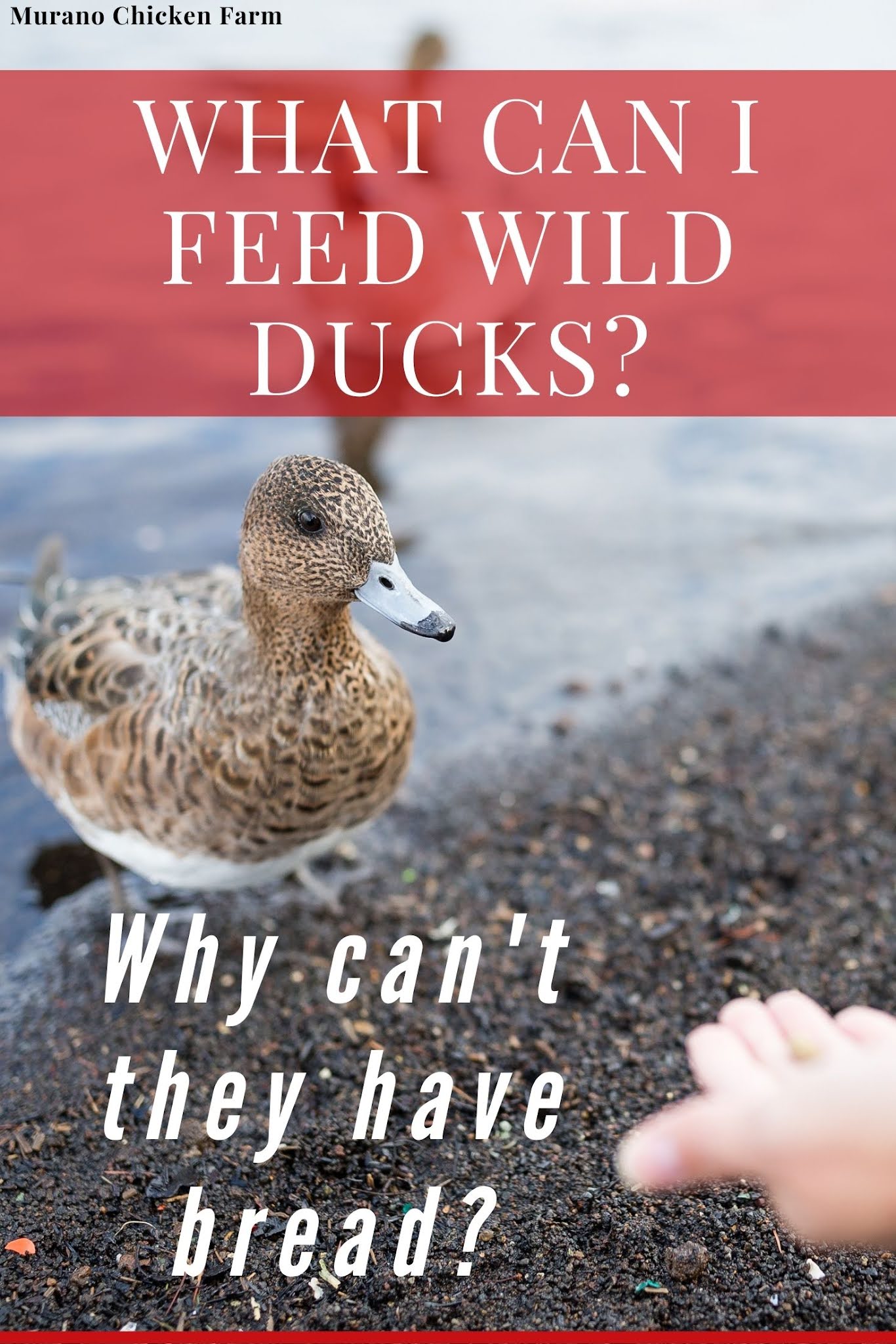
Have you ever found yourself tossing crumbs to wild birds in your backyard? It feels like a simple way to connect with nature and bring a little joy to your day.
But have you ever stopped to wonder if feeding bread to wild birds is actually okay? You might be surprised to learn that what seems like a harmless treat could do more harm than good. You’ll discover the truth about bread and wild birds—and learn how to make sure your kindness really helps them thrive.
Keep reading to find out what you should do next time you want to share a snack with your feathered friends.

Credit: www.wildlifenomads.com
Why People Feed Bread To Birds
Many people enjoy feeding bread to wild birds. It feels like a kind and simple way to help animals. Feeding birds creates a connection with nature. It also provides a fun activity for families and children. People often see it as a way to care for birds during cold months.
People believe bread is safe and easy to share. It is a common food found in most homes. This makes bread a popular choice for feeding birds in parks and backyards.
Common Reasons For Feeding
- To feel closer to wildlife and nature.
- To help birds find food during winter.
- As a relaxing outdoor activity.
- To teach children about animals and kindness.
- Because birds often gather where people feed them.
Bread As An Accessible Food
Bread is cheap and easy to find. People often use leftover bread rather than waste it. It breaks into small pieces that birds can eat. Many think it is harmless and nutritious for birds.
Its softness makes it easy for birds to swallow. Bread does not require special preparation. This convenience encourages more people to feed it to birds.

Credit: www.wildlifenomads.com
Nutritional Value Of Bread For Birds
Bread is a common food given to wild birds, but its nutritional value is often misunderstood. Birds need a balanced diet to stay healthy. Bread provides some energy but lacks many essential nutrients. Understanding what bread offers helps us decide if it is suitable for wild birds.
Basic Nutrient Content
Bread mainly contains carbohydrates, which give birds quick energy. It has small amounts of protein and fat. Most breads are low in vitamins and minerals that birds need. White bread has fewer nutrients than whole grain bread. Bread also contains a lot of water when fresh, which can fill a bird’s stomach without much nutrition.
- Carbohydrates: Main source of energy
- Protein: Low levels, less than natural bird food
- Fat: Minimal, important for warmth and energy
- Vitamins and minerals: Very limited in bread
- Water content: High in fresh bread, low in dry bread
Comparison With Natural Bird Food
Natural bird food like seeds, nuts, and insects offer balanced nutrition. They contain proteins, fats, vitamins, and minerals in needed amounts. Seeds are rich in fats and protein. Insects provide high protein and essential amino acids. Fruits supply vitamins and antioxidants. Bread cannot replace these foods for birds’ health.
| Nutrient | Bread | Natural Bird Food |
|---|---|---|
| Protein | Low | High |
| Fat | Minimal | Moderate to High |
| Vitamins | Low | Varies, often high |
| Minerals | Low | Varies, often sufficient |
| Energy | Moderate | High |
Potential Health Risks
Feeding bread to wild birds may seem harmless but it carries several health risks. Bread lacks important nutrients that birds need to thrive. It can cause problems in their digestion and overall wellbeing. Observing these risks helps us make better choices for feeding wild birds.
Digestive Issues
Bread is difficult for birds to digest. It swells in their stomachs and causes discomfort. Eating too much bread can lead to bloating and blockages. Birds may also suffer from diarrhea or other stomach problems. These digestive issues can weaken birds and make them more vulnerable to illness.
Nutrient Deficiencies
Bread offers little nutritional value. It is mostly empty carbohydrates without essential vitamins or minerals. Birds need seeds, fruits, and insects for a balanced diet. Relying on bread reduces their intake of vital nutrients. This causes poor feather growth, weak bones, and low energy. Over time, nutrient deficiency harms their health and survival chances.
Impact On Bird Behavior
Feeding bread changes bird behavior in negative ways. Birds may become dependent on human food. This reduces their natural foraging skills and survival instincts. Large groups gather in one spot, increasing competition and stress. Crowding also spreads diseases quickly. These changes disturb the natural balance of bird populations.
Environmental Consequences
Feeding bread to wild birds can cause several environmental problems. These issues affect water, other animals, and the natural balance. Understanding these effects helps us protect nature better.
Water Pollution From Leftover Bread
Leftover bread often falls into ponds or lakes. It breaks down and releases nutrients into the water. These nutrients cause algae to grow too fast. Algae block sunlight and use oxygen needed by fish and plants. This process, called eutrophication, harms water quality and wildlife.
Attracting Pests And Predators
Bread scraps attract more than birds. Rats, mice, and insects come to feast on leftovers. These pests can spread diseases and disturb the local area. Predators like foxes or raccoons may follow the pests. This upsets the natural balance and can harm smaller animals.
Safer Alternatives To Bread
Bread is a common food given to wild birds, but it lacks real nutrients. It can fill their stomachs yet leave them hungry for important vitamins and minerals. There are better options that provide energy and health benefits for birds. These safer alternatives help birds thrive and support their natural diet.
Seeds And Grains
Seeds and grains offer essential nutrients for many bird species. Sunflower seeds, millet, and cracked corn are favorites. These foods provide fats and proteins that birds need for energy. Avoid salted or flavored seeds to keep birds healthy.
Fruits And Vegetables
Fresh fruits and vegetables supply vitamins and hydration. Small pieces of apple, berries, and grapes attract many birds. Carrots, peas, and leafy greens also work well. Always cut food into bite-size pieces to prevent choking.
Specialized Bird Food
Store-bought bird food mixes cater to specific bird types. These blends balance nutrients carefully for wild birds. Look for quality brands without fillers or artificial ingredients. Using specialized food supports birds’ immune systems and growth.

Credit: www.reddit.com
Tips For Responsible Bird Feeding
Feeding wild birds can be a joyful activity. It helps birds find food and brings nature closer to you. Responsible feeding protects birds’ health and the environment. Follow simple tips to feed birds safely and kindly.
Careful feeding supports bird wellbeing and prevents harm. Knowing the right ways to feed keeps birds healthy and active. Let’s explore key tips for responsible bird feeding.
Proper Feeding Techniques
Use bird feeders designed for specific bird types. Place food on flat surfaces or in feeders away from predators. Keep feeding areas clean to avoid disease. Offer natural foods like seeds, nuts, and fruits. Avoid bread as it lacks nutrients and can harm birds.
Change food regularly to keep it fresh. Use fresh water nearby for drinking and bathing. Watch birds feed quietly without disturbing their natural habits.
Avoiding Overfeeding
Feed birds in small amounts to prevent waste and dependency. Overfeeding can cause birds to rely on humans. It may also attract pests and predators. Spread food in different spots to reduce crowding. Remove leftover food daily to keep the area clean.
Feed only enough to support birds, not replace natural foraging. This helps birds stay healthy and active in the wild.
Seasonal Considerations
Feed birds more during cold months when food is scarce. In spring and summer, birds find food easily and need less help. Avoid feeding during molting seasons to prevent stress. Adjust feeding amounts based on weather and bird activity.
Remove feeders in warm months if mold or pests become a problem. Seasonal care ensures birds get the right support at the right time.
Frequently Asked Questions
Is Feeding Bread To Wild Birds Safe?
Feeding bread to wild birds is generally not safe. Bread lacks essential nutrients birds need. It can cause malnutrition and health problems. Moldy bread also poses risks. Instead, offer seeds, grains, or fruits to support birds’ health.
Why Is Bread Harmful To Wild Birds?
Bread contains mostly carbohydrates and little nutrition. It can fill birds’ stomachs but not nourish them. Regular bread feeding leads to poor growth and weakened immunity. Moldy bread can cause fungal infections. Avoid bread to protect wild birds’ wellbeing.
What Are Better Alternatives To Bread For Birds?
Better alternatives include seeds, nuts, fruits, and insects. These provide necessary proteins, fats, and vitamins. Sunflower seeds, millet, and chopped apples are great options. Offering diverse natural foods helps wild birds thrive and stay healthy.
Can Bread Cause Diseases In Wild Birds?
Yes, bread can cause diseases in wild birds. Moldy bread promotes fungal infections. Unbalanced diets weaken birds’ immune systems. Feeding bread often leads to bacterial infections and deformities. Avoid bread to reduce disease risk in wild bird populations.
Conclusion
Feeding bread to wild birds isn’t the best choice. It lacks nutrients. Birds need varied diets for health. Seeds, fruits, and insects work better. Bread can harm birds’ digestion. Also, it attracts pests. Feeding them wisely supports their well-being. Observing birds in nature is rewarding.
Choose nutritious options instead. This helps maintain a balanced ecosystem. Enjoy the beauty of birds without bread. They thrive with healthier food. Your small effort makes a big impact. Keep nature’s winged wonders flourishing. Choose wisely. Let’s protect and cherish our feathered friends.