
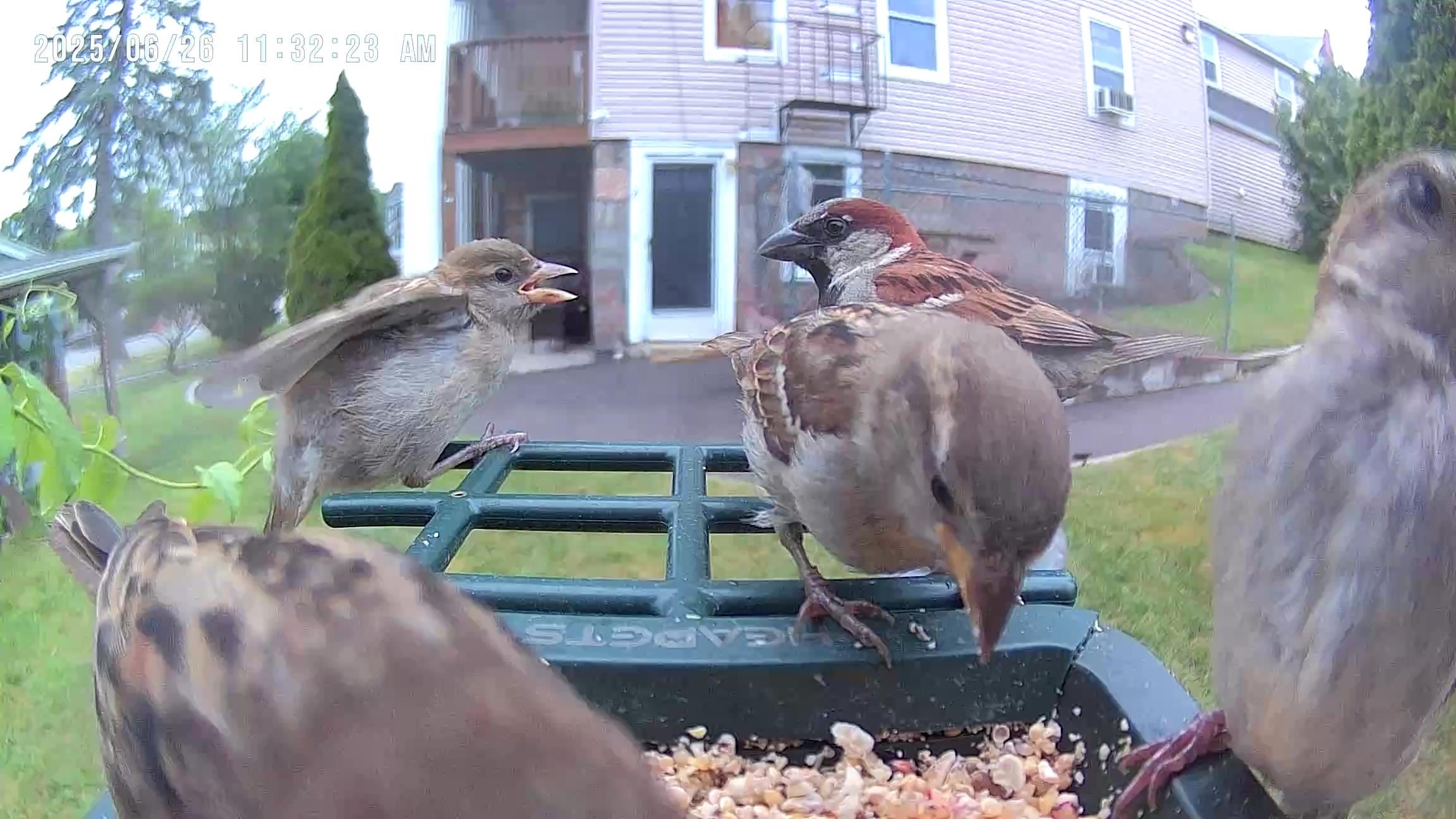
Have you ever found yourself standing by the window, eagerly watching a new bird feeder, hoping to see colorful birds come and visit? That moment of waiting is filled with excitement and curiosity.
You want to know which birds will find your feeder first and how they’ll enjoy the fresh seeds. You’ll discover simple tips to attract more birds, learn what makes a bird feeder truly inviting, and understand why that wait can be the most rewarding part of the experience.
Stay with me, and soon your garden will be alive with fluttering wings and cheerful chirps.

Credit: www.reddit.com
Setting Up The New Feeder
Setting up a new bird feeder is exciting. It creates a little haven for birds right outside your window. To attract the most visitors, the setup needs thought and care. Each detail affects how soon birds come to feed.
The process starts with finding the right place. Next, choose seeds that birds love. Finally, prepare the feeder so it is clean and inviting. These steps help create a welcoming spot for feathered friends.
Choosing The Perfect Spot
Pick a location visible from your favorite seat. A quiet place keeps birds feeling safe. Avoid spots near busy roads or loud noises. Place the feeder near trees or shrubs for shelter. Sunlight helps seeds stay dry and fresh. Check the spot often to keep it clean.
Selecting The Right Seeds
Different birds like different seeds. Black oil sunflower seeds attract many bird types. Nyjer seeds are great for small finches. Mixed seed blends bring a variety of birds. Avoid cheap blends with many fillers. Fresh seeds make birds come back often.
Preparing The Feeder For Arrival
Wash the feeder with warm soapy water before use. Rinse well to remove all soap. Dry the feeder completely to prevent mold. Fill it with chosen seeds, not too full. Check for damage or sharp edges that may harm birds. Hang the feeder securely to avoid swinging.
First Visitors
Waiting for the first visitors to your new bird feeder is a moment full of quiet anticipation. You watch closely, hoping to catch the earliest signs of life. It’s a simple pleasure that connects you with nature and rewards your patience with lively activity.
Signs Of Bird Activity
Before birds arrive, you might notice subtle hints around your feeder. Look for tiny footprints in the soil or scattered seeds on the ground. You could also hear faint chirps or see leaves rustle as birds approach cautiously.
Keep your eyes on nearby branches where birds often perch to scout the area. Sudden movements or shadow flickers can signal their presence. These small clues prepare you for the exciting moment when they finally land.
Which Birds Come First
Usually, the first visitors are common local species that are comfortable around people. Sparrows, finches, and chickadees often lead the way. These birds are curious and quick to explore new food sources.
Your location affects the type of early visitors you’ll see. For example, in my backyard, house finches showed up within hours, while woodpeckers took a few days. Have you noticed which birds arrive fastest in your area?
Capturing The Moment
To catch those first visits on camera, set up your camera or phone near the feeder but out of sight. Use a tripod or stable surface to avoid blurry shots. Natural light works best, so try shooting during morning or late afternoon.
Patience is key—birds can be shy at first. Try to stay still and quiet. When you finally get that perfect photo or video, it feels like a small victory worth all the waiting.
Bird Watching Tips
Waiting for birds to visit your new feeder can be a test of patience, but it offers a great chance to sharpen your bird watching skills. By paying attention to when and how you observe, you increase your chances of spotting a variety of birds. Here are some tips that will make your bird watching experience more rewarding and enjoyable.
Best Times To Watch
Birds are most active during the early morning and late afternoon. These times offer the best light and the highest chance of seeing different species. Have you noticed how birds often come to feeders just after sunrise or before sunset? Try to plan your watching sessions around these peak periods.
Using Binoculars And Cameras
Binoculars help you see birds up close without disturbing them. Choose a pair that feels comfortable and has a clear view. If you enjoy photography, a camera with a zoom lens allows you to capture details you might miss with the naked eye. Have you tried setting up your camera on a tripod near the feeder? It can help you get steady shots of quick bird movements.
Identifying Bird Species
Learning to identify birds adds a whole new level to your watching experience. Look for key features like size, color patterns, beak shape, and behavior. You can keep a small notebook or use an app to jot down what you see. Ever wondered why some birds prefer certain feeders or seeds? Noticing these details helps you understand their habits better.
Creating A Bird-friendly Space
Creating a bird-friendly space is key to attracting birds to your new feeder. It’s not just about putting out food; it’s about building an environment where birds feel safe and welcome. I remember the first time I patiently waited for birds to come, and it was the surrounding space that truly made the difference.
Adding Water Sources
Birds need water for drinking and bathing. Adding a small birdbath or shallow dish with fresh water can invite more visitors. Make sure to clean it regularly to avoid stagnant water that can harm birds.
Have you noticed how birds prefer moving water? A simple fountain or dripper can catch their attention quickly. Even a gently dripping faucet nearby can make your feeder the center of activity.
Planting Native Flora
Native plants provide natural food and shelter for local birds. They attract insects, which many birds feed on, and offer hiding spots from predators. I found that planting native shrubs near my feeder increased bird visits within days.
Consider adding berry bushes, wildflowers, or trees that produce seeds. These plants complement your feeder by creating a balanced habitat. What native plants grow naturally in your area that you could add?
Avoiding Common Hazards
Birds are vulnerable to many dangers around feeders. Keep cats and other pets indoors or away from feeding areas. Position your feeder away from windows to reduce collision risks.
Also, avoid using pesticides or chemicals near your bird space. These can poison birds or reduce their natural food sources. Creating a safe zone encourages birds to return often and stay longer.
Enjoying The Experience
Watching birds arrive at a new feeder brings simple joy. It turns waiting into a peaceful moment. The quiet anticipation adds calm to the day. Each visit by a bird feels like a small gift. This experience connects us to nature and slows the busy mind.
Sharing With Family And Friends
Watching birds becomes more fun with others. Family and friends enjoy spotting different birds too. Sharing bird stories builds happy memories. Invite others to see the feeder and talk about the birds. This shared activity creates bonds and laughter.
Journaling Bird Visits
Keeping a journal helps track which birds come by. Write down bird colors, sizes, and behaviors. Note the time and weather for each visit. This simple habit makes bird watching more interesting. It also teaches patience and attention to detail.
Building Long-term Habits
Waiting for birds can become a daily routine. Feeding birds regularly creates a steady flow of visitors. This habit encourages spending more time outdoors. Over time, it helps develop mindfulness and care for nature. The small act of waiting grows into a meaningful hobby.

Credit: www.reddit.com

Credit: www.thescottishsun.co.uk
Frequently Asked Questions
How Long Does It Take For Birds To Find New Feeders?
Birds usually discover new feeders within a few days. Location and food type influence their arrival speed. Be patient and keep the feeder clean to attract birds quickly.
What Food Attracts Birds To A New Feeder?
Black oil sunflower seeds attract many bird species. Nyjer seeds are great for finches. Choose fresh, high-quality seeds to entice birds to your feeder.
How Can I Make My Bird Feeder More Inviting?
Place the feeder near trees or shrubs for cover. Keep it clean and refill regularly. Adding water nearby can also attract more birds.
Why Do Some Birds Avoid New Feeders Initially?
Birds are cautious and take time to trust new feeders. Noise, predators, or unfamiliar locations can delay visits. Consistent feeding helps build trust over time.
Conclusion
Watching birds enjoy the new feeder brings joy and patience. Every day, the anticipation grows. Will they come today? Their colorful visits fill the garden with life. Each chirp adds music to the air. Feeding birds is more than a hobby.
It’s a connection to nature. A simple feeder brings small moments of happiness. Waiting is part of the journey. Soon, the birds will feast. And the garden will sing with activity. Until then, the feeder stands ready. A small gift to the winged visitors.
Nature’s wonder unfolds, one bird at a time. Enjoy the wait, and watch life flutter by.