
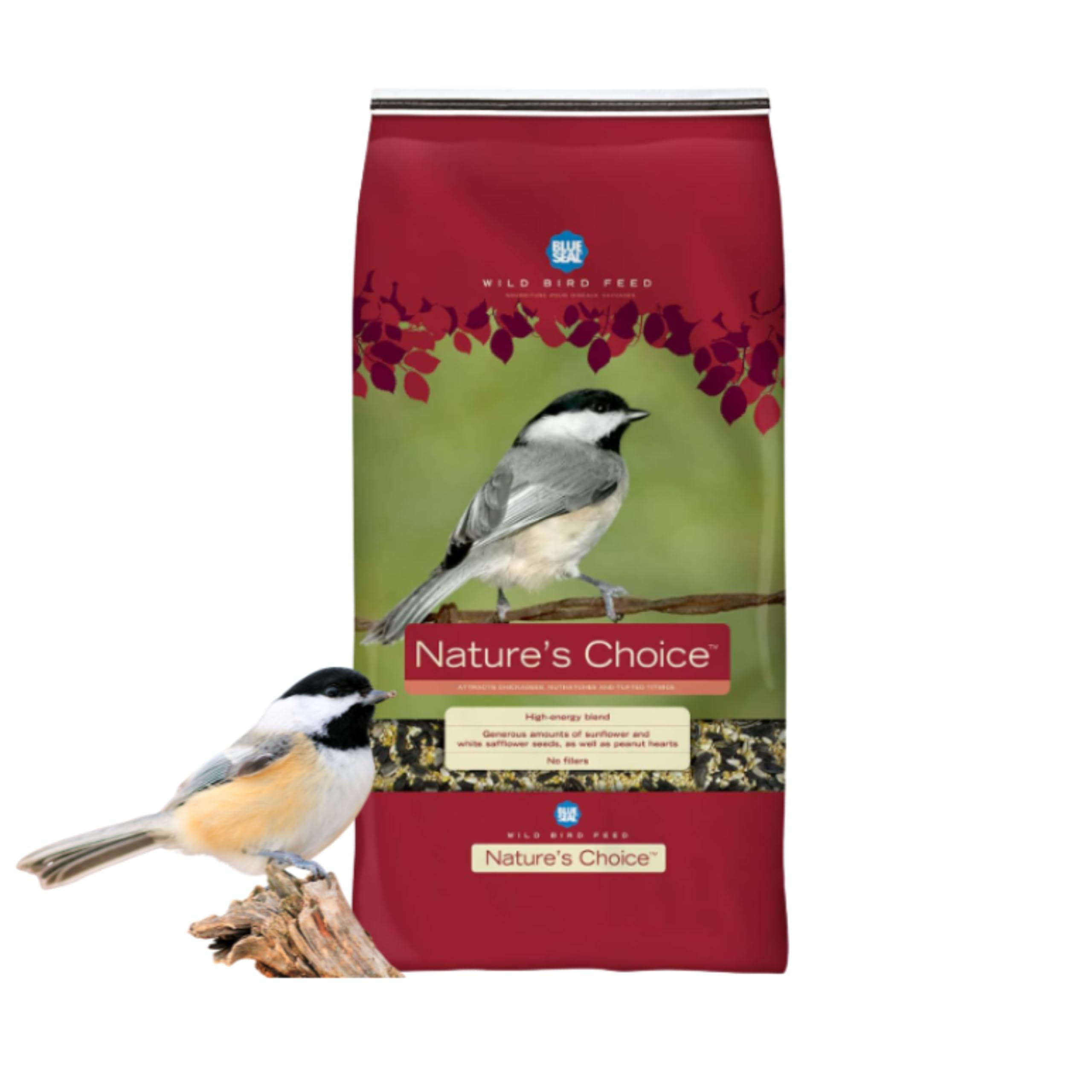
Have you ever wondered if feeding wild birds seed is really a good idea? Maybe you enjoy watching colorful birds visit your yard, or you want to help them through tough seasons.
But is tossing out seed always safe and helpful for these feathered friends? Before you scatter those seeds, it’s important to know what’s best for the birds and your environment. Keep reading to discover the surprising truths about feeding wild birds seed—and how you can make a positive difference without causing harm.
Benefits Of Feeding Wild Birds
Feeding wild birds seed offers many benefits. It helps birds survive and thrive in their natural environment. People also enjoy seeing birds up close. Providing food creates a small but important support system for local wildlife.
Supporting Local Bird Populations
Wild bird populations face many challenges. Food sources can be scarce, especially in urban areas. Feeding birds seed gives them extra nutrition. This helps them stay healthy and reproduce. A steady food supply can improve survival rates during tough times.
Encouraging Birdwatching Opportunities
Bird feeding attracts many species to your yard. It offers a chance to observe birds closely. Watching birds can be relaxing and educational. It helps people learn about different bird types. Birdwatching can also inspire care for nature and wildlife.
Aiding Birds During Harsh Weather
Cold winters and dry summers make food hard to find. Seed feeders provide essential energy during these times. Birds use this energy to keep warm and active. Feeding helps birds survive harsh weather conditions. It can prevent starvation and support overall bird health.

Credit: www.farmstore.com
Choosing The Right Bird Seed
Choosing the right bird seed plays a big role in attracting healthy wild birds. Different birds prefer different seeds. Using the proper seed type helps support local wildlife. It also keeps birds coming back to your feeder. Knowing which seeds to offer makes feeding birds more enjoyable and safe.
Popular Seed Types
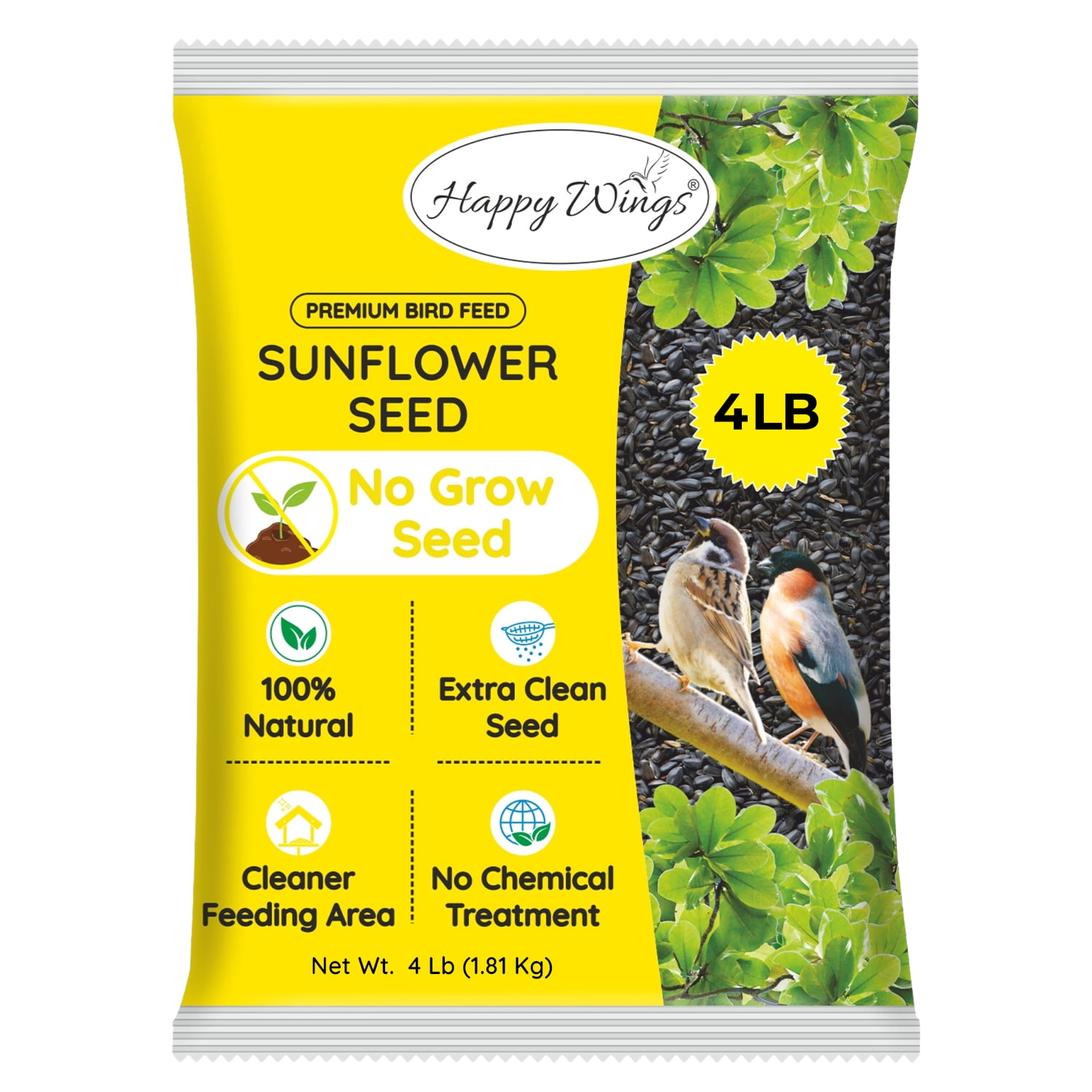
- Black oil sunflower seeds:Loved by many birds. High in fat and easy to crack open.
- Nyjer (thistle) seed:Small seeds that attract finches and siskins.
- Safflower seeds:Preferred by cardinals and grosbeaks. Less liked by squirrels.
- Millet:White proso millet appeals to sparrows, doves, and juncos.
- Peanuts:Great protein source for woodpeckers and jays. Use shelled or unshelled.
Seeds To Avoid
- Mixed seed blends with fillers:Often contain cheap grains like red millet or wheat that birds ignore.
- Moldy or old seeds:Can harm birds’ health. Always use fresh seeds.
- Salted or flavored seeds:Harmful to birds. Avoid all processed seeds.
- Unhulled sunflower seeds for small birds:Too hard for tiny birds to open.
Seasonal Seed Choices
Seed needs change with the seasons. In winter, birds need high-fat seeds to stay warm. Black oil sunflower seeds and peanuts work well during cold months. In spring and summer, offer lighter seeds like millet and nyjer. These match birds’ natural diets when insects are more available. Adjust seed types to match seasonal bird habits for best results.
Proper Feeding Techniques
Feeding wild birds can be a rewarding experience, but it requires care and thoughtfulness. Proper feeding techniques help protect the birds and your environment. Let’s look at how to feed birds the right way to keep them safe and happy.
Selecting Feeders And Placement
Choose feeders that match the types of birds you want to attract. Tube feeders work well for small songbirds, while platform feeders suit larger birds. Avoid feeders that can easily spill seed or become dirty.
Place feeders where birds feel safe—near shrubs or trees for quick cover. Avoid spots too close to windows to prevent bird collisions. Have you noticed how birds prefer feeders with some natural shelter around?
Maintaining Clean Feeding Areas
Clean your feeders regularly to prevent mold and disease. A simple rinse with hot water and mild soap every two weeks keeps feeders safe. Don’t forget to clear leftover seeds and droppings from the ground below to avoid attracting pests.
Keeping the feeding area tidy also helps prevent the spread of infections. You’ll see healthier birds and fewer unwanted visitors like rats or squirrels. What’s your routine for cleaning bird feeders?
Avoiding Overfeeding
Offer only as much seed as birds can eat in a day or two. Overfeeding leads to spoiled food and unhealthy birds. Excess seed can attract pests and cause dependency in wild populations.
Monitor how quickly the seed disappears and adjust amounts accordingly. Feeding should supplement natural food sources, not replace them. Could your feeding habits be helping or hurting the birds you want to support?
Potential Risks Of Feeding Wild Birds
Feeding wild birds seems kind and fun. It can bring birds close and brighten your day. Yet, this simple act can cause some problems. These risks affect birds and the environment around them.
Birds gather in one place to eat from feeders. This can spread germs fast. Some diseases can hurt many birds quickly. Watching birds closely means watching their health too.
Disease Transmission
Bird feeders can become spots for germs. Birds share food and water here. This sharing spreads illnesses like avian pox and salmonella. Sick birds may spread disease to others. Dirty feeders make this risk higher. Cleaning feeders often keeps birds safer.
Attracting Unwanted Wildlife
Feeders do not only attract birds. Other animals like squirrels, rats, and raccoons may come too. These animals can scare birds away. They may also carry diseases. Sometimes, they damage property or make noise. This can become a problem for your home and garden.
Dependency On Human Food
Wild birds can start to rely on feeders too much. They may stop searching for natural food. This hurts their survival skills. Birds need a variety of foods to stay healthy. Feeding too often can reduce their natural instincts. Balance is key to helping, not harming.
Alternatives To Seed Feeding
Feeding wild birds seed is common, but it is not the only option. Birds thrive best with natural foods and safe habitats. These alternatives support bird health and encourage natural behaviors. They also reduce risks like disease from seed feeders. Explore ways to help birds without relying solely on seed feeding.
Providing Natural Food Sources
Natural foods give birds the nutrients they need. Plant native trees, shrubs, and flowers that produce berries, nuts, and seeds. Offer fruits like apples, oranges, and berries on your porch or garden. Avoid processed or salted foods. Let fallen leaves and plants attract insects that birds eat too. This approach supports bird diets through all seasons.
Creating Bird-friendly Habitats
Birds need safe places to live and rest. Build or leave natural shelters such as brush piles and thick bushes. Provide fresh water in shallow dishes for drinking and bathing. Avoid chemicals like pesticides and herbicides in your yard. Keep cats indoors to protect birds. These steps create a welcoming space where birds can feed, nest, and thrive naturally.

Credit: www.youtube.com
Credit: www.walmart.com
Frequently Asked Questions
Is It Safe To Feed Wild Birds Seed Daily?
Yes, feeding wild birds seed daily is safe if you use fresh, clean seeds. Avoid moldy or spoiled seeds to prevent bird illness. Regular feeding helps birds survive harsh weather and provides consistent nutrition.
What Types Of Seeds Are Best For Wild Birds?
Black oil sunflower seeds are best for most wild birds. They are nutritious and easy to eat. Nyjer seed is great for finches, while millet suits ground-feeders like sparrows.
Can Feeding Wild Birds Seed Cause Dependency?
Feeding can create mild dependency, but birds still forage naturally. It supplements their diet, especially in winter. Avoid overfeeding to keep birds healthy and active in their natural environment.
How To Keep Wild Bird Seed Fresh And Safe?
Store seed in a cool, dry place to prevent mold. Clean feeders regularly to avoid bacteria build-up. Replace seed often to keep it fresh and attractive to birds.
Conclusion
Feeding wild birds seed offers joy and nature connection. It helps them thrive, especially in harsh weather. Choose seeds wisely for their health. Clean feeders often to prevent disease spread. Enjoy watching diverse birds in your backyard. Respect their needs and habitat.
Avoid feeding them processed foods or bread. It can harm their health. Appreciate their beauty from a distance. Our care contributes to a balanced ecosystem. Small actions can make a big difference. Share your space with these feathered friends mindfully.
Enjoy the simple pleasure of supporting wildlife.