
Finding a baby bird without feathers can be both surprising and worrying. You want to help, but you’re not sure what to feed it to keep it healthy and growing.
Feeding a featherless baby bird in the UK requires special care and the right food to give it the best chance of survival. If you’re wondering how to provide proper nutrition and avoid common mistakes, this guide is for you.
Keep reading, and you’ll learn exactly what to feed your little featherless friend to help it thrive.
Identifying Featherless Baby Birds
Identifying featherless baby birds is important for their care and feeding. These tiny birds need special attention since they lack protective feathers. Recognizing them helps to provide the right food and warmth. Understanding their needs increases their chance of survival.
Common Species In The Uk
Several bird species in the UK often have featherless chicks. House sparrows, robins, and blackbirds are among the most common. Their young hatch without feathers and depend fully on their parents. These species build nests in gardens, parks, and forests.
Other species include blue tits and starlings. Their chicks also start featherless and fragile. Knowing which species is important to meet their dietary needs.
Signs Of A Featherless Baby Bird
Featherless baby birds look very small and fragile. Their skin appears pink or slightly translucent. They have closed or barely opened eyes. Their bodies feel warm but delicate to touch.
- No feathers or very few down feathers
- Eyes often closed or weakly open
- Skin is soft, smooth, and sometimes wrinkled
- They make quiet, weak chirping sounds
- Unable to stand or fly
These signs help identify a bird that needs special feeding and care immediately.
Credit: www.petsradar.com
Immediate Care Steps
When you find a baby bird without feathers, acting quickly is crucial. These fragile creatures cannot regulate their own body temperature or protect themselves. Your immediate care can make a real difference in their survival chances.
Keeping The Bird Warm
Baby birds without feathers lose heat rapidly. Keeping them warm is your top priority. Use a heating pad set on low or a warm water bottle wrapped in a soft cloth to provide gentle warmth.
Place the heat source under half of the container, so the bird can move to a cooler spot if needed. Avoid direct contact to prevent burns. Have you noticed how they tend to huddle? That’s their way of seeking warmth — you must help them with that.
Creating A Safe Environment
Safety means more than warmth. The bird needs a quiet, dark, and secure space to reduce stress. A small box lined with soft tissues or cloth works well.
Keep the box away from pets, loud noises, and direct sunlight. Ensure the container has ventilation holes but is cozy enough to prevent drafts. You’re creating a little sanctuary that mimics the nest’s protection.
Feeding Basics For Featherless Birds
Feeding a baby bird without feathers in the UK requires careful attention and understanding of its unique needs. These tiny creatures are extremely vulnerable and depend entirely on you for nourishment and warmth. Knowing the feeding basics will help you provide the right care and improve the chances of survival for your featherless friend.
Nutritional Needs
Baby birds without feathers need a diet rich in protein, fat, and moisture. These nutrients support rapid growth and energy. You can use a specialized hand-rearing formula available at pet stores or mix soaked dog or cat kibble with warm water to create a soft mash.
Adding small amounts of finely chopped boiled egg yolk or insects can boost protein levels. Avoid giving milk or bread, as these can cause digestive problems. Always ensure the food is warm but not hot—around body temperature is best.
Feeding Frequency And Amount
Newly hatched birds require feeding every 15 to 20 minutes from dawn until dusk. As the bird grows, you can gradually increase the time between feeds to every 30 minutes or hourly. Watch the bird’s crop (the small pouch at the base of its neck) to avoid overfeeding; it should feel soft but full.
Start with small amounts—about a quarter teaspoon per feeding—and increase as the bird grows. If you notice the bird is restless or crying, it might be hungry. However, if the crop remains full, hold off on feeding to prevent discomfort or illness.
Suitable Food Options
Feeding a baby bird without feathers requires special care. Their tiny bodies need gentle, nutritious food to grow strong. Choosing the right food helps them develop feathers and stay healthy. The food must be soft and easy to digest. It should also contain proteins, vitamins, and minerals to support growth. Safe options include homemade meals and store-bought products made for baby birds.
Homemade Food Recipes
Homemade food gives control over ingredients and freshness. Use simple recipes that mimic the bird’s natural diet. A common mix includes:
- Boiled egg yolk mashed finely
- Soft, cooked rice or oatmeal
- Small amounts of mashed fruits like banana or apple
- Baby cereal mixed with water or formula
Mix these ingredients to a smooth, creamy texture. Avoid spices, salt, or sugar. Feed small amounts often to avoid choking. Warm the food to body temperature before feeding.
Store-bought Alternatives
Special bird formulas are available in pet shops. These products are balanced and easy to prepare. Look for powder mixes designed for baby birds. Follow instructions carefully for mixing and feeding. These formulas provide essential nutrients and help with hydration.
- Hand-feeding formula powder
- Pellet foods softened with water
- Gel-based baby bird foods
Check the label to ensure the product suits the bird species. Store-bought options save time and reduce feeding errors. Keep the food fresh and clean to prevent illness.
Feeding Techniques
Feeding a baby bird without feathers requires gentle care and precise techniques to ensure it receives the right nutrition safely. How you deliver food can make a big difference in the bird’s health and comfort. Understanding the correct feeding methods helps you avoid stress for both you and the bird.
Using Syringes And Pipettes
Syringes and pipettes are excellent tools for feeding featherless baby birds because they allow controlled feeding in small amounts. Use a syringe without the needle or a soft-tipped pipette to gently squirt the food into the baby bird’s mouth.
Hold the bird carefully but firmly, supporting its head. Slowly release the food to prevent choking or aspiration. It’s important not to force the syringe too far into the mouth; just a gentle touch near the beak’s opening is enough.
I once learned this the hard way when I fed too quickly and the baby bird coughed. Adjusting the pace helped the bird swallow comfortably and reduced the risk of food entering the lungs. Have you noticed how patience can make a feeding session calmer and safer?
Avoiding Common Feeding Mistakes
Many beginners make the mistake of feeding too much or too quickly, which can cause choking or indigestion. Avoid overfeeding by offering small amounts frequently, mimicking how parent birds feed their chicks.
Another common error is using the wrong food temperature. Cold food can shock a baby bird’s system, while very hot food can burn its mouth. Always test the temperature on your wrist before feeding.
Also, never feed a baby bird food that is too thick or chunky. It should be smooth and easy to swallow. Have you ever tried feeding something unsuitable and noticed the bird struggling?
Watching your baby bird’s reactions during feeding helps you learn what works best. Are you ready to become more confident and attentive in your feeding routine?
Hydration Tips
Keeping a baby bird without feathers hydrated is very important. Their tiny bodies can dry out quickly. Proper hydration helps their organs work well and keeps them active. Water is not only about drinking but also about the food they eat. Some foods have water content and help with hydration.
Ensuring Proper Water Intake
Offer small amounts of water often. Use a dropper or syringe to give water carefully. Avoid pouring water directly into the bird’s mouth to prevent choking. Mix water with soft food like soaked dog biscuits or baby bird formula. This mix helps the bird absorb fluids easily. Keep the water fresh and clean. Change it every few hours to stop bacteria growth.
Signs Of Dehydration
Look for signs like sunken eyes and dry skin. A weak or lethargic bird may be dehydrated. Wrinkled skin shows lack of moisture. If the bird pecks less or stops eating, check hydration. Sticky mouth or tongue means it needs water fast. These signs need quick action to avoid serious health issues.
When To Seek Professional Help
Knowing when to seek professional help for a baby bird without feathers is crucial. While you might feel equipped to care for the little one, some signs demand expert attention immediately. Understanding these signs can make the difference between life and death for the bird.
Recognizing Health Issues
Not all baby birds are ready to survive on their own, especially those without feathers. Look out for lethargy or a lack of response when you try to feed or handle the bird. If the bird seems weak, has difficulty breathing, or shows signs of injury like bleeding or swelling, it needs urgent care.
Have you noticed the bird refusing food for more than a few hours? That’s a red flag. Also, watch for abnormal droppings, which can indicate digestive problems or infections. These health issues are often beyond what you can manage at home.
Contacting Wildlife Rehabilitators
Wildlife rehabilitators have the skills and resources to care for vulnerable baby birds properly. They understand the specific dietary needs and environmental conditions essential for survival. Reach out to them as soon as you notice any health concerns or if you’re unsure about the bird’s condition.
Keep a list of local wildlife centers or animal rescue groups handy, especially if you live in the UK where regulations protect many bird species. Don’t hesitate to ask for advice over the phone before bringing the bird in. Remember, your quick action can give the bird the best chance at a healthy life.

Credit: www.youtube.com
Long-term Care And Release Preparation
Taking care of a baby bird without feathers in the UK goes beyond just feeding. Long-term care focuses on helping the bird grow strong and independent. Preparing it for release into the wild is a delicate process that requires attention, patience, and the right techniques.
Weaning Onto Solid Food
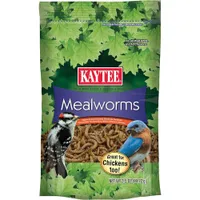
As the baby bird grows, you need to start introducing solid foods gradually. This helps build its natural ability to find and eat food on its own. Start with soft, easy-to-digest items like soaked dog biscuits, finely chopped mealworms, or soft fruits.
Offer these foods alongside the usual liquid diet, reducing the liquid amount slowly. Watch how the bird reacts—if it pecks at the food and swallows, it’s a good sign. You can also try placing food on a shallow dish to encourage independent eating.
Remember, patience is key here. Some birds take longer to adjust than others, so don’t rush the process. Have you noticed your bird showing curiosity or trying to peck at different textures?
Preparing For Release Into The Wild
Releasing a rehabilitated bird requires careful preparation to ensure it can survive on its own. The goal is to help it regain natural behaviors like flying, foraging, and avoiding predators.
Provide opportunities for flight in a safe, enclosed space where the bird can build strength and coordination. Gradually increase the size of the area to simulate natural conditions. You can also hide food to encourage foraging skills.
Timing the release is critical. Choose a location with plenty of natural food sources and shelter. Also, release during mild weather when the bird is most likely to thrive.
Have you thought about how you will monitor the bird after release? Sometimes checking in can make a difference in its survival chances.

Credit: www.ladygouldianfinch.com
Frequently Asked Questions
What Can I Feed A Featherless Baby Bird In The Uk?
Feed soft, protein-rich foods like soaked dog biscuits, hard-boiled eggs, or mealworms. Avoid cow’s milk and bread. Keep the food warm and moist to mimic natural feeding.
How Often Should I Feed A Baby Bird Without Feathers?
Feed every 20-30 minutes during daylight hours. Younger birds need more frequent feeding. Monitor hunger cues and avoid overfeeding to prevent health issues.
Can I Use Commercial Bird Formula For Featherless Chicks?
Yes, commercial bird formulas are ideal. They provide balanced nutrition specifically for baby birds. Follow package instructions for mixing and feeding frequency.
Is It Safe To Give Water To Featherless Baby Birds?
Direct water feeding can cause choking. Instead, provide moisture through food like soaked insects or fruits. Ensure hydration but avoid giving water separately.
Conclusion
Feeding a baby bird without feathers can be challenging. Remember, they’re fragile and need care. Offer soft, moist foods like soaked dog kibble or baby bird formula. Avoid feeding bread or milk. These can harm them. Ensure the food is at room temperature.
Too hot or cold can be harmful. Hydration is crucial, but don’t use a dropper. It may cause choking. Observe their feeding habits and growth closely. If unsure, consult a local wildlife expert. Your care can help them thrive until they can fly.
Keep patience and watch them grow strong.