
Finding a baby bird that needs feeding can be both exciting and a little overwhelming. You want to help, but you might not know where to start or what the little one needs.
This guide will show you exactly how to feed a bird baby safely and effectively. By learning the right steps, you can make sure your tiny feathered friend gets the care it deserves. Keep reading, and you’ll feel confident giving your best to help that fragile life grow strong.

Credit: www.youtube.com
Choosing The Right Food
Choosing the right food for a baby bird is more important than you might think. The wrong food can slow their growth or even harm their delicate systems. You want to give your little feathered friend the best start in life with safe, nutritious options.
Types Of Bird Baby Food
Baby birds need food that is easy to digest and packed with nutrients. Most commonly, you’ll find specialized commercial formulas designed for hatchlings. These formulas come as powders or gels that you mix with warm water to create a smooth, porridge-like consistency.
If you prefer natural options, mashed boiled eggs, soaked dog kibble, or finely chopped fruits and vegetables can work. However, these should be given carefully and in small amounts to avoid choking or nutritional imbalance.
- Commercial hand-rearing formulas:Balanced nutrients, easy to prepare.
- Boiled egg yolk:High protein, used as a supplement.
- Soaked dog kibble:Provides protein but must be softened.
- Fruits and vegetables:Good for vitamins but not a main food source.
Avoiding Harmful Ingredients
Not everything that looks edible is safe for baby birds. Avoid anything with salt, sugar, or artificial additives. These can cause serious health problems or dehydration.
Never feed baby birds bread, milk, or human junk food. Bread lacks nutrition, and milk can upset their digestive system. Also, avoid giving whole seeds or nuts that can cause choking.
Ask yourself: Have you checked every ingredient for safety? It’s better to be cautious than risk your bird’s health with unsafe foods.

Credit: www.youtube.com
Preparing The Feeding Formula
Preparing the feeding formula for a baby bird requires precision and care. The right mixture ensures the bird receives essential nutrients for healthy growth. It is important to follow clear steps to make the formula safe and digestible. Using the correct proportions and handling the formula properly can prevent health issues.
Proper Mixing Techniques
Start with clean hands and sterilized equipment. Measure the powder and water according to the package instructions. Use warm water, not hot or cold, to dissolve the powder. Stir gently to avoid air bubbles that can cause choking. The formula should have a smooth, creamy texture without lumps. Check the temperature by dropping a small amount on your wrist; it should feel warm, not hot. Mix only the amount you can feed within a few hours to maintain freshness.
Storage And Shelf Life
Store any unused dry formula in a cool, dry place. Keep the container tightly closed to prevent moisture and contamination. Once mixed, the formula does not last long. Refrigerate the prepared formula immediately. Use it within 24 hours to avoid spoilage. Discard any leftover formula after feeding time. Never reuse formula that a bird has eaten from. Proper storage helps keep the food safe and nutritious for the baby bird.
Feeding Tools And Equipment
Feeding a baby bird requires the right tools and equipment. Proper tools make feeding safe and easier. They also help control the amount of food given. Choosing the correct feeding tools is very important for the bird’s health.
Selecting Feeding Syringes And Pipettes
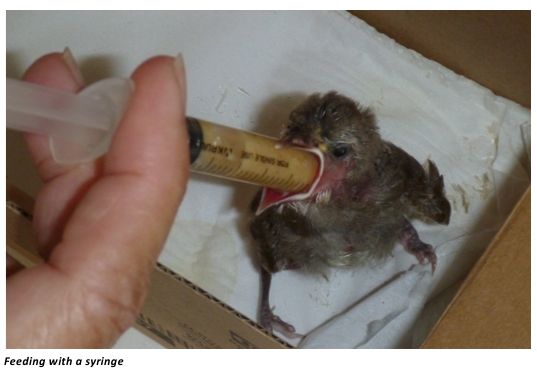
Feeding syringes and pipettes allow precise control over feeding. Syringes with soft, narrow tips reduce the chance of injury. Pipettes work well for very small or weak birds. Choose tools made from safe, non-toxic materials. Avoid sharp or rough edges on any feeding device. Size matters—use smaller tools for tiny chicks and larger for bigger birds.
- Look for syringes with clear measurement marks.
- Use pipettes with flexible tips to avoid hurting the bird.
- Choose tools that are easy to clean and handle.
Sterilizing Feeding Supplies
Clean tools prevent infections and keep the bird healthy. Sterilize syringes and pipettes before each use. Use hot water and mild soap to wash them thoroughly. Boil the feeding tools for 5 to 10 minutes to kill germs. Let the tools air dry on a clean towel. Avoid using harsh chemicals that might harm the bird. Always check tools for damage before feeding.
Feeding Schedule And Amounts
Feeding a baby bird requires a clear schedule and correct amounts to ensure healthy growth. Birds need frequent feeding, especially in their first days. The feeding frequency and portion sizes change as the bird grows. Paying attention to age and hunger cues helps avoid overfeeding or underfeeding. Careful feeding supports strong development and survival.
Frequency Based On Age
Newborn birds need feeding every 15 to 20 minutes during daylight. This can mean 8 to 12 times per hour. As the bird grows, feeding intervals lengthen. At one week old, feed every 30 to 45 minutes. By two weeks, feedings reduce to 4 to 6 times daily. After three weeks, feed 3 to 4 times a day. Older chicks start eating less often but larger amounts.
Recognizing Hunger And Fullness
Watch the baby bird’s behavior to know when to feed. A hungry bird opens its mouth wide and chirps loudly. It may stretch its neck toward the feeder. A full bird closes its mouth and turns away. It may become calm and stop begging. Avoid forcing food if the bird refuses to eat. Overfeeding can cause health problems. Observe closely and adjust feeding amounts accordingly.
Feeding Techniques
Feeding a baby bird requires more than just offering food; it demands careful techniques to ensure the bird’s safety and comfort. How you handle and position the bird during feeding can significantly affect its health and willingness to eat. Let’s explore key techniques that make feeding easier and more effective for both you and the baby bird.
Safe Handling Of Baby Birds
Baby birds are incredibly fragile. Your hands must be clean and gentle to avoid causing stress or injury. Always wash your hands before feeding and avoid squeezing or holding the bird too tightly.
Support the bird’s body fully, especially its chest and legs, without restricting its breathing. Using a soft cloth or towel can help you hold the bird securely without slipping.
Have you noticed how a calm touch can soothe a frightened bird? Your calm presence helps the baby relax, making feeding smoother and less stressful for both of you.
Proper Feeding Posture
Positioning the baby bird correctly is crucial for safe swallowing and digestion. Hold the bird upright or slightly tilted forward, mimicking how a mother bird would naturally feed her chick.
A tilted posture prevents food from entering the windpipe, which could cause choking. Gently open the bird’s beak with your finger or a small spoon, then carefully offer the food.
Using a small syringe or dropper can give you more control over the food amount and speed. Remember, patience is key—rushing the bird can lead to regurgitation or refusal to eat.
Monitoring Health And Growth
Monitoring the health and growth of a baby bird is essential for ensuring it thrives under your care. Regular checks help you spot problems early, making a big difference in recovery and overall well-being. Paying close attention to how your bird responds to feeding and its physical development keeps you informed and prepared.
Signs Of Good Nutrition
Healthy baby birds show clear signs that they are getting the right nutrition. Their feathers start to look smooth and shiny, and their energy levels increase noticeably. You’ll notice steady weight gain, which you can track by weighing the bird daily with a small scale.
Another important indicator is the bird’s behavior during feeding times. A hungry and well-fed baby bird will eagerly open its mouth and show strong swallowing reflexes. If your bird is active and alert after feeding, it’s a good sign that its diet is meeting its needs.
Detecting Common Health Issues
Knowing the warning signs of health problems can save your bird’s life. Watch out for lethargy, fluffed-up feathers, or a consistently closed mouth, as these may indicate illness. Changes in droppings, such as unusual color or consistency, often reveal digestive issues early on.
If you notice labored breathing or swelling around the eyes and beak, these symptoms require immediate attention. Even slight weight loss or refusal to eat should prompt a quick consultation with a vet. Have you ever caught a problem just in time by closely observing your bird’s daily habits?
When To Seek Veterinary Help
Knowing when to seek veterinary help is crucial for feeding a baby bird safely. Birds are delicate, and small problems can quickly turn serious. Early veterinary care can save a baby bird’s life and prevent long-term issues. Watch closely for signs that need professional attention. Timely action ensures the bird gets the right care and treatment.
Emergency Situations
Call a vet immediately if the baby bird:
- Stops breathing or gasps for air
- Has swelling or bleeding
- Is weak and unresponsive
- Shows signs of injury or trauma
- Refuses to eat for many hours
- Has abnormal droppings or vomiting
These signs indicate critical health problems. Quick veterinary care can prevent serious harm.
Regular Checkups
Schedule regular vet visits to monitor the bird’s growth and health. A vet can spot problems early. Regular checkups help ensure proper feeding techniques and nutrition. They also allow vaccination and parasite control. Keeping a baby bird healthy is easier with expert guidance.
Weaning Baby Birds
Weaning baby birds is a crucial stage in their growth. It marks the time when birds start eating solid foods instead of relying solely on regurgitated meals from their parents. This process helps them build independence and develop strong eating habits. Careful observation and patience are key to successful weaning.
Signs Of Readiness
Baby birds show clear signs when they are ready to wean. Watch for these signals:
- Pecking at food around their nest or feeding area
- Opening their beak eagerly when offered solid food
- Decreased begging for food from parents or caregivers
- Increased interest in exploring and chewing objects
- Growth of feathers and stronger physical activity
Recognizing these signs helps start weaning at the right time. It avoids stress and supports healthy development.
Introducing Solid Foods
Start by offering soft, easily digestible foods. Examples include mashed fruits, soaked pellets, or finely chopped vegetables. Use a shallow dish or place food near the baby bird’s beak. Allow the bird to explore and taste at its own pace.
Gradually reduce feeding by hand. Encourage the bird to eat independently. Maintain a clean feeding area to prevent illness. Always provide fresh water nearby. Monitor the bird’s response and adjust food texture as needed.

Credit: www.reddit.com
Frequently Asked Questions
How Often Should I Feed A Baby Bird?
Feed a baby bird every 15 to 20 minutes during daylight hours. Frequent feeding ensures proper growth and hydration. Avoid overfeeding to prevent health issues. Monitor the bird’s hunger cues and adjust feeding times accordingly for best results.
What Is The Best Food For Feeding Baby Birds?
The best food includes a mix of soft fruits, insects, and specialized bird formula. Avoid bread or milk, as they harm birds. Use a proper feeding syringe or dropper to deliver small, nutritious portions safely and comfortably.
How Do I Prepare Formula For A Baby Bird?
Use a commercial baby bird formula mixed with warm water. Follow package instructions carefully for correct consistency. Ensure the mixture is neither too hot nor too cold to avoid harming the baby bird’s crop.
Can I Feed A Baby Bird With A Spoon?
Feeding with a small spoon is possible but less effective. A syringe or dropper mimics natural feeding better. Be gentle and patient to avoid choking. Feeding tools must be clean to prevent infections.
Conclusion
Feeding a bird baby requires patience and care. Follow simple steps for success. Always ensure the baby gets proper nutrients. Fresh food and clean water are vital. Observe the bird’s growth and adjust feeding accordingly. Consult a vet if unsure about the diet.
Make sure the feeding environment is safe and calm. Building trust with gentle handling helps. Remember, every bird has unique needs. Stay attentive and nurturing. With these tips, you’ll support a healthy baby bird. Enjoy the rewarding experience of helping it grow.