
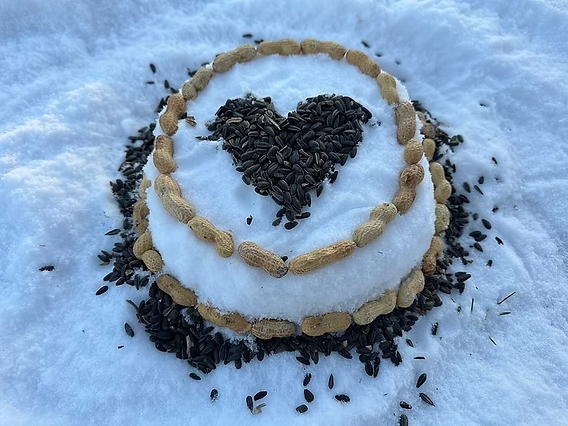
Have you ever wondered if sharing your leftover cake with birds is a kind gesture or a hidden danger? You might think a sweet treat is harmless, but feeding birds cake can have surprising effects on their health.
If you care about the birds visiting your garden and want to keep them safe, it’s important to know what’s really okay to offer. Keep reading to find out why cake might not be the best choice and what you can give instead to keep your feathered friends happy and healthy.
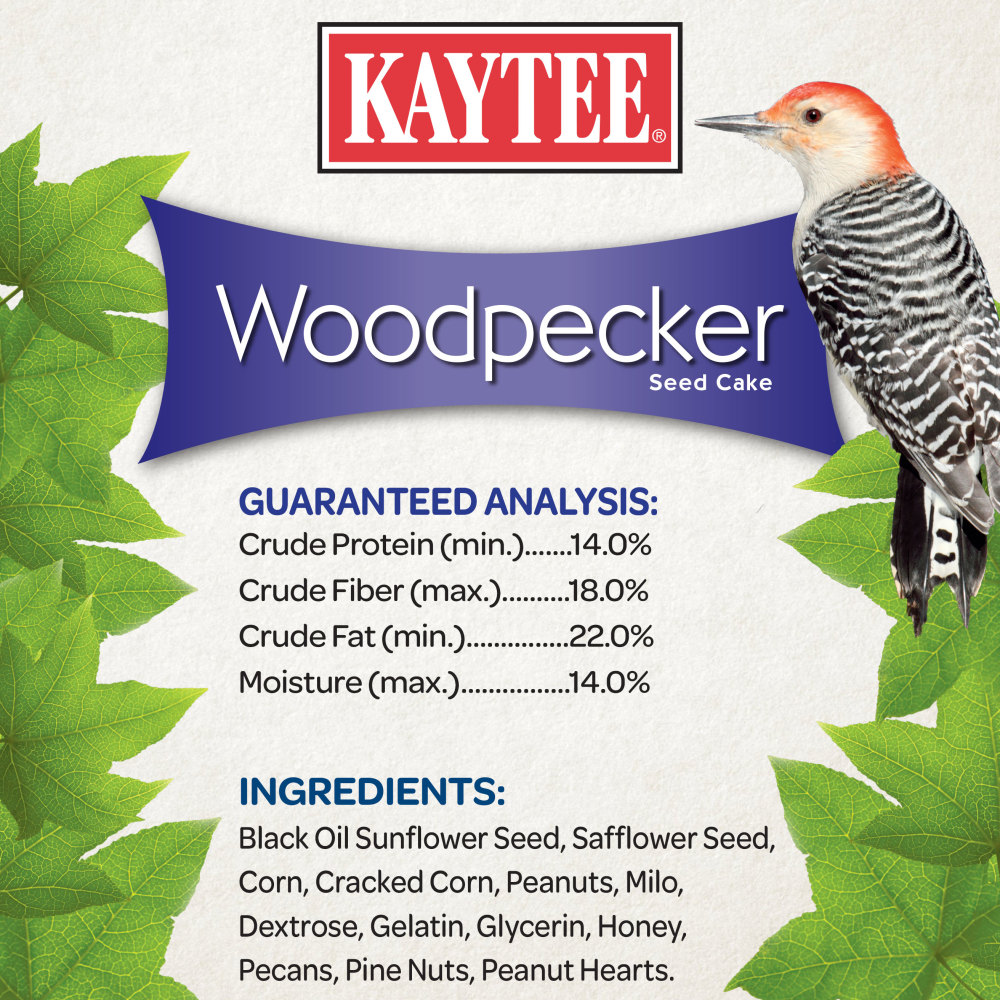
Credit: www.kaytee.com
Can Birds Eat Cake?
Can birds eat cake? It’s a question many bird lovers have asked, especially during celebrations when cake is all around. While it might seem harmless to share a small bite, understanding what’s inside cake and how birds process sweets is crucial before offering any to your feathered friends.
Common Ingredients In Cake
Cakes usually contain ingredients like sugar, flour, butter, eggs, and sometimes chocolate or nuts. Many of these ingredients can be harmful or difficult for birds to digest.
- Sugar:Birds don’t need added sugars in their diet. Too much can upset their digestive system and lead to health problems.
- Butter and Fat:High-fat content can cause obesity and liver issues in birds.
- Chocolate:Even small amounts are toxic to many bird species.
- Nuts:Some nuts are safe, but others may be salted or flavored, which is harmful.
Knowing what’s in the cake helps you decide if it’s worth the risk of feeding it to birds. Would you give your pet a sugary snack that could make them sick?
How Birds Digest Sweets
Birds’ bodies are not designed to handle sweets the way humans do. Their digestive systems are adapted to process seeds, fruits, and insects—not sugary treats.
When birds consume sugar, it can cause rapid spikes in blood sugar levels, leading to energy crashes or long-term health issues. In my experience watching backyard birds, those that accidentally get sugary crumbs often show signs of distress or avoid the area afterward.
Instead of cake, consider offering birds natural treats like fresh fruits or specially formulated bird food. These options support their health and keep your visits enjoyable for both you and the birds.
Risks Of Feeding Cake To Birds
Feeding birds cake might seem like a harmless treat, but it carries several risks that could harm their health. Birds have very different dietary needs than humans, and many ingredients in cake can be dangerous to them. Understanding these risks is crucial before offering any sweet treats to your feathered friends.
Health Issues And Toxicity
Cakes often contain ingredients that are toxic to birds, such as chocolate, raisins, and certain nuts. Even small amounts of these can cause serious health problems, including digestive upset, seizures, or even death.
Additionally, artificial sweeteners and preservatives found in many cakes can irritate a bird’s digestive system. Birds have delicate metabolisms, so what seems safe to you may be toxic to them.
Have you ever considered how a single slice of cake could harm a bird’s tiny body? It’s better to avoid risks by sticking to natural bird foods like seeds and fruits.
Effects Of Sugar And Fat
Cake is packed with sugar and fat, which are not suitable for birds. Excess sugar can disrupt their natural energy balance and lead to obesity or diabetes-like symptoms.
High fat content in cake can cause liver problems and weaken a bird’s immune system. Birds need a balanced diet to stay strong and active, and cake offers none of the essential nutrients they require.
Think about this: would you want to eat something that makes you feel sluggish and sick? Birds feel the same way when given sugary, fatty foods like cake.
Safe Treats For Wild Birds
Feeding wild birds can be a rewarding experience, but choosing the right treats is crucial for their health. Not every human snack is safe for birds, and some popular foods might actually harm them. Let’s look at what you can offer that’s both tasty and safe.
Bird-friendly Foods
You might wonder what snacks wild birds actually enjoy. Seeds like sunflower, safflower, and millet are favorites. Fresh fruits such as apples, berries, and pears can also be a delightful treat.
Vegetables like peas and corn provide good nutrition and variety. Avoid anything sugary, salty, or processed. Nuts, especially unsalted peanuts, are excellent but should be given in moderation.
Have you tried offering mealworms? Many birds love them, and they’re a great source of protein. Remember to always provide fresh water alongside these treats.
Nutritional Benefits
Providing the right foods helps birds maintain energy and stay healthy through changing seasons. Seeds and nuts are rich in fats, essential for warmth and activity in colder months. Fruits supply vitamins and antioxidants that support immune systems.
Protein sources like mealworms aid in feather growth and repair. Feeding a variety of foods ensures birds get a balanced diet, which is vital for survival and reproduction. Think about what you eat daily—variety keeps you strong, and it’s the same for birds.
Next time you feed your feathered visitors, ask yourself if the treat helps them thrive or just fills their stomach. Your choices can make a real difference in their lives.

Credit: www.amazon.com
Why Birds Prefer Natural Foods
Birds naturally seek foods that support their health and energy needs. Their bodies are designed to digest specific nutrients found in seeds, fruits, insects, and nectar. Natural foods provide balanced nutrition, unlike processed items such as cake. These foods help birds maintain strength and survive in their environments.
Natural foods also match birds’ instincts and eating behaviors. They recognize certain shapes, colors, and smells that signal safe, nutritious choices. This makes natural foods more appealing and easier for them to digest. Feeding birds cake can confuse their natural habits and harm their health.
Instincts And Dietary Needs
Birds have strong instincts guiding their food selection. They choose foods based on smell, texture, and taste. Their digestive systems require specific nutrients like protein, fat, and fiber. Natural foods such as seeds and insects provide these essentials. Cake, rich in sugar and fat, lacks vital nutrients birds need. It can cause digestive problems and reduce their ability to find real food.
Seasonal Food Choices
Birds change their diets with the seasons. In spring and summer, they eat more insects and fresh fruits. In fall and winter, seeds and nuts become important. These seasonal foods help birds store energy and stay warm. Cake does not offer the right nutrients for these seasonal needs. Feeding birds cake disrupts their natural eating cycles and may weaken them during tough seasons.
How To Feed Birds Responsibly
Feeding birds can be a joyful experience, but it requires care and thoughtfulness. You want to help, not harm, the feathered visitors in your yard. Understanding how to feed birds responsibly ensures their health and safety while keeping your connection with nature strong.
Proper Feeding Practices
Choose a clean, safe spot to place your bird feeder. It should be away from windows to prevent collisions and in a quiet area to avoid scaring the birds.
Keep feeders clean by washing them regularly with hot, soapy water. This prevents the spread of diseases among birds, which is often overlooked but crucial.
Offer food in moderation. Overfeeding can attract pests or cause birds to rely too much on human-provided food instead of foraging naturally.
Avoiding Harmful Foods
Not all human foods are safe for birds. Cake, for example, often contains sugar, fats, and artificial ingredients that can upset their digestive systems.
Never feed birds salty, sugary, or processed foods. These can lead to health problems like obesity or poisoning.
Stick to bird-friendly options such as seeds, nuts, and fruits. If you want to treat them, plain cooked grains or unsalted nuts are safer choices.
Have you ever wondered why some birds avoid certain foods you offer? It’s often because those foods aren’t good for them. Your awareness can make a real difference in their well-being.

Credit: www.amazon.com
Frequently Asked Questions
Can Birds Safely Eat Cake?
Birds should not eat cake as it contains sugar, fats, and additives harmful to them. These ingredients can cause digestive issues and long-term health problems in birds.
What Ingredients In Cake Harm Birds?
Sugar, chocolate, artificial sweeteners, and fats in cake are toxic to birds. These substances can lead to poisoning, obesity, and other serious health issues in birds.
Are There Bird-friendly Cake Alternatives?
Yes, you can offer bird-friendly treats like unsweetened fruits, seeds, and nuts. These provide natural nutrients without harmful additives found in cake.
How Often Can Birds Have Sweet Treats?
Birds should rarely have sweet treats, and only if they are safe and natural. Regular feeding of sugary foods can damage their health and cause obesity.
Conclusion
Feeding birds cake might sound fun, but it’s risky. Cakes have sugar and fats harmful to birds. They need seeds, grains, and fruits for health. Natural foods keep them strong and happy. Observing birds eat what they love is more rewarding.
Offer them sunflower seeds or berries instead. It’s a safer choice. Bird-friendly gardens invite more feathered friends. Enjoy watching them thrive in a natural habitat. By choosing wisely, you help them live better. Remember, small changes make a big impact on bird life.
Keep it simple and nature-friendly.