
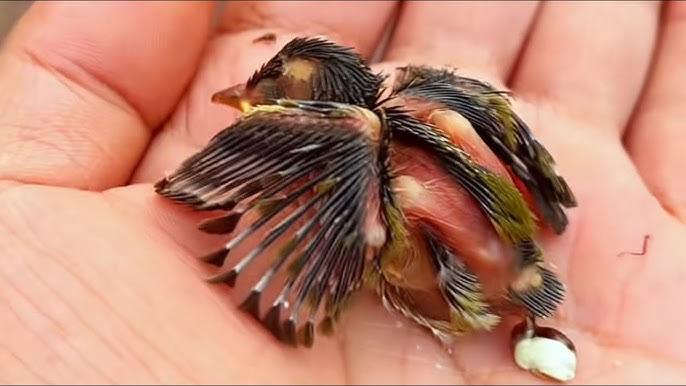
Finding a baby bird that has fallen from its nest can be both heartbreaking and confusing. You want to help, but you might wonder if you’re doing the right thing.
Feeding a baby bird is not as simple as it seems, and the wrong food or method can do more harm than good. In this guide, you’ll learn exactly what to do to give that little bird the best chance of survival.
Keep reading to discover easy steps you can take right now to care for your unexpected feathered friend.

Credit: www.youtube.com
Identifying The Baby Bird
Identifying a baby bird is the first important step in helping it safely. Birds at this stage look very different depending on their age and species. Knowing the signs of their development helps decide the best care approach. This section explains how to tell what kind of baby bird you found and how well it is doing.
Distinguishing Between Nestling And Fledgling
Baby birds fall into two main groups: nestlings and fledglings. Nestlings have few or no feathers and cannot leave the nest. They rely fully on their parents for warmth and food. Their eyes may be closed or just opening.
Fledglings have feathers and can hop or flutter short distances. They are learning to fly and may leave the nest but still need some care. Fledglings often look clumsy and may seem lost.
- Nestlings:Bare skin, closed or partly open eyes, no flight ability.
- Fledglings:Fully feathered, eyes open, limited flying skills.
Assessing The Bird’s Condition
Check the bird’s health carefully. Look for signs of injury like bleeding or broken wings. Notice if the bird is weak or very quiet. A strong baby bird may chirp loudly and move actively.
Feel the bird’s body gently. It should feel warm and hydrated. Cold or shivering birds need immediate help. Dehydrated birds have wrinkled skin or sunken eyes.
| Condition | Signs to Check |
|---|---|
| Healthy | Bright eyes, warm body, active movements |
| Injured | Bleeding, broken wings, visible wounds |
| Weak or Sick | Cold, lethargic, quiet, sunken eyes |
When To Intervene
Knowing when to help a baby bird that has fallen is very important. Intervening at the right time can save its life. At the same time, unnecessary interference may do more harm than good. Understanding the signs that show the bird needs help or when it is best to leave it alone guides your actions.
Signs The Bird Needs Help
- The bird is injured or bleeding.
- It is cold, weak, or unable to move.
- The bird is alone for a long time without parents nearby.
- It falls from the nest repeatedly or is in danger from predators.
- The bird looks hungry and cries often without response.
When To Leave The Bird Alone
- The bird is a fledgling learning to fly and looks healthy.
- Parents are nearby and checking on the bird.
- The bird is alert and active, not injured.
- It is resting safely on the ground or a low branch.
- The bird shows no signs of distress or hunger.
Preparing A Safe Space
Preparing a safe space for a baby bird that has fallen is crucial. This space offers protection and comfort, helping the bird stay calm and healthy. The environment must mimic the natural nest as closely as possible. Safety and warmth are the top priorities in this temporary setup.
Creating A Temporary Nest
Use a small container or box with soft materials inside. Line it with dry grass, paper towels, or soft cloth. Avoid materials that shed fibers, which could harm the baby bird. The nest should be deep enough to prevent the bird from falling out. Keep the edges high but gentle to avoid injury.
- Choose a quiet, sheltered spot away from pets and noise.
- Ensure the nest is stable and won’t tip over easily.
- Check for any sharp objects or loose threads inside the nest.
Maintaining Warmth And Comfort
Baby birds cannot regulate their body temperature well. Keep the nest warm using a heating pad or warm water bottle wrapped in cloth. Place the heat source under or beside the nest, not directly touching the bird. Maintain a temperature around 85°F (29°C) for very young birds.
- Monitor the temperature regularly to avoid overheating.
- Cover the nest lightly with a soft cloth to keep warmth in.
- Do not use heat lamps or direct sunlight as they can cause burns.
Feeding Essentials
Feeding a baby bird that has fallen requires careful attention and the right supplies. The feeding process is critical for the bird’s survival and healthy growth. Understanding the essentials helps provide the best care possible.
Proper nutrition supports the bird’s energy and development. It also prevents health problems and stress. Knowing what to feed and what to avoid is key to helping the baby bird thrive.
Choosing The Right Food
Baby birds need foods rich in protein and easy to digest. Soft, small pieces work best for their tiny beaks. Natural diets vary by species, but some common safe options include:
- Moistened dog or cat kibble finely crushed
- Boiled eggs mashed into small bits
- Mealworms or small insects for insect-eating birds
- Soft fruits like mashed bananas or apples (for fruit-eating birds)
Use lukewarm water to soften dry food. Avoid cold or hot meals, which can harm the baby bird’s sensitive digestive system.
Avoiding Harmful Foods
Certain foods can cause harm or even be fatal to baby birds. Avoid giving:
- Milk or dairy products, as birds cannot digest lactose
- Salt, sugar, or processed human foods
- Avocado and chocolate, which are toxic to birds
- Whole seeds or hard nuts that pose choking hazards
Keep foods plain and natural. Avoid seasoning or additives. Feeding the wrong food can cause illness or slow recovery.
Feeding Techniques
Feeding a baby bird that has fallen from its nest requires patience and the right techniques. The way you feed can directly affect the bird’s health and chances of survival. Understanding how to use the proper tools and timing your feedings well makes all the difference.
How To Feed With A Syringe Or Dropper
Using a syringe or dropper helps you feed a baby bird safely and effectively. Fill the syringe with a specialized bird formula or a mix recommended by a wildlife expert. Avoid force-feeding; instead, gently place the tip near the bird’s beak and let it open naturally.
Keep your hand steady and allow the bird to swallow at its own pace. Never squirt food directly down the throat, as this can cause choking or aspiration. If the bird resists, take a break and try again later to avoid stress.
Frequency And Amount Of Feeding
Baby birds need frequent meals because their metabolism is very fast. Newborns may require feeding every 15 to 20 minutes during daylight hours. As they grow, you can gradually reduce feeding frequency to every 30 to 60 minutes.
Pay close attention to how much the bird eats each time. Overfeeding can cause digestive issues, while underfeeding slows growth. A good rule is to feed small amounts consistently, observing the bird’s reactions and weight gain.
Have you noticed how your baby bird’s appetite changes through the day? Staying alert to these shifts helps you adjust feeding schedules and amounts smartly.
Hydration Tips
Keeping a baby bird hydrated is crucial for its survival and health. Birds can get dehydrated quickly, especially after falling from their nest. Providing water carefully helps the bird recover and stay strong. Understanding the signs of dehydration ensures you act fast to save the bird’s life.
Providing Water Safely
Offer water using a small dropper or syringe without the needle. Use clean, lukewarm water to avoid shock. Place tiny drops near the bird’s beak gently. Never force water into the bird’s throat. This can cause choking or water in the lungs. Let the bird swallow at its own pace. Avoid giving too much water at once. Keep the bird calm and quiet during hydration.
Signs Of Dehydration
- Dry or sticky mouth and tongue
- Sunken eyes or dull appearance
- Weakness or lethargy
- Cold skin or feathers
- Slow or labored breathing
- Excessive thirst or begging for water
Spotting these signs early helps you provide care quickly. A well-hydrated bird will be more active and responsive. Always monitor the baby bird closely for any changes.
When To Seek Professional Help
Knowing when to seek professional help is vital for a baby bird’s survival. Some situations are beyond simple care at home. Early intervention by experts can make a big difference in the bird’s health and chances of survival.
Signs such as visible injuries, weakness, or prolonged absence of parents require immediate attention. Professionals have the tools and knowledge to provide proper care. Protecting the bird and yourself is important too, as wild animals can carry diseases.
Contacting Wildlife Rehabilitators
Wildlife rehabilitators specialize in caring for injured or orphaned wild animals. They understand the needs of baby birds and provide proper feeding, warmth, and shelter. Contact local wildlife centers or animal rescue groups. Provide details about the bird’s condition and location.
- Keep the bird warm and safe until help arrives.
- Do not try to feed or handle the bird excessively.
- Follow the rehabilitator’s instructions carefully.
Legal Considerations
Many baby birds are protected by law. Handling or keeping them without permission can be illegal. Wildlife laws vary by region, so check local regulations before acting. Licensed rehabilitators have permits to care for these birds legally.
- Avoid moving or disturbing nests unless necessary.
- Report injured birds to local wildlife authorities.
- Understand the legal limits of helping wild animals.
Credit: www.petsradar.com
Releasing The Bird
Releasing a baby bird back into the wild is a delicate process. It needs care and patience to ensure the bird can survive on its own. Proper release helps the bird find food, shelter, and safety.
Preparing For Release
Before releasing, check if the bird can eat on its own. It should be strong enough to fly short distances. Gradually reduce feeding to encourage independence. Observe the bird’s behavior for signs of readiness. Keep the bird in a quiet, safe place before release. Handle the bird gently to avoid stress or injury.
Choosing The Right Location
Pick a spot with natural cover like trees or bushes. Avoid busy roads or places with many predators. The area should have enough food sources like insects or seeds. Look for places near where the bird was found. This helps the bird reconnect with its natural habitat. Release during calm weather, avoiding strong winds or rain.

Credit: www.petsradar.com
Frequently Asked Questions
How Do I Safely Feed A Baby Bird That Fell?
Use a small syringe or dropper to feed the bird gently. Offer a specialized bird formula or soft food. Avoid giving water directly. Feed every 20-30 minutes during daylight hours until it’s stronger.
What Foods Are Best For Feeding A Fallen Baby Bird?
Offer high-protein foods like soaked dog kibble, boiled eggs, or mealworms. Avoid milk or bread as they can harm the bird. Use a commercial baby bird formula if available for balanced nutrition.
How Often Should I Feed A Baby Bird That Fell?
Feed the baby bird every 20-30 minutes from dawn to dusk. Young birds need frequent feeding for proper growth. Reduce feeding frequency gradually as the bird matures and gains strength.
Can I Use Household Food To Feed A Fallen Baby Bird?
Avoid using processed or salty foods from your kitchen. Stick to natural, high-protein options like insects or soft scrambled eggs. Household food often lacks nutrients and may harm the bird.
Conclusion
Feeding a baby bird requires care and attention. Always use the right food. Choose suitable feeding tools for its tiny size. Be gentle while handling the bird. Watch for signs of distress or illness. Ensure a warm, safe environment for its growth.
Patience is key to success. Each step ensures the bird’s health and survival. With love and care, you can help it thrive. Remember, your efforts make a big difference. Follow these tips for a happy, healthy bird.