
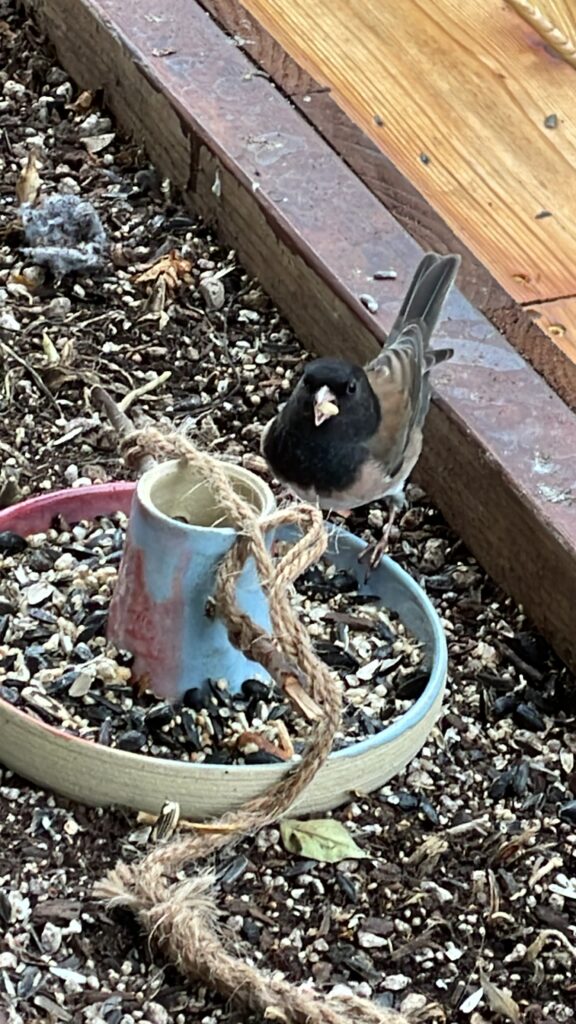
Are you curious about what feed junco birds eat and how to keep these charming little birds happy around your home? Knowing exactly what to offer can make a big difference in attracting them to your garden or bird feeder.
You’ll discover simple, effective feeding tips that will help you provide the perfect meal for juncos. Whether you’re a beginner or have tried feeding birds before, you’ll find easy-to-follow advice that ensures your feathered visitors stay healthy and come back time after time.
Keep reading to unlock the secrets of feeding junco birds the right way!
Credit: scvbirdalliance.org
Junco Bird Diet Basics
Understanding the basics of a Junco bird’s diet helps you provide the right food to attract and support these charming birds. Their eating habits are simple yet adapt to the environment around them. Knowing what they prefer can make your backyard a favorite stop for juncos year-round.
Natural Feeding Habits
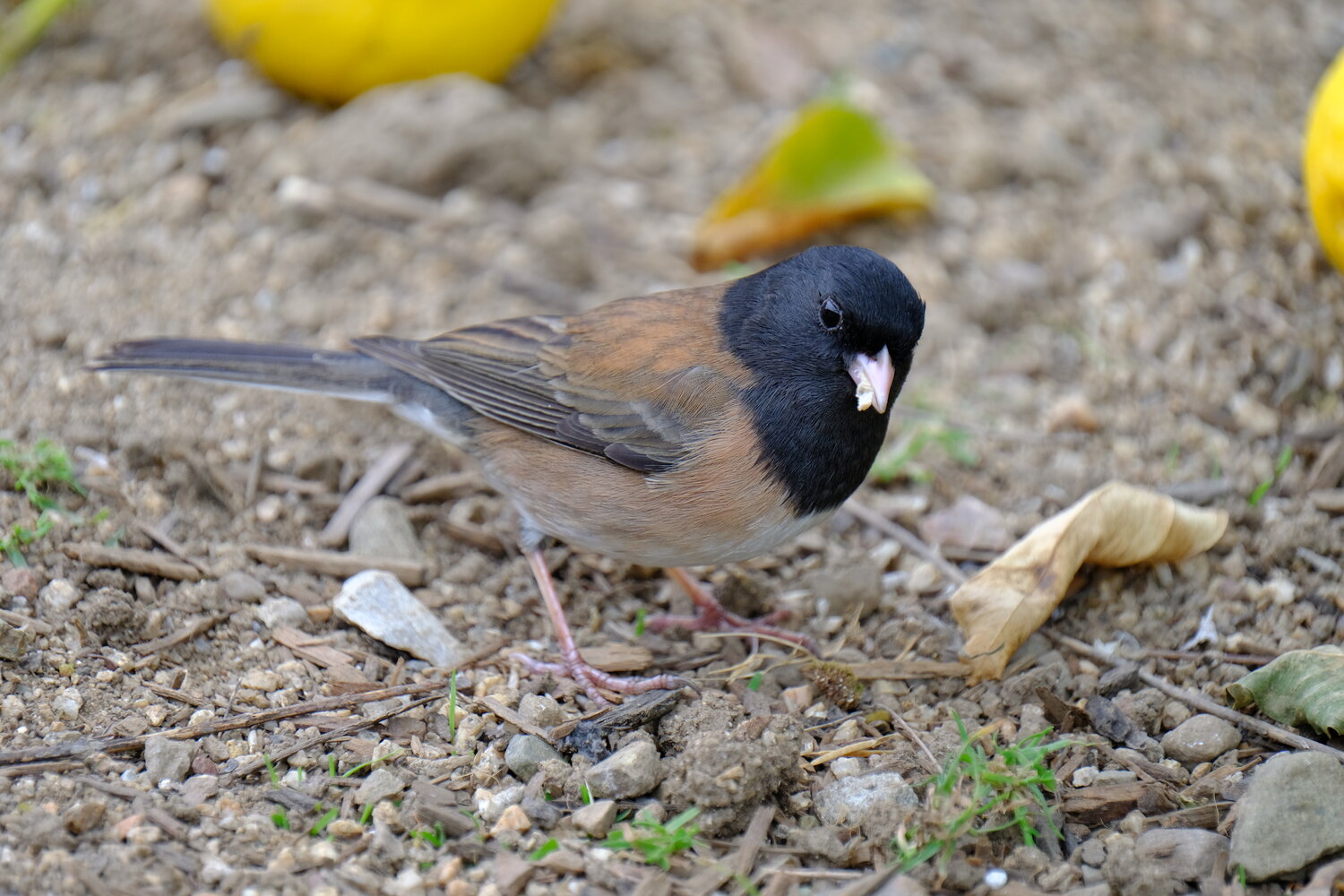
Juncos mainly eat seeds, which form the core of their diet. You’ll often see them scratching the ground in search of tiny seeds from grasses and weeds.
Besides seeds, they also eat small insects and spiders, especially during the breeding season. This protein boost helps them stay healthy and feed their young.
Have you noticed how juncos often forage on the ground rather than in trees? This ground-feeding habit is key to understanding their food choices.
Seasonal Diet Variations
Their diet changes with the seasons. In spring and summer, juncos eat more insects like caterpillars and beetles to get extra protein.
During fall and winter, seeds dominate their meals. Sunflower seeds, millet, and cracked corn are favorites that you can easily provide at feeders.
Think about offering a mix of seeds and insects depending on the time of year. This simple adjustment can make a big difference in attracting juncos to your yard.
Credit: chirpforbirds.com
Seeds For Junco Birds
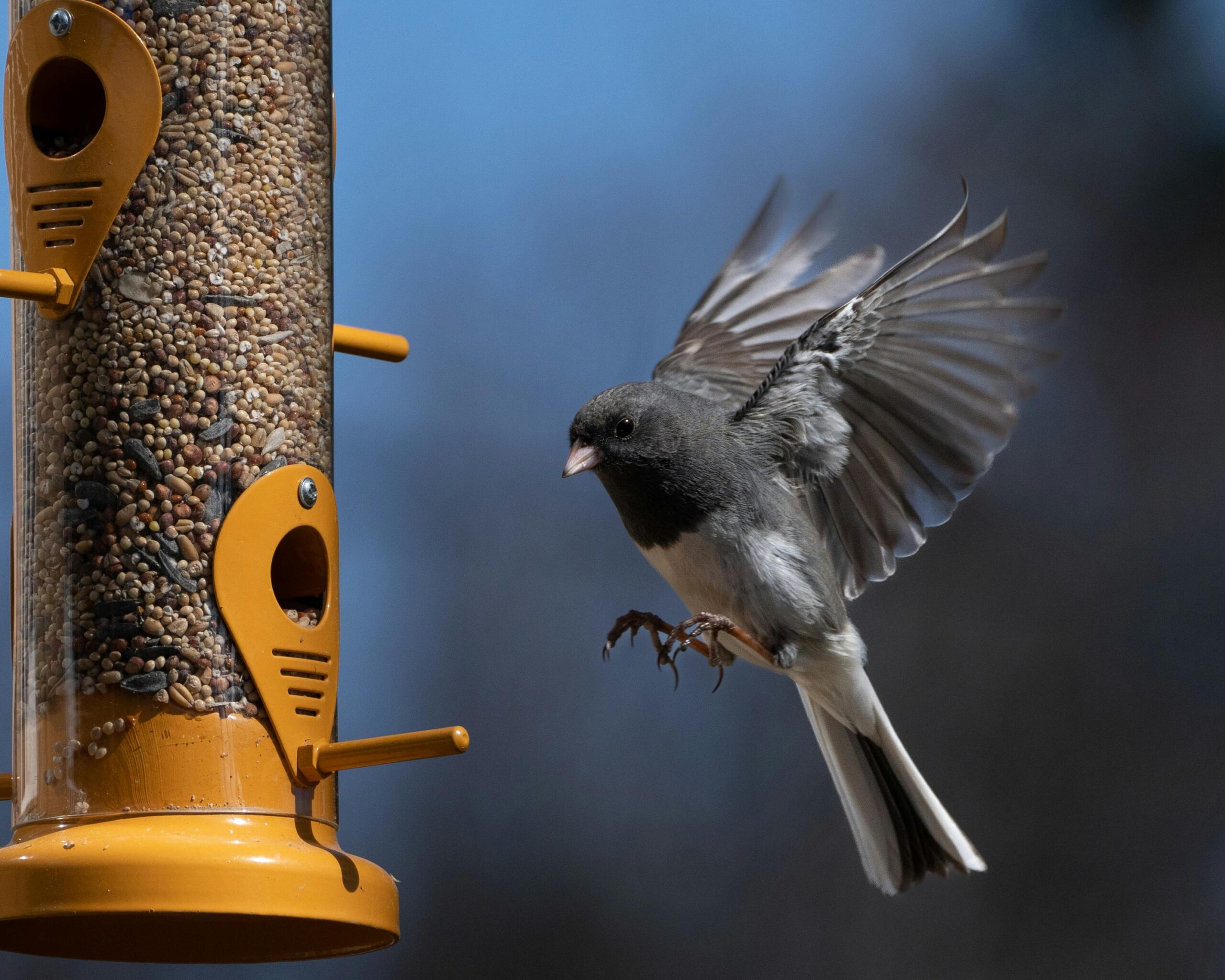
Seeds form a major part of the diet for junco birds. They enjoy picking seeds from the ground or feeders. Providing the right seeds helps keep them healthy and active. Seeds also attract juncos to your yard or garden.
Choosing the proper seeds makes feeding easier and more effective. Some seeds offer more nutrition and appeal than others. Understanding which seeds juncos prefer supports their well-being.
Preferred Seed Types
- Millet: Small and easy to eat, millets are a favorite.
- Sunflower seeds: Especially black oil sunflower seeds, rich in oil and nutrients.
- Cracked corn: Good for energy, though not the main choice.
- Safflower seeds: Loved by juncos and less attractive to squirrels.
- Nyjer seeds: Tiny seeds that some juncos enjoy picking.
Seed Mixes To Avoid
- Large seeds like whole peanuts; juncos struggle to eat them.
- Colored or dyed seeds; they may contain harmful chemicals.
- Seed mixes with excessive fillers like red milo or oats.
- Seeds coated with salt or flavoring; harmful to birds.
- Moldy or old seeds; can cause illness in birds.
Fruits And Vegetables
Fruits and vegetables are a healthy part of a junco bird’s diet. They provide important vitamins and water. These foods help keep juncos active and strong. Including fresh produce adds variety and natural nutrients.
Choosing the right fruits and vegetables is key. Some are safe and tasty for juncos. Others might cause harm and should be avoided. Knowing which options work best supports their health and happiness.
Safe Fruits For Juncos
- Apples (seedless or seeds removed)
- Blueberries
- Strawberries
- Melons (cantaloupe, watermelon)
- Pears (without seeds)
- Grapes (cut in halves)
These fruits are rich in vitamins and antioxidants. They are easy to eat and digest. Always wash fruits thoroughly before feeding. Cut into small pieces to prevent choking.
Vegetables To Include
- Carrots (grated or chopped)
- Spinach (fresh and clean)
- Peas (fresh or thawed)
- Broccoli (small florets)
- Cucumber (peeled and sliced)
- Sweet potatoes (cooked and cooled)
Vegetables provide fiber and essential minerals. They support digestion and overall health. Serve raw or lightly steamed without salt. Avoid onions, garlic, and avocado, as they are toxic.
Protein Sources
Junco birds need protein for growth and energy. Protein helps them build strong muscles and stay healthy. Their natural diet includes several protein sources that provide essential nutrients. Understanding these sources helps in offering the right food to juncos in your garden or feeder.
Insects And Larvae
Insects are a top protein source for junco birds. They eat beetles, caterpillars, and ants. Larvae, the young form of insects, are soft and easy to digest. These provide a rich protein boost during breeding seasons. Juncos often forage on the ground or in leaf litter to find these.
- Beetles
- Caterpillars
- Ants
- Grasshoppers
- Insect larvae
Supplemental Protein Options
Besides insects, juncos can benefit from other protein-rich foods. Mealworms are a popular choice and easy to offer. Cooked eggs can also provide extra protein. Some bird feeders use suet mixed with nuts or seeds to attract juncos. These options help keep their diet balanced, especially in colder months.
- Mealworms
- Boiled or scrambled eggs
- Suet cakes with nuts
- Peanut pieces (unsalted)
Feeding Tips And Techniques
Feeding juncos properly helps keep them healthy and active. Understanding their natural habits improves feeding success. Small changes in timing and setup make a big difference. Use simple techniques to attract these birds to your yard. Follow these tips for effective feeding and happy juncos.
Best Feeding Times
Early morning is ideal for feeding juncos. They search for food after sunrise to fuel their day. Late afternoon is another good time. Birds eat to prepare for the cold night ahead. Avoid feeding at midday when juncos rest more. Consistent feeding times help birds learn when to visit.
Feeder Types And Placement
Ground feeders work best for juncos since they prefer feeding on the ground. Use shallow trays or platform feeders filled with seeds. Scatter seeds on natural ground or a flat surface. Place feeders near shrubs or low bushes for cover. This makes juncos feel safe from predators. Keep feeders clean and dry to prevent mold and disease.

Credit: paintedbird.shop
Common Feeding Mistakes
Feeding junco birds might seem straightforward, but many bird enthusiasts unknowingly make common mistakes that can harm these delicate creatures. Understanding what to avoid is just as important as knowing what to feed them. Let’s look closely at some pitfalls that could affect your junco’s health and happiness.
Overfeeding Risks
It’s tempting to offer a lot of food, especially when you enjoy watching juncos visit your feeder frequently. However, overfeeding can lead to obesity and reduce their natural foraging behavior. Have you noticed your local juncos becoming less active or gaining weight? That could be a sign of overfeeding.
Too much food also attracts unwanted pests like rats and squirrels, which can disturb the birds and spread disease. A good practice is to provide smaller amounts of fresh food daily rather than large quantities that sit untouched. This keeps the environment clean and encourages birds to eat naturally.
Harmful Foods To Avoid
Not all seeds and snacks are safe for juncos. Some foods that seem harmless can cause serious health problems. For example, bread and salty snacks are common offerings but can lead to malnutrition and dehydration.
Also, avoid feeding juncos foods treated with pesticides or chemicals. Even fruits like avocado and chocolate are toxic to many birds and should never be part of their diet. If you want to give treats, stick to natural seeds like millet, cracked corn, or sunflower seeds, which support their dietary needs without risk.
Nutrition For Different Life Stages
Nutrition needs for junco birds shift as they grow and move through different life stages. Each stage demands specific nutrients to support growth, reproduction, and overall health. Understanding these changes helps you provide the right feed and keep your juncos thriving.
Feeding Juvenile Juncos
Young juncos require a diet rich in protein to fuel their rapid growth. Offering small seeds like millet mixed with soft-bodied insects such as mealworms can help meet this need. You might notice juvenile juncos eagerly pecking at live insects more than adults do—this protein boost is essential for developing strong muscles and feathers.
Don’t forget to provide fresh water and avoid hard seeds that are tough for young birds to crack. You can also gently mash some seeds to make feeding easier. Have you observed how quickly young birds learn to handle different foods? Watching them adapt can guide you in adjusting their diet effectively.
Diet Changes For Breeding Season
During breeding, juncos need extra energy and nutrients to support egg production and chick rearing. Increasing protein sources like insects and supplementing with high-fat seeds such as sunflower can make a big difference. This richer diet helps females develop strong eggs and males maintain stamina for courtship.
Adding calcium-rich foods, like crushed eggshells or calcium supplements, supports healthy eggshell formation. You can also provide a variety of fruits and greens to supply vitamins and minerals. How can you tell if your junco’s diet matches their breeding needs? Watch for increased activity and feeding frequency—signs they are preparing for or caring for young.
Monitoring Junco Health Through Diet
Watching your junco’s diet closely can reveal a lot about its health. What your bird eats directly impacts its energy, feathers, and overall wellbeing. Paying attention to subtle changes in eating habits or appearance helps you catch problems early.
Signs Of Nutritional Deficiency
If your junco starts to look dull or its feathers become brittle, these could be red flags. You might notice it eating less or picking at unusual items. Weight loss, lethargy, and frequent illness also hint at missing nutrients.
Keep an eye out for these specific signs:
- Feathers losing their shine or falling out
- Swollen feet or legs
- Weakness or trouble flying
- Unusual behavior like excessive scratching
Have you ever wondered if the seed mix you offer covers all vitamin needs? Sometimes, a diet heavy on sunflower seeds lacks essential minerals. Mixing in fresh fruits or specialized pellets can fill the gaps.
Adjusting Diet For Health Issues
When your junco shows signs of poor health, changing its diet can make a big difference quickly. Adding calcium sources like crushed eggshells helps with bone and feather strength. Including small amounts of fresh greens or berries boosts vitamin intake.
If your bird has digestive problems, try soaking seeds to make them easier to eat. Avoid too many fatty seeds which can lead to obesity. Watch how your junco responds and tweak the diet based on its preferences and condition.
Have you tried offering live insects occasionally? They provide protein that’s hard to get from seeds alone. Adjusting food isn’t just about what you add, but also what you reduce to balance the diet perfectly.
Frequently Asked Questions
What Do Junco Birds Mainly Eat In The Wild?
Junco birds primarily eat seeds, especially weed and grass seeds. They also consume insects during breeding season for extra protein. Their diet changes with seasons to include fruits and small invertebrates, making them adaptable feeders.
Can I Feed Junco Birds At Home?
Yes, you can feed Junco birds using seed mixes with millet and sunflower seeds. Providing water and a clean feeding area attracts them. Avoid bread or processed foods, as these are unhealthy for Juncos.
Which Seeds Are Best For Junco Bird Feeders?
Black oil sunflower seeds and millet are ideal for Junco feeders. These seeds are nutrient-rich and easy for Juncos to crack open. Offering a mix encourages regular visits and supports their dietary needs.
Do Junco Birds Eat Insects Or Just Seeds?
Juncos eat both seeds and insects. Insects provide essential protein, especially during nesting. Their diet is versatile, helping them survive in various environments and seasons.
Conclusion
Junco birds thrive on seeds and grains. They love sunflower seeds, millet, and cracked corn. These foods provide essential nutrients. Mix these with other bird-friendly grains. Your garden will attract many juncos. Providing fresh water is vital too. Clean and refill regularly.
Be patient and watch them visit. Enjoy the lively chirps and fluttering wings. A simple, rewarding way to connect with nature. Keep feeders clean and filled. Soon, you’ll enjoy the beauty of juncos. A delightful addition to any backyard. Happy bird watching!