
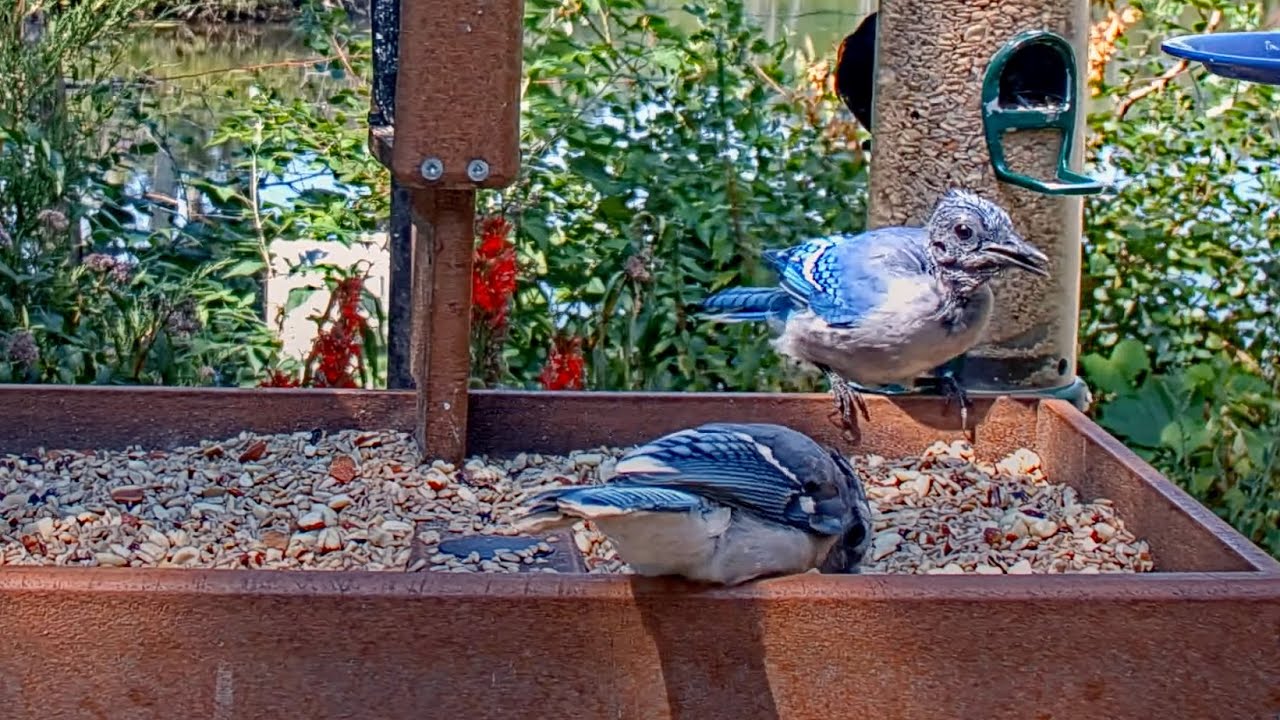
If you’ve ever found a baby blue jay and wondered what to feed it, you’re not alone. These feathered babies need special care to grow strong and healthy.
Feeding them the right food at the right time can make all the difference. You’ll discover simple, effective ways to nourish your little blue jay, helping it thrive under your care. Keep reading to learn exactly what you should put on your baby blue jay’s menu.

Credit: www.reddit.com
Diet Needs Of Baby Blue Jays
Understanding the diet needs of baby Blue Jays is crucial if you want to help them thrive. Their nutritional demands differ significantly from adult birds, and meeting these needs ensures healthy growth and development. Let’s dive into what makes their diet special and how you can support their early life stages.
Nutritional Requirements
Baby Blue Jays need a diet rich in protein to build strong muscles and feathers. They rely heavily on insects like caterpillars, beetles, and spiders, which provide essential amino acids. Alongside protein, they also need fats and carbohydrates for energy, often found in soft fruits and seeds.
Calcium is another vital nutrient for baby birds, helping develop their bones and beaks. Without enough calcium, their growth could be stunted, and they might face health problems later. You can offer crushed eggshells or finely ground oyster shells to add calcium safely.
Hydration is key, too. Baby Blue Jays receive most of their water from the food they eat, so moist foods like fruits and insects are ideal. Dry seeds alone won’t provide enough moisture, which can lead to dehydration.
Differences From Adult Birds
Adult Blue Jays eat a more varied diet, including whole nuts, larger seeds, and harder fruits. Baby birds, however, need softer, easier-to-digest foods because their digestive systems are still developing. You should avoid feeding them hard nuts or large seeds until they grow stronger.
Adults can handle a wider range of food textures and tougher items, but babies depend on frequent feedings of high-protein, soft foods. You might notice adult Blue Jays cracking nuts with their strong beaks—baby birds simply can’t do that yet.
Remember, baby Blue Jays also need more frequent feedings. While adults can go longer between meals, babies require constant nutrition to keep up with their rapid growth. Are you ready to adjust your feeding schedule to meet their unique needs?
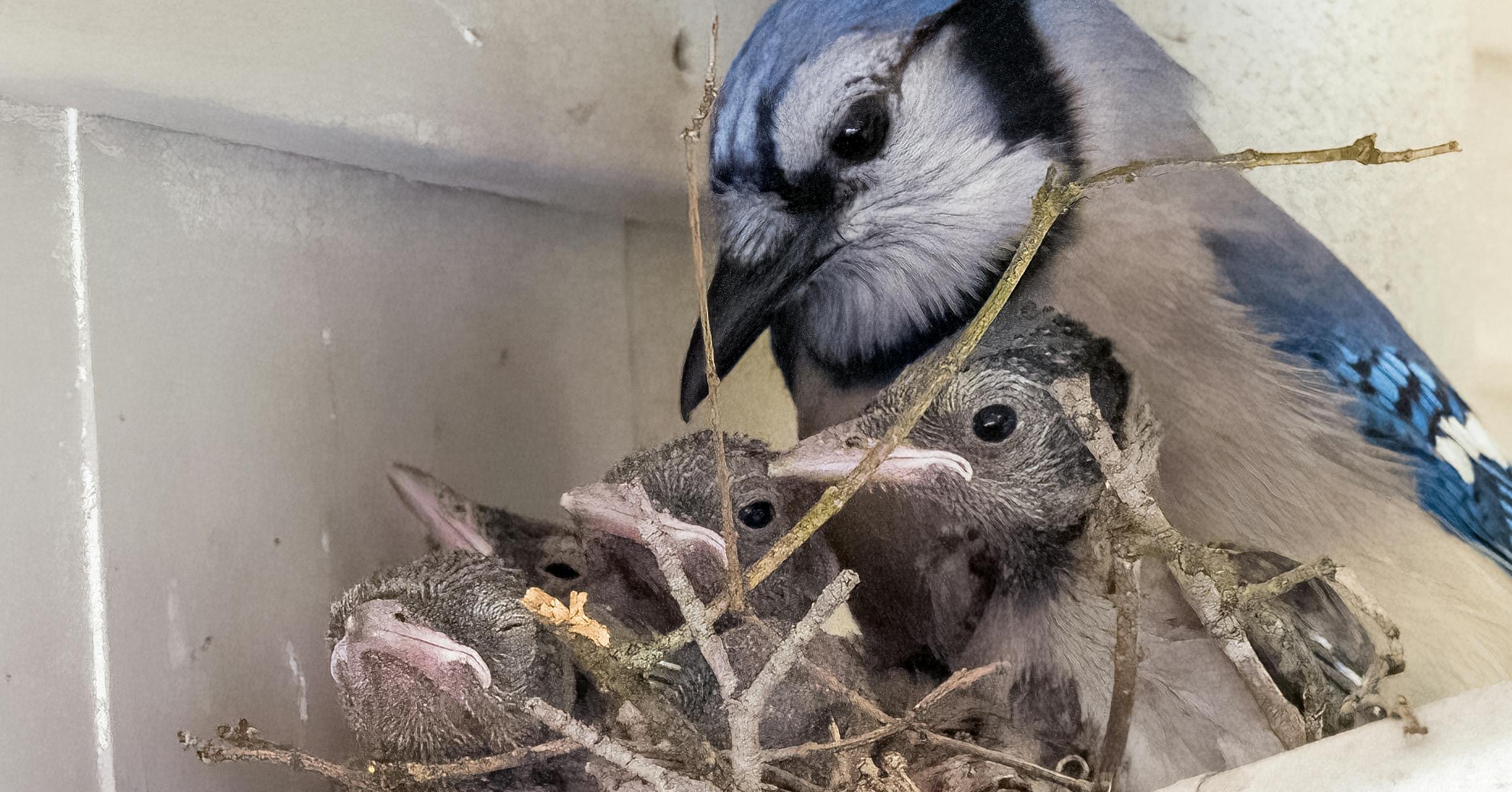
Credit: www.startribune.com
Natural Foods For Nestlings
Feeding baby blue jays with natural foods is essential for their healthy growth and development. Nestlings need a diet rich in nutrients to build strong muscles and feathers. Providing the right natural foods mimics what their parents would find in the wild, helping them thrive.
Insects And Larvae
Insects and larvae are packed with protein, which is vital for growing blue jay nestlings. You can offer small caterpillars, mealworms, and crickets to meet their nutritional needs. These foods are easy for the babies to digest and help build their strength quickly.
Have you noticed how adult blue jays spend a lot of time foraging for bugs? This shows how crucial insects are in their diet. Including these natural protein sources in your feeding routine supports the natural feeding habits of the birds.
Soft Fruits And Berries
Soft fruits and berries provide essential vitamins and hydration for baby blue jays. You can offer chopped strawberries, blueberries, and raspberries in small, manageable pieces. These fruits not only add variety but also supply antioxidants that boost their immune system.
Remember to avoid anything too sour or hard, as the nestlings’ beaks are still delicate. Offering fresh, natural fruits encourages healthy eating habits and helps the babies get used to a balanced diet early on.
Safe Homemade Feeding Options
Feeding baby blue jays at home requires care and the right ingredients to support their growth. Safe homemade feeding options give you control over what your feathered friend consumes. You can prepare nutritious meals that mimic their natural diet without relying on commercial products.
Protein-rich Mixtures
Protein is essential for baby blue jays to develop strong muscles and feathers. You can create a simple blend using cooked eggs, finely chopped insects like mealworms, and a bit of plain yogurt. These ingredients provide a balanced protein boost that’s easy for the babies to digest.
Mix these components into a smooth paste to prevent choking hazards. Avoid adding salt or seasoning, as these can harm young birds. Have you noticed how quickly they respond to fresh protein? It’s a clear sign that this part of their diet is crucial.
Suitable Fruits And Vegetables
Blue jay chicks also need vitamins and minerals from fruits and vegetables. Offer finely chopped apples, berries, or peaches, but make sure to remove seeds and pits first. Soft veggies like peas or cooked carrots can be mashed into a gentle texture that baby birds can easily eat.
Keep portions small and introduce one new fruit or vegetable at a time to watch for any negative reactions. You might be surprised how eager they are to try fresh foods. Could adding a variety of colors to their diet improve their health and happiness?
Feeding Techniques For Baby Blue Jays
Feeding baby Blue Jays requires patience and care to ensure their healthy growth. These feathered youngsters depend entirely on you for nourishment during their early days. Understanding proper feeding techniques can make a big difference in their survival and development.
Hand-feeding Tips
Use a small, soft-tipped syringe or tweezers to gently offer food. Avoid force-feeding; let the baby Blue Jay open its beak willingly. Hold the bird securely but gently to prevent injury while feeding.
Offer food that mimics their natural diet, such as soaked dog kibble, finely chopped fruits, or insects. Keep the food warm but not hot, as cold food can upset their digestion. Clean your feeding tools after every session to prevent infections.
Feeding Frequency And Amounts
Baby Blue Jays need to eat frequently, often every 20 to 30 minutes from dawn to dusk. Their stomachs are small, so give small amounts at each feeding to avoid overfeeding. Watch their crop (a small pouch near the throat) to gauge fullness—never let it become too distended or empty.
As they grow, space out feedings gradually and increase the amount of food. This change helps them transition to self-feeding. What signs will tell you your baby Blue Jay is ready for this next step?
Common Feeding Mistakes To Avoid
Feeding baby blue jays requires care and attention. Avoiding common mistakes helps their growth and health. Mistakes can cause harm or delay development. Knowing what to avoid ensures safe feeding habits. This section highlights key feeding errors and how to prevent them.
Foods To Never Offer
Some foods are unsafe for baby blue jays. Avoid these to keep them healthy:
- Chocolate – toxic and can cause illness.
- Avocado – harmful to many birds.
- Salty or sugary snacks – disrupt digestion.
- Raw beans – contain toxins harmful to birds.
- Processed meats – too much salt and fat.
- Onions and garlic – cause digestive problems.
Always stick to natural, bird-safe foods. Fresh fruits, nuts, insects, and seeds work best.
Overfeeding And Underfeeding Risks
Feeding too much or too little causes problems. Overfeeding can lead to obesity and poor health. Underfeeding slows growth and weakens the bird. Balance is key for strong development.
- Watch the bird’s appetite and energy levels.
- Feed small amounts frequently rather than large meals.
- Remove uneaten food to avoid spoilage.
- Keep a consistent feeding schedule every day.
Monitor the baby blue jay’s weight and behavior closely. Adjust feeding amounts based on its needs.

Credit: www.reddit.com
When To Transition To Solid Foods
Knowing when to transition baby blue jays to solid foods is key to their healthy growth. Feeding them too early or too late can affect their digestion and development. Paying close attention to their behavior and physical cues will help you make the right move at the right time.
Signs Of Readiness
Watch for these signs to know your baby blue jay is ready for solid foods:
- They begin to peck or show interest in food outside the nest.
- Their beak strength improves, making it easier to handle solid items.
- They start to open their mouth eagerly when food is offered.
- They show less dependence on regurgitated food from parents.
When I observed these signs in a rescued baby blue jay, I realized it was time to introduce soft solids. Ignoring these cues can delay their progress or cause frustration for both you and the bird.
Gradual Dietary Changes
Transitioning to solid foods should be a slow and steady process. Start by offering soft, easy-to-digest items like soaked sunflower seeds or finely chopped fruits.
Mix these with their usual diet, reducing liquid feeds little by little. This approach helps their digestive system adjust without shock.
Ask yourself: Is the baby bird eagerly eating the new food, or is it hesitant? If the latter, slow down the transition and offer more familiar foods before trying again.
Caring For Orphaned Or Injured Blue Jays
Caring for orphaned or injured blue jays is a delicate task that requires quick thinking and gentle handling. These birds depend heavily on their parents for food and protection, so stepping in means you must meet their specific nutritional and emotional needs. If you ever find yourself faced with a feathered baby blue jay in distress, knowing what to do can make all the difference between life and death for the little bird.
Emergency Feeding Guidelines
Feeding a baby blue jay immediately after rescue is critical. These birds need frequent meals because they have fast metabolisms and small stomachs. Avoid giving them water directly, as this can cause choking.
- Use a syringe or dropperto feed a warm mixture of soaked dog kibble or dry cat food softened in water. This provides essential proteins and fats.
- Feed small amountsevery 15 to 20 minutes during daylight hours to mimic natural feeding patterns.
- Keep the bird warmduring feeding. A cold baby jay won’t digest food properly.
Have you ever tried feeding a tiny bird and noticed how impatient they get? That urgency reflects their natural need to grow strong quickly. Remember, this emergency diet is just a temporary fix until proper care can be arranged.
Seeking Professional Help
Blue jays are wild creatures with specific dietary and care needs that are difficult to meet at home. Contacting a licensed wildlife rehabilitator or veterinarian is crucial for the bird’s long-term survival. Professionals have the right tools, knowledge, and permits to provide the best care.
Wildlife experts can:
- Perform health assessments and provide medical treatment.
- Offer specialized diets tailored to blue jay chicks as they grow.
- Prepare the bird for eventual release back into the wild.
If you’re unsure where to find help, local animal shelters or bird conservation groups can guide you. Have you checked your community resources yet? Sometimes a quick call can connect you with the right person who can save that little life.
Frequently Asked Questions
What Do Baby Blue Jays Eat In The Wild?
Baby blue jays eat insects, nuts, seeds, and berries. Their parents feed them protein-rich insects to support growth. As they grow, they gradually eat more seeds and fruits.
Can I Feed Bread To Baby Blue Jays?
Feeding bread to baby blue jays is not recommended. Bread lacks essential nutrients and can harm their health. Instead, offer nuts, seeds, and insects for a balanced diet.
How Often Should I Feed A Feathered Baby Blue Jay?
Feed feathered baby blue jays every 2 to 3 hours during daylight. They need frequent feeding to maintain energy and healthy growth. Avoid overfeeding to prevent health issues.
Are Mealworms Suitable For Baby Blue Jay Diet?
Yes, mealworms are an excellent protein source for baby blue jays. They help promote healthy feather and muscle development. Offer them fresh or dried as part of a varied diet.
Conclusion
Feeding baby blue jays involves patience and care. They need proper nutrition for growth. Offer a mix of soft fruits and insects. This mimics their natural diet. Always ensure food is fresh and clean. Avoid processed or seasoned foods. Hydration is also crucial.
Provide fresh water nearby. Watch their health and growth regularly. Consult a vet if unsure about feeding practices. With the right care, they grow into strong adults. Enjoy the rewarding experience of nurturing these beautiful birds.